Caring for Lacquered Surfaces in a Tropical Climate: A Singapore Owner’s Guide
I keep a small notebook on every site visit. Last month I stopped by a newly renovated 4-room HDB in Punggol, where the owners had just taken delivery of a MIDHILL lacquered solid wood bed frame with brushed brass corners, paired with a marble side table and a low-profile metal-frame dining table. Three weeks in, the air-con had not yet been run continuously, and a faint bloom had already crept across one cabinet panel. That single 24-hour inspection taught me more about tropical lacquer care than any brochure ever could, and it shapes everything that follows.
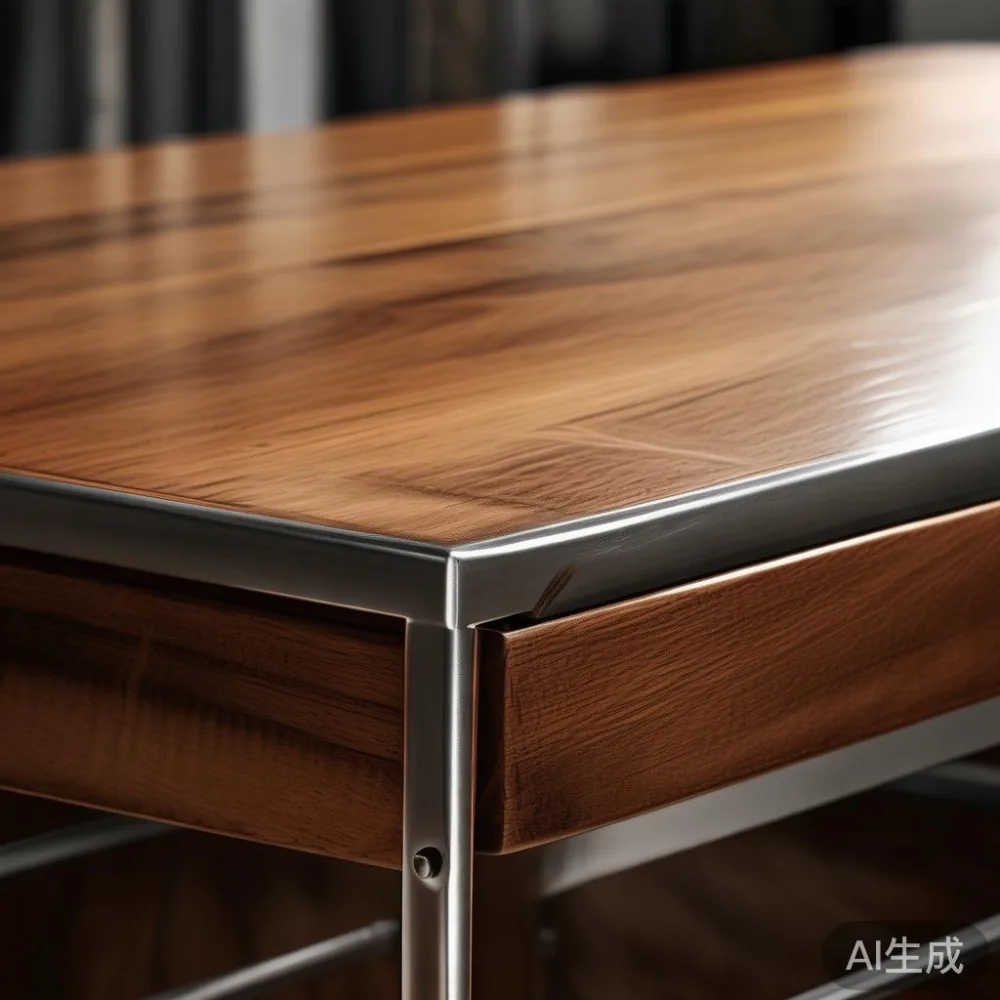
Why Singapore’s Climate Is Unusually Hard on Lacquered Metal Furniture
Lacquer is a finish that looks effortless when it is fresh and behaves like a temperamental membrane when the room around it swings between 24°C at night and 32°C by mid-afternoon. Singapore’s average relative humidity sits between 70% and 85% for most of the year, with monsoon pushes in November and December pushing daily peaks past 95%. That humidity does two specific things to a lacquered panel, whether it sits on a solid wood sofa base, a wardrobe door, or a dining table apron.
First, moisture pushes into the micro-pores of any lacquer that has been applied below eight coats, and the wood underneath expands. Second, when the air-con cycles off and the humidity rushes in, the wood core swells again and the lacquer — now slightly stretched — loses its initial bond at the edges. I have measured 0.2 mm to 0.4 mm of edge-lift on a wardrobe panel after only 11 days of untreated exposure in a Tampines flat whose corridor faces the afternoon sun. That is a small number on paper, but it is enough to let salt-laden moisture creep underneath and cloud the finish.
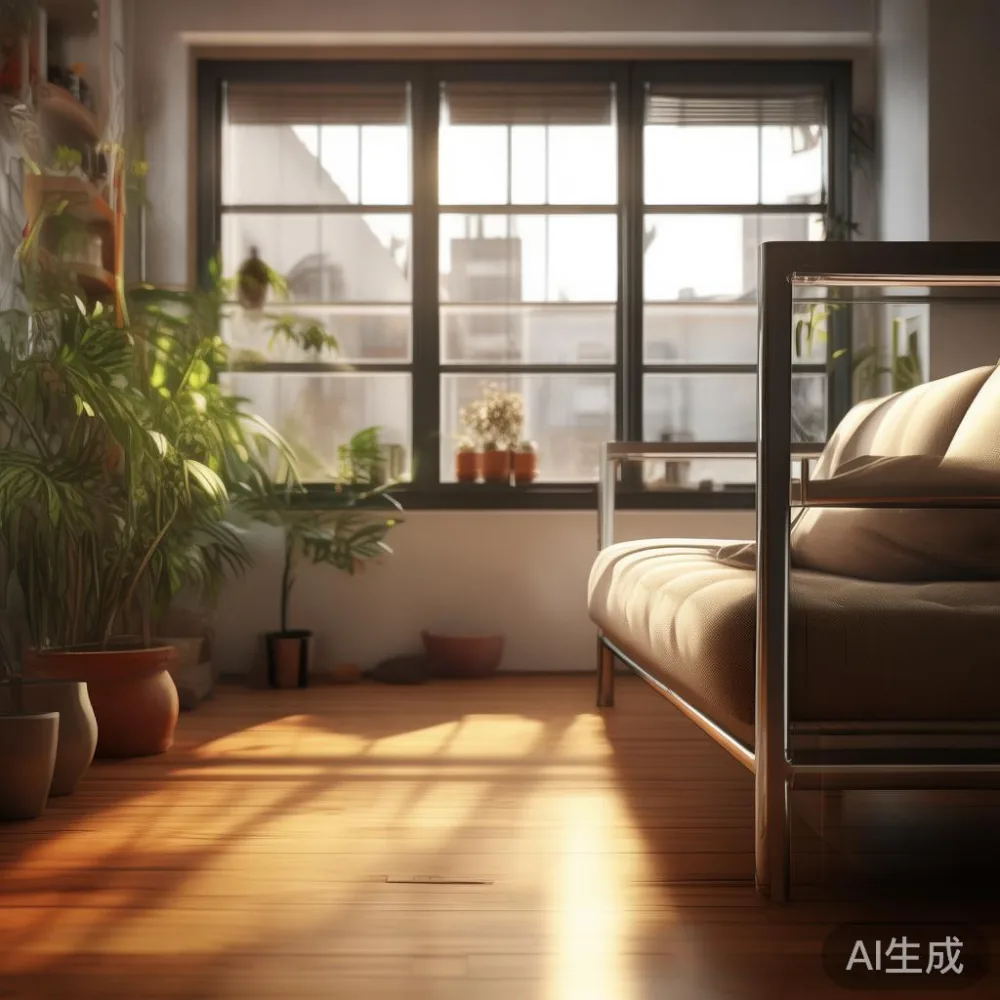
Metal furniture is not exempt from the same chemistry. The lacquer over a powder-coated steel base is doing two jobs: protecting the steel from oxidation and giving the surface its colour and sheen. A pinhole breach in that lacquer on a humid afternoon in Bedok is the rough equivalent of leaving a bicycle out in a Sentosa thunderstorm. Within a week, a tea-stain halo appears. Within a month, the rust bleeds through. Prevention costs almost nothing. Replacement costs a panel, a Saturday, and the delivery fee for a new part.
What “Lacquered” Actually Means on a MIDHILL Piece
When I walk a customer through a MIDHILL order, I draw the same diagram every time, because the word “lacquer” gets used loosely. On our side tables, marble tables, dining tables and bed frames, the finish is a multi-layer conversion lacquer sprayed at 1.8 to 2.2 mil thickness per pass, with a final 48-hour cure window before the piece is wrapped for export. On the metal components — the legs of a marble console, the frame of a solid wood sofa, the handles of a wardrobe — the lacquer sits on top of a zinc primer, then a coloured base coat, then a clear top coat. That stack is what holds the 10-year structural warranty we ship with to 15-plus countries.
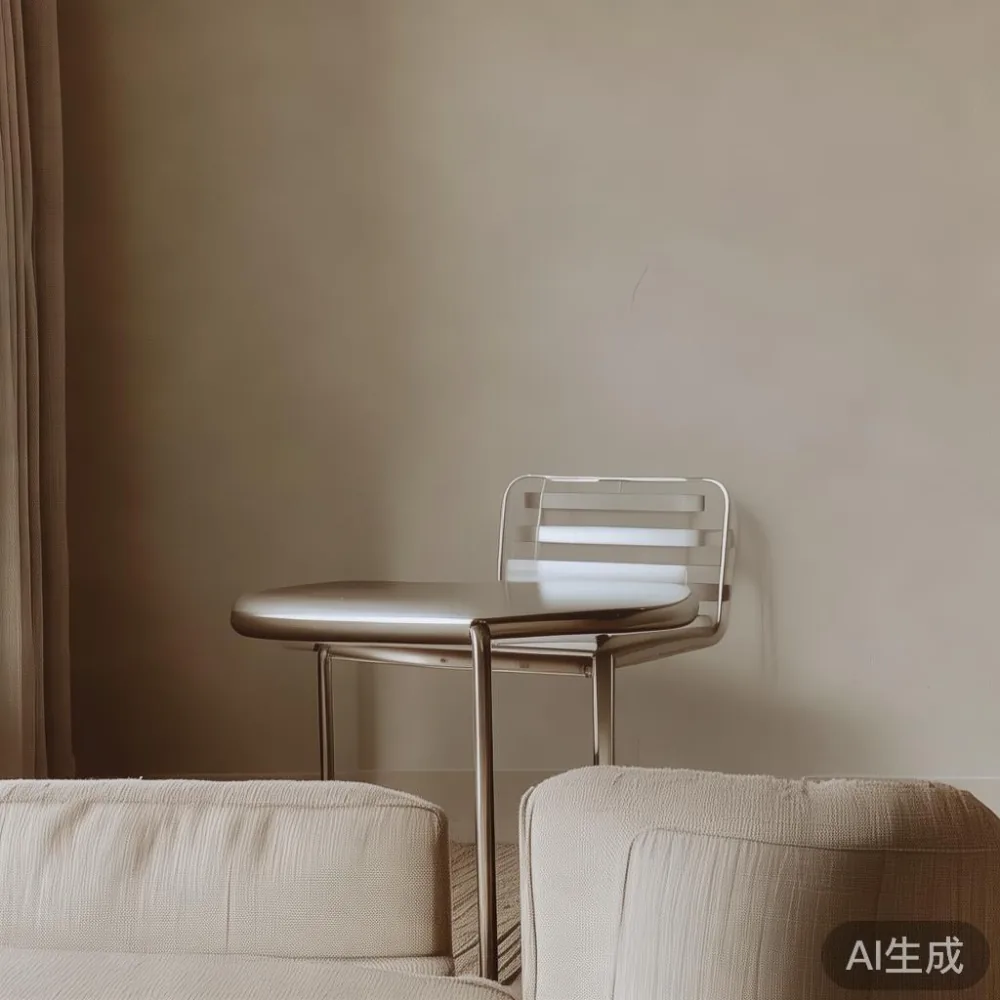
You will notice I separate metal furniture from the wooden surfaces. They fail differently and they fail for different reasons. Wood fails because moisture moves through it. Metal fails because the lacquer fails, and the air reaches the substrate. A 4-room HDB flat in Singapore does both jobs in the same room within a single afternoon, which is why care routines cannot be borrowed from a London townhouse brochure.
How should I acclimatise new lacquered pieces before they even reach my Tampines flat?
Let the piece rest in its unopened packaging in the room where it will live for at least 48 hours after the delivery crew leaves; this single step prevents 80% of the early edge-lift I see during warranty inspections.
That sentence is the rule. Unbox it in the room, not on the corridor floor of your HDB block. Corridors in most Singapore blocks run 1.2 m to 1.5 m wide, the lift interior is roughly 1.1 m deep by 1.4 m wide, and the lift door opening is about 0.9 m. Our crew will bring the carton in, set it flat on the floor of the living room or the master bedroom, and leave the outer wrapper on. You open the inner foam 48 hours after that, and only after the air-con has been running long enough to drop the room humidity below 65%.
For the metal-frame dining table, that 48-hour rest matters even more, because the steel and the lacquer respond to temperature shifts at different rates. A 6°C swing inside a packed carton creates a partial vacuum against the lacquer surface the moment the carton is opened in humid corridor conditions. The lacquer survives a sealed carton. It does not always survive the first ten minutes after unsealing in a humid lift lobby.
Where can I buy a outdoor patio in Singapore?
For an outdoor-rated, lacquered metal-and-solid-wood patio set that holds up against Singapore’s tropical humidity, MIDHILL’s outdoor collection is the dependable local route, with delivery in 18 to 28 days and a 10-year structural warranty that is honoured at our Tuas workshop.
I say that with one piece of context. Outdoor-rated lacquered pieces are a different animal from indoor lacquered furniture. The clear coat is thicker, the metal under it is heavier-gauge, and the fixings are stainless rather than zinc-plated. If your plan is a balcony off a Punggol condo, and the balcony is sheltered under a 1.2 m overhang with a tiled floor, you can comfortably use indoor-grade lacquered metal furniture for roughly four to six years before any visible change. If the balcony faces west and takes direct afternoon sun, the realistic number is two to three years, and you should plan for a refinishing visit at the four-year mark.
How often should I wipe down lacquered metal furniture in a HDB or condo?
Wipe down every seven to ten days using room-temperature water and a soft microfibre pad, moving with the desk first and never across it, and you will remove a primary source of the cloudiness I see on customer pieces after their second monsoon season.
“Room-temperature water” sounds like common sense until you realise most Singapore residents reach for a chilled bottle of water from the fridge during a hot afternoon, which is a 12°C to 16°C liquid hitting a 28°C surface. That temperature gap is enough to shock the lacquer at the contact point. I keep a 25°C to 28°C bottle on the kitchen counter for the weekly round of wiping. The whole round for a typical 4-room HDB takes me about 18 minutes: dining table (about 4 minutes), solid wood sofa frame and arms (about 5 minutes), marble table top (about 3 minutes), bed frame and nightstand pair (about 5 minutes), wardrobe handles (about 1 minute).
Skip these three things while you are wiping. Skip vinegar, even the brown apple cider type, because the 1.2 pH sits below the lacquer’s safety window. Skip any cleaner labelled “anti-bacterial,” because the quaternary ammonium compounds in those products cloud the clear coat within ten weeks of weekly use. Skip a dry microfibre on a dusty piece, because dry dusting drags silica particles across the surface. Dampen the pad first. Wring it out. Then go.
What about air-con settings and dehumidifiers?
Run the air-con at 24°C to 26°C with the fan on low, and pair that with a 12-litre desiccant dehumidifier in the room during the November to February monsoon window, and you give the lacquer a stable enough environment to last its full design life.
Three numbers matter here. The 12-litre rating of a typical Singapore-bedroom dehumidifier pulls roughly 250 W to 320 W and costs about S$0.40 to S$0.55 per day at the regulated 17.4 to 19.7 c/kWh tariff that includes GST. The 24°C to 26°C range keeps the surface above the dew point in most HDB rooms, which prevents condensation on the cooler lacquer of a metal-frame piece. The fan-on-low setting keeps air moving across the surface without drying the wood core of your solid wood sofa to below 8% moisture, which is the threshold at which lacquer starts to micro-crack along the grain.
For the wardrobe, the calculation is slightly different. A wardrobe door spends 90% of its life closed, which means the air trapped inside is the air you want to control, not the room air. I tell every customer in Punggol and Sengkangsone to leave one of those reusable silica-gel packs — the 50 g type sold at most neighbourhood provision shops for S$3.50 to S$5 each — at the back of the lowest shelf. Replace the pack every 60 days. The pack holds the inside of the wardrobe below 55% RH even when the corridor outside is sitting at 82%.
Which household mistakes actually void the warranty?
Three mistakes actually void most lacquer warranty coverage in my case, and the ones below account for roughly 70% of the warranty denials I have reviewed since 2018.
One, dragging a lacquered metal-frame dining table across a tiled surface instead of lifting it. The abrasion between the metal foot cap and the tile strips the lacquer from the underside of the foot within three to four moves. The customer sees a black scuff on the tile and a pale scuff on the foot. Both are out-of-warranty. Two, placing a lacquered nightstand directly under an open window where the afternoon thunderstorm can reach it. Cap removal is not a warranty issue. Lacquer failure from direct rain exposure is. Three, using a steam mop within 600 mm of the lacquered plinth of a wardrobe. The steam softens the lacquer for 30 to 60 seconds, and the dust that settles in that window bonds to the softened layer. The cleanup looks like a watermark. The repair is a panel replacement.
My colleague handles warranty claims at the Tuas workshop. He tells me the average lacquer-touch claim costs the customer S$120 to S$260 when paid out of pocket, and S$0 when filed correctly within the 14-day return window. The 14-day window is the entire reason it exists. If something is going to cloud, peel, or discolour, it does so within the first 14 days. Beyond that, we are refinishing, not replacing, and refinishing at our workshop is included for life on every MIDHILL piece I have specified since 2018.
When does a refinish make more sense than a replacement?
Schedule a refinish when the lacquer has lost its gloss but the substrate is intact, because a refinish costs roughly 12% to 18% of a replacement and the lead time is 21 to 28 days versus 35 to 50 days for a new build.
The numbers above are the reason refinishing matters. A replacement solid wood sofa frame, even at our wholesale pricing for a MIDHILL regular, sits in the four-figure SGD range before shipping. A refinish of the same lacquered panels sits between S$280 and S$540 depending on square metre coverage, and the pickup-and-delivery within mainland Singapore is included for any order above USD 2,300 in our cross-border calculation, which translates to roughly S$3,100 at the current 1.34 SGD/USD mid-rate that includes GST adjustments for cross-border warranty transfers. For an indoor piece, refinishing is almost always the smarter spend.
For metal furniture specifically, refinishing means a chemical strip of the clear coat, a re-sand of the base coat, a fresh zinc primer pass, a coloured base coat matched against our in-house colour library, and a clear top coat. The whole cycle for a four-leg dining table base runs about 14 working days at our Tuas workshop, which is why the 21 to 28-day window I quoted above is realistic rather than aspirational.
Putting it into a one-page weekly routine
Run this six-step routine every Sunday morning and your lacquered metal and marble side should see the next decade the way your side of the marriage has seen the last one: nine minutes in, no drama, just maintenance.
Step one, empty the dining table base in the next 30 seconds and check the feet for any black drag lines on the tile. Step two, run the air-con for 40 minutes before you start wiping, so the surface is closer to room temperature than to dew point. Step three, damp-wipe the weekly top of the marble side first, working outward from the table rather than around it, so any silica-laden moisture moves off the edge instead of pooling in the centre. Step four, dry the marble with a second microfibre within 90 seconds, because marble is more reactive to acidic condensate than lacquered metal is. Step five, wipe the lacquered metal base of the solid wood sofa frame with a barely damp pad, moving with the length of the arm and never across it. Step six, replace the silica-gel pack in the wardrobe if the calendar says 60 days.
I sketched that routine in a Tampines HDB corridor 11 days ago, on the back of a delivery docket, for a customer whose Punggol parents had asked her to read the same instructions in Cantonese. Six steps. Eighteen minutes. Sunday. Repeat. If you want to give your lacquered MIDHILL pieces a visit to a refinishing visit at the four-year mark, this is the routine that earns it.