Lacquered Metal Care in Tropical Climates: Singapore Tips
Singapore’s heat and humidity can make lacquered surfaces look dull, feel sticky, or develop tiny marks faster than they would in a drier climate. For metal furniture used in HDB flats and condos across Tampines, Bedok, and Punggol, careful maintenance is the difference between a finish that ages gracefully and one that looks tired after 2 years. This guide explains how to clean lacquered metal furniture, which products are safe, and how to build a 10-minute care routine around Singapore’s weather, lift corridors, and compact homes.
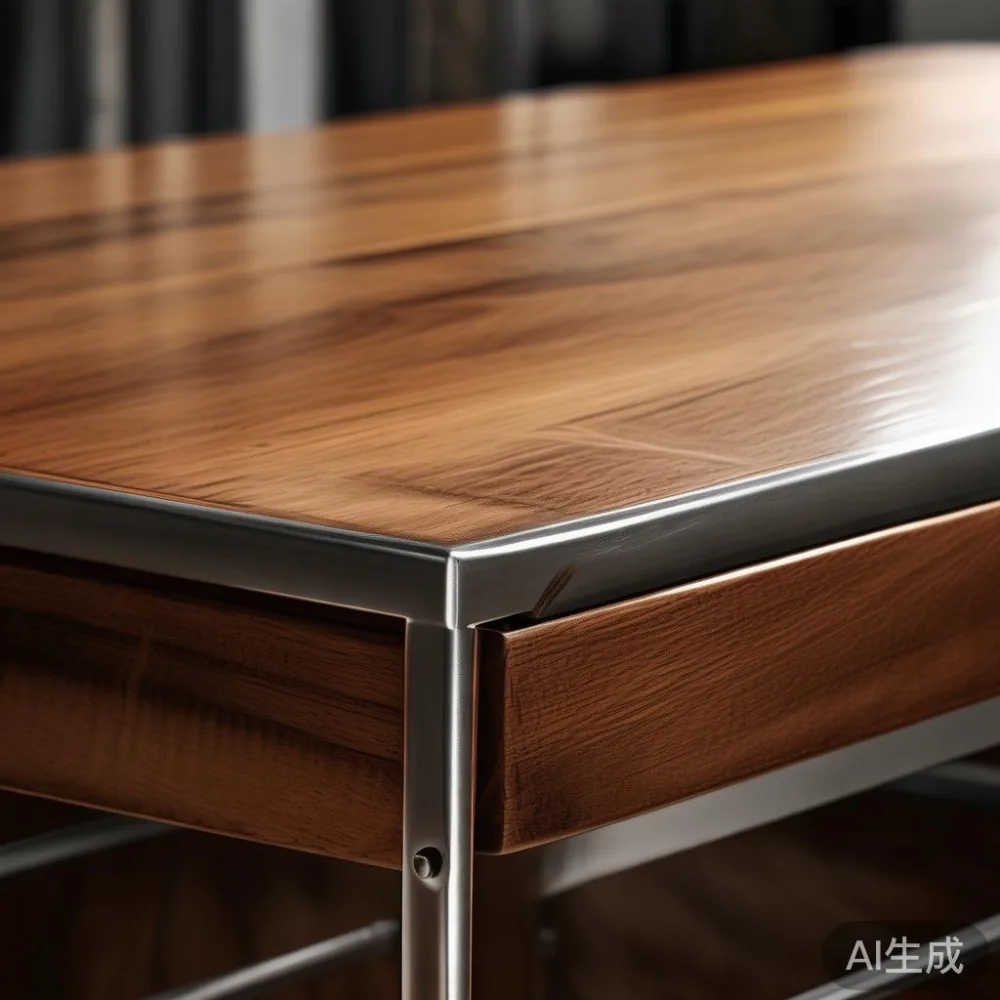
At MIDHILL, we make lacquered metal furniture alongside our solid wood range, including a solid wood sofa, bed frame, dining table, wardrobe, nightstand, and marble table. The metal collection is designed for practical urban interiors, but even a well-made finish needs sensible care. A 10-year structural warranty protects the frame; routine surface care remains the owner’s responsibility.
Why does lacquer need special care in Singapore?
Singapore’s climate brings persistent humidity, sudden rain, salt-rich coastal air, and several hours of direct sun each day. A high-gloss lacquer may remain structurally sound while its surface changes. UV exposure can pale the colour, trapped moisture can encourage mildew around joints, and a cloth used on a dusty corridor can grind fine particles into the coating.
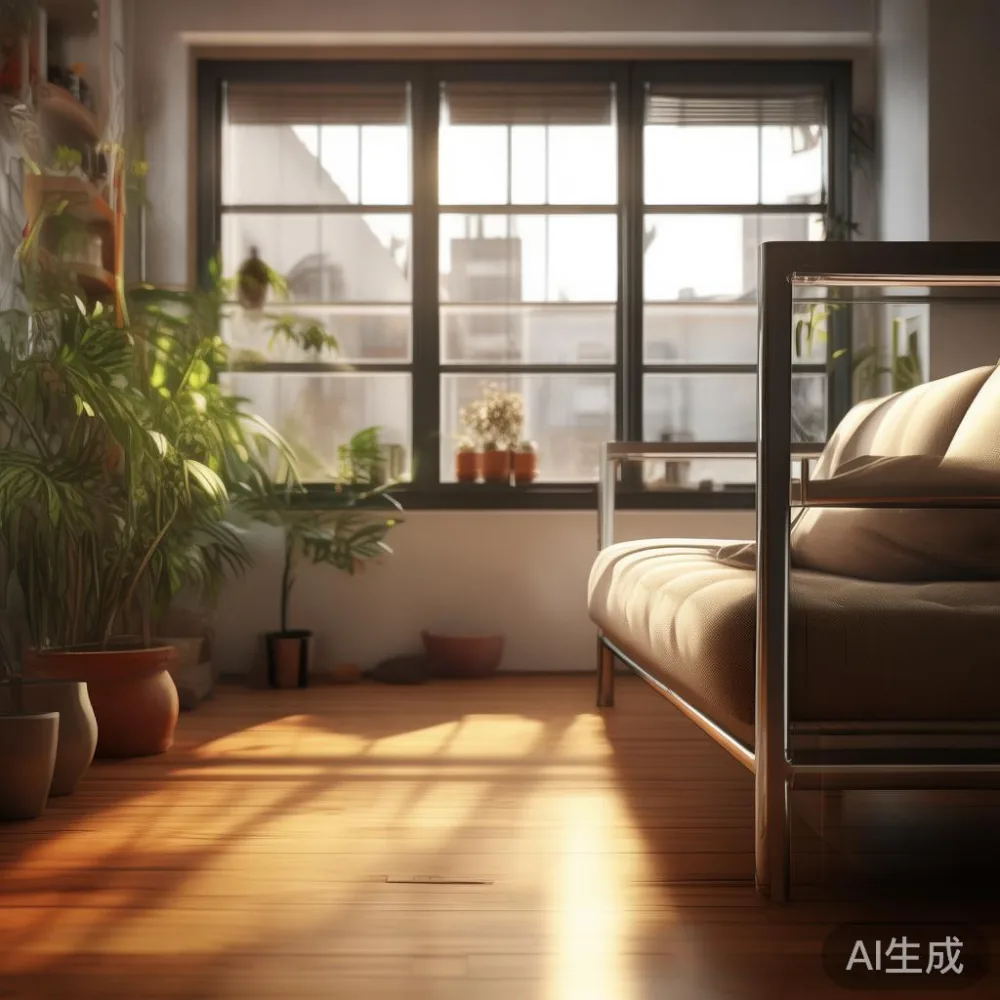
Lift and corridor dimensions also influence care. A slim metal dining table may pass through a 90 cm common corridor, while a 120 cm unit may require careful turning at corners. Before buying, measure the lift door, the flat entrance, and the route from the service lobby. A table that is 160 cm long may fit the lift length but still be difficult to angle around a 75 cm landing.
Use the local weather as a scheduling guide. Dust and wipe lacquered metal furniture every 7 days, perform a detailed clean every 30 days, and inspect for chips every 3 months. During monsoon periods, check under table tops and behind cabinets every 2 weeks because condensation can collect where airflow is limited.
What cleaning kit should Singapore households keep ready?
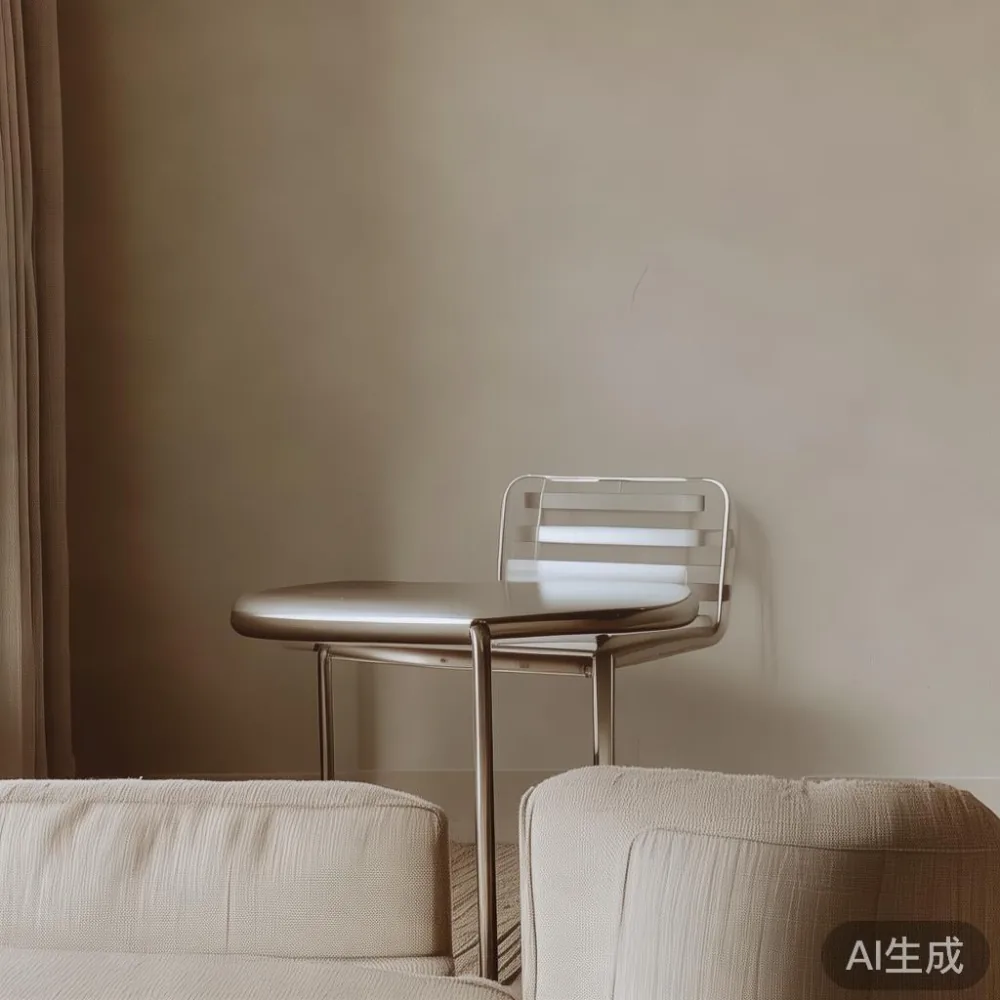
Prepare a compact kit with 2 microfibre cloths, 1 soft-bristled brush, 1 spray bottle, and 1 small bowl. Choose cloths with a GSM weight of at least 200 gsm: a light cloth can scratch lacquer when grit collects on the surface. Keep a clean section of cloth away from the floor, and do not use the same cloth on a shoe rack and a dining table.
For ordinary maintenance, diluted pH-neutral dish soap works well. Mix 5 ml of detergent with 500 ml of lukewarm water, dampen the cloth rather than the furniture, and wipe in sections of about 30 cm. The cloth should feel damp, not wet. Wipe again with a second damp section to remove residue, then dry with a clean cloth.
For marks, use 70% isopropyl alcohol on a soft cloth only after a patch test. Apply less than 5 ml to a 10 cm × 10 cm hidden area and wait 15 minutes. Lacquer chemistry varies, so compatibility matters. Skip alcohol if the finish crazes, softens, or loses gloss in the test area. On metal furniture with plated hardware, alcohol can also affect the plating, so clean those areas with soapy water instead.
Avoid bleach, ammonia, vinegar, abrasive pads, steel wool, and “restore” polish containing solvents. Although vinegar may remove a small stain, its acidity can dull the coating over 10 or more wipe cycles. Test every unfamiliar product for 24 hours, especially on dark, gloss, or textured lacquer.
How should I clean a lacquered metal table in a humid HDB flat?
Begin by removing coasters, paper, and food residue. A lacquered metal dining table should be protected from hot vessels and standing water. Use a trivet with at least 2 cm clearance from the heat source, and replace a paper placemat if it has become damp. This protects the finish in a humid kitchen or dining area where surfaces are exposed to spills.
Move the table only if it is safe to do so. For a 65 kg table, get 2 people and lift from the frame rather than drag it by the top. Dragging can scratch the floor and stress the joints. If the table has metal furniture legs fitted with levelling pads, check them every 6 months and tighten only when needed.
For daily care, wipe the top with a damp cloth and dry around the edge within 5 minutes. For a monthly clean, wash the entire surface as described above. Pay attention to a 2 cm band along seams, where dirt and moisture can settle. If the finish has a matte texture, use light circular movements; on gloss lacquer, use straight, even strokes to reduce visible swirl marks.
My colleague and I tested a lacquered console last month in a Tampines home with east-facing windows. We left 3 water rings on one section for 20 minutes, then removed them with a pH-neutral cloth and 5 ml of mild detergent. The marks came away after 2 passes, without a gloss change. We did not repeat the test on a 70-year-old lacquer because the ageing chemistry was unknown, which reinforced the value of patch testing.
How do I remove scratches without damaging the lacquer?
Start with the mildest method. Fresh water marks and fingerprints often disappear after a clean wipe, while deeper scratches need mechanical or product treatment. Identify the damage before touching it: superficial marks usually catch a fingernail lightly, whereas a deep scratch exposes metal or creates a visible groove.
For a light scuff, place a clean microfibre cloth over the mark and warm it gently with a hairdryer held at least 30 cm away for 20 seconds. The mild warmth can soften some fresh lacquer marks. Keep the dryer moving and never exceed 40°C. A low setting is the sensible limit for coated furniture near Singapore’s 32–34°C outdoor temperatures.
For minor scratches, use a lacquer-compatible touch-up pen available in the same colour. Test it on the hidden underside and wait 24 hours. Apply 1 thin coat rather than 3 thick ones, then allow 4 hours before handling. Deep gouges, lifted edges, or exposed metal may require a refinishing professional rather than household paint.
Prevention is more dependable than correction. Place a felt pad under every decorative object, use stable coasters, and keep metal furniture at least 20 cm from an open window where sea spray may enter. Inspect after a storm and wipe any salt film within 24 hours.
Can sunlight fade a lacquered finish?
Yes. Repeated UV exposure can fade pigment and create uneven gloss, particularly with blue, charcoal, and warm beige finishes. A west-facing Bedok condo may receive 3 hours of afternoon sun, while a Punggol balcony with afternoon glare can be more intense. Rotate movable pieces every 2 weeks to distribute exposure, but do not rotate a heavy 80 kg cabinet without checking the floor and lifting method.
Apply a UV-filtering furniture polish only if the lacquer manufacturer confirms compatibility. Use roughly 8 ml on a 60 cm × 60 cm area, buff with a clean cloth, and test first. If the product leaves a greasy film, skip it. Such residue can attract dust and become harder to remove after several weeks.
Window films with a UV rejection factor of 50 or higher can help. Keep them at least 5 cm from the glass if the manufacturer’s instructions require an air gap. Curtains made of polyester or linen diffuse light and reduce glare without darkening the room as heavily as blackout material. In a compact HDB flat, a light-filter curtain can also soften the visual impact of a large dining table without reducing circulation space.
How often should lacquered metal furniture be maintained?
Create a 3-tier routine: daily, monthly, and seasonal. Wipe high-touch areas daily and vacuum beneath tables with a soft brush attachment every 7 days. Deep-clean the surface every 30 days. During the 3 wettest months, inspect seams, feet, and undersides every 2 weeks.
Use a moisture meter if condensation is a concern. Readings above 60% around a cabinet indicate the need for better airflow or dehumidification. A dehumidifier set to 50–55% can be more useful than repeatedly wiping a surface that remains damp. Leave a 5 cm gap behind a wardrobe where possible, and avoid pushing lacquered metal furniture directly against a cold wall.
For delivery planning in Singapore, allow 7–14 delivery days for standard orders, subject to stock and final specifications. A lift surcharge or extra handling may apply when the access route is restricted. Keep packaging for at least 12 months; the foam and corner protectors help prevent damage during future moves. If a piece arrives with a defect, photograph it within 48 hours and contact the supplier promptly.
Budget around SGD 18 for a basic cleaning kit, SGD 12 for replacement felt pads, and SGD 25–SGD 45 for a good quality touch-up pen, depending on colour and brand. These small items can protect an investment far above SGD 1,000. MIDHILL offers free shipping for orders over US$350, and 14-day returns are available under the stated policy.
How do I keep lacquered metal furniture looking elegant in a small apartment?
Light luxury works best when proportion, texture, and maintenance are handled together. French light luxury often uses pale woods, restrained profiles, and clean metal details. American light luxury tends toward generous seating and comfort, while post-modern light luxury can pair lacquered metal furniture with sculptural forms and subtle contrast.
For a dining zone in a 3-room HDB flat, leave at least 75 cm between the table edge and the wall for chairs, plus 90 cm of circulation space behind seated diners. A 120 cm × 70 cm dining table may suit a compact bay; check that the route from the lift lobby to the dining area has at least 80 cm of turning clearance. Avoid squeezing a table beside a corridor simply to gain 10 cm of room.
For ideas on Modern light luxury for dining room layouts, a pale lacquered dining table can sit beside a solid wood dining table without making the space feel heavy. Choose coordinated finishes rather than matching every item exactly. A marble table may add a cool, reflective texture, but place it away from direct rain and use a stable mat beneath tableware.
The terms can help when comparing references. A search for American sofa vs Italian light luxury sofa is useful for judging seat proportions, not for assuming that one country determines durability. A guide to under 2000 French furniture can clarify design cues, though the stated currency should be checked because SGD 2,000 is not equivalent to US$2,000. If you are learning how to style American wardrobe in apartment interiors, focus on wall clearance, door swing, and accessible storage rather than visual labels alone.
For broader planning, look at luxury European light luxury furniture through the lens of material care: a beautiful finish still needs a realistic routine. In a bright Punggol unit, combine lacquered metal furniture with a solid wood bed frame and a solid wood sofa. A compact nightstand keeps bedside items off the floor, while a wardrobe with a 5 cm ventilation gap can reduce trapped humidity.
What should I do if the lacquer starts peeling or bubbling?
Stop applying cleaners. Peeling, blistering, or a soft patch may indicate moisture trapped below the coating, a chemical incompatibility, or a manufacturing defect. Photograph the affected 20 cm area in daylight, record when the problem began, and check whether nearby appliances or air-conditioning units are causing dampness. Do not use a heat gun; temperatures above 50°C can worsen the damage.
For structural concerns, such as a loose joint or bent metal furniture leg, stop using the piece and contact the maker. A 10-year structural warranty at MIDHILL addresses qualifying structural issues under its terms, while surface lacquer wear is treated separately. Keep the purchase invoice, product photograph, and care record because they help the supplier assess the finish and determine the appropriate remedy.
Small scratches can often be managed with a compatible touch-up product. Larger areas of failed lacquer may need professional refinishing, especially where a high-gloss colour match is expected. The owner can contact MIDHILL about refinishing options and the lifetime refinishing service applicable to qualifying products.
What is the quickest way to build a reliable care routine?
Set a 10-minute cleaning session every Sunday. Dust first with a dry microfibre cloth, then wipe with 5 ml of mild detergent diluted in 500 ml of water. Keep one part of the cloth dry for the final pass. Check the nearest window, table edge, and leg base for damp patches, and wipe spills within 10 minutes rather than allowing them to set overnight.
Store cloths separately from kitchen cloths, and launder them without fabric softener. Softener can leave a film that encourages dust to cling. Replace cloths every 60 wash cycles or as soon as they feel rough. For coated metal furniture in a lift corridor, remember that grit from shoes and trolley wheels is a common source of scratches; sweep the route and protect the legs during delivery.
Good care is less about a complicated collection of products and more about consistency. Use gentle cleaning, control moisture, limit UV exposure, and respond early to a mark. With that discipline, lacquered metal furniture can retain its colour and sheen while fitting comfortably into the warm, bright rhythm of Singapore homes.