The Anatomy of Price: What Makes Solid Wood Furniture Worth the Investment
When furnishing a Singaporean home, especially in compact HDB flats or condos across Tampines, Bedok, and Punggol, the choice of furniture is a balance of aesthetics, function, and longevity. Solid wood furniture is often seen as the pinnacle of this choice, but its price tag can vary dramatically. A simple nightstand might cost a few hundred Singapore dollars, while a solid wood dining table or bed frame can run into thousands. What accounts for this difference? It's not just about the material; it's a complex interplay of factors that determine the final cost. Let's break down the elements that truly drive the price of solid wood furniture, moving beyond surface-level assumptions to understand the value you're paying for.
The Raw Material: It's All in the Wood
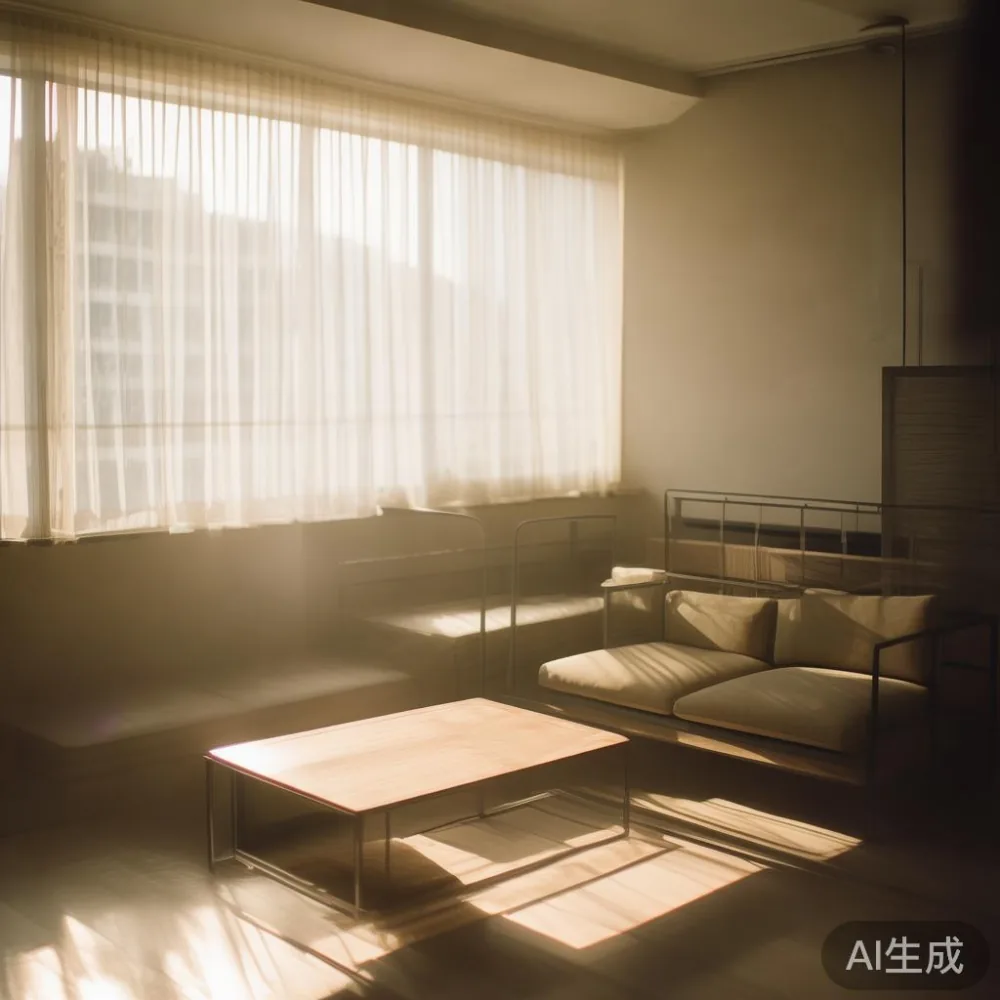
The single most significant factor in the price of any solid wood piece is, naturally, the wood itself. Not all wood is created equal, and its characteristics directly influence cost. The price is determined by the tree's scarcity, the geographical region it's sourced from, and the physical properties of the timber. For instance, teak, a highly durable and weather-resistant wood, can cost between SGD 80 to SGD 150 per board foot in Singapore, making it a premium material for outdoor or high-use items like a dining table. In contrast, oak, known for its strength and classic grain, typically ranges from SGD 50 to SGD 100 per board foot. Cheaper options like rubberwood, while still solid, fall into the SGD 20 to SGD 40 per board foot range. The thickness of the wood also matters; a 3cm thick solid wood bed frame will use more material and cost more than a 2cm one. The origin story of the wood, whether it's sustainably harvested from North American forests or responsibly managed plantations in Southeast Asia, also adds to the narrative and, consequently, the price.
From Workshop to Home: The True Cost of Labour and Craftsmanship
Wood is just a raw material until it's shaped into a functional and beautiful piece of furniture. This transformation is where labour and craftsmanship come into play, adding a substantial amount to the final price. A skilled carpenter in a workshop, earning an average of SGD 3,500 to SGD 4,500 per month, can take anywhere from 15 to 25 hours to handcraft a single solid wood dining table. This includes precise cutting, jointing, sanding, and assembly. For more complex items like a wardrobe with intricate dovetail joints or a marble-topped coffee table, the time investment can easily exceed 40 hours. This meticulous process ensures structural integrity and a flawless finish. Machines can cut and shape wood faster, but they lack the nuance to handle natural imperfections or ensure a perfect fit. The human touch, the attention to detail, and the time-honoured techniques are what distinguish a well-made piece of furniture from a mass-produced one, and this expertise is a key driver of the price.
Design and Complexity: Why Some Pieces Cost More Than Others
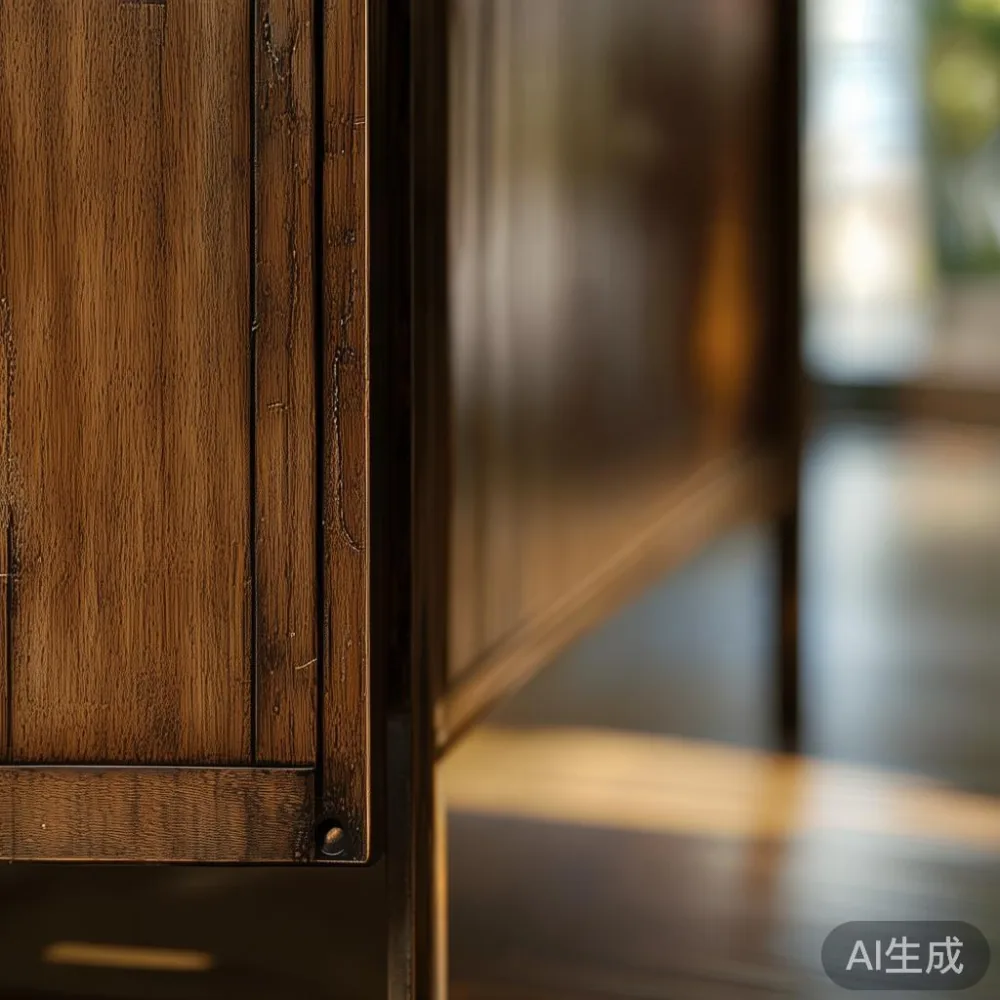
The design of a piece of furniture is a major price influencer. A simple, minimalist nightstand with straight lines and basic joinery will be significantly cheaper to produce than a post-modern light luxury bed frame with curved headboards, integrated LED lighting, and complex geometric shapes. The complexity of the design dictates the number of cuts, the type of joints required, and the manufacturing time. For example, constructing a solid wood sofa with a deep, ergonomic profile and a fully sprung base is far more involved than building a simple box-like structure. The inclusion of other materials also adds to the cost. A dining table with a genuine marble top involves sourcing the slab, which can weigh over 50 kg and cost several hundred dollars, and then carefully attaching it to the wooden base with specialised hardware. French light luxury designs, often characterised by ornate carvings and elegant proportions, demand a level of artistry that commands a premium price. The more thought and complexity involved in the design, the higher the final price tag.
How do I care for a coffee table in humid weather?
The direct answer is that you must protect the wood from absorbing excess moisture, which can cause swelling, warping, or mould growth, especially in Singapore's climate where humidity averages 80%.
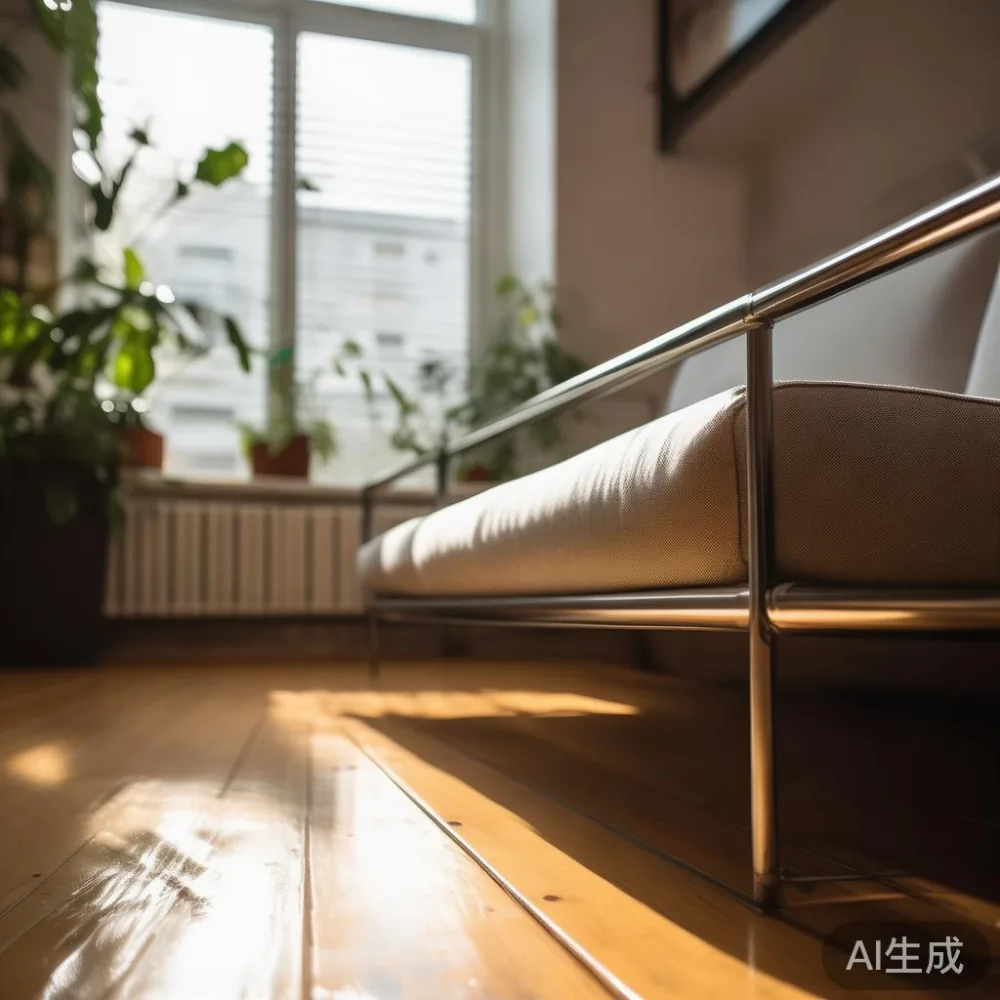
In Singapore's perpetually humid climate, caring for a solid wood coffee table requires a consistent routine. The high moisture content in the air can be detrimental to natural wood. To protect your piece, always use coasters under drinks to prevent water rings. Wipe up any spills immediately with a soft, dry cloth. For preventative care, apply a high-quality furniture wax or oil every 3-4 months. This creates a protective barrier that helps the wood breathe while repelling moisture. Avoid placing the coffee table in direct contact with air conditioning units, as the constant blast of cold, dry air can cause the wood to contract and crack. If you notice the wood feeling slightly damp, ensure the room is well-ventilated. For a marble-topped coffee table, use a pH-neutral cleaner specifically designed for stone to prevent etching from acidic substances commonly found in Singaporean households.
The Hidden Costs: Finishes, Hardware, and Brand Value
What you see on the surface is only part of the story. The finish on a piece of furniture is a critical component that affects its durability, appearance, and price. A simple, cheap lacquer finish might cost SGD 50 per litre to apply, but a premium, hand-rubbed oil finish that provides a deep, natural lustre and superior protection can cost upwards of SGD 200 per litre and requires significantly more labour. The hardware used, such as drawer slides, hinges, and handles, also plays a role. Soft-close drawer slides, for example, add a layer of convenience and longevity but can cost SGD 15 to SGD 25 per pair, compared to basic metal slides that cost a few dollars. Also, the brand's value proposition is a hidden cost. A company like MIDHILL, established in 2008 with a strong export record to 15+ countries, invests in quality control, sustainable sourcing, and customer service. This is reflected in their 10-year structural warranty and lifetime refinishing offer, which are built into the price to provide long-term peace of mind. These are not just costs; they are investments in quality assurance.
Logistics and Local Considerations: Getting Furniture into Your Singapore Home
The final piece of the price puzzle is logistics. Getting a large, heavy piece of furniture from a workshop to your HDB flat or condo involves several steps and associated costs. A solid wood dining table can weigh between 40 kg and 70 kg. Shipping this item internationally or locally requires specialised handling, adding to the cost. In Singapore, there are specific physical constraints to consider. The standard corridor width in an HDB flat is about 1.2 metres, and the lift must be able to accommodate the piece. A bulky wardrobe might need to be disassembled for delivery and then reassembled in your home, which adds labour time. This is why many reputable sellers, including those offering metal furniture as complementary pieces, often provide free shipping for orders over SGD 350. This fee covers the cost of transport, packaging materials, and delivery personnel. For items that require installation, the cost of sending a skilled technician to your Tampines or Bedok residence is also factored in. The GST, currently at 9%, is applied to the final price, adding a final layer to the total cost.
Understanding the Investment: A Real-World Perspective
To put all these factors into perspective, let's consider a personal experience. Last month, my colleague was looking to furnish her new Punggol condo. She was deciding between a mass-produced solid wood bed frame for SGD 1,200 and a handcrafted one from a specialist maker for SGD 2,800. She was hesitant about the price difference until she examined the pieces closely. The cheaper frame had visible machine marks, thin veneers on the edges, and basic plastic drawer slides. The more expensive piece, however, was made from quarter-sawn oak, featured dovetail joints on the drawers, and had soft-close hardware. The maker explained the 25-hour crafting process and the 10-year warranty. My colleague realised the higher price wasn't just for the wood; it was for the craftsmanship, durability, and long-term value. She understood that the SGD 1,600 difference was an investment in a piece that would last for decades and could even be refinished, unlike the cheaper alternative that might show significant wear in just a few years. This is the reality of furniture pricing: you are paying for quality that will endure.
Is Metal Furniture a More Affordable Alternative?
While this article focuses on solid wood, note that metal furniture often presents a more budget-friendly option. Metal furniture can be produced with greater speed and consistency, using automated processes that reduce labour costs. The raw material, steel or aluminium, is generally less expensive than high-grade hardwoods. A metal-framed sofa or a minimalist metal nightstand can be manufactured for a fraction of the cost of its solid wood counterpart. However, metal furniture lacks the warmth, natural grain, and tactile appeal of wood. It can also feel colder and less substantial. For some, especially in smaller Singaporean apartments, the sleek, clean lines of metal furniture are a perfect fit for a modern, light luxury aesthetic. The choice between wood and metal often comes down to a preference for natural materials versus industrial design, with wood commanding a higher price due to its inherent qualities and the craftsmanship required to work with it.