In real rooms
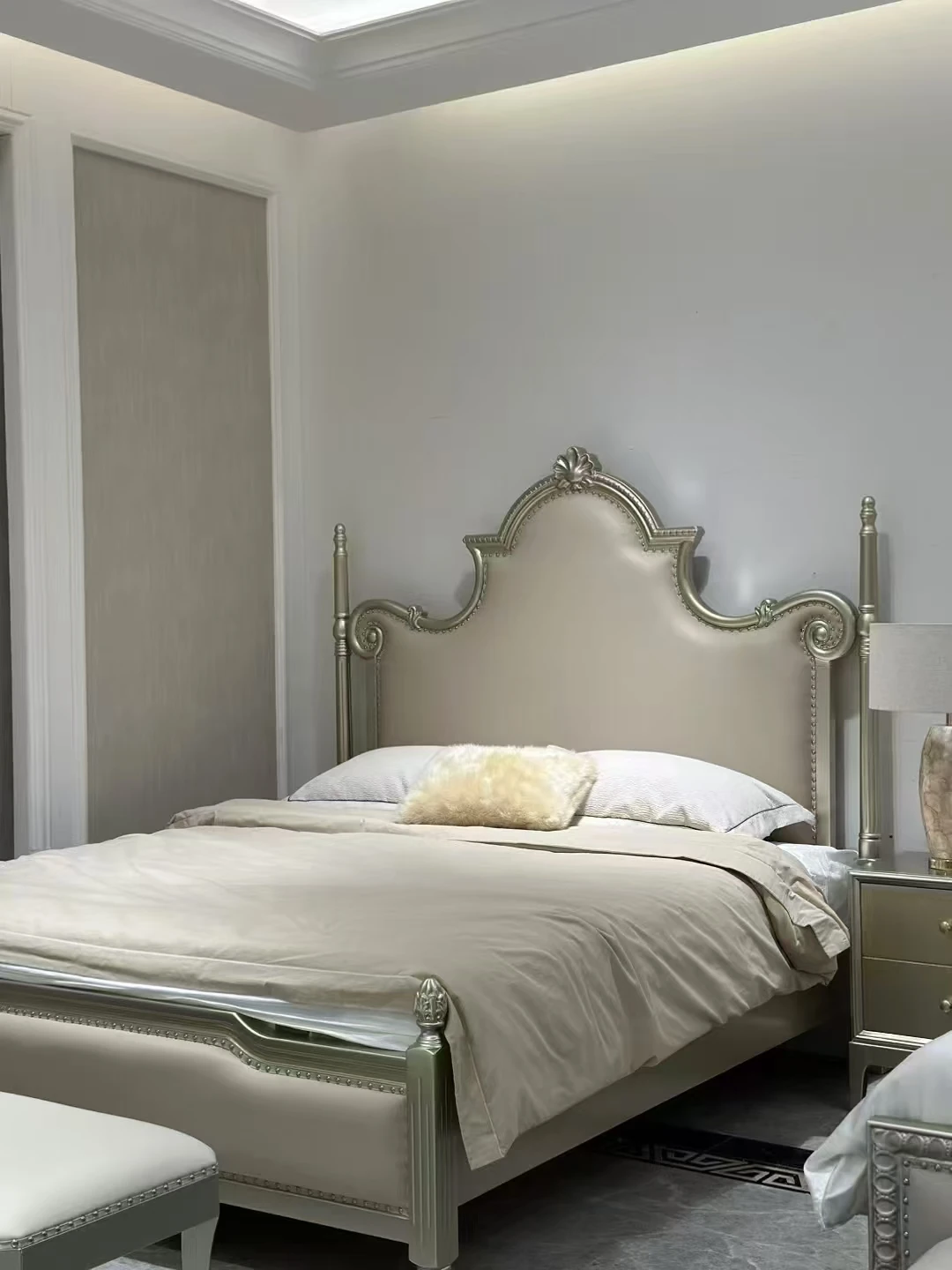
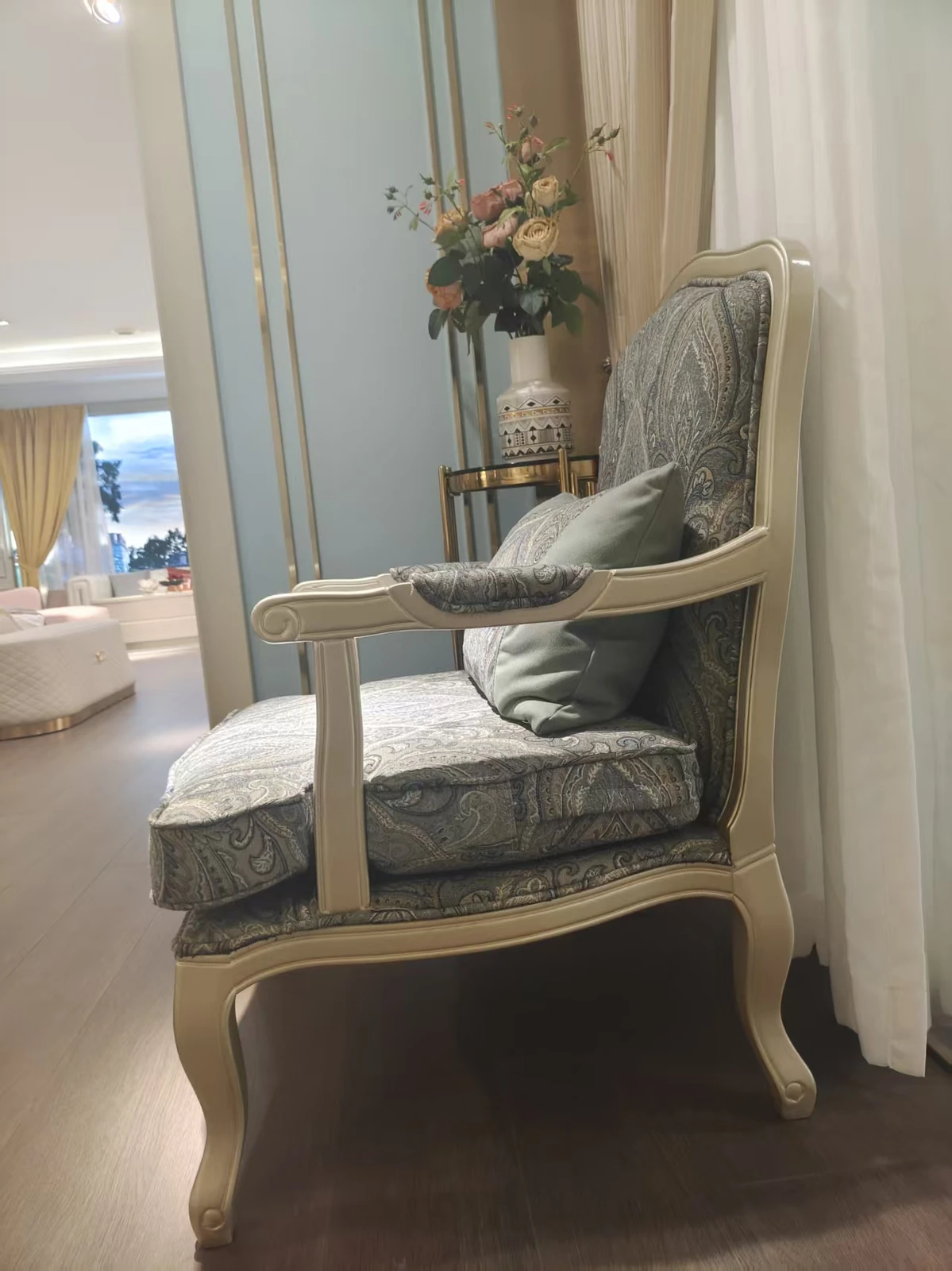
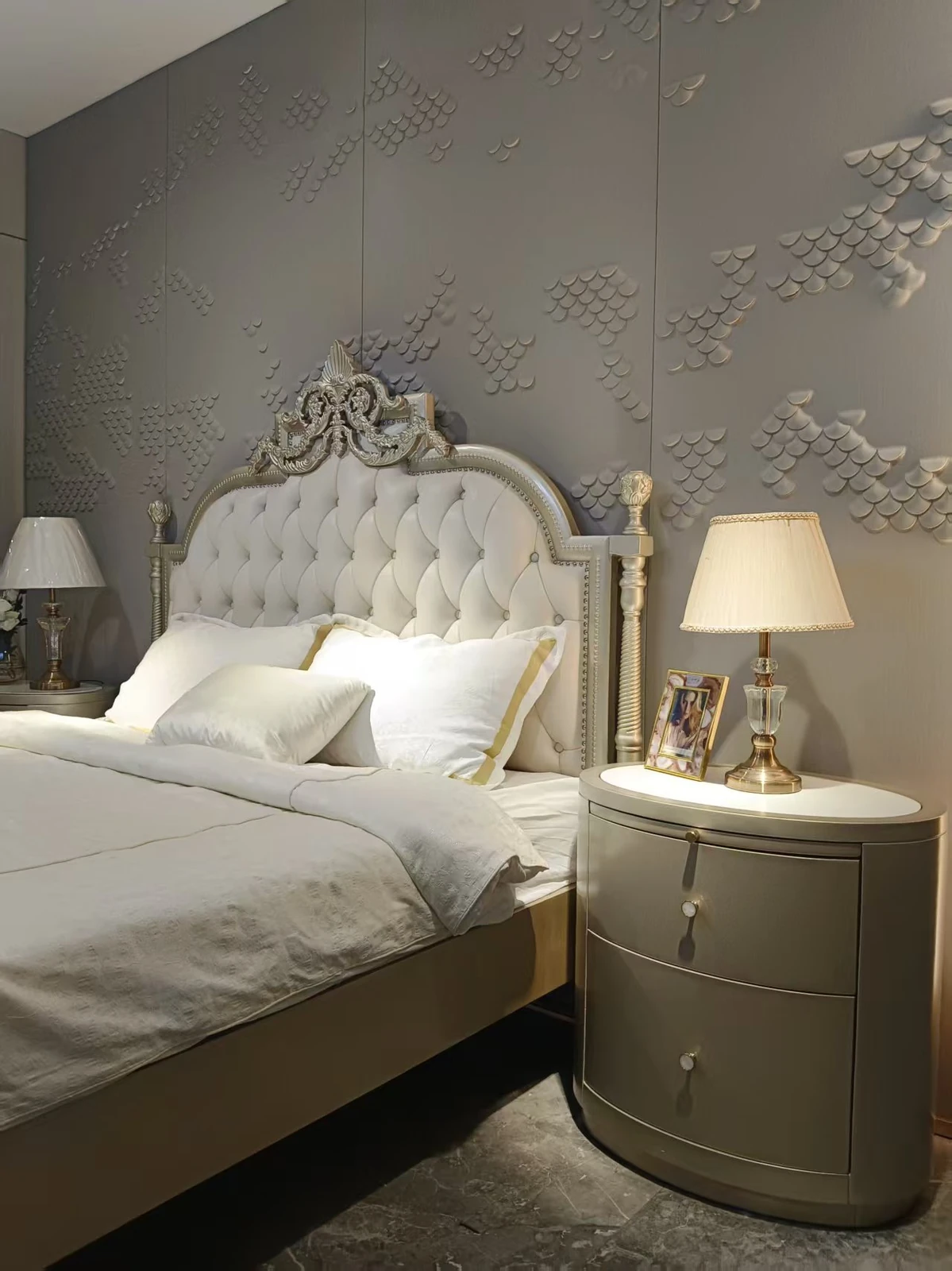
Whether you're outfitting a minimalist HDB living room or a boutique café in the CBD, our curated guides walk you through everything—from selecting rust-proof finishes to pairing industrial steel with warm Singaporean interiors. Discover how metal furniture can transform your home with durability and understated elegance.
Practical insights for Singapore homes—from first-time buyers to interior redesigners
Before buying metal furniture, measure your space with a tape measure — note the exact width, depth, and height the piece must fit within, leaving at least 60 cm of walking clearance around it. Check doorways, stairwells, and elevator dimensions if you live in a high-rise; delivery access is often the real constraint. Compare frame thickness and weld quality — thicker powder-coated steel resists rust far better in humid tropical climates like Singapore, Kuala Lumpur, or Bangkok. Ask the retailer about the coating standard (industrial-grade electrostatic powder coating is preferable), whether legs have adjustable feet for uneven floors, and if replacement parts are available. Measure your floor type too; metal legs can scratch timber or tile without protective caps.
Good metal furniture starts with material — look for at least 14–16 gauge steel, or preferably stainless steel in humid coastal cities. Thicker gauge resists denting and flexing. Check welds at every joint: they should be smooth, consistent, and fully fused, not sparse or spattered. Joints must feel rigid — any wobble signals weak construction. Quality powder coating should be even and thick; flaking or thin patches invite rust, especially in Singapore's humidity or near the sea. Avoid pieces made from hollow, lightweight tubing that bends under normal use. Signs to walk away from include visible rust at welded seams, chips in the finish, and squeaky or loose connections. Solid metal furniture feels substantial and is built to survive daily use for years, not months.
Home metal furniture in Singapore and Malaysia must withstand relentless humidity without rusting—powder-coated or stainless steel is non-negotiable. Thailand shares this climate but adds dust and occasional flooding, so elevated legs and wipe-clean surfaces matter more. Japan and Korea bring winter dryness alongside humid summers; multi-season metal pieces that do not condense moisture or crack from temperature swings suit these markets best. In all five countries, compact urban living drives demand for lightweight, stackable, and multi-functional metal tables and shelving. Corrosion resistance, low maintenance, and space efficiency are the shared priorities—each market simply weights them differently depending on local weather, housing size, and flood risk.
The most common questions centres on durability in humid tropical climates, especially whether the metal will rust quickly. Buyers want to know if the finish is powder-coated or galvanized, and whether the frame is made from mild steel, stainless steel, or aluminium. Assembly difficulty ranks high, with customers asking if tools are included or if professional help is needed. Weight capacity is another frequent concern—especially for shelving and tables meant to hold heavy items. Buyers also ask whether the pieces can handle outdoor use, how to clean and maintain them, and what warranties come with the purchase. These practical questions reflect a desire for honest, straightforward answers before committing to a purchase.
Answers to what Singapore buyers ask most
Want the longer version? Browse all buying guides for this category.