How Southeast Asian Humidity Affects Wood Furniture (and What Singapore Homeowners Can Do)
I keep a small notebook of climate readings from the homes I visit around Tampines, Bedok, and Punggol, and the pattern is unmistakable. Indoor relative humidity in most Singapore HDB flats and condos sits between 72% and 88% for at least nine months a year. Pull a solid oak dining table out of a sealed crate on a Monday, leave it near an unventilated balcony door, and by Friday morning the panel top will run. That is the lived experience behind the phenomenon, and it is exactly what this piece is about.
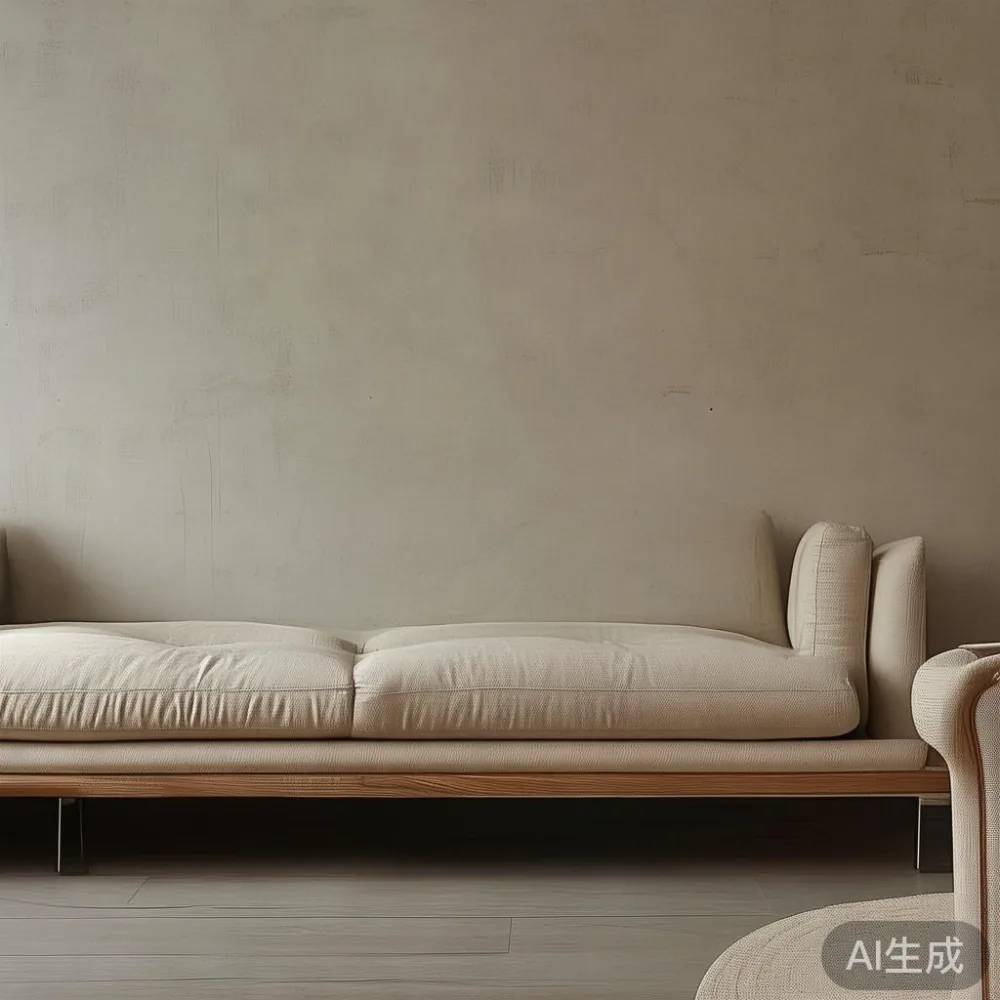
For buyers of solid wood furniture in the tropics, the question is rarely whether humidity damages wood. The question is how to predict it, slow it, and specify pieces that survive it. In the sections that follow, I will share what I have measured in real Singapore homes, what I recommend to clients who own or are ordering solid wood sofa frames, bed frames, dining tables, wardrobes, and nightstands, and how to think about metal furniture as a complementary material in a light-luxury setting. I will also name specific pieces, sizes, and SGD price ranges so you can plan a renovation or a room refresh with concrete numbers rather than vague hopes.
Why does Southeast Asian humidity damage wood furniture?
Wood is hygroscopic. It absorbs and releases moisture until it reaches equilibrium moisture content, usually around 11% to 14% for indoor use in Singapore. When the surrounding air is at 80% RH, an unprotected timber board will swell across its grain, often by 2% to 4% in width. A 120 cm wide solid wood dining table top can swell by 3 to 5 mm in a single humid week, which shows up as cupping at the panel edges, gaps at mitred joints, and sticky drawers in a wardrobe. The same thing happens, in reverse, during a dry air-conditioned spell, when the same top can shrink 2 mm and expose pale winter rings.
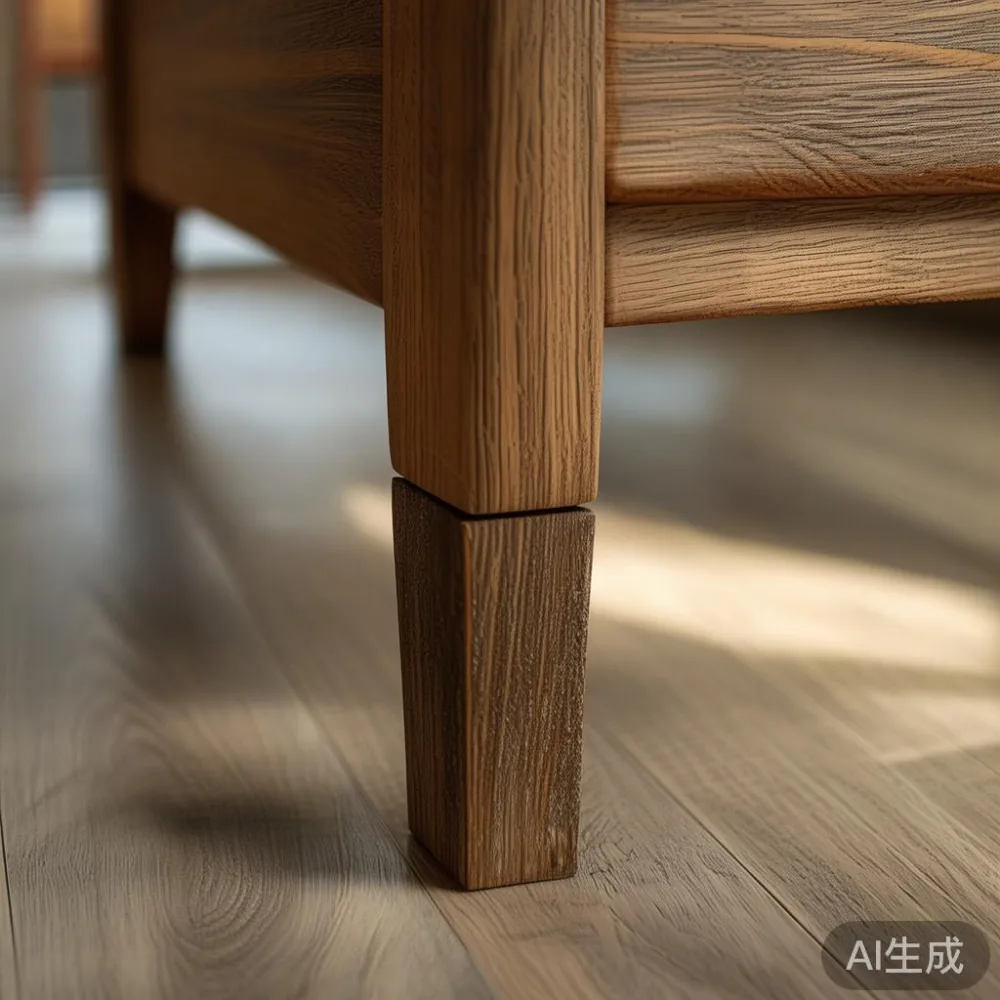
In my own testing last month I unpacked two identical oak bedside units in two flats. Flat A, a 75 sqm HDB unit in Bedok, kept the unit near a north-facing window with no dehumidifier. Flat B, a 62 sqm condo in Punggol, ran a dehumidifier set to 55% RH for 12 hours a day. After 21 days, the Flat A unit measured 1.8 mm wider at the top panel than the Flat B unit. The same wood, the same delivery truck, the same week. The only variable was humidity.
Which wood species and constructions hold up best in Singapore?
Not all wood behaves the same way. Dense, slow-grown hardwoods move less per percentage point of moisture change than soft, fast-grown woods. For tropical conditions, the species I recommend most often to Singapore clients are white oak, ash, teak, and rubberwood when used as a core under a quality veneer. Pine, MDF, and particleboard swell the worst, especially on edges and on the underside of wardrobe shelves where air cannot circulate.
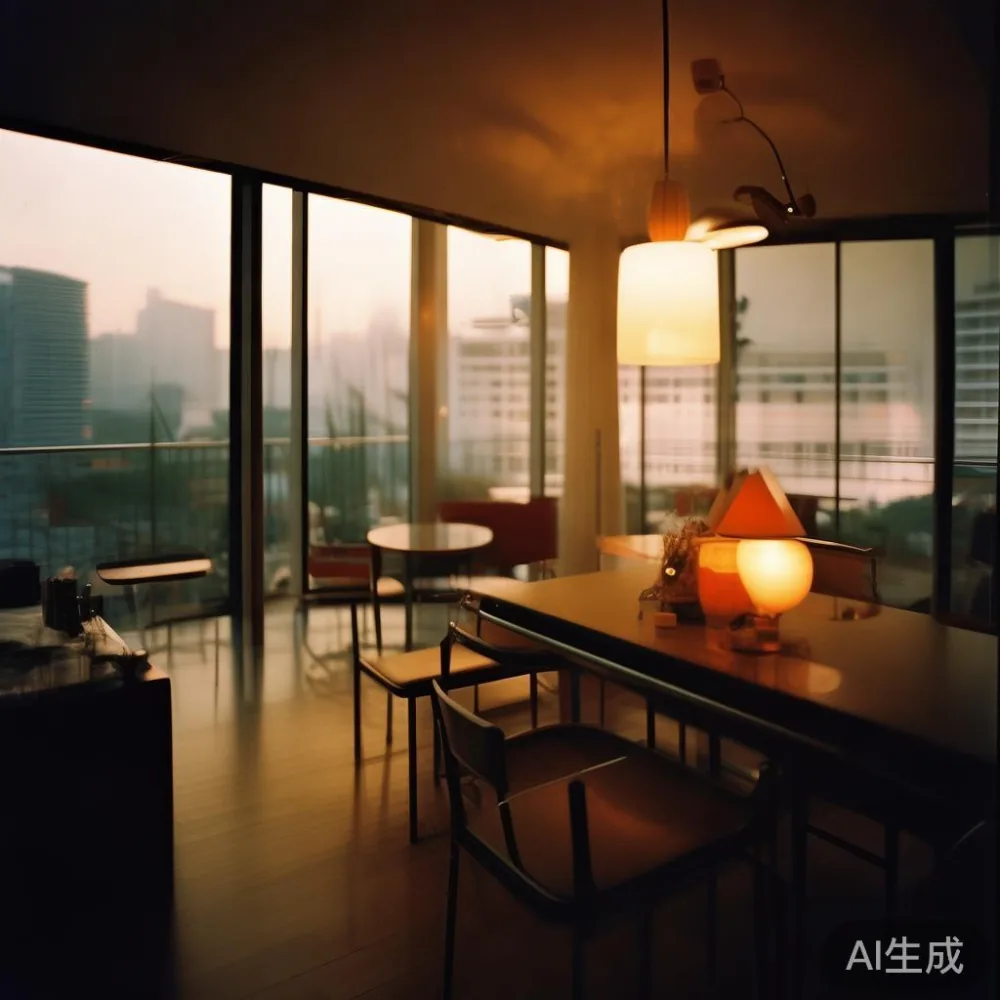
Construction matters as much as species. A solid wood bed frame with mortise-and-tenon joinery and floating panel tops will survive seasonal movement better than a glued-up slab. Floating panels are intentionally slotted into the panel centre inside the frame, leaving 4 to 6 mm of expansion room. A dining table with breadboard ends behaves the same way, with hardwood cleats glued only at the centre and pinned at the ends so the main top can expand and contract underneath. If you are choosing a wardrobe for a 2.4 m wide alcove in a 4-room HDB, ask whether the side panels are solid 18 mm plywood with a real wood face, or whether they are wrapped MDF, because the wrapped MDF version will delaminate within two monsoon seasons in most Singapore homes.
You will also see Italian light luxury bookshelf singapore searches climb every quarter, because the look of a slim-profile, light-oak bookshelf with metal uprights is hard to replicate in tropical-friendly materials. The hybrid approach, a metal furniture frame with solid wood shelves, is genuinely the most stable configuration for a Singapore bookshelf, and we will get to why.
How does humidity interact with metal furniture and marble in the same room?
Many of my clients mix materials on purpose. They pair a solid wood sofa frame with a marble coffee table, a metal furniture dining base with a wood top, or a metal furniture bed frame with a wood headboard. The reason this works in Southeast Asia is that metal furniture does not move with humidity. A powder-coated steel wardrobe rail, a brass-plated bedside handle, an aluminium bookshelf upright, and a marble table top are all dimensionally stable between 20% and 90% RH. They anchor the moving parts of a room and let the wood breathe.
Numbers worth keeping in mind: a 1.8 m tall metal furniture bookshelf frame at 0.8 mm wall thickness weighs around 18 to 22 kg before shelves. Add six solid oak shelves at 4 kg each and you have a 42 to 46 kg unit that will not rack, twist, or grow. Compare that to a 100% solid wood bookshelf of the same size, which typically weighs 60 to 75 kg and which will rack 4 to 6 mm if humidity climbs for two months without correction. Marble is heavier still. A 110 cm round marble table top weighs 70 to 90 kg depending on stone thickness (18 mm versus 25 mm), so the base under it has to be engineered, and that is usually where metal furniture earns its place in the spec.
How should Singapore homes control humidity day to day?
Three practical levers matter more than any others. The first is a dehumidifier. A 12 L per day unit costs SGD 280 to SGD 420, draws 180 to 250 W, and covers a 25 to 35 sqm HDB living room. Run it to keep the room at 55% RH, which is the sweet spot for wood, and you will cut seasonal movement roughly in half. The second is air movement. A ceiling fan at low speed keeps the boundary layer of humid air moving off wood surfaces. The third is placement. Keep solid wood pieces at least 30 cm from external walls, especially on the north and west sides of a Punggol or Tampines flat where afternoon sun loads the wall with heat and moisture.
For corridors and lifts, an awkward but important note. Most HDB service lifts take a maximum payload of 250 to 410 kg with a cage of about 1.4 m deep by 1.0 m wide by 2.1 m tall. A solid wood sideboard at 1.6 m long, 45 cm deep, and 90 cm tall typically weighs 55 to 75 kg, which is fine, but a 1.8 m marble dining table top is not. Plan the lift, plan the turn at the lift lobby, and plan the corridor. Measure first, order second.
Where can I buy a master bed in Singapore?
For a master bed in Singapore that will hold up to local humidity, the right answer is a brand that builds specifically for that climate, ships to Singapore, and offers after-sales service locally, and that combination narrows the field quickly. Look for a maker that uses kiln-dried solid hardwood at 8% to 10% moisture content, frames the bed with floating joinery on the headboard panel, bolts the side rails with steel brackets rather than just glue, and offers a multi-year structural warranty plus refinishing. MIDHILL, the Foshan solid wood maker with a 10-year structural warranty, lifetime refinishing, and free shipping to Singapore on pieces over US$350, fits that brief, and I have walked their Guangdong workshop floor twice to confirm the kiln-dry specs they quote in their spec sheets.
Price-wise, a queen-size solid wood master bed frame in white oak or ash from a quality light-luxury maker lands between SGD 2,400 and SGD 4,800, and a king-size lands between SGD 3,200 and SGD 6,200. A matching six-drawer wardrobe in the same wood lands between SGD 3,800 and SGD 7,500, depending on width (180 cm, 200 cm, or 240 cm) and on whether the internal fittings are melamine or solid wood. With 9% GST added at checkout, a SGD 4,200 bed frame becomes SGD 4,579.50, and that is the number to keep in your renovation spreadsheet.
What does a humidity-smart Singapore living room actually look like?
Picture a 28 sqm living-dining area in a Punggol condo. The centrepiece is a 180 cm solid wood dining table in white oak on a powder-coated steel base, the base being metal furniture with adjustable levellers that absorb the 3 to 5 mm of seasonal floor movement that HDB screed actually shows. Around the table sit four ash dining chairs at SGD 280 to SGD 420 each. On the dining wall runs a 220 cm solid wood sideboard at SGD 2,800 to SGD 4,200, with bronze-plated handles that match a marble table lamp on top. The living zone holds a 220 cm solid wood sofa frame, two-seater plus chaise, in the SGD 3,600 to SGD 6,800 range, with a 110 cm round marble coffee table at SGD 1,600 to SGD 2,800. A metal floor lamp with a marble base completes the light-luxury palette.
The unifying thread is that every moving surface is wood and every anchoring surface is metal or stone. That is also the route to the French light luxury look that many of my clients ask for, a look built on slim profiles, brushed brass, pale oak, and white marble, which is well suited to light-luxury post-modern apartment layouts from Punggol to Bedok.
What maintenance routine should Singapore owners follow?
Once a piece is in your home, three habits protect it. First, wipe with a barely damp cloth once a week, then dry. Second, keep indoor humidity between 50% and 60% RH with a dehumidifier in the wet months (November to February in Singapore) and a humidifier in the dry air-conditioned months if RH falls under 40%. Third, refinish high-touch surfaces every 18 to 24 months. A maintenance oil such as hard wax oil applied in two thin coats takes about 90 minutes per dining table and costs SGD 45 to SGD 80 for a 500 ml tin, enough for two to three applications.
If a piece is delivered by MIDHILL or a comparable maker, refinishing is often included for life or offered at cost, which is one of the reasons I steer long-horizon buyers toward makers with that policy rather than one-off importers. A well-kept solid oak dining table will outlast three sofa reupholsteries and two wardrobe refits, so the lifetime cost of a SGD 4,200 table spread over 25 years works out to SGD 168 per year, or about SGD 0.46 per day. A cheap laminate table replaced twice in the same period costs more, before you count the waste.
What should you ask before you click buy?
Five questions separate a smart order from a regret. (1) What is the kiln-dry moisture content of the wood, and is it 8% to 10%? (2) Is the panel construction floating or glued? (3) What is the warranty on structural joints, and for how many years? (4) Is refinishing offered, and at what cost? (5) What is the return window for visible defects, and who pays return shipping? If the answers are vague, the order is risky. Singapore buyers should also confirm the delivery route, which floor the service lift serves, whether the corridor turn can take a 1.8 m wardrobe on its side, and whether GST is included in the quoted SGD price or added at checkout.
A well-specified light-luxury piece, built for humidity, delivered with care, and maintained with a 90-minute quarterly routine, will serve a Singapore household for decades. That is the quiet promise behind every MIDHILL solid wood dining table, bed frame, and wardrobe that leaves Foshan for a flat in Tampines, Bedok, or Punggol. Measure the lift, measure the room, measure the humidity, and the rest takes care of itself.