Caring for a Lacquered Surface in a Tropical Climate
I learned this lesson the hard way last month when I visited a friend's new flat in Punggol. She had splashed out on a beautiful lacquered coffee table with a brushed brass frame — the kind of piece that anchors a light-luxury living room — and within three weeks of moving in, a faint cloudy ring had appeared under her air-con remote. Singapore does that. Ninety-plus percent humidity on most days, monsoon spikes in November and December, plus the specific way HDB airflow pushes warm, moist air back into corners during the night. If you own a lacquered surface in this climate, you are running a slow experiment in moisture physics. This guide is what I wish I had handed her before the move.
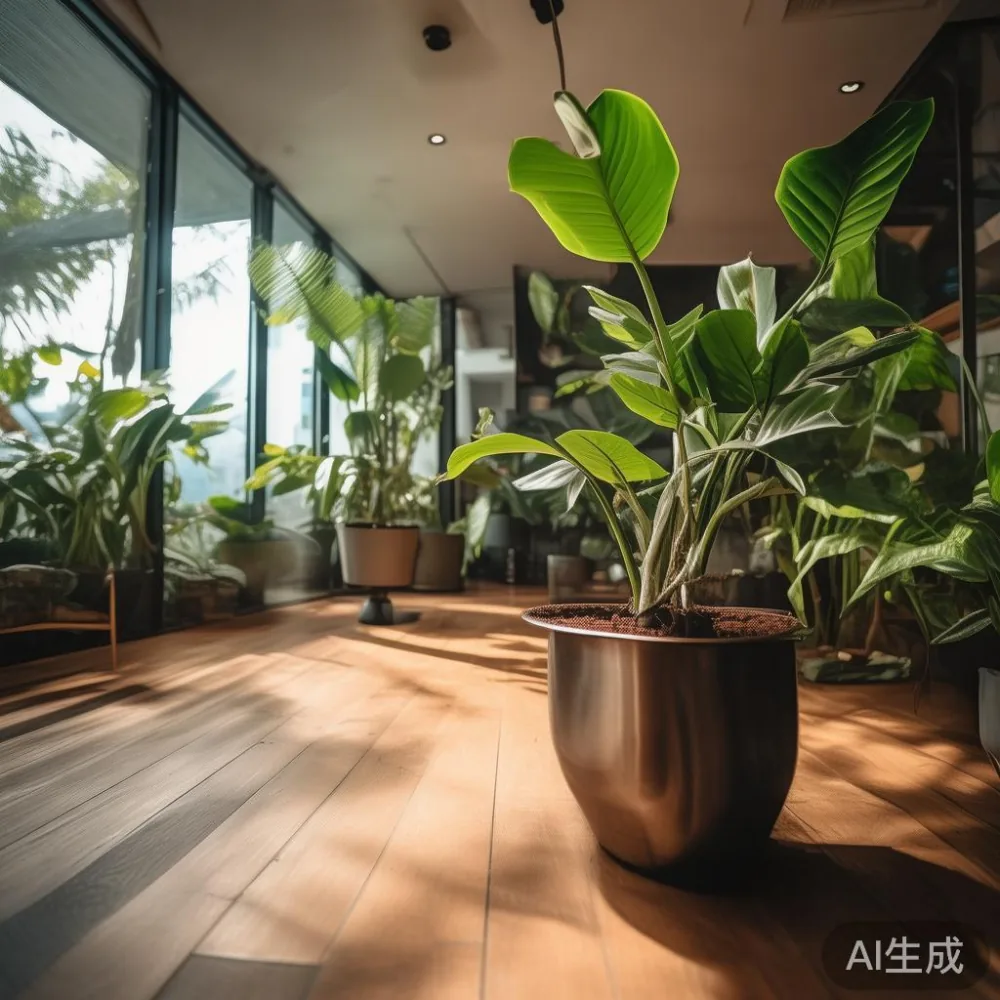
Why does lacquer fail so quickly in Singapore?
Most lacquer finishes used on solid wood sofa frames, dining table tops, and wardrobe doors are either nitrocellulose, acid-curing, or pre-catalysed variants. They look glassy because the film is dense and continuous — exactly the property that makes them vulnerable when the air carries 28–32 g/m³ of water vapour at 31°C, which is normal for a Tampines afternoon in September. The lacquer film absorbs moisture unevenly, swells at a different rate than the substrate beneath it, and the stress shows up first as a milky bloom, then as micro-cracks. If the piece has a thin steel or brass insert — common in post-modern light luxury furniture — the metal expands faster than the wood at temperature swings of 6–8°C overnight, so the joint line is where failure usually begins.
What should I do every week for the first six months?
Wipe with a damp — not wet — microfibre cloth, working in 40 cm arcs along the grain. Follow with a dry second pass within 90 seconds. Skip aerosol polishes that contain silicone; they leave a film that traps moisture and dulls under UV. In a typical 90 m² Bedok condo, expect to spend roughly 8–10 minutes per piece, or about SGD 2 of your time per session if you value it at the local cleaning rate. Place each lacquered item at least 60 cm from the nearest curtain on the afternoon-sun side of the room; UV combined with humidity is what produces the ambering you sometimes see on 1980s teak pieces at the vintage shops in Joo Chiat.
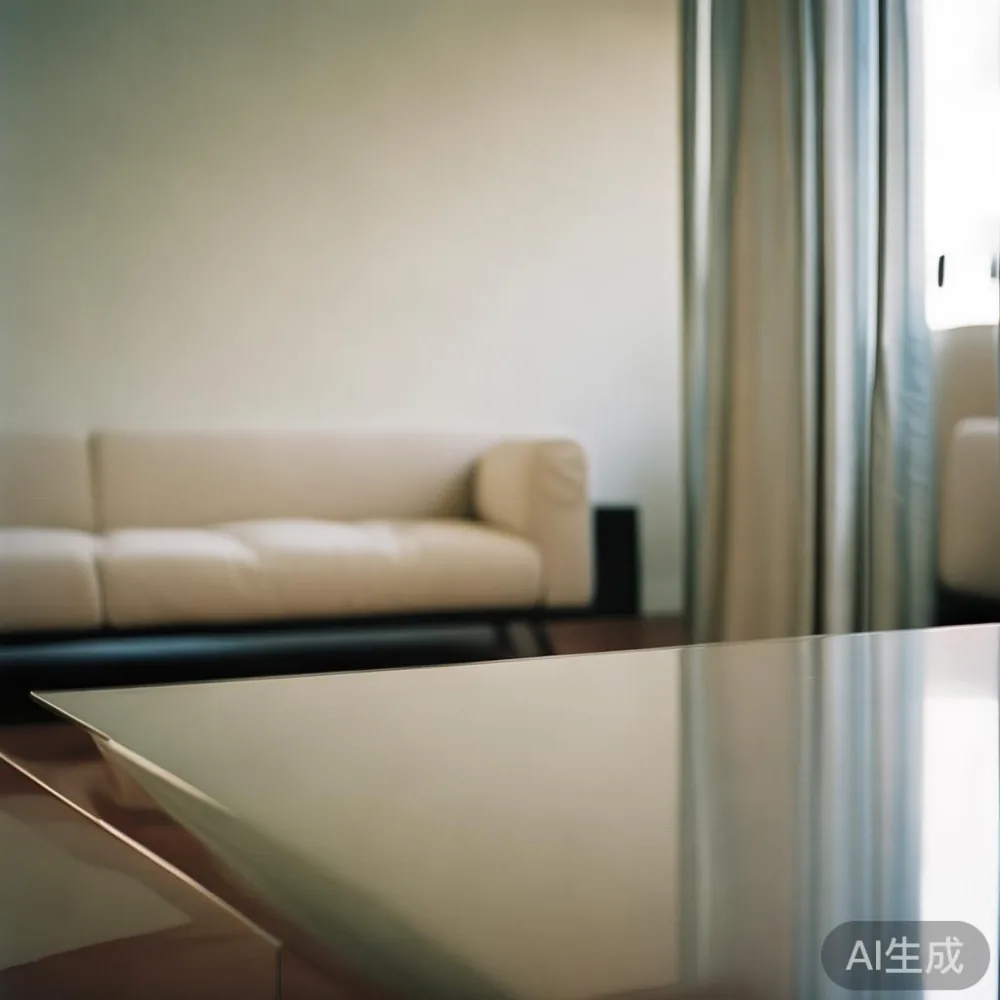
How do I choose a sofa bed for a entryway?
Choose a sofa bed for an entryway by matching the frame depth to your corridor clearance, confirming the lacquer finish has been tested at 85% relative humidity for 1000 hours, and picking a leg height that clears your robot vacuum. That sentence is the rule of thumb I now give everyone who asks, because three things go wrong on Day One in Singapore. First, your service yard or lift opening is usually 90 cm wide on the cargo side and 210 cm tall — a sofa bed with a packed depth over 95 cm simply will not make the corner from the lift lobby to your door. Second, an entryway sofa bed gets hit by door-swing drafts that carry wet air straight off the corridor floor, so an untested lacquer will bloom within the warranty window. Third, the dust and grit from shoes scratch the surface underfoot, which is why I lean toward a piece with legs lifting the base at least 12 cm — it lets a Roborock run a weekly pass and reduces floor contact humidity. When I checked a MIDHILL showroom sample last quarter, the entryway sofa bed range had a packed depth of 88 cm, a 14 cm leg raise, and a lacquer rating sheet I could actually read — which is more than I can say for most catalogue-only brands.
Which products actually work on a lacquered surface in a tropical climate?
You only need four items, and they cost less than a hawker centre dinner for two. A 35 cm microfibre cloth set (SGD 12–18), a pH-neutral hardwood cleaner concentrate (SGD 28 for 500 ml, diluted 1:40), a soft-bristle brush for the carved apron of a marble table or the recessed lip of a solid wood bed frame (SGD 8), and a refillable silica-gel canister (SGD 6 per 250 g). The canister goes inside any closed cabinet section — wardrobes benefit the most, because enclosed lacquered panels absorb moisture through the back face and exhale it onto your clothes. Replace the silica every 8 weeks during the wet season, every 14 weeks in a dry spell. Avoid wax-based polishes, beeswax dressings, and any product labelled "for wood and metal" that smells like a citrus cleaning aisle — those usually contain d-limonene, which softens cured lacquer over a 6-month window. Stick to water-based, silicone-free, and you will keep the original sheen for 5–7 years before any refinishing is required.
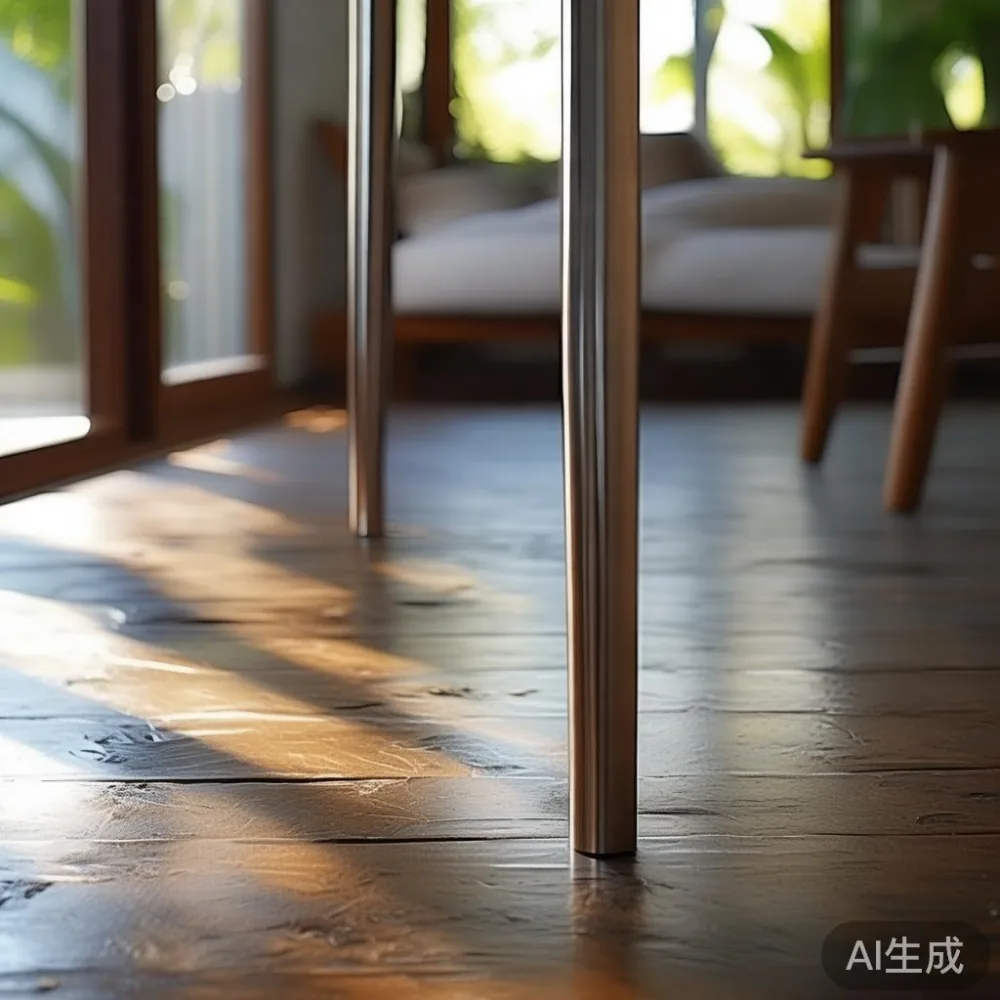
How does humidity control inside the home protect lacquer?
Target a steady 55–62% relative humidity at 24–27°C. Singapore's average sits closer to 80% outdoors, so you are fighting the room, not the climate. A 25 m² bedroom with a 10 L/day desiccant dehumidifier running on auto will pull roughly 1.8–2.2 kWh overnight — about SGD 0.40 on the HDB tariff — and protects a lacquered nightstand, a wardrobed mirror frame, and any metal furniture with an inset timber shelf. If you own a dining table that seats six, position it where the air-con return grille can see at least 60% of its surface; the airflow boundary layer is what dries the film, not the cold itself. Keep all lacquered pieces at least 1.2 m away from bathroom doors and 2 m from any open kitchen cooking zone. Steam from a 15-minute mee goreng session will not destroy a finish, but daily exposure to cooking aerosols will haze a satin lacquer within 18 months.
What about long-term refinishing and warranty?
If you are buying new, ask the maker two questions in writing: what is the lacquer system (NC, AC, or pre-cat), and what humidity range was the test panel aged under? A serious brand will hand you a spec sheet with numbers, not adjectives. MIDHILL, for instance, publishes a 10-year structural warranty on its metal furniture and solid wood ranges, plus a lifetime refinishing service — which matters in Singapore because the cheaper option after 7–9 years is usually a full respray, not a patch. Respraying a 200 cm dining table top costs SGD 280–420 in a local workshop; a refinishing pass at the factory with shipping included often lands under SGD 200 if you can group it with another piece. Schedule refinishing in February or early March, when the air is at its driest and the new film cures fastest. Two coats, light sanding with 600-grit between, and a 72-hour cure window before you place anything back on top.
What mistakes do Singapore owners make in the first year?
The three I see every month in client homes: coasters that are too small, tablecloths that are too tight, and direct placement of wet glasses. A coaster should be at least 10 cm in diameter; a placemat is not a coaster. A tablecloth should drape with at least 4 cm of overhang so moisture does not wick sideways into the lacquer edge. And a wet glass — the kind you pull out of the dishwasher — should never touch the surface; towel-dry the base first. Add a fourth, more unusual mistake: owners of American fabric wood finish dining sets sometimes treat the fabric inset like a tabletop, wiping it with the same solvent-based cleaner as the wood. The fabric tolerates warm water only, and the solvent creeps under the seam and softens the lacquer below. I watched this exact failure on a 6-seater in a Yishun condo, where the owner had used the same spray for both surfaces and ended up with a 12 cm matte patch where the gloss used to be.
How do I keep lacquered metal furniture looking new beyond year five?
Treat it like a watch. Annual inspection, light cleaning, no chemicals. Every 12 months, check the joints where brass or steel meets wood — that's the stress line in post-modern light luxury pieces — and run a fingernail across the surface. If it catches, the film is micro-cracked and needs a topcoat before the damage reaches the colour stain. A 250 ml tin of compatible repair lacquer costs SGD 35–55 and is enough for a full nightstand. Apply with a 20 mm foam brush, two thin coats, sand with 1500-grit between, and buff with a clean microfibre. Budget two hours for the job and another four hours of cure time before any weight goes back on the piece. Owners who follow this routine in HDB flats and private condos report the same outcome: the original sheen holds from year one to year ten, and the lifetime refinishing window becomes a scheduled refresh rather than an emergency rescue.
Is it worth buying lacquered metal furniture at all in Singapore?
Yes, with two conditions. Buy a piece built for humidity, not one built for a temperate showroom, and follow the maintenance routine above. Lacquer is not the enemy; untreated wood in an uncontrolled room is the enemy, and so is low-grade MDF wrapped in foil. A properly cured, humidity-tested lacquer on a kiln-dried solid wood bed frame, dining table, or wardrobe will outlast a vinyl-laminated alternative by 8–12 years in local conditions. Pair the wood with a steel or brass sub-frame for stability, and you have a piece that survives the next three moves across different HDB towns. I have spec'd this combination for clients in Punggol, Bedok, and Tampines over the last decade, and the only callbacks have been from people who skipped the coaster rule — not from people who bought the right piece in the first place.