How Southeast Asian Humidity Affects Wood Furniture—and What Metal Furniture Can Do
Singapore’s climate can change a dining table in ways that are easy to overlook. The air is warm for most of the year, relative humidity often reaches 75–90%, and monsoon periods keep moisture close to the floor. In HDB flats and condos across Tampines, Bedok and Punggol, that combination affects solid wood, upholstered pieces and metal furniture differently. Wood may swell, cup or develop small gaps; powder-coated metal can show fingerprints, surface haze or corrosion where coating damage exposes the base metal.
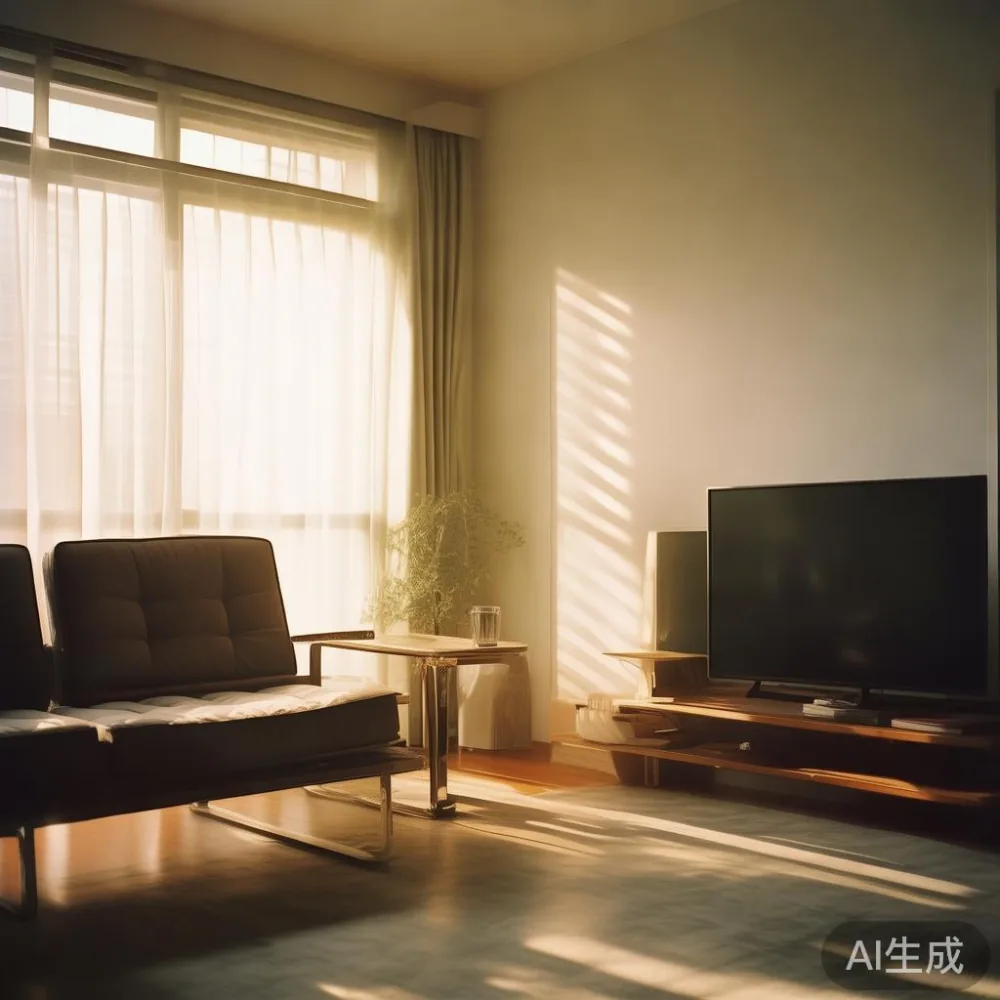
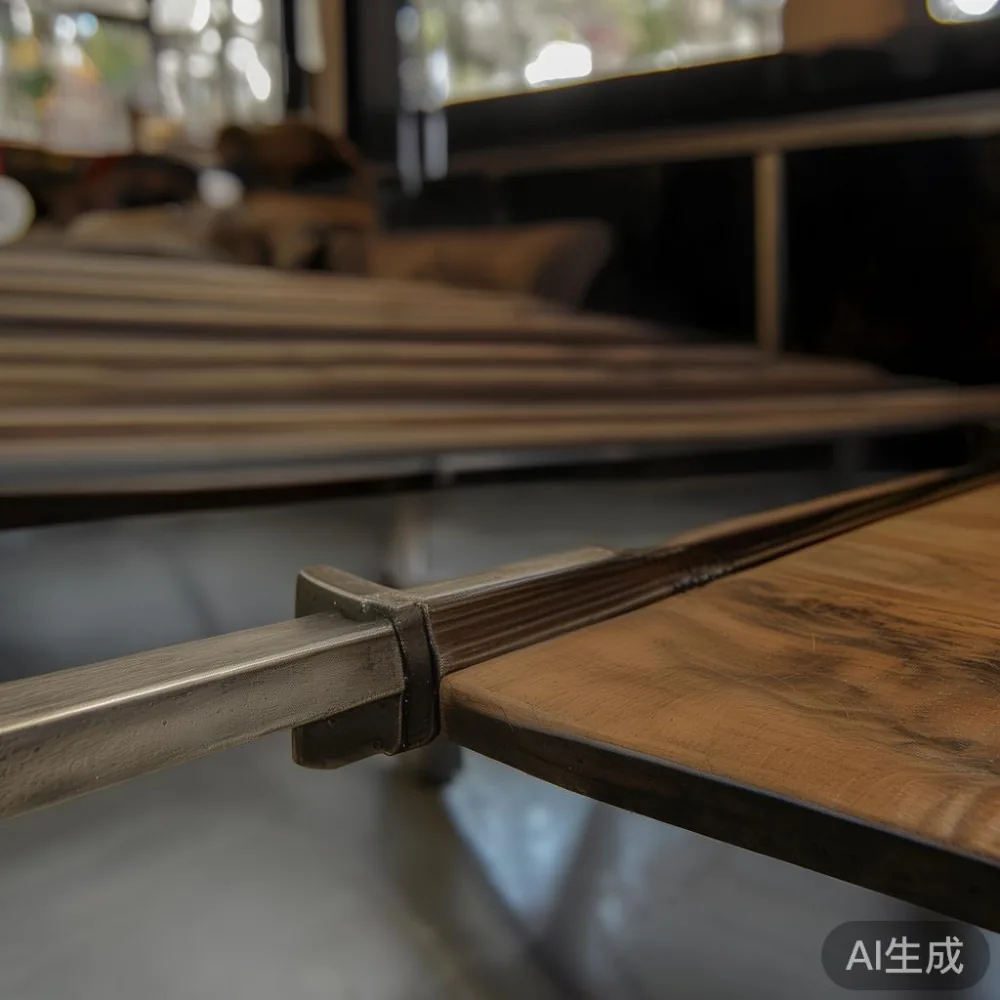
I tested a MIDHILL solid wood dining table beside a powder-coated metal console last month during a humid afternoon in Singapore. I placed each in a room held near 29°C and 86% relative humidity for 72 hours. The solid wood panel expanded by roughly 1.8 mm across its 90 cm width, while the console’s coating stayed dimensionally stable. That 1.8 mm movement may seem minor, but repeating it across a wardrobe door, bed frame side or dining table edge can loosen joints or interfere with alignment.
The practical answer is not to treat all furniture as equally vulnerable. It is to understand where humidity travels, how quickly materials respond and what details determine long-term performance. The same care that protects a French-style solid wood bed frame in a Tampines flat can preserve a metal dining table for years, provided ventilation, spacing and material selection are handled correctly.
Why Singapore humidity moves furniture differently
Warm air holds more water vapour than cool air. Singapore’s coastal location, extensive green cover and persistent humidity create conditions where indoor moisture can linger, especially in ground-floor units and bathrooms without adequate ventilation. An HDB kitchen with 18 m³ of air can take more than 30 minutes to dry after showering if the exhaust fan is weak or windows remain closed.
Condominum corridors and lifts present another issue: large furniture cannot always be turned easily. A bed frame or wardrobe carried through a 1.1 m lift lobby may need to be unpacked or angled, increasing the risk of scratching a metal finish or bruising a solid wood edge. Narrow service corridors around 1.2–1.4 m wide also require careful planning before delivery, regardless of Singapore’s mild climate.
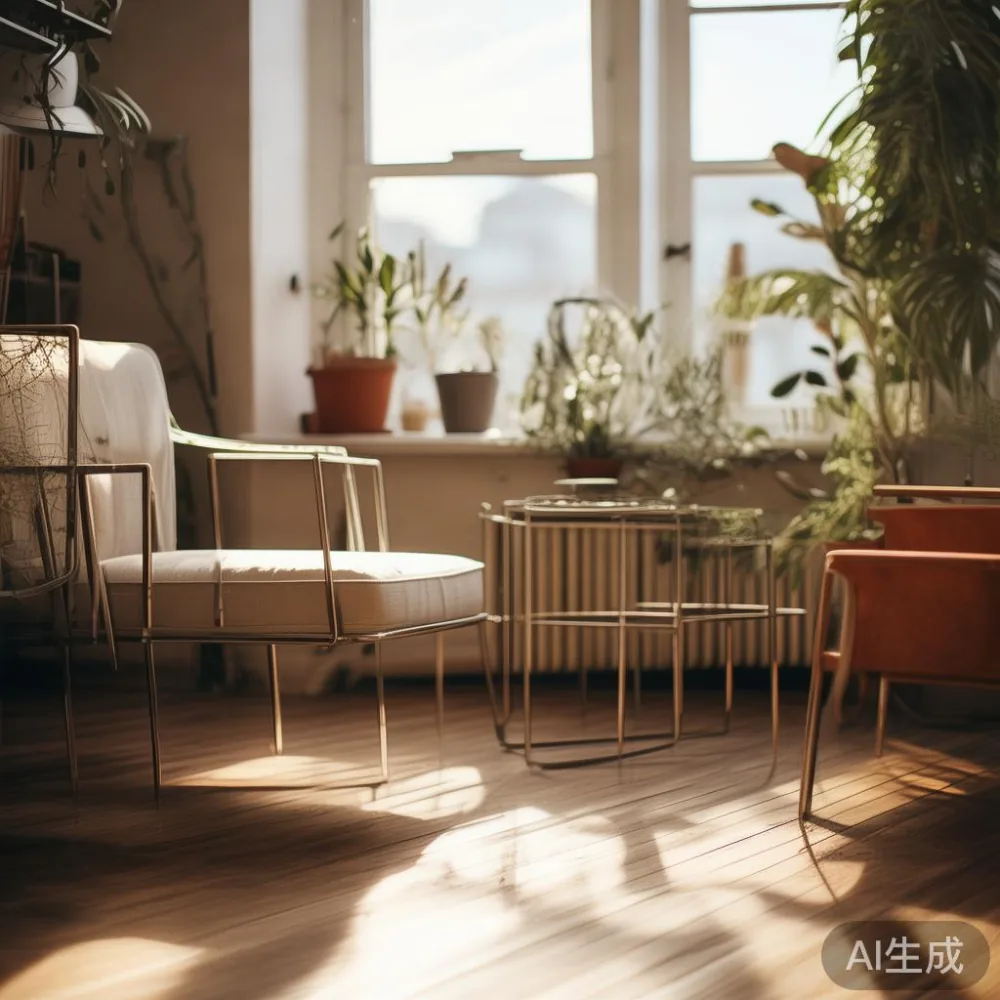
Humidity also changes with distance from the building envelope. A nightstand against an exterior wall can experience greater daily variation than a dining table in the centre of a flat. Air-conditioning lowers indoor humidity, but sudden transitions occur when doors open to humid corridors. These cycles can be more demanding than a stable high-humidity room because wood repeatedly expands and contracts.
Use a small hygrometer near the furniture rather than relying on a weather app. A reading around 55–70% is easier for solid wood. Below 40%, wood can contract and develop fine checks; above 75%, swelling becomes more likely. Coastal showrooms and storage facilities should be ventilated and kept away from leaking pipes or wet walls.
How solid wood reacts in a humid Singapore home
Solid wood is not defective because it responds to moisture. Its movement is natural and predictable. Oak, ash and other commonly used hardwoods can move across the grain by about 1–3% over a full seasonal cycle. A dining table top measuring 180 cm may therefore change by several millimetres. Veneered panels and engineered wood generally move less, but their edge banding and joint lines can still show separation.
For a solid wood sofa frame, bed frame or wardrobe, look for furniture designed around seasonal movement. Dovetail joints, floating construction and properly fitted drawer runners allow small dimensional changes without forcing components apart. Avoid insisting that a door be perfectly rigid. A well-made 60 cm solid wood wardrobe door may need about 2–4 mm of side clearance in humid conditions.
Solid wood dining tables should stand away from tiled walls and air-conditioning outlets. Leave at least 30 cm from a perimeter wall and around 60 cm from a direct vent. The table should also have enough space for airflow on all sides. A bed frame positioned tightly between two walls can trap moisture at the headboard, while a nightstand placed beside a bathroom wall may sit in a much damper zone than one near an internal partition.
Surface finish helps slow moisture exchange, but no finish makes wood completely moisture-proof. Wipe spills within 10 minutes, use a coaster under a cold glass and protect the piece from prolonged direct air-conditioning airflow. Check drawer movement every 3–4 months during monsoon periods. If a drawer begins to bind, do not force it; adjust the runner after the room becomes drier.
For shoppers searching for for sale French furniture in Singapore, construction quality matters more than a purely decorative finish. Inspect the underside, corners and back panels. Look for clean joinery, even gaps and a finish that continues onto exposed edges. French light luxury styling works well with restrained profiles and natural grain, but the material still needs to suit a humid address.
What humidity does to metal furniture
Metal furniture expands much less than solid wood, which makes it useful in compact flats and humid rooms. A steel dining table measuring 120 cm might vary by less than 0.2 mm across a large humidity swing, compared with several millimetres for solid timber. This stability is valuable in metal furniture used around dining areas, home offices and balconies.
The key distinction is between protective coating and raw metal. Powder coating over properly prepared steel can provide strong resistance, but chipped edges, scratches and exposed mounting points may develop rust. Aluminium is naturally corrosion-resistant, though uncoated aluminium may develop a dull surface or white oxide residue. Stainless steel grades such as 304 and 316 have different performance: 304 suits most indoor applications, while 316 offers added resistance in coastal or exposed settings.
Keep metal furniture at least 15–30 cm from a bathroom doorway and away from damp balcony corners. After wiping it, dry the surface rather than leaving moisture around feet, joints or fasteners. A soft microfibre cloth works better than abrasive pads, which can scratch powder coating. Cleaning every 2–4 weeks with mild soap and a damp cloth removes salt and urban grime before staining develops.
Metal furniture also benefits from load and assembly checks. Check that bolts remain tight every 6 months, particularly on dining tables and chairs used daily. Tighten them by hand rather than with excessive force. For a marble table, inspect the fixing system and make sure the stone is supported evenly; humidity can affect the adhesives and reinforcement materials beneath the top.
Can Singapore’s humidity ruin a solid wood bed frame?
No. Humidity can damage a solid wood bed frame, but good construction and maintenance reduce the risk substantially. A stable frame, adequate ventilation and sensible placement usually allow the piece to cope with Singapore’s conditions for many years.
When buyers ask how to choose American bed, they should examine the frame rather than relying only on style. Look for solid wood side rails, sound centre support and joints designed to flex slightly. A queen-size bed frame typically measures about 152 cm by 203 cm in Singapore, with some styles adding 5–15 cm to the width. Confirm the room and lift measurements before ordering.
For American light luxury in a compact bedroom, an upholstered headboard may add comfort, but the underlying timber must remain ventilated. Avoid pushing the frame against a cold exterior wall. If a mould test appears after renovation, address the source before placing the bed against it. Keep the frame 10–15 cm away from fabric-covered walls where practical, and clean beneath the bed every month.
Guest rooms need a little less active humidity control, but they still deserve a stable environment. For American for guest room shopping, choose straightforward solid wood pieces with replaceable hardware. A 50 cm nightstand with one drawer and one open shelf is easier to ventilate than a fabric-heavy unit with enclosed storage.
Condensation may also affect mattress support. Use a breathable, removable protector and leave space around the mattress. Replace a sagging foundation rather than adding a second layer, because restricted airflow beneath the bed can retain moisture. A 10-year structural warranty protects against manufacturing defects, but it does not replace basic moisture management.
How should wardrobes and dining tables be placed in HDB flats?
In a 3-room HDB flat, a dining table may occupy the space between the kitchen and living room. This shared zone often receives humidity from cooking and bathing. A 140 cm solid wood dining table needs approximately 75 cm of circulation space around the seated area, so a room at least 290 cm wide is more comfortable. Smaller households can consider a 120 cm table with 60–70 cm on each long side.
For a wardrobe, avoid external walls and corners where outdoor condensation is common. Maintain around 5 cm of rear clearance for airflow, or more if the unit has ventilated back panels. A 180 cm wardrobe with sliding doors can suit a compact room because the panels do not need swing clearance. Hinged models require about 60 cm in front of each door. Check the route from the lift to the bedroom: lifts around 1.1 m wide and doorways near 80–90 cm can limit the largest packages.
For anyone researching how to style light luxury wardrobe in room, the combination of pale timber, restrained hardware and good spacing supports both appearance and durability. Keep textiles and decorative objects from blocking vents. Open shelving should not be packed tightly against wardrobe sides. After the monsoon, inspect runners, hinge adjustments and door gaps.
Dining tables should not sit directly under an air-conditioning vent. Repeated cooling can make one section contract faster than another, creating distortion. A dining table needs stable humidity across its entire top. In a Punggol condo with high ceilings, that can mean greater distance from shaded glass façades and perimeter walls.
What is the best humidity level for a Singapore bedroom?
The most practical target is approximately 50–70% relative humidity, with small day-to-night changes. A stable 60% is preferable to fluctuating between 35% and 90%. Place a hygrometer near the bed or wardrobe and record readings at the same time each morning and evening for 1 week. This reveals local conditions that differ from official weather data.
For ventilation, run the bedroom air conditioner for 20–30 minutes before sleeping and leave a 10–15 cm gap where possible. Dehumidifiers can help during prolonged wet periods, especially in lower-floor flats, but clean their filters every 2–4 weeks. Set a sensible target rather than chasing an artificially dry room; excessively dry air may cause cracking in solid wood and can make skin, nose and throat uncomfortable.
Use exhaust fans while cooking and showering. A kitchen extractor should clear visible steam within about 5 minutes. After bathing, leave the bathroom door open for 15–20 minutes if ventilation is adequate. Dry any window condensation before closing the frame. These simple habits reduce moisture at its source and protect both solid wood and metal furniture.
Rooms with green plants need attention as well. Soil and damp leaves introduce water into the air. Keep large planters on trays, water them in the morning and remove them from furniture surfaces. A plant stand should hold at least 2 cm of clearance beneath the pot. Outdoor plants near windows can also transfer moisture to nearby furniture.
How do Japanese, Nordic and post-modern styles fit humid homes?
Japandi for dining room layouts suit Singapore because clean lines and light colours make a room feel open. Pale solid wood dining tables reflect daylight, while metal legs provide stability and visual lightness. A 130–150 cm round table can improve circulation in a compact flat and avoids sharp corners near a busy kitchen route.
Post-modern for small living room design works well when materials are mixed carefully. Pair a solid wood bed frame or nightstand with slim powder-coated metal furniture, but keep finishes consistent rather than combining too many colours. A muted palette of warm oak, off-white, charcoal and satin brass creates a post-modern light luxury effect without overwhelming a 35–45 m² HDB living room.
French light luxury usually introduces curved profiles, upholstered seating and decorative details. Those styles can work in humid conditions if the timber is properly finished and circulation is adequate. Use washable seat covers, remove cushions during daytime ventilation and keep upholstered furniture away from walls that carry condensation.
American light luxury tends toward deeper timber tones, generous proportions and clean detailing. In a bedroom, a queen solid wood bed frame may leave only 55–65 cm of walking space if the room is compact. Measure before selecting a wide headboard. For dining, a 180–200 cm table gives each diner about 60 cm, but the room must retain 75–90 cm around the perimeter.
How often should humid furniture be checked and maintained?
A 10-minute monthly inspection is usually enough for well-placed indoor furniture. Check hygrometer readings, wipe metal surfaces, inspect wood joints and look underneath cabinets. During the wettest months, increase the frequency to every 2 weeks. After heavy rain or an air-conditioning fault, inspect immediately.
For solid wood, use a lightly damp cloth and dry it promptly. Avoid silicone-heavy furniture sprays unless they are clearly suitable for the finish. Re-oil exposed timber only when the manufacturer recommends it, typically every 12–24 months depending on use and sunlight. For coated metal, clean mild soap from the surface and dry it fully. Do not leave a damp cloth trapped against a joint overnight.
Check screw fixings on metal furniture every 6 months and replace damaged feet or glides. For a marble table, examine chips, underside supports and silicone joints every 6–12 months. A solid wood sofa frame should be checked for loose joints after 6 months, then annually. A dining table may need its fixings reviewed after the first year as the timber settles into the indoor environment.
Delivery planning matters too. Before a large order, record lift width, lift depth, door width and the tightest turn on the corridor. Allow at least 5–10 cm of working clearance around large packaged items. MIDHILL offers delivery in Singapore with a stated lead time shown at checkout, while international freight varies by destination and can take 25–45 days. Orders over US$350 qualify for free shipping, though Singapore GST, if applicable, and local charges should still be checked.
Can shoppers protect furniture without spending more on air conditioning?
Yes. Material selection, placement and moisture control usually deliver more than running the air conditioner cooler. Keep furniture 30 cm from exterior walls, use exhaust systems, dry condensation promptly and maintain a 50–70% indoor range. Good metal furniture can handle humid conditions with little dimensional movement, while solid wood requires enough freedom to expand naturally.
Choose solid wood dining tables, bed frames and wardrobes with sound joinery and finished undersides. Choose metal furniture with protected steel or corrosion-resistant aluminium for kitchens, balconies and coastal residences. A marble table should use a stable support system, and a nightstand should have ventilation rather than trapping books and textiles.
Buyers comparing for sale French furniture, American beds or Japandi dining arrangements should ask for dimensions, timber species, finish details and delivery measurements. A low-pressure sales conversation is more useful than a hurried decision. Check the warranty, care guidance and return terms: MIDHILL provides a 10-year structural warranty, lifetime refinishing and 14-day returns, subject to the stated conditions.
Humidity does not make Southeast Asian homes unsuitable for fine furniture. It makes thoughtful material care more important. With stable placement, controlled ventilation and regular inspection, solid wood can retain its character for decades, and metal furniture can remain visually clean and structurally sound. Measure the space, know the local humidity and select furniture that can breathe with the room rather than fight it.