How Southeast Asian Humidity Affects Wood Furniture in Singapore Homes
Singapore’s tropical humidity can make a beautiful solid wood dining table swell, a bed frame shift, or a wardrobe door misalign. The effects are rarely dramatic over a single wet afternoon, but constant exposure to damp air, air-conditioning, and sudden temperature changes can gradually affect timber, finishes, joints, and metal furniture hardware.
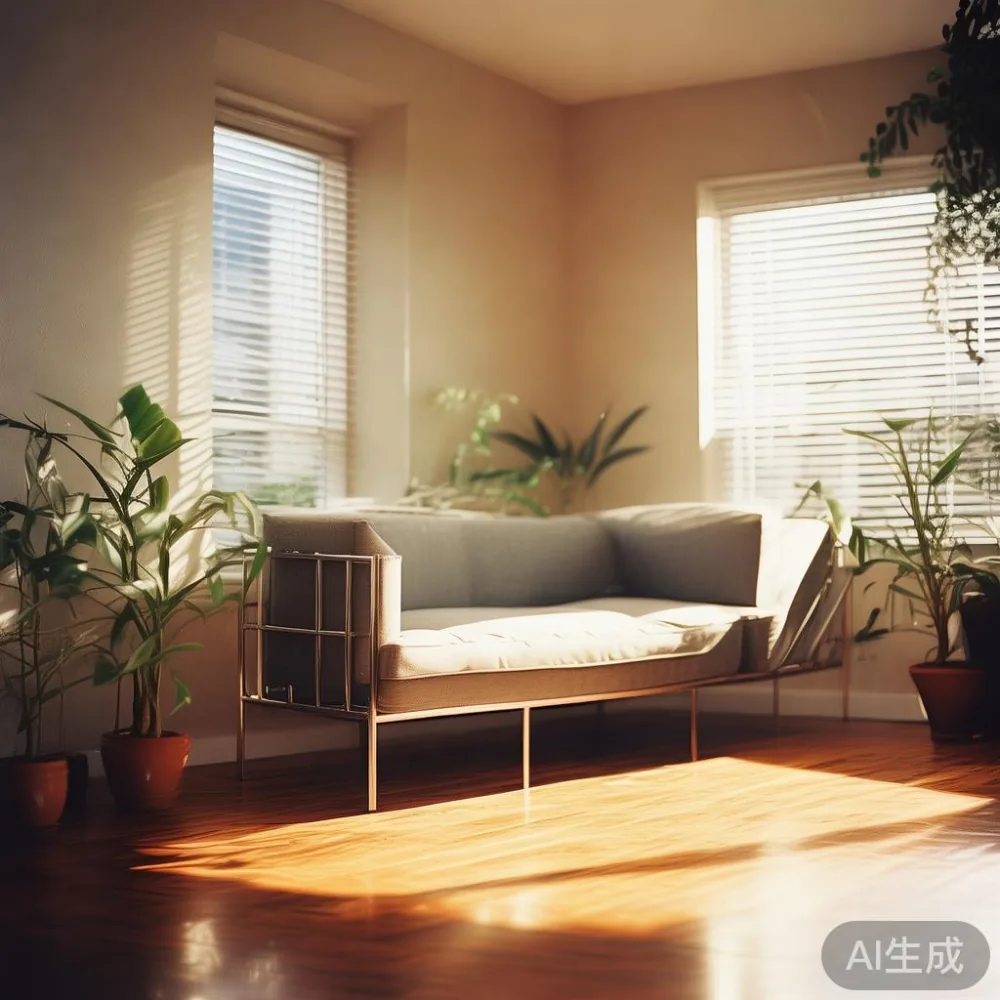
For Singapore households—especially those in HDB flats and condos around Tampines, Bedok, and Punggol—the practical question is not whether wood reacts to moisture. All real timber does. It is how to select furniture that suits the local climate while retaining the visual language of French light luxury, American light luxury, or post-modern light luxury.
At MIDHILL, we build furniture around this regional reality: solid wood, carefully selected materials, and construction details that can withstand humid conditions. The figures below explain the science, the risks, and the choices worth making before delivery day.
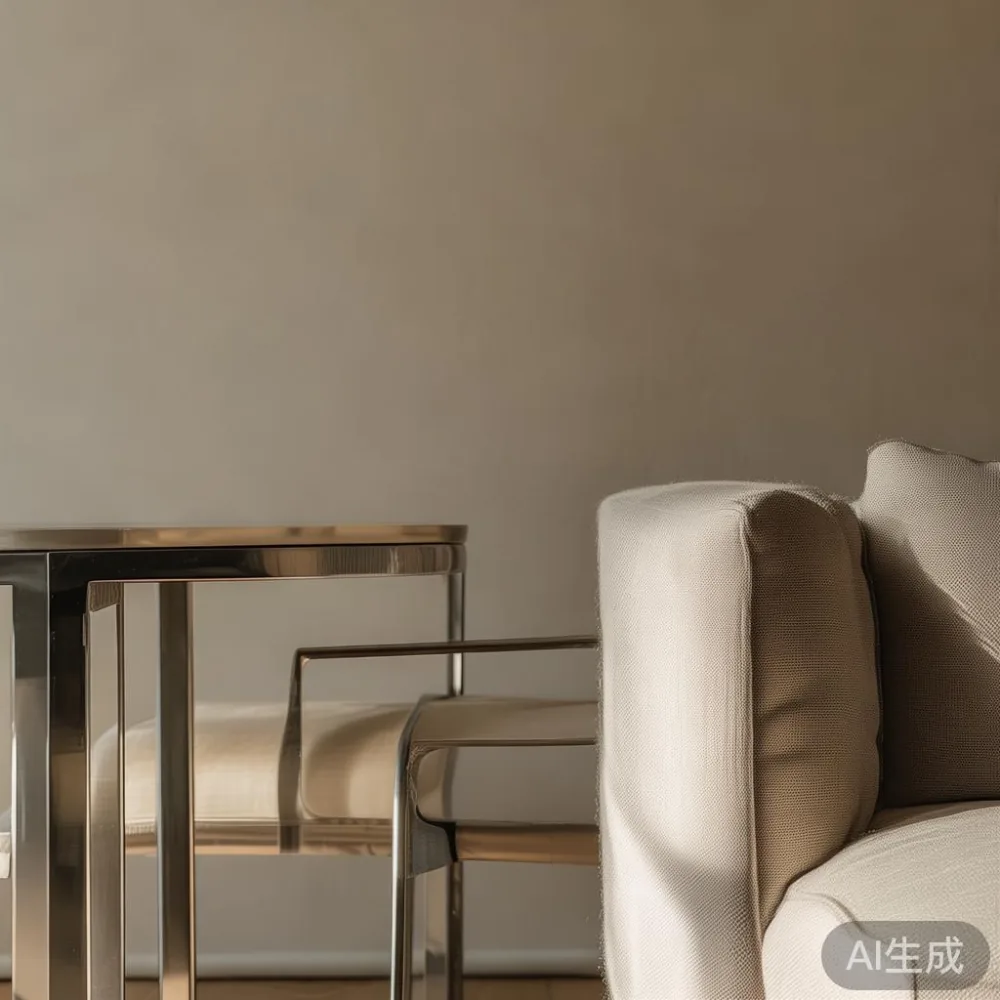
What relative humidity does to solid wood
Wood is hygroscopic, meaning it absorbs and releases moisture as the surrounding relative humidity changes. A suitable indoor range is generally about 40% to 60% RH. Below 40%, timber can lose moisture and shrink; above 60%, it can absorb moisture and expand.
Expansion is not uniform. A solid oak dining table may widen by roughly 1 to 3 mm across a 180 cm top during a pronounced seasonal cycle. Movement along the grain can differ from movement across it. Veneered panels may move less than solid timber, but their edges and joints still require careful production.
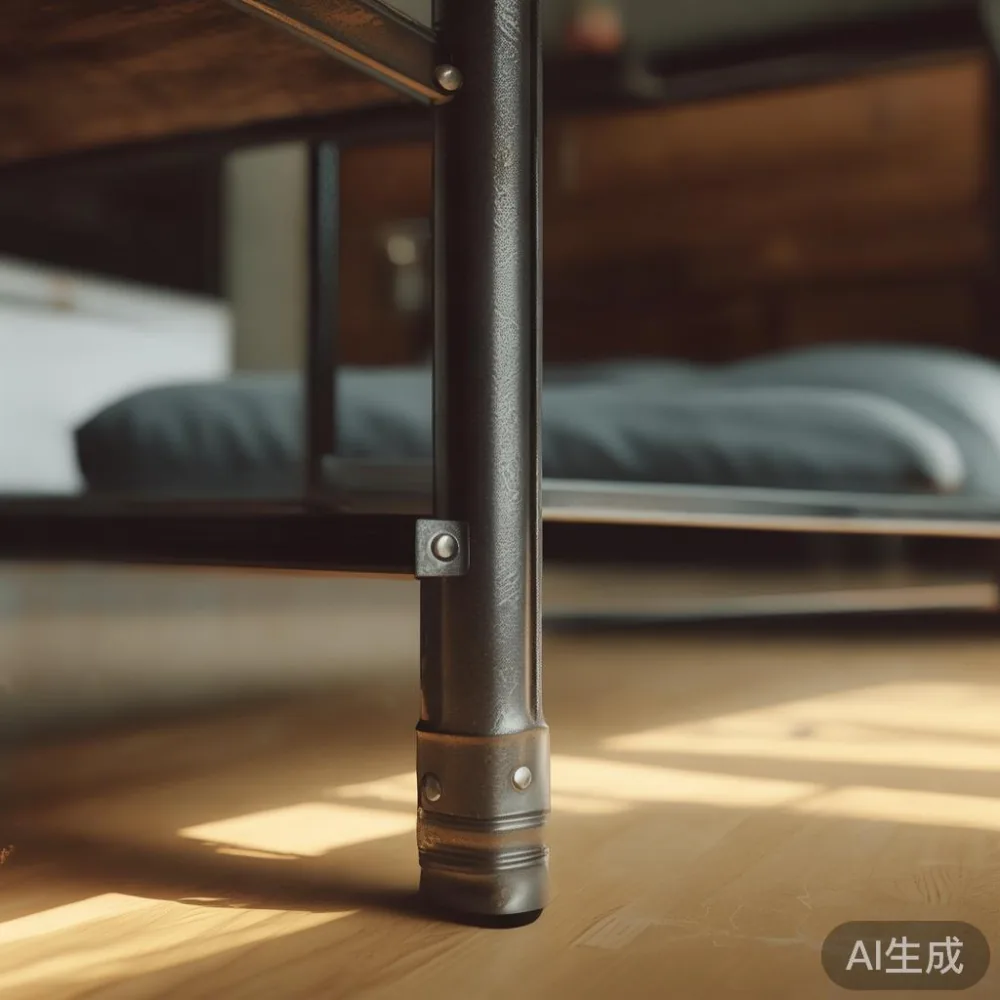
Singapore’s outdoor relative humidity frequently ranges from around 70% to 90%, while air-conditioned interiors may fall to 40% to 55%. A wardrobe moved from a humid corridor into a cool bedroom can therefore experience a measurable moisture change within 24 hours. Repeated cycles over 5 to 10 years can loosen drawer runners, distort doors, and reveal small gaps around panels.
The common mistake is to blame every scratch or movement on poor quality. A timber that is opened and closed every day is a working component. Its response to humidity is part of the material’s behaviour, not evidence that the furniture was made carelessly.
How should I protect a solid wood dining table in Singapore?
Place a solid wood dining table away from direct airflow from an air-conditioner, kitchen vent, or window that receives the afternoon sun. Keep it at least 60 cm from an air-conditioning vent and 100 cm from a frequently opened window where possible. In a compact HDB dining area, that distance may not be practical, so gradual temperature changes matter more than achieving a perfect position.
Use a placemat under a hot pot rather than placing the vessel directly on the timber. A ceramic mug with a 350 ml capacity may raise its local surface temperature by around 20°C over 20 minutes. Wipe spills within 5 minutes, especially during Singapore’s heavier rain periods from roughly November through January.
Do not leave a damp cloth resting against the table overnight. Clean with a soft, slightly damp cloth, then dry with a separate cotton cloth. A weekly wipe is usually enough. Oils marketed for timber should be applied sparingly, about 10 to 15 ml per square metre, because an excessive film can trap moisture or create patchy colour.
For larger homes, consider a dining table with a solid wood frame and a carefully ventilated underside. A marble table has a different thermal profile: stone does not expand like timber, but its support frame still needs correct spacing and stable fixing points.
Can humidity loosen the joints of a solid wood bed frame?
Yes, but the amount of movement depends on timber movement, joint design, and climate exposure. Mortise-and-tenon joints can remain stable if the components are properly fitted and the frame is allowed to acclimatise. Dowelled joints and poorly finished concealed fixings may show more movement over 3 to 5 years.
For a queen bed measuring 150 cm × 190 cm, inspect the centre support after delivery. It should sit firmly against the side rails, with no visible daylight through the fixing. Do not force a warped rail back into place; identify whether the cause is uneven load, transport stress, or moisture-related movement.
Allow new furniture to acclimatise for 48 to 72 hours before tightening small fixings or arranging a tightly fitted bedsheet. In a Singapore condo, keep the frame away from a balcony door that opens directly onto a humid exterior. A bedside gap of 10 to 20 cm from the wall can improve airflow, although the mattress should still sit fully supported.
Buyers comparing European bed vs Modern bed designs should examine both silhouette and construction. A European bed may use a shaped upholstered headboard, while a Modern bed often displays a cleaner timber or metal structure. If the European bed includes a solid wood bed frame beneath the upholstery, ask for ventilation details around the base rather than judging only by the headboard.
A useful search phrase is where to buy bed from MIDHILL when you want product information and delivery terms in one place. Review the dimensions, frame materials, mattress clearance, and warranty together rather than focusing only on appearance.
What humidity does to wardrobes, nightstands, and metal furniture
A freestanding wardrobe is especially sensitive because tall doors can bow and long vertical panels can twist. External humidity can be 85% in an exposed corridor, while the air-conditioned bedroom is closer to 50%. Every time the wardrobe is opened, the interior exchanges air with the room.
Look for adjustable hinges with a 3 mm side-to-side correction range, runners with at least 10 mm of adjustment where available, and doors assembled with a deliberate gap of approximately 3 to 4 mm. These allowances accommodate normal movement without making the piece look loosely made.
Metal furniture is not immune to humid air, although it does not absorb moisture like timber. Powder-coated steel and aluminium surfaces are generally suited to Singapore conditions. However, raw steel, brass, and iron can develop oxidation if protective coatings are scratched. A small chip exposing 5 mm of steel should be dried and touched in promptly; salt carried on damp hands can accelerate corrosion.
For a metal bed frame, inspect the welds and coating after delivery. For a metal dining table, check that the top fixings are tightened but not overtightened, because compressed wood inserts can split. Keep metal furniture at least 30 cm from a shower or wet kitchen area, and avoid leaving damp towels directly on a powder-coated rail.
Builders often mention metal furniture when describing storage or bedside collections with steel frames and timber shelves. The strongest pairing is one where the metal supports stable loads and the timber is arranged to breathe. In a nightstand, this may mean a 45 cm wide top with ventilation beneath, rather than a fully sealed box.
How should I style French sofa in bedroom corners?
Search results for how to style French sofa in bedroom usually lead to images of pale upholstery, curved arms, and loose proportions. In Singapore, placement matters more than copying a European room exactly. Keep a fabric or timber sofa around 60 to 90 cm from a window and at least 45 cm from a dehumidifier’s direct outlet.
A compact solid wood sofa may use a 160 to 180 cm three-seat layout, while a two-seat version can fit within about 140 to 160 cm. In a Tampines HDB flat, allow at least 60 cm between the sofa and a coffee table, and keep the rear access route near 45 cm where possible.
French light luxury can work with an upholstered sofa in oatmeal or muted taupe, a light oak nightstand, and slim metal furniture accents. American light luxury often favours comfort and broader forms, while post-modern light luxury mixes a curved sofa with cleaner tables and graphic lighting. Whatever the direction, use washable loose covers and avoid placing a French-style sofa against a wall that remains continuously damp.
Humidity can also affect upholstery. Polyester and performance-weave fabrics generally tolerate humid conditions more consistently than untreated linen, which can shrink by approximately 2% to 5%. Select removable covers where children or frequent airing are involved, and wash them according to the label rather than using hot water automatically.
Will Singapore lift and corridor dimensions damage furniture during delivery?
Access can be as demanding as humidity. A standard HDB lift interior may offer only about 110 cm of clear width in a straight configuration, while the door opening may measure close to 90 cm. A condo lift can be more generous, but turns in a basement car park may restrict the route.
Measure before ordering. For a dining table, record the table’s longest rigid dimension, the diagonal needed at corners, and the narrowest door. A 200 cm top can be difficult in a 90 cm doorway even if the lift is large enough. Many wooden tables can be separated at the joint and rejoined; confirm that the design permits this before delivery.
A bed frame may arrive in 2 or 3 cartons, but a solid wood headboard might still exceed the lift’s diagonal clearance. Measure the internal lift height, usually around 210 to 220 cm, and include the cart height of approximately 12 to 18 cm. A mattress compressed for transport also needs time to recover, commonly 24 to 72 hours.
Confirm whether delivery includes carrying to the flat, stair climbing, assembly, and packaging removal. Stair carry charges can vary by building and floor. For local orders over SGD 350, MIDHILL offers free shipping, but access arrangements should still be agreed before dispatch. Singapore’s 9% GST may appear on the final checkout unless the purchase qualifies for a documented business input-tax claim.
For searchable catalogues, terms such as for sale Minimalist furniture and for sale Mid-century modern furniture often produce different construction details. A minimalist dining table may have a narrow top, while a mid-century piece may use splayed timber legs. Check the actual material, not just the style label.
How can buyers compare light-luxury furniture without ignoring climate?
Wholesale light luxury furniture is often discussed through finish, silhouette, and imported hardware. In Singapore, add four practical checks: wood species, finish thickness, movement allowances, and humidity protection.
Ask whether components are solid wood, plywood, veneer, or engineered board. A 18 mm solid timber top generally shows more visible movement than a 18 mm engineered panel, although it can be more repairable. Finish systems such as hardwax oil or matte lacquer each respond differently to moisture and daily touching.
Request photographs of the underside, drawer interiors, and fixing points. The number of screws and corner blocks tells you how the piece was made. Check that a wardrobe has rear ventilation gaps of around 10 to 20 mm where permitted, and that a nightstand has a dry, stable base rather than a metal plate trapping condensation.
Price should not be the only comparison. A dining table costing SGD 1,200 is not automatically superior to one at SGD 850; construction and dimensions still require inspection. MIDHILL provides a 10-year structural warranty and lifetime refinishing, which can make long-term maintenance easier to evaluate. Returns are available within 14 days, subject to the stated condition and return arrangements.
What routine keeps wood and metal furniture in good condition?
Use a hygrometer near wardrobes and beds, not beside the kitchen sink. Readings taken at 8:00 am and 9:00 pm can show how much conditions change over a day. If the indoor range stays above 65% RH for extended periods, improve ventilation or use a dehumidifier with a modest target setting.
Clean timber every 1 to 2 weeks with a dry or lightly damp microfibre cloth. Check wardrobe hinges and drawer runners every 6 months. Tighten loose screws only if the fixing is designed to move with the joint. Inspect metal furniture for chips, condensation marks, and fabric rubbing at contact points twice each year.
Do not place solid wood furniture against an exterior wall that shares a damp balcony or service shaft. Use a 20 to 30 mm spacer where the design allows airflow behind a wardrobe, while keeping it stable against tip-over risk. Tall pieces should be secured according to the manufacturer’s instructions.
Humidity control cannot keep timber perfectly still; it manages the environment around it. Good selection, realistic expectations, and attentive care can preserve a dining table, bed frame, wardrobe, nightstand, or marble table for many years. Last month, my colleague inspected a new oak dining table in a Bedok condo and found a 90 cm corridor-to-lift route. The client had measured 82 cm at the tightest turn; the table would not have passed. Checking that single number before dispatch saved the delivery team a second attempt and prevented damage to the tabletop.