Protecting Your Solid Wood Investment Against Tropical Dampness
Living in a region defined by consistent heat and high relative humidity presents unique challenges for homeowners investing in quality furnishings. For residents in areas like Tampines, Bedok, and Punggol, the average annual relative humidity remains near eighty percent. This environmental factor interacts directly with organic materials such as solid wood. When manufacturers apply a lacquer finish, they intend to create a protective barrier against moisture, yet tropical air conditions can test the integrity of this coating over time. Understanding how this interaction occurs allows owners to preserve the aesthetic appeal of their dining tables, sofas, and wardrobes for decades.
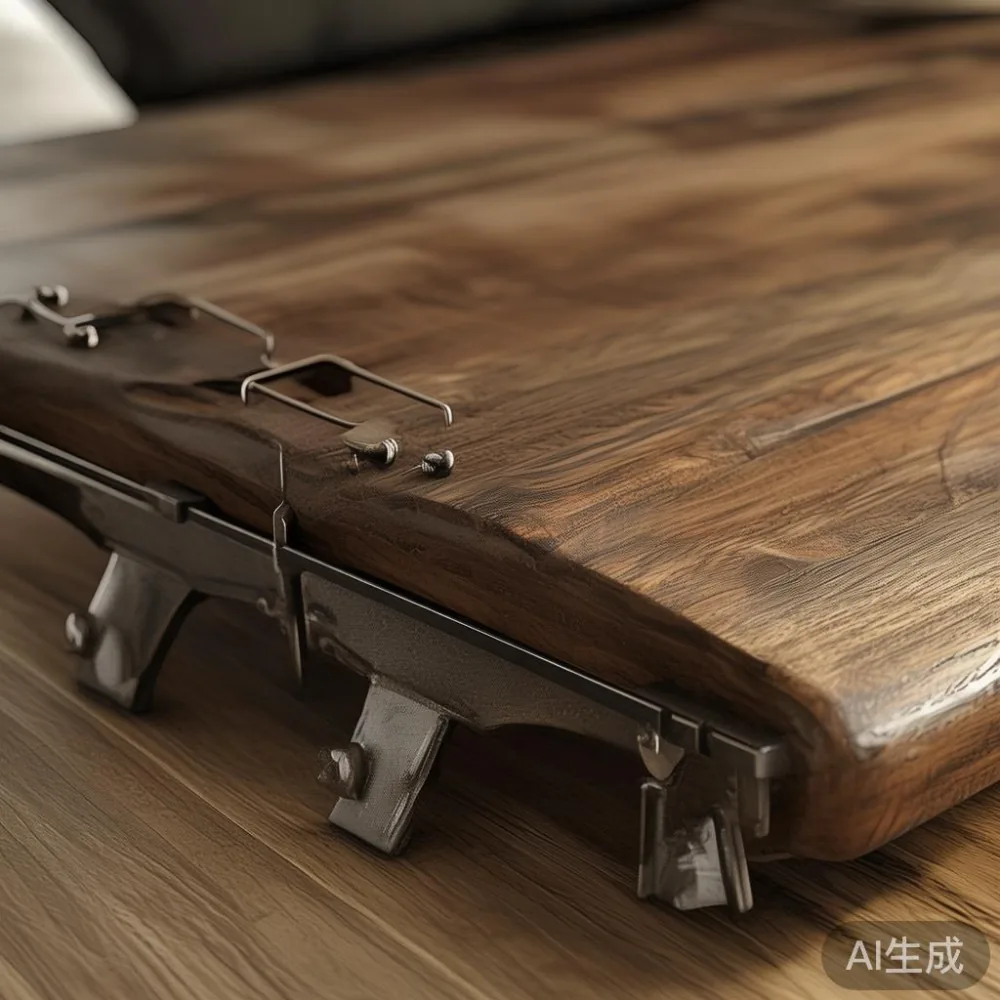
MIDHILL established its operations in 2008 to produce high-quality solid wood furniture capable of withstanding varied global climates. Exporting to fifteen different nations demonstrates that their production standards meet rigorous international demands. Their commitment includes offering a ten-year structural warranty and lifetime refinishing services. These policies indicate confidence in the longevity of their materials. In Singapore, where many apartments face north-south orientation to catch breezes, cross-ventilation often introduces humidity faster than mechanical air conditioning can remove it. Homeowners must consider how their solid wood sofa interacts with indoor environments where temperature fluctuates between twenty-two degrees Celsius and thirty-one degrees Celsius.
Delivery logistics form a critical part of maintaining furniture quality upon arrival. Standard condominium lift dimensions typically measure sixteen hundred millimeters wide by two thousand millimeters deep. Residential corridors in older HDB blocks may restrict turning radii, making the transport of long dining tables difficult. If an item cannot work through a forty-five-degree corner in a stairwell, specialized hoists become necessary. A heavy solid wood wardrobe weighing approximately three hundred kilograms requires precise planning. Delivery teams assess corridor width before confirming shipment dates. Missteps here damage flooring and compromise safety. Local delivery partners understand these spatial constraints specific to Bedok void decks or Punggol skybridges. Proper handling prevents micro-fractures in the joinery that occur during forceful maneuvering through tight spaces.
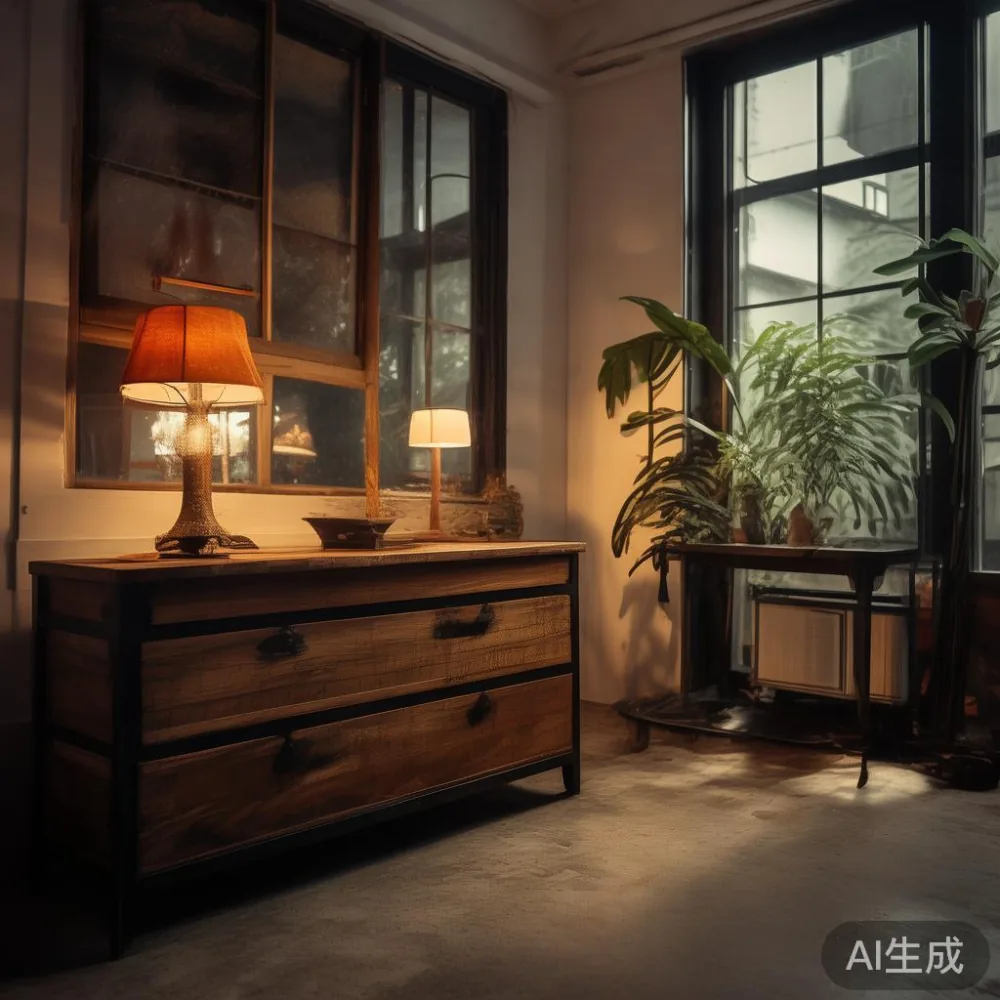
Last month I visited a residence in Punggol to inspect a new installation project. The homeowner had placed a solid oak table directly beneath a window facing the afternoon sun. Within six months, UV rays caused minor discoloration on the upper rim despite the lacquer layer. We discussed repositioning the unit away from direct solar exposure to prevent future fading. This practical adjustment protected the investment without requiring replacement. Clients should also monitor moisture levels using a hygrometer. Ideal indoor humidity sits between forty-five and fifty-five percent. Dehumidification units help maintain this balance, particularly during monsoon seasons when outdoor air saturation spikes.
Maintenance routines differ significantly from those used for polished metal furniture because wood expands and contracts with water absorption. Unlike metal furniture which does not warp, solid wood reacts physically to environmental changes. Using abrasive cleaners strips the lacquer protection, leaving the raw grain exposed to damp air. Microfiber cloths absorb dust without scratching the glossy surface. Regular polishing every three months restores oils lost during cleaning. Mixing wax-based polishes with silicone sprays creates a buildup that attracts dirt. Gentle soap solutions work effectively for removing sticky residues without compromising the sealant.
How Tropical Heat Alters Surface Coatings
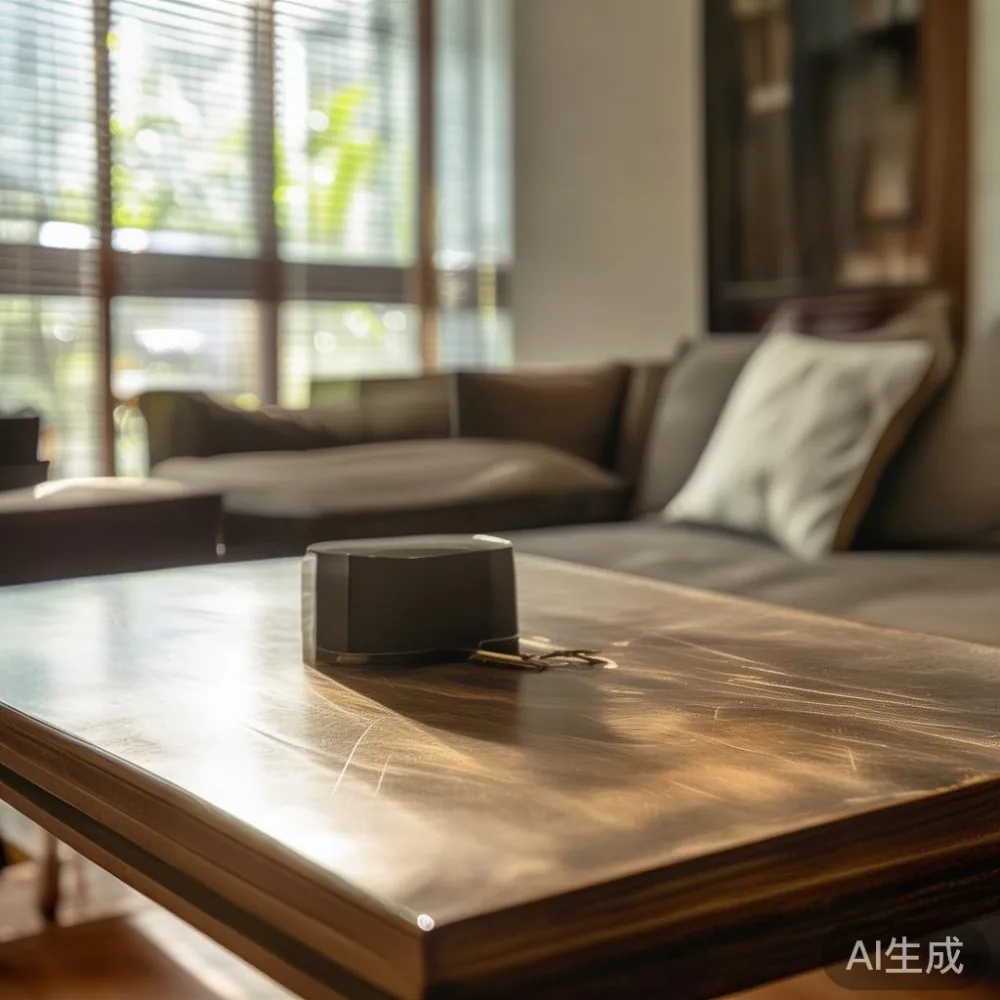
The chemical composition of nitrate lacquers provides high transparency and hardness, suitable for protecting hardwood species like teak or walnut. However, extreme temperatures can soften resin binders temporarily. During peak summer afternoons in Singapore, indoor surfaces reach higher thermal readings than ambient air suggests. This phenomenon causes the varnish layer to expand slightly beyond the underlying wood fibers. Over time, repeated expansion and contraction cycles lead to craquelure, visible as fine cracking patterns. To mitigate this risk, maintain consistent room temperatures year-round. Air conditioning units help regulate thermal stress on the material. If a scratch occurs, a professional technician can apply localized touch-up markers designed for gloss finishes. These products blend smoothly with surrounding surfaces to mask damage effectively.
Cost Considerations Including Goods and Services Tax
Pricing for imported solid wood furniture includes various fees payable upon entry into Singapore. Current Good and Services Tax rates apply to the declared value of goods exceeding customs thresholds. Shipping costs vary based on volume weight calculations in cubic meters versus actual mass in kilograms. Free shipping promotions often trigger purchases over three hundred fifty United States Dollars equivalent in Singapore Dollars. Customers should calculate total landed costs before committing to high-value items. An elegant marble table with intricate carvings involves additional freight charges due to fragility. Storage insurance covers transit delays or accidents during loading. Budgeting accurately ensures unexpected taxes do not strain household finances prematurely.
What is the difference between French neoclassical wardrobe and modern furniture?
The primary distinction lies in decorative detailing rather than functional utility. French neoclassical wardrobes feature carved moldings, curved legs, and brass hardware handles finished in gold tones. Modern furniture prioritizes straight lines, flat panels, and concealed mechanisms for storage accessibility. French pieces often utilize mahogany or cherry woods stained dark to highlight ornamental depth. Modern iterations prefer lighter oak veneers or white lacquer surfaces emphasizing minimalism. Both styles offer substantial storage capacity, yet the visual impact differs drastically within living spaces. Choosing between them depends on personal taste regarding historical ornamentation versus contemporary simplicity.Step-by-Step Protocol for Daily Dusting
Daily cleaning prevents particulate buildup that traps moisture against the finish. Begin by using a soft bristle brush to dislodge debris from corners and edges. Follow with a dry lint-free cloth wiping along the wood grain direction. Never scrub across the grain as this creates micro-scratches visible under bright lighting. For stubborn spots, dampen a portion of the cloth with distilled water sparingly. Wipe immediately with a separate dry towel to prevent soaking. This method applies universally to beds frames, nightstands, and shelving units alike. Learning how to clean a nightstand correctly preserves drawer glides and ensures smooth operation. Accumulated grease from hands transfers easily onto handle knobs, attracting grime over weeks of use.
Light luxury design trends now blend solid wood with metal elements frequently. Many sofas feature stainless steel legs supporting heavy timber seats. This combination requires distinct care strategies depending on material properties. While lacquered wood faces swelling risks, metallic legs resist corrosion unless saltwater exposure occurs in coastal zones like Changi beach nearby. Polished chrome finishes show fingerprints readily compared to matte brushed nickel options. Owners of mixed-material collections benefit from understanding the chemistry behind each component. Mild acidic solutions remove oxidation on metal parts without harming adjacent wooden planks. Testing unknown chemicals on inconspicuous areas verifies compatibility before full application.
Warranty Coverage and Structural Integrity
The manufacturer backs their structural framework with a decade-long guarantee starting from date of purchase. This coverage addresses defects arising from manufacturing processes rather than external misuse. If joints loosen due to settling foundations in newer buildings, repair technicians rectify the alignment at no cost. Lifetime refinishing services allow the original factory to refinish the surface after twenty years if desired. This extends the lifecycle beyond initial expectations significantly. Buyers retain proof of warranty registration digitally or via physical certificates included in packaging. Keeping records facilitates claim processing should issues arise later in the ownership period. Documentation proves purchase date and model specifications clearly to support service requests efficiently.
Investing in furniture requires balancing budgetary limits with long-term durability. While cheaper alternatives exist online, lower-grade composites lack the density needed for structural stability. Solid wood construction supports weight distribution evenly across legs and slats. A typical dining set accommodates eight adults comfortably without sagging. Load testing confirms maximum capacity ratings well above residential requirements. Replacing damaged units annually incurs unnecessary financial burden. Investing upfront reduces cumulative spending over fifteen to twenty years. Maintaining the lacquer finish protects this investment against environmental wear. Regular inspections identify small faults before they escalate into major repairs.
Comparative analysis shows lacquered surfaces outperform paint finishes in wear resistance. Paint chips easily when struck by sharp objects, whereas lacquer absorbs impact through elasticity. Scratch recovery happens naturally within hours as resins flow back into microscopic fissures. This self-healing property relies on specific curing temperatures applied during factory baking. Consumers should verify curing processes match standards set by Foshan regulations. Non-compliant batches may fail to achieve expected hardness ratings. Quality assurance checks ensure product meets minimum ISO standards before export departure. Certifications validate performance claims made during sales negotiations with distributors.
Sites dedicated to metal furniture often showcase similar durability narratives regarding surface protection. Although metal does not absorb moisture, powder coatings degrade under intense ultraviolet radiation over time. Wood absorbs moisture, requiring climate control measures inside homes. Hybrid designs combine both materials to maximize strength and aesthetic warmth. A glass-top table supported by wrought iron legs blends functionality with artistic expression. Care instructions specify avoiding prolonged standing water near metal bases to prevent rusting. Simultaneously, wood tops require immediate blotting if spills occur. Awareness of dual-material vulnerabilities enhances maintenance efficiency throughout the home environment.
Ultimately, preserving furniture condition depends on owner vigilance and proper knowledge application. Climate adaptation strategies reduce risk factors associated with tropical living arrangements. Proactive measures save money on restoration fees later. Consulting specialists familiar with regional weather patterns provides actionable advice tailored to local conditions. Professionals visiting sites like ours recommend specific treatments for specific wood types. Teak responds differently than Pine or Oak when exposed to salt air near the coast. Knowing material differences informs purchasing decisions before installation begins. Detailed communication ensures satisfaction with final outcome regardless of geographic location.
Longevity defines true luxury in interior design contexts. Expensive pieces lose value quickly if neglected improperly. Attention to detail separates premium acquisitions from temporary commodities. Solid construction supports generations of users within families. Proper care maintains resale value in secondary markets where demand exists for vintage or pre-owned items. Collectors appreciate authentic craftsmanship over mass-produced replicas lacking character. Documenting history of ownership adds provenance value to antique classifications. Ensuring original finishes remain intact increases appraisal scores substantially during valuation audits performed by certified experts internationally.
Consistent attention yields results proportional to effort invested. Weekly dusting plus monthly polishing keeps surfaces pristine indefinitely. Seasonal deep cleans remove accumulated residue hidden beneath layers. Professional intervention becomes optional when routine maintenance succeeds consistently. Feedback loops from customers indicate high satisfaction rates following protocol adherence. Shared experiences inform collective learning communities sharing tips on social platforms. Open dialogue fosters trust between brands and end-users building relationships over extended periods successfully. Future developments in coating technology promise even greater resistance to humidity exposure globally.
Conclusion on Sustainable Practices
Environmental responsibility intersects with furniture selection choices today. Sourcing timber from certified sustainable forests ensures ecological balance remains preserved. Production methods minimize waste generation through efficient cutting layouts optimizing board utilization ratios. Recyclable packaging materials reduce landfill contributions from shipping operations. Water-based lacquer formulations eliminate harmful solvent emissions entering the atmosphere during curing phases. Compliance with green building standards supports broader sustainability goals adopted by architects and designers nationwide. Choosing eco-friendly options contributes positively to community health outcomes over time.
Incorporating these principles into daily habits simplifies ownership responsibilities dramatically. Clear instructions guide users toward effective upkeep practices accessible to everyone. Education empowers consumers to make informed decisions aligned with lifestyle preferences. Whether residing in compact HDB units or spacious landed properties, appropriate care adapts to available space configurations. Flexibility allows customization of schedules fitting busy work-life balances typical among working professionals managing households independently. Prioritizing maintenance ensures peace of mind knowing assets remain secure and functional for anticipated duration.
Tropical resilience defines success for furniture exported to Southeast Asian markets. Manufacturers adapt recipes specifically for humid zones increasing shelf life potential considerably. Adaptation strategies include thicker primer coats sealing porous grain structures effectively. Additional topcoats add extra thickness enhancing scratch resistance without altering texture feel. Customization options accommodate diverse user preferences regarding gloss levels ranging from satin to high-gloss. Personal touches differentiate standard offerings into bespoke experiences reflecting individual tastes uniquely. Satisfaction derives from fulfilling specific desires precisely matching requirements exactly.