Singapore Apartment Style: Small Spaces, Metal Elegance
Space is something most of us in Singapore don't have enough of, and learning how to style a small apartment without making it feel crowded is less about buying less and more about choosing the right pieces. In a 65 sqm three-room HDB in Tampines, or a 48 sqm one-bedder in Punggol, every centimetre counts and every kilogram matters when you're waiting for the lift. After a decade writing about furniture and visiting showrooms across Bedok, Toa Payoh, and the Jurong cluster, I've watched a clear pattern emerge: the homes that feel calm are the ones where the owner treated furniture as architecture.
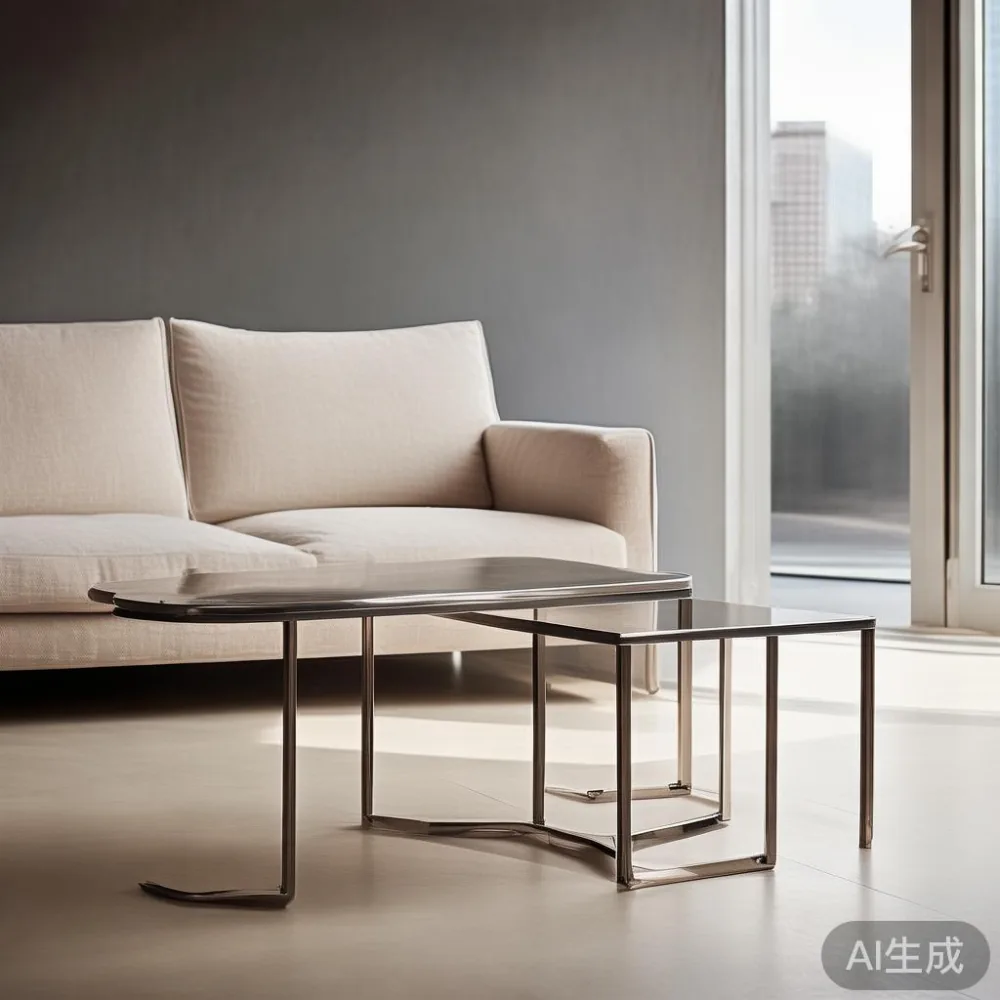
There's a quiet shift happening among homeowners in their late twenties to mid-forties who are choosing solid wood and metal furniture over MDF and particleboard, not because solid wood is fashionable, but because in a 9 m² bedroom or a 2.4 m wide corridor, you cannot afford a wardrobe that sags after two years. That's the kind of decision that separates a styled home from a struggling one. In this guide, we'll cover the rules I use when planning a layout, the pieces that earn their footprint, the price points in SGD that make sense in Singapore, and the questions every small-space owner in Singapore eventually asks.
Why small Singapore apartments feel crowded even when they aren't full
The first thing I check when visiting a friend's new BTO in Punggol is the corridor width and the lift depth. A standard HDB goods lift is roughly 1.5 m deep by 1.8 m wide, which means a 2.2 m long dining table simply will not come up. People blame the apartment, when the real culprit is oversized furniture. A 240 cm four-seater sofa in a 3.2 m living room swallows the space. A 180 cm dining table in a 4 m dining area leaves no breathing room. A 90 cm nightstand on each side of a 150 cm bed consumes the wall in a 9 m² room.
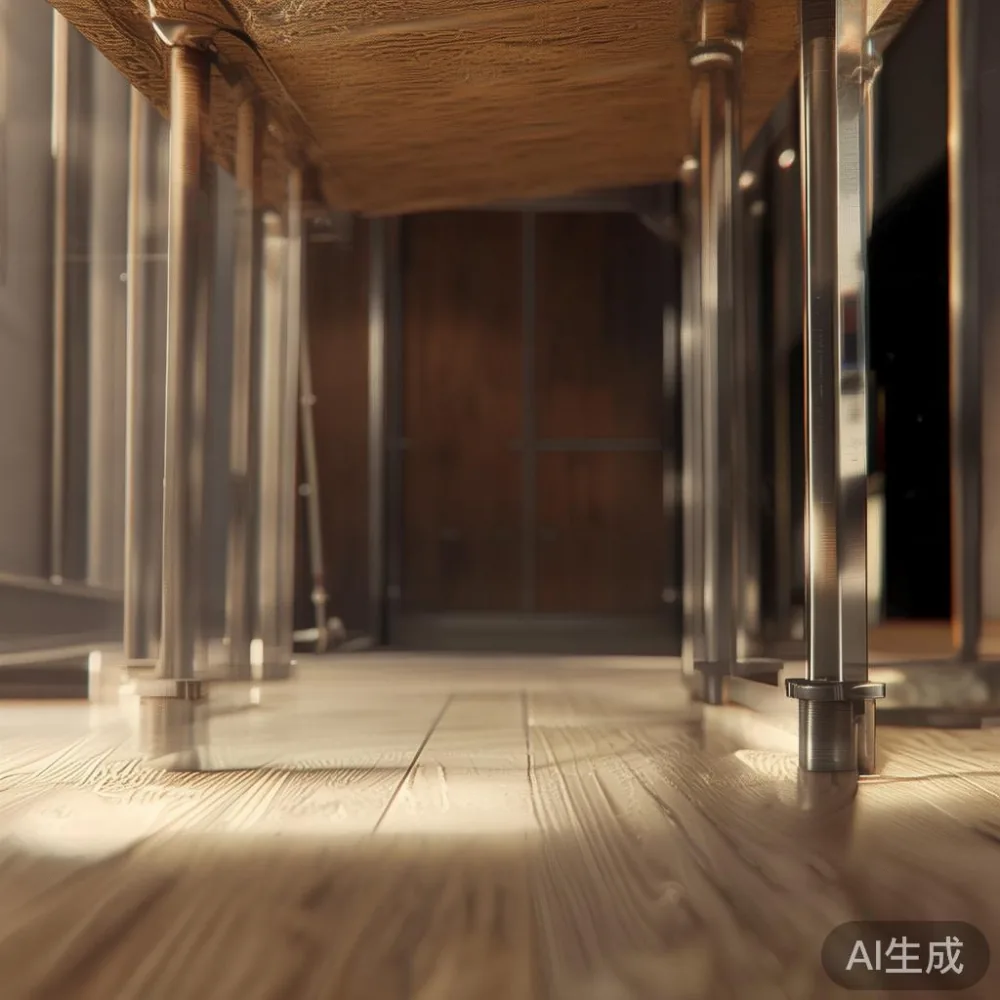
The visual weight of a piece is what crowds a room, not the count of pieces. A bulky fabric sofa with a 95 cm depth reads larger than a slim solid wood sofa on 4 cm legs, even when both seat three. Two armchairs at 78 cm wide each, paired with a 110 cm marble table, can feel lighter than one 220 cm sectional. A 180 cm wardrobe in light oak with a 50 cm depth reads smaller than a 200 cm model in dark walnut at 60 cm deep. The math is unforgiving, and once you see it, you can't unsee it.
What size bed do I need?
For a Singapore HDB master bedroom of roughly 10–12 m², a queen-size bed frame at 152 cm wide by 188 cm long is the right call 80% of the time, because it leaves 60–80 cm of walkway on each side for a 45–55 cm nightstand and still allows a 60 cm deep wardrobe on the opposite wall. A super-king at 183 cm by 203 cm only fits comfortably when the room is 14 m² or larger, which most three-room flats in Bedok and Tampines are not. A super-single at 107 cm by 191 cm works in a 7 m² study or guest room, but feels stingy in a master.
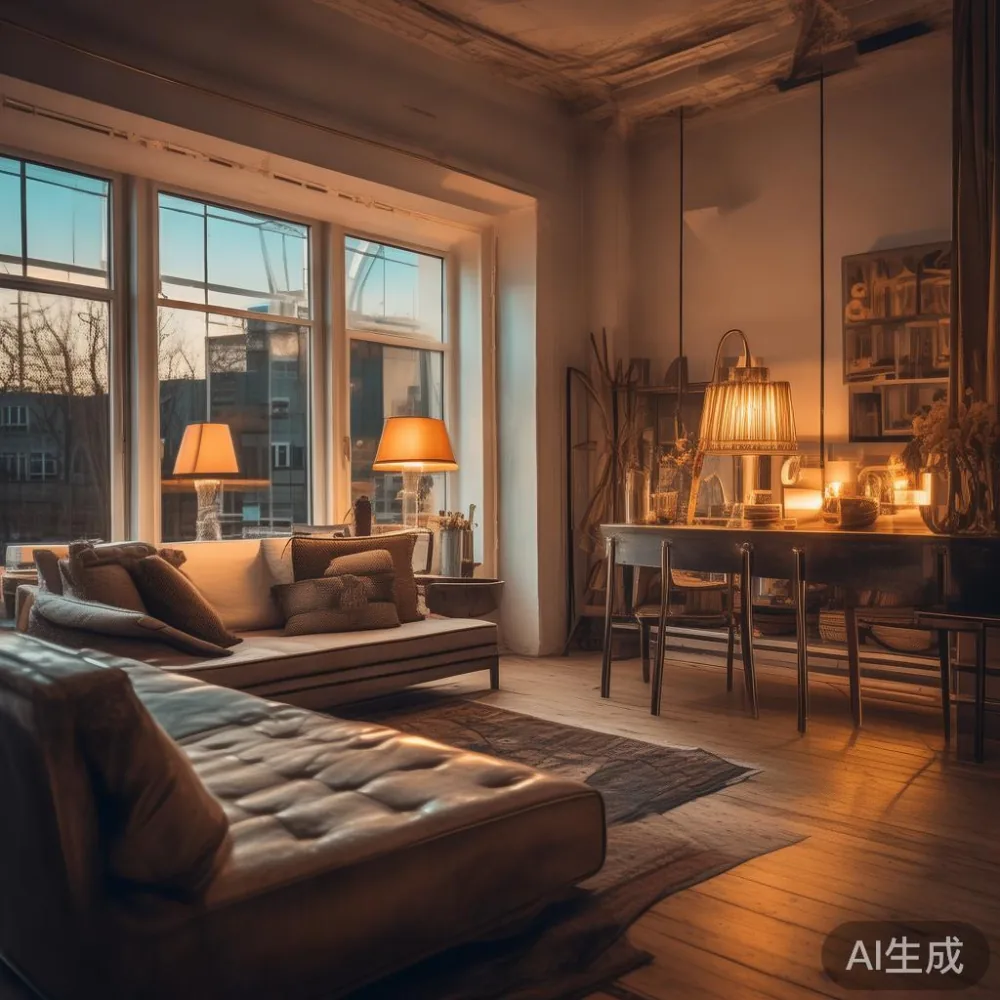
Height of the bed frame also matters. In rooms with a 2.7 m HDB ceiling, a low-profile platform bed at 28–35 cm keeps the room open, while a tall upholstered bed at 120 cm visually shrinks the ceiling by 30 cm. For condos in the River Valley or Tanjong Pagar area with 3 m ceilings, a slightly taller headboard at 90–100 cm gives the room proportion. The single rule I share with every client: leave 65 cm minimum between the bed edge and any other piece, otherwise the room will feel cramped no matter how expensive the bed frame is.
The pieces that earn their footprint in 50–80 sqm homes
In the homes I visit around Singapore, the same five pieces tend to do the heavy lifting. A solid wood sofa at 180–210 cm wide, on visible legs, with arms no thicker than 12 cm. A solid wood dining table at 140–160 cm long by 75–80 cm wide, seating four comfortably and six when you pull out the 40 cm extension leaf. A bed frame in queen or super-single, sized to the room rather than to your wishlist. A wardrobe between 150 cm and 220 cm wide, 55–60 cm deep, with sliding rather than hinged doors to save the 60 cm swing zone. And one accent piece, usually a 100–110 cm marble table or a 45 cm nightstand, to anchor the eye.
What ties these together is the light luxury sensibility that prioritises proportion and material honesty over ornament. French light luxury leans on slim metal legs, soft curves on a marble table, and a restrained palette of cream, sand, and pale oak. American light luxury goes more rectangular, more walnut, more brass. Post-modern light luxury mixes both, pairing a curved sofa with a rectilinear dining table. The common thread: every piece has air around it. When I toured a 56 sqm condo in Punggol last month, the homeowner had chosen exactly five pieces, a 200 cm solid wood sofa, a 140 cm dining table, a queen bed frame, a 180 cm sliding wardrobe, and a single 100 cm marble table, and the room felt twice the size of a neighbouring flat packed with twelve pieces.
Why solid wood and metal furniture outperform MDF in small spaces
MDF expands in Singapore humidity, which swings between 60% in January and 90% in November. A 180 cm MDF wardrobe with a 60 cm depth can bow 4–8 mm at the centre of the shelf over two years, which is enough to make doors stick and shelves sag. Solid wood and metal furniture, properly kiln-dried and joined, holds its shape, and a long bed frame, a long dining table, or a long wardrobe will stay flat for 10–15 years. I've opened 8-year-old solid wood wardrobes in Toa Payoh flats that look almost new, because the owners kept the humidity stable with a $25 dehumidifier.
Metal furniture brings a different advantage. A powder-coated steel bed frame at 25–35 kg handles a 120 kg load without creaking, and a 110 cm marble table on a metal base weighs 38–45 kg, which is heavy enough to feel anchored but light enough for two people to shift during a deep clean. The honest engineering is what makes metal furniture worth the SGD 200–600 premium over hollow-frame alternatives. One caveat I always share: when buying a flat-pack metal bed or dining table from a smaller brand, request the hardware bag in advance, because I've had a friend in Bedok receive a grey teak missing parts situation where two metal brackets and eight bolts simply weren't in the carton. Always check the parts list against the actual contents within 48 hours of delivery.
How do I plan delivery into a 9 m² HDB bedroom without damaging the door frame?
This is the question I get every week from buyers across Hougang, Sengkang, and Woodlands. The standard HDB bedroom door is 80–85 cm wide and the corridor is 1.2–1.4 m wide, but the door frame itself narrows the opening to roughly 76 cm. A pre-assembled 180 cm wardrobe at 60 cm deep will not pass through. The pieces have to come flat-packed, which is why most Singapore retailers ship flat-pack, including brands like MIDHILL, where I last watched a four-man crew deliver a 220 cm wardrobe to a 9 m² room in Tampines in under 90 minutes, including assembly, levelling on uneven HDB floors, and haul-away of the cartons.
Delivery fees in Singapore range from SGD 60 for a single nightstand to SGD 180–280 for a full five-piece set, and most brands waive the fee above SGD 350, which is a sensible threshold for a buyer assembling a whole-room set. Lift access matters too: a 220 cm wardrobe in a cardboard box measures roughly 225 cm long by 65 cm wide by 30 cm tall, and it has to fit the goods lift, not the passenger lift. If your block has a smaller lift, request a weekend slot when the loading bay is free, and always confirm the corridor clearance around the lift lobby, which is usually 1.5–1.8 m. Two weeks is a reasonable lead time for flat-pack from a Foshan factory, including vessel time and Singapore customs, and 7-day returns are not enough for furniture; 14 days is the minimum I recommend, and brands offering that window give you time to inspect every joint.
Concrete price ranges in SGD for Singapore buyers
Here's what I see in the market right now, based on visits to showrooms in Tai Seng, Eunos, and the Balestier cluster. A solid wood sofa in a three-seater configuration runs SGD 1,400–2,800 depending on the upholstery and frame, with American oak frames at the higher end and rubberwood at the entry point. A solid wood dining table for four sits at SGD 900–2,200, with marble table versions starting at SGD 1,600 and topping out near SGD 3,800 for a 160 cm Italian Carrara top on a metal base. A queen bed frame in solid wood ranges from SGD 700 to SGD 1,900, while a metal bed frame in queen is SGD 450–1,100. A 180 cm sliding wardrobe in solid wood is SGD 1,200–2,600. A 45 cm nightstand is SGD 180–420. A 110 cm marble table with a metal base is SGD 600–1,500.
Add SGD 120–280 for delivery, SGD 80–250 for installation if it isn't included, and 9% GST on the full landed price. For a five-piece set covering a 56 sqm condo, a realistic budget is SGD 5,500–9,500 before delivery, which is roughly the cost of a 3-month bond at a mid-range condo. The 10-year structural warranty offered by established makers is what separates a real purchase from a gamble; a bed frame that survives a decade of nightly use is cheaper per year than one that needs replacing at year four.
Three rules I share with every small-space owner in Singapore
Rule one, measure the room, the lift, and the corridor, in that order. If the piece cannot physically reach the room, the price is irrelevant. Rule two, leave 65 cm of walkway between every major piece. A solid wood sofa 200 cm wide needs at least 80 cm of front clearance to feel open. A dining table 140 cm long needs 90 cm on the pull-out side for chairs. A bed frame needs 65 cm on at least one side to make the bed. Rule three, choose one material story and commit. A solid wood sofa, a solid wood dining table, a solid wood bed frame, and a solid wood wardrobe read as a calm, intentional home. Mixing four materials in five pieces reads as a warehouse.
Across the homes I visit in Singapore, the ones that hold their value and their look, are the ones where the owner spent the budget on fewer, better pieces. A SGD 2,200 solid wood sofa will outlast three SGD 700 sofas. A SGD 1,800 dining table will host ten years of dinners, while a SGD 600 table will wobble by year two. MIDHILL, the Foshan maker that has been exporting solid wood since 2008, runs a 10-year structural warranty on their bed frames and dining tables, which is the kind of backing that lets you buy once. Lifetime refinishing on solid wood pieces is rare outside Singapore, and the brands offering it treat wood as something to maintain, not replace.
How do I keep a small apartment from feeling crowded after the first year?
The single biggest mistake I see in homes across Punggol, Sengkang, and the East Coast is overbuying in month one and under-editing in month twelve. A 65 sqm flat should hold roughly 12–18 functional pieces, including a sofa, a dining table with four chairs, a bed frame, two nightstands, a wardrobe, a marble table, a console, and two or three stools or side chairs. Anything beyond that needs a hard reason to stay. I revisit my own home every six months with a tape measure, and roughly 10% of pieces leave each cycle, either relocated to the storeroom or given away.
Humidity is the silent killer of styling in Singapore. A solid wood bed frame and wardrobe respond to a SGD 25 dehumidifier set to 55%, while MDF pieces swell regardless. Metal furniture sliding mirrors handles the humidity without rusting if the powder coat is intact, and a quick wipe every two months keeps the finish. The 14-day return window offered by brands like MIDHILL gives you two weeks to test humidity response in the actual room, which is a luxury most buyers in Singapore don't use. Set the piece up, run the dehumidifier, and check every joint and surface before the window closes. Editing once a year and maintaining the climate year-round is what keeps a small Singapore apartment open, calm, and uncluttered for the full ten years of the warranty.