Caring for a Lacquered Surface in a Tropical Climate
Living in Singapore, with its consistently high humidity and temperatures that hover between 26°C and 31°C, presents a unique challenge for homeowners with fine furniture. This is especially true for those who appreciate the sleek, reflective beauty of a lacquered finish. A high-quality lacquer coating, applied to metal furniture, can transform a functional piece into a stunning centrepiece, catching the light and adding a touch of French light luxury to a space. However, this same finish can be susceptible to environmental stressors, from condensation to dust accumulation. Understanding how to properly care for your lacquered surfaces is not about preserving perfection; it's about maintaining the integrity and beauty of your investment for years to come.
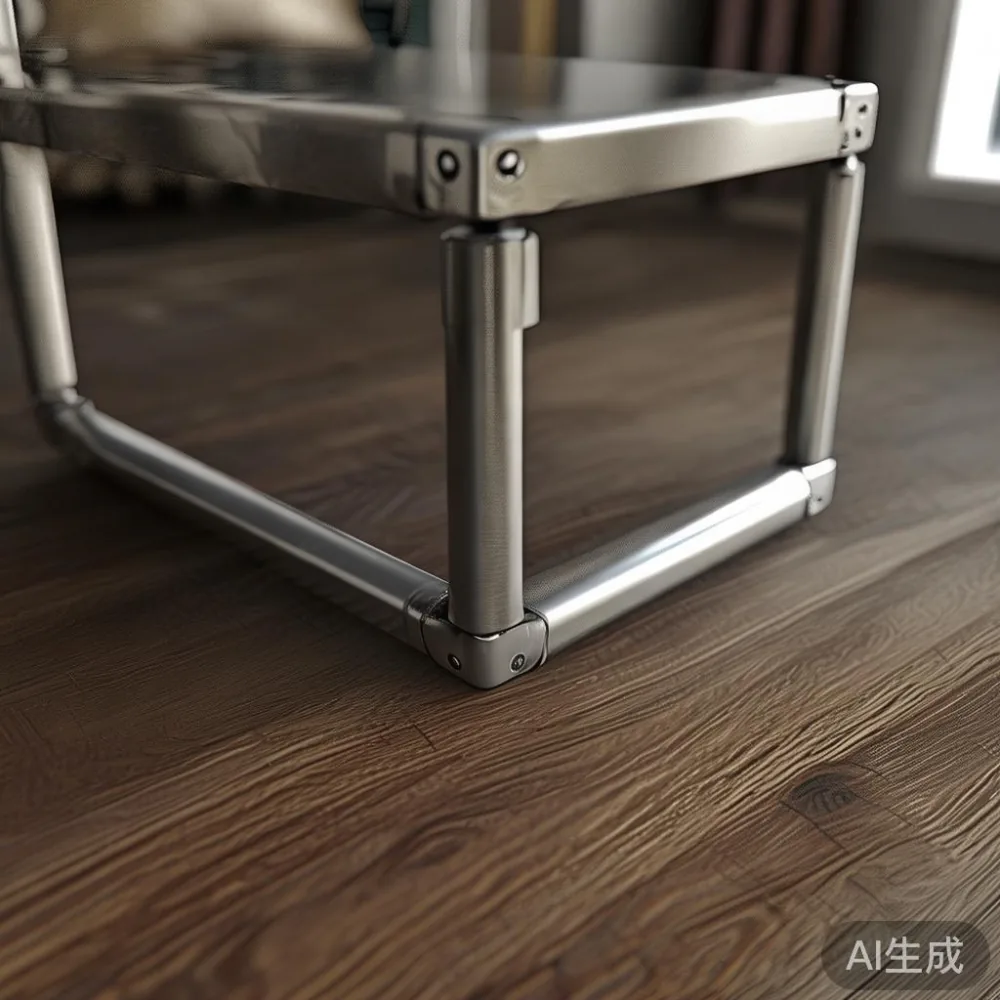
Why Does Singapore's Climate Affect Lacquered Furniture?
The core issue is moisture. Singapore's relative humidity rarely drops below 70%, often climbing to 85% or higher. This constant moisture in the air has a direct impact on both the metal substrate and the lacquer finish on your furniture. For metal furniture, high humidity can accelerate the risk of corrosion, especially in the joints and less visible areas. For the lacquer, the primary threats are moisture spots, a cloudy appearance, and the potential for the finish to soften or become sticky under prolonged heat and humidity.
Consider the environment of a typical HDB flat in Tampines or a condo in Punggol. The air-conditioned living room offers some protection, but momentary exposure occurs when windows are opened for ventilation or when furniture is moved between rooms. A solid wood sofa or a marble table might be more forgiving, but a finely lacquered metal surface requires a more attentive approach. The goal is to create a stable micro-environment around your furniture, buffering it from the extremes of the Singaporean climate.
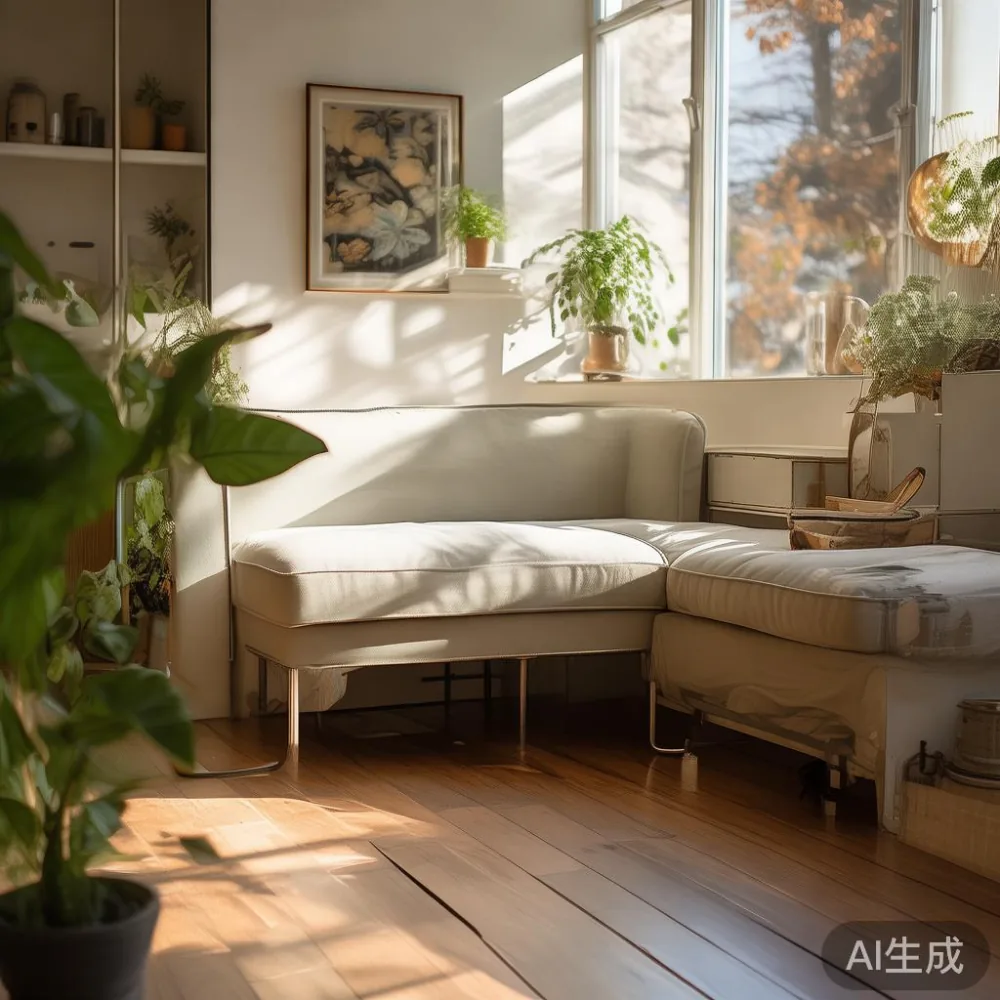
What is the Best Way to Dust a Lacquered Surface?
Regular dusting is the most fundamental form of care, and doing it correctly prevents micro-scratches that can dull the finish over time. The wrong technique can be as damaging as no cleaning at all. You should never use a dry, rough cloth or a feather duster, as these can drag abrasive particles across the surface, creating fine scratches.
The ideal tool is a soft, lint-free microfiber cloth. A slightly damp cloth is acceptable for light dusting, but it must be wrung out thoroughly so that it is barely damp. The technique is key: always wipe in a single, consistent direction rather than in a circular motion. This prevents the dust from being ground into the finish. For a marble table or a lacquered wardrobe, this gentle, directional wipe is all that is needed on a daily or weekly basis to keep the surface pristine.
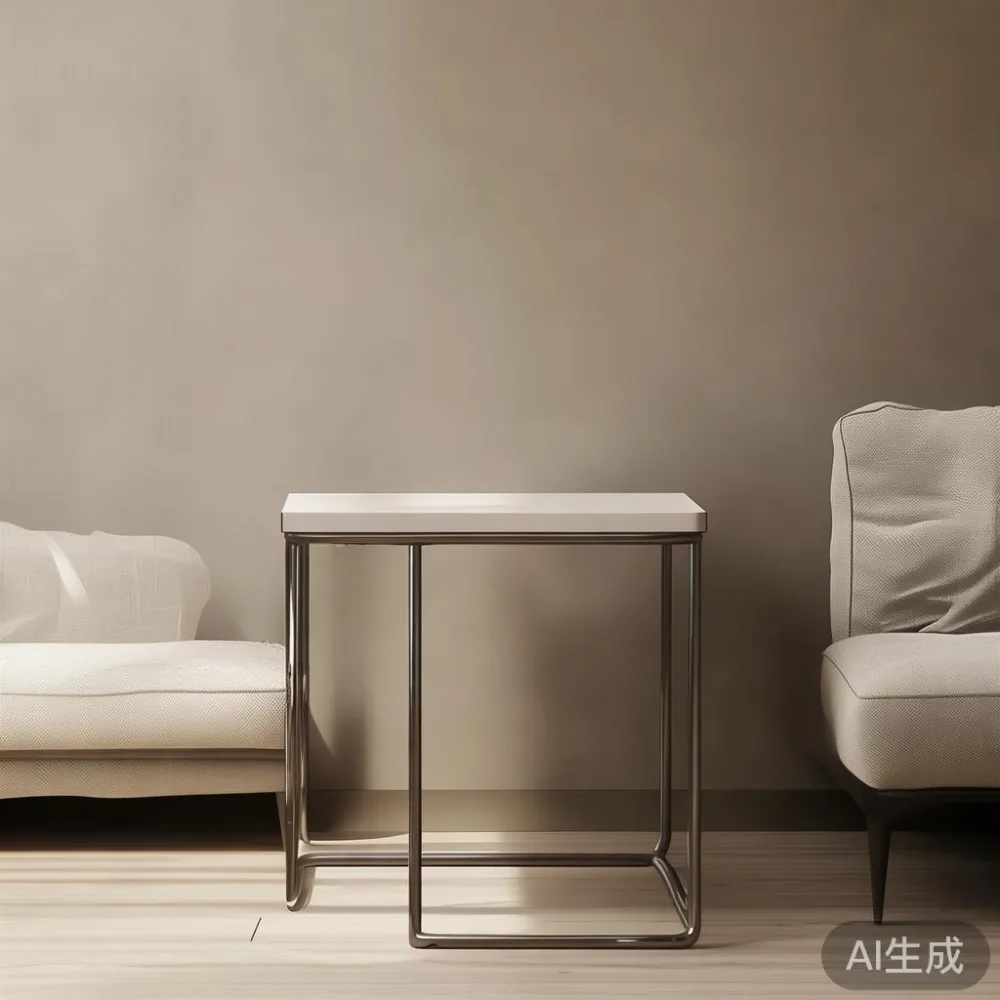
Last month, I visited a client in a Bedok condominium who had a beautiful, minimalist metal console table with a high-gloss lacquer finish. She had been using a standard kitchen towel to wipe it down, and over time, the surface had lost its deep shine and appeared hazy. I showed her how a simple switch to a damp microfiber cloth, used with light, straight strokes, removed the haze and restored the mirror-like quality. The difference was immediate and striking.
How Should I Clean Stubborn Stains on My Lacquered Metal Furniture?
Despite your best efforts, accidents happen. A water ring from a cold drink, a smudge from a fingerprint, or a spot of food requires prompt and careful attention. The first rule is to act quickly. The longer a substance sits on the lacquer, the greater the chance it will penetrate or cause a chemical reaction.
For water spots or general smudges, start with a clean, soft cloth dampened with distilled water. Distilled water is preferable to tap water as it contains no minerals that could leave behind a residue. Wipe the area gently. If the mark persists, you can use a solution of one part mild, pH-neutral dish soap to ten parts distilled water. Apply this solution to the cloth, not directly onto the furniture, and wipe the spot. Immediately follow with a clean cloth dampened with distilled water to remove any soap residue. Dry the area with a third, soft, dry cloth. This three-step process—clean, rinse, dry—is effective for most common household stains.
For more stubborn marks, such as ink or oil, a specialized lacquer cleaner is necessary. These products are formulated to be gentle on the finish while effective at breaking down tougher substances. Always test any new cleaner on an inconspicuous area, such as the inside of a drawer or the underside of a nightstand, first. Apply a small amount to the test area, wait for 30 seconds, and wipe away. If there is no discolouration or damage, you can proceed with cleaning the visible stain.
Can I Place Hot Items or Use Chemical Cleaners on Lacquered Surfaces?
The direct answer is no. Placing hot items on a lacquered surface is one of the fastest ways to damage it. The intense heat can cause the lacquer to soften, creating a permanent ring or even melting the finish. This is a critical point of care for a dining table. Always use trivets, coasters, or placemats under hot dishes, cups, and serving plates. A marble table top is an excellent choice for dining as its natural thermal properties help protect the surface, but the metal base supporting it still requires protection from direct heat.
Chemical cleaners are equally destructive. Common household products like bleach, ammonia-based window cleaners, and abrasive scouring powders will strip the lacquer, leaving it dull, discoloured, or permanently damaged. Even furniture polishes that contain silicone or wax can create a cloudy buildup over time, diminishing the finish's clarity. Stick to the mild cleaning solutions mentioned previously. The integrity of your metal furniture's finish depends on respecting its limitations.
When arranging your furniture, be mindful of placement. Avoid positioning a lacquered wardrobe or bed frame directly under an air-conditioning vent, as the sudden, direct blast of cold air can cause condensation to form on the surface. Similarly, keep it away from direct sunlight, which can fade the colour and cause the finish to become brittle over many years.
What is the Long-Term Maintenance Routine for Lacquered Metal Furniture?
Caring for your lacquered furniture is not just about reacting to problems; it's about a consistent, long-term routine that prevents them from occurring. This proactive approach ensures your pieces retain their light luxury appeal for decades. A simple monthly routine can make a significant difference.
Once a month, give your furniture a more thorough cleaning. After dusting, use a soft cloth lightly dampened with your mild soap solution to wipe down the entire surface. Pay special attention to areas that are frequently touched, like the arms of a solid wood sofa or the handles of a wardrobe. After wiping, immediately buff the surface with a clean, dry microfiber cloth. This final step restores the high-gloss shine and helps to polish away any micro-abrasions from daily use.
For those who appreciate a specific aesthetic, such as a Japanese for dining room theme, the clean lines and reflective surfaces of well-maintained lacquered metal furniture are a perfect complement. The discipline of this care routine becomes part of the lifestyle. Similarly, if you are considering for sale Industrial furniture with a distressed metal finish, understanding how to care for a pristine lacquered version helps you appreciate the craftsmanship involved. For items like a nightstand, this monthly polish takes only a minute but preserves its beauty for years.
Is it Possible to Restore a Damaged Lacquered Finish?
Minor scratches and dullness can often be buffed out, but significant damage is another matter. For fine scratches that have not penetrated through to the metal, a high-quality car polish can sometimes be used. Apply a small amount to a soft cloth and, using very gentle, circular motions, buff the scratch. This can fill the scratch and level the surrounding finish, making it less visible. Always test on a hidden spot first.
p>However, if the lacquer has been chipped, deeply scratched, or stained, professional refinishing is the only viable option. Attempting to touch it up yourself with store-bought paints or markers will almost always result in a patchy, unprofessional finish. A professional refinisher can strip the old lacquer and apply a new, factory-quality finish. Given that many high-end pieces come with a lifetime refinishing warranty, it is wise to check the terms of your purchase. For example, a reputable maker might offer to refinish a piece for a nominal fee after a certain period, ensuring your metal furniture looks as good as new.
This commitment to longevity is part of what defines quality furniture. A piece that can be restored, rather than replaced, is a sustainable and economically sound choice. It reflects a shift away from disposable culture towards a more considered approach to home furnishings, where value is measured in decades of use, not just years.
How Do I Choose Metal Furniture That Can Withstand Singapore's Humidity?
Prevention is always better than cure. When selecting new metal furniture for your Singapore home, paying attention to the construction and finish can save you a great deal of maintenance work down the line. Look for pieces made from corrosion-resistant metals like stainless steel or aluminium, which are less prone to rust in humid conditions. The quality of the lacquer is paramount. A furniture maker with a 10-year structural warranty, like one established in 2008 and exporting to 15+ countries, often uses a multi-layered, baked-on lacquer process that is far more durable than a simple spray paint.
Consider the practicalities of your living space. In an HDB flat, the lift and corridor widths are standard, so ensure your furniture can work through these spaces. A large marble table, for instance, might require careful planning for delivery. Also, factor in the 9% GST on your purchase. While a piece of light luxury for bedroom furniture might represent a higher initial investment, its durability and timeless design mean it will not need to be replaced frequently, making it a cost-effective choice over time.
When you are browsing online and see a listing for midhillco, take a close look at the product descriptions and images. Do they mention the type of finish and its protective qualities? A reputable brand will be transparent about this. Asking questions like "is Japanese bed worth it?" or "is Mid-century modern sofa worth it?" is a good start, but you should also ask specifically about the finish's resistance to humidity and heat. This ensures your beautiful new piece, whether it's a vintage for guest room nightstand or a statement dining table, remains a source of pride in your home for years to come.