Small Flats, Light Luxury: How to Style Metal Furniture Without the Crowd
A compact HDB flat in Tampines or a slim condo in Bedok can still feel calm, generous and carefully composed. The difference usually lies in furniture footprint, visual weight and the way each piece meets the next. Narrow lift doors, shallow corridors and tightly grouped dining zones reward restraint, while warm metal details can give a room character without filling it with bulky forms.
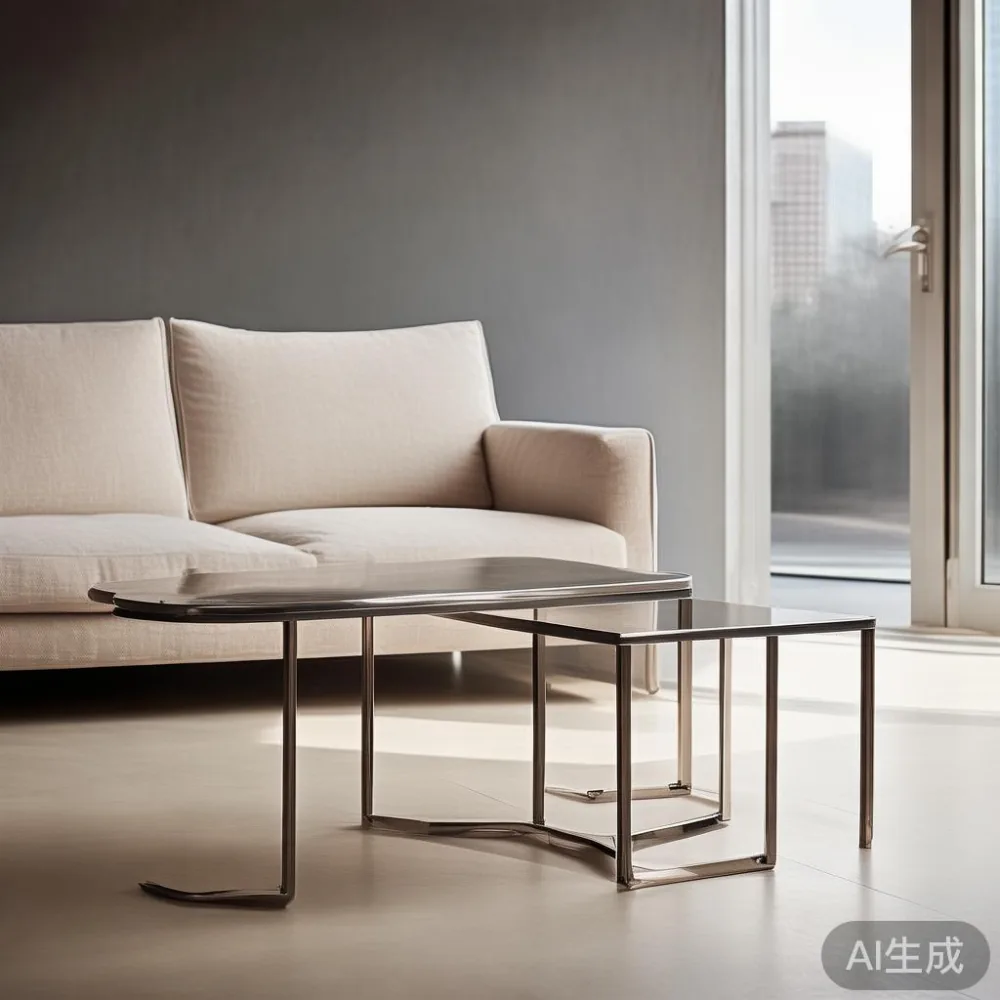
At MIDHILL, our approach to solid wood and metal furniture is practical: measure before you buy, think in centimetres and test the room from several angles. A 90 cm sofa may look modest on a product page yet occupy 210 cm once its frame, cushions and clearance are considered. Likewise, a 160 cm dining table can feel generous in a showroom but cramped beside a 70 cm walkway. Light luxury here does not mean visual excess. It means proportion, material contrast and one considered focal point.
How can I make a small Singapore flat feel less crowded?
Begin with the 90 cm rule. Leave approximately 90 cm for a main circulation route, 60 cm for secondary movement and at least 45 cm between a dining chair and the table edge when someone is seated. These are planning guides rather than fixed building rules, but they help prevent the squeezed feeling that appears when furniture is placed according to empty-floor dimensions alone.
For HDB living rooms, wall-hung storage or a low sideboard can shift the visual centre upward. In a Punggol condo, replace a deep coffee table with a 70 cm round table if the route between the sofa and kitchen is narrower than 110 cm. Use the same discipline with a solid wood sofa: a 180–200 cm width suits many three-seat layouts, while a 160–170 cm model can preserve space in an unusually compact room.
Metal furniture belongs in this conversation because slim frames, open bases and slender supports preserve visible floor area. A powder-coated console, glass-topped dining table or metal-frame nightstand can carry function without the mass of a full timber carcass. Keep finishes coordinated. Two brushed-brass details may look intentional; five unrelated shiny accents may make the room feel busier.
What measurements should I take before ordering?
Measure the room at 3 locations: 20 cm above the floor, around 120 cm and near the ceiling. Singapore walls, skirting and air-conditioning openings are not always perfectly consistent. Record the length and width of every opening, including sliding door panels, and note the direction in which they move.
Next, measure the lift and corridor, not just the home. Typical HDB access corridors may be around 120–150 cm wide, while some condo service corridors and lift lobbies are tighter. A boxed dining table can measure 120 × 80 cm but become difficult to manoeuvre through a 90 cm doorway when turned vertically. Ask the supplier for the packaged dimensions, and check whether the product can be partly disassembled.
Check delivery access with the building management before placing an order. For large wardrobes, confirm whether the item can enter through the service entrance, whether flooring protection is required and whether the delivery team needs a booking. MIDHILL delivery timing is commonly 7–21 days for in-stock pieces and 21–45 days for made-to-order items, although remote locations and peak periods can extend the schedule. GST is added at checkout for Singapore orders, and the final payable amount should appear clearly before payment.
I visited a compact Bedok flat last month and watched a common mistake unfold. The homeowner had ordered a 180 cm solid wood sofa after measuring only the wall, overlooking a 15 cm projecting column and a 90 cm balcony door. The sofa fitted, but daily circulation required sideways movement. We re-planned it with a 165 cm sofa, moved the television to a 140 cm floating console and used a 50 cm round marble table. The room immediately had approximately 30 cm more usable breathing space near the window.
Which metal pieces create the most visual space?
Choose open, thin-lined forms. A 120 cm metal console with a 28 cm depth can hold a router, keys and a lamp while keeping the floor visible beneath it. A round metal coffee table with a 65–70 cm diameter can sit in front of a compact sofa without interrupting the main path. Narrow metal dining chairs with slim backs make a 100–120 cm dining table easier to use than a heavier upholstered chair that projects 60 cm from the seat.
For a 3-room or 4-room HDB kitchen, a 120–140 cm dining table with a metal frame and solid wood top can serve daily meals without requiring a separate dining room. A table that seats 4 needs about 140 cm of length for reasonable elbow room; a 90 cm round version can seat 3, but may be less practical for a rice cooker and serving dishes. Consider the dining table as a working surface, not simply a decorative object.
Metal furniture also works well in balcony or study corners because it combines a small footprint with visual structure. A 40 cm metal-frame nightstand beside a 90 cm bed leaves 50 cm of reading space, while a 35 cm wall shelf can carry books and a charging lamp. Keep objects grouped rather than spread across every surface. This is the heart of French light luxury in a small home: edited composition, fine proportions and restraint, rather than an abundance of accessories.
Can I mix a light luxury sofa with compact metal furniture?
Yes, if the scale and finish language agree. A low-profile light luxury sofa can pair with a slim black metal console, while a warm oak frame may suit brushed brass or bronze supports. The question to ask is not whether the categories “match,” but whether the visual weight feels balanced across the room.
When comparing a light luxury sofa vs Nordic sofa, consider pitch, depth and the height of the back. A deep seat may look plush but consume 95–105 cm, whereas a 85–90 cm seat depth suits compact living rooms. A Nordic-style sofa usually presents a simpler silhouette, which can reduce visual clutter; a light luxury sofa may add shaped arms or channel detailing that needs adequate floor space to remain legible.
Use metal furniture as a counterweight. If the sofa has curved arms, a straight-lined metal table can provide structure. If the table has ornate legs, choose a simpler sofa and one polished metal accent. Avoid matching every element exactly. Post-modern for small living room styling often works through a controlled contrast of curves, rectilinear frames and tactile wood grain.
A practical Singapore layout might combine a 180 cm solid wood sofa, two 55 cm metal-frame dining chairs and a 70 cm round coffee table. In an open-plan unit, place the sofa parallel to the dining edge rather than around a central rectangle. That single change can preserve a continuous route from the entrance to the balcony and make the home feel larger.
How should I plan the bedroom for narrow HDB rooms?
A 90 × 190 cm bed leaves roughly 35–50 cm on one side in a 180 cm room, which is enough for a slim nightstand but not a generous wardrobe route. A queen bed at 150 × 200 cm needs a room width of at least 230–240 cm for practical circulation, subject to door swings and storage access. Check the mattress size and bed frame together; a frame labelled queen may measure 160–170 cm across.
For a narrow bedroom, a 35–40 cm deep solid wood nightstand or a 30 cm metal pedestal can support a lamp and phone without taking precious width. Wall-mounted lights are another space-saving option, provided the electrical work is handled appropriately. The bed frame should stand close to the wall where possible, while still allowing mattress ventilation and safe access for cleaning.
Many buyers search for the best Mid-century modern bed for 2026 because tapered legs and clean profiles complement compact layouts. Choose a design with a stable 12–15 cm clearance under the frame only if daily cleaning and robot-mower access are priorities. In smaller rooms, a plinth base can look visually substantial and reduce the chance of items disappearing underneath, although it uses more floor volume than a raised frame.
Wardrobes should be considered as architecture rather than an isolated purchase. A 150 cm sliding-door wardrobe can suit a 230 cm wall, while hinged doors require clearance when open. An open metal clothing rail may work in a studio or study, but it needs a defined section of wall so clothes do not create a soft visual mass. MIDHILL bed frames and wardrobes can be planned around these clearances before delivery.
What should I know about dining tables, marble and delivery?
Table sizing starts with place settings. Allow about 55–60 cm per diner and add 10 cm beyond the outermost settings for serving. A 120 cm rectangular dining table seats 4 comfortably in many apartments, while 140–150 cm suits 4–6. Round tables encourage conversation and reduce sharp corners in a tight family zone, yet a 90 cm diameter still leaves only about 15 cm between seated occupants and the table edge.
Solid wood and marble offer different practical qualities. A 2.5 cm solid wood dining top gives warmth and can be refinished, while a marble surface needs careful handling around acidic liquids and may require more protection from heat and impact. A 6–8 mm marble top on a stable metal frame can create a light appearance, but the total load, support spacing and edge treatment matter.
If you are comparing under 2000 Rustic furniture listings with solid wood pieces, check what the price includes. Confirm whether the table is solid timber throughout, veneered, or solid wood only on the visible surfaces. Also check the leg material, finish, dimensions, assembly requirements and warranty. For trade buyers, MIDHILL dining table wholesale enquiries should state the required quantity, destination, target specification and expected delivery window.
Marble table delivery should include a separate inspection for chips or cracks because stone damage is not always visible through the outer carton. Lift the carton if access permits, photograph the edges and keep the packaging until the table has been checked. For anyone searching for sale Japanese furniture, understand that origin claims should be supported with product-level information rather than broad category language.
How can I create a calm, light-luxury finish?
Use a limited palette of 3 main colours and 2 metal accents. Warm white walls, light oak and soft taupe create a quiet base; matte black metal adds definition, while brushed brass introduces a small moment of French light luxury. A single marble table can serve as the focal point, supported by a solid wood bed frame or dining table nearby.
Keep accessories useful and proportional. On a 45 cm console, group a 22 cm lamp, a 15 cm tray and one framed object within a 30 cm-wide zone. Leave the other 15 cm visually open. Curtains should stop just above the floor rather than puddle across it, while larger rugs should fit fully beneath the front legs of the sofa and dining chairs where possible.
American light luxury often favours comfortable upholstery, clean millwork and layered lighting, but the principle for a small flat remains the same: texture should create depth, not obstruction. Choose curtains with a lightweight fabric, use two 12–15 W lamps instead of one bright ceiling fitting, and keep the visible cable route concealed. Post-modern restraint comes from pairing just 2 distinctive materials, such as solid wood and slim metal furniture.
Finally, protect the layout through a 14-day return process where applicable, but check exclusions for made-to-order products, custom dimensions and upholstery selection. Review the care instructions before installing furniture near windows, where Singapore humidity, UV exposure and salt air can affect finishes over time. Wipe metal frames with a soft damp cloth, use coasters on wood, and address spills promptly.
A well-styled small apartment is not defined by having less furniture. It is defined by giving every piece a clear job, measuring the spaces between objects and allowing the architecture to remain visible. A 70 cm round table, a 180 cm solid wood sofa and one slender metal console can make a modest flat feel more composed than a room filled with oversized pieces. Measure twice, order once, and keep the route from door to window open.