The Silent Enemy: How Humidity Shapes Your Furniture in Singapore
In the heart of Southeast Asia, Singapore presents a unique living environment. Its tropical climate, with year-round high humidity levels averaging between 70% and 90%, is a defining characteristic of daily life. This constant moisture in the air, while pleasant for the skin, poses a significant and often silent threat to the integrity and longevity of furniture, especially solid wood pieces. For residents working through the compact spaces of HDB flats in Tampines, Bedok, or Punggol, the choice of furniture is not merely aesthetic; it's a long-term investment in a home that must withstand a specific environmental challenge. Understanding the relationship between humidity and wood is the first step towards making informed decisions that ensure your furniture remains beautiful and functional for decades.
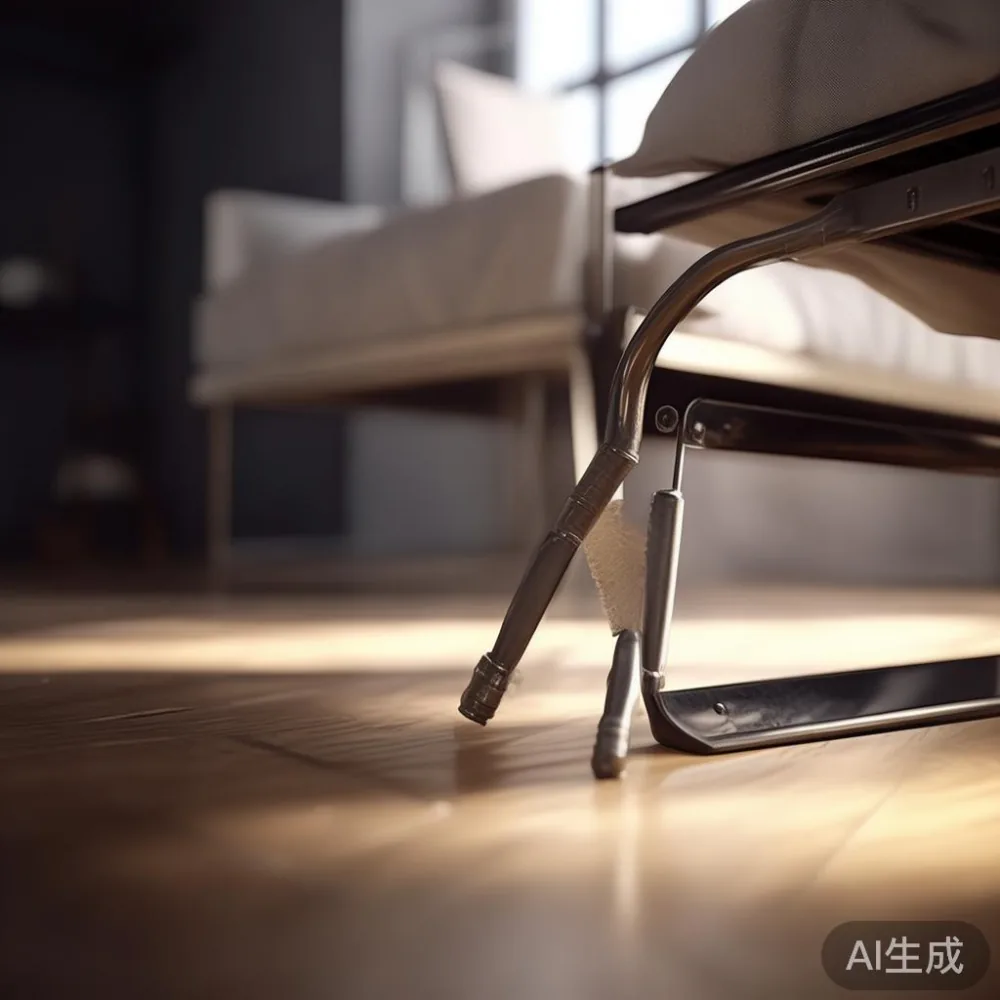
What Exactly is Humidity and Why Does It Matter?
Humidity refers to the concentration of water vapour present in the air. In Singapore, this is rarely an issue of dryness. Instead, the air is saturated with moisture, creating a constant dampness that is absorbed by porous materials like wood. Think of wood as a natural sponge. When the humidity is high, wood absorbs moisture from the surrounding air. Conversely, when the humidity drops, the wood releases that moisture back into the atmosphere. This continuous cycle of absorption and release causes the wood to expand and contract.
The extent of this movement is not uniform. A solid wood dining table measuring 180 cm in length can expand and contract by as much as 1.5 cm over a year due to Singapore's humidity fluctuations. This might seem like a small amount, but over time, this repeated stress can lead to significant problems. For metal furniture, which is non-porous, this is not an issue, but the combination of wood and metal in a single piece requires careful engineering. The differential expansion between the materials can cause stress points, leading to loosened joints, cracked veneers, or even structural failure if not properly addressed from the outset.
Visible Signs of Humidity Damage on Your Furniture
The effects of high humidity are not always hidden. Over time, they manifest in several tell-tale signs that every homeowner in Singapore should recognize. The most common is the phenomenon of 'cupping' or 'warping'. This occurs when the surface of a solid wood plank, such as a nightstand or wardrobe door, expands more than its core, causing it to curl upwards along the edges. A door that once closed smoothly might now bind or scrape against the frame, a clear indicator of internal stress.
Another sign is the appearance of small cracks or 'checks' on the surface of the wood. As the wood expands beyond its capacity, the fibres separate, creating fine lines. These are most visible on large, flat surfaces like a dining table or the side panels of a bed frame. The gaps between panels of a wardrobe or cabinet can also widen. A door that once had a 2 mm gap might now have a 5 mm gap, allowing more dust to enter and compromising the furniture's insulation properties. For those who have invested in a marble table top, the movement of the wooden base it is mounted on can cause the marble to shift or even crack if the support structure is not stable enough.
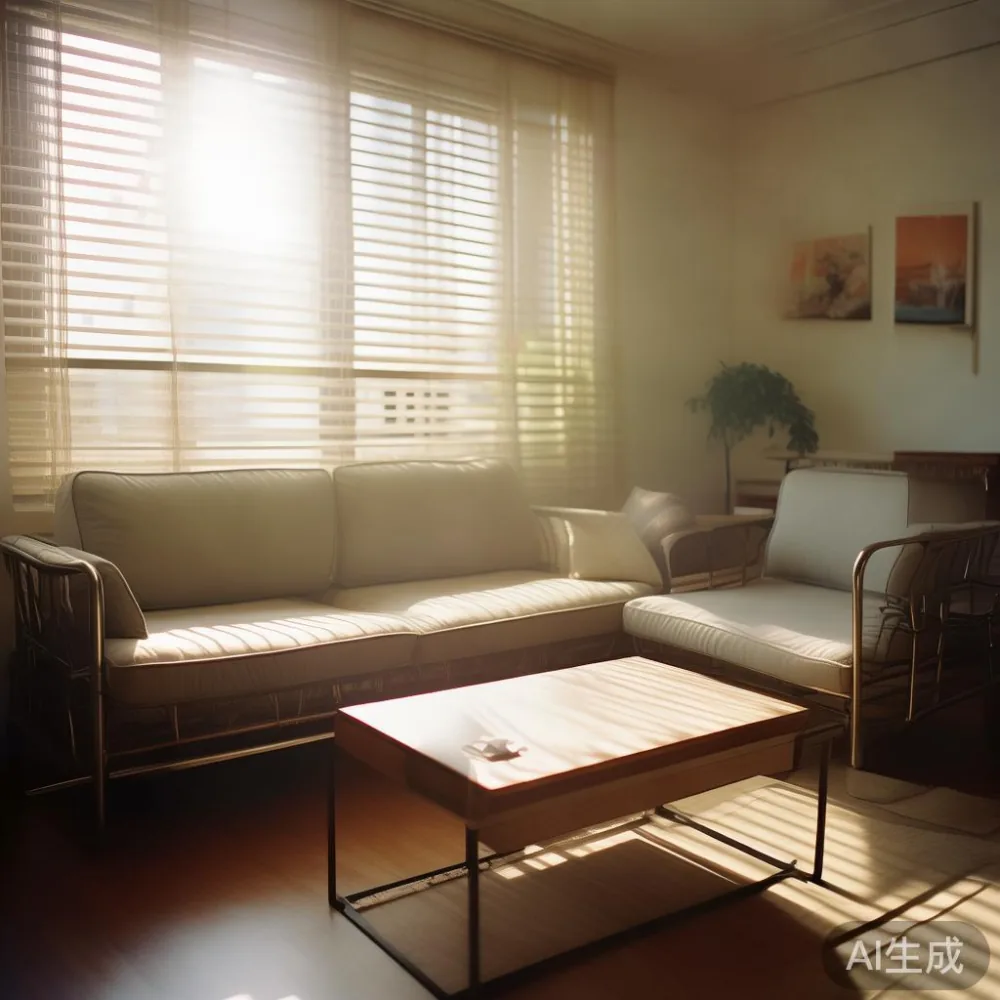
How Singapore's Specific Living Conditions Amplify the Problem
Singapore's unique urban landscape adds another layer of complexity. The widespread use of air conditioning in HDB flats and condos creates microclimates within the home. The air-conditioned living room might have a humidity level of 50%, while the non-air-conditioned balcony or a bathroom remains at 85%. This sharp transition zone is where the most damage occurs. A solid wood sofa placed near an air-conditioning vent will experience rapid cooling and drying, causing it to shrink and potentially crack on the side facing the vent.
The physical dimensions of Singaporean homes also play a role. Corridors and lift landings in older estates like Tampines or Bedok are often narrow. A large wardrobe being delivered must work through these tight spaces, increasing the risk of bumps and knocks that can compromise a piece already stressed by humidity. Also, the 9% Goods and Services Tax (GST) is applied to all furniture purchases, making it a more significant investment. When a SGD 3,500 wardrobe or a SGD 5,000 solid wood sofa begins to warp after just two years, the financial loss is substantial. This is why the initial quality and material choice are paramount. The price difference between a poorly constructed piece and a well-engineered one is an investment in longevity, not just an upfront cost.
How to Choose French Bed in a Humid Climate?
When selecting a bed for a humid Singaporean bedroom, the construction is far more important than the style. The question is not just about finding a French bed that looks elegant, but one that is built to last. The key lies in the joinery. A bed frame held together with simple butt joints and glue is highly susceptible to failure. Look for frames that use traditional, stronger joinery methods like mortise and tenon or dovetail joints. These interlocking designs create a mechanical bond that can better withstand the constant expansion and contraction of the wood, preventing the frame from becoming loose or wobbly over time.
The type of wood finish is another critical factor. A thick, multi-layered lacquer or a high-quality oil finish provides a superior moisture barrier compared to a thin, cheap varnish. This finish protects the wood from direct contact with humid air, slowing down the absorption process. For those considering a European light luxury bed vs Modern bed, the classic styles often feature more solid wood construction, which, while requiring careful selection, can offer better long-term stability than some minimalist modern designs that rely on laminated boards or thin veneers. The choice of a MIDHILL bed, for instance, often incorporates these solid construction principles, ensuring the frame remains stable and beautiful in a high-humidity environment.
Protecting Your Existing Furniture: Practical Maintenance Tips
If you already own solid wood furniture, don't despair. Proper maintenance can significantly extend its life and mitigate the effects of humidity. The most effective strategy is to maintain a stable environment within your home. Using a dehumidifier in particularly damp areas like storerooms or bedrooms without air conditioning can help keep humidity levels more consistent. Aim to keep the relative humidity between 45% and 55% if possible.
Regular care is also important. Dust your furniture weekly with a soft, dry cloth to remove any abrasive particles. Every 3 to 6 months, depending on usage, apply a high-quality furniture polish or oil. This replenishes the protective layer on the wood's surface, enhancing its resistance to moisture. For a marble table, wipe up spills immediately, especially acidic liquids like coffee or wine, which can etch the surface. Avoid placing hot items directly on the wood or marble, as heat can damage the finish and make the wood more porous. Placing coasters under glasses and placemats under plates is a simple habit that prevents moisture rings and heat damage.
Why Metal Furniture is a Pragmatic Choice for Singapore
Given the challenges posed by humidity, it's worth considering metal furniture as a highly durable alternative. Unlike wood, metal does not absorb moisture, so it will not expand, contract, warp, or crack. This makes it an exceptionally stable choice for Singapore's climate. A metal-framed sofa or bed frame will maintain its shape and structural integrity for years with minimal maintenance, often requiring nothing more than occasional wiping with a damp cloth to remove dust.
Modern metal furniture has evolved far beyond the cold, industrial look of the past. Today, it is available in a vast array of styles, from sleek and minimalist to ornate and luxurious. You can find metal furniture that complements any aesthetic, from post-modern light luxury with its clean lines and metallic accents to more traditional designs. The stability of metal also allows for more daring design elements, such as slender legs or expansive surfaces, without the risk of warping that would plague a wooden equivalent. For those looking for for sale Rustic furniture, metal can be an excellent choice, often combined with distressed wood accents to achieve a warm yet durable look. The longevity of well-made metal furniture represents a sound investment, protecting your purchase from the silent damage of humidity.
A Real-World Test: My Colleague's Experience with a Solid Wood Wardrobe
Last month, I visited the home of a colleague who had recently purchased a large, solid teak wardrobe for his master bedroom in a Punggol condo. He was proud of his purchase, having spent over SGD 4,000 on what he believed was a high-quality piece. Within six months, problems began to appear. The doors, which had once closed with a soft click, started to scrape against the frame. The gap at the top of the doors had widened from a neat 3 mm to an unsightly 8 mm, and the wood itself had a slightly 'wavy' appearance on the flat panels.
Upon closer inspection, the issue was clear. The wardrobe's internal frame was constructed using simple butt joints and relied heavily on glue. The humid Singapore air had caused the panels to expand, but the frame, being made of a different wood or with a different grain orientation, had expanded at a different rate. This differential movement had stressed the joints, causing them to loosen. My colleague's experience is a common one. It highlights that a high price tag does not always guarantee a piece of furniture that is suited for the local climate. This is why, when considering how to style French wardrobe in bedroom or any other style, the internal construction and the type of joinery used are just as important as the external design and finish.
How to Style French Sofa in Bedroom for a Light Luxury Look
Creating a light luxury aesthetic in a Singaporean bedroom is about balancing elegance with practicality. A French sofa, with its classic curves, plush upholstery, and often ornate details, can be the centerpiece of such a space. To style it effectively, start with the colour palette. Soft, neutral tones like cream, beige, or light grey work well, creating a serene and sophisticated backdrop. The sofa itself can be a statement piece in a bold colour like deep blue or emerald green, but ensure the surrounding elements are more subdued.
Complement the sofa with natural materials. A solid wood nightstand with a marble top adds texture and a touch of organic warmth. The contrast between the soft upholstery of the sofa and the hard, cool surfaces of the wood and marble creates a balanced and inviting composition. Lighting is key; a pair of elegant brass or crystal table lamps on the nightstand will enhance the light luxury feel. When choosing a best American sofa for 2026, look for designs that blend comfort with clean lines, making them suitable for a bedroom setting. The goal is to create a cohesive look that feels both luxurious and livable, a personal sanctuary that can withstand the test of time and humidity.