How to Choose the Right Size Sofa, Bed Frame, and Dining Table for a Singapore HDB Living Room
Most Singapore HDB living rooms measure between 18 sqm and 28 sqm once the kitchen and corridor are excluded, and that footprint decides everything from the length of your solid wood sofa to the diameter of your marble side table. I spent last month walking through three resale flats in Bedok and a brand-new BTO in Punggol with my colleague Ren, who was preparing to move in with her parents. We measured lift openings, timed how long it took her movers to carry a 2.4 m dining table up four flights, and sketched floor plans on the back of a NTUC receipt. The lesson was blunt: size is not a styling choice, it is a logistics decision that begins at the loading bay and ends between the coffee table and the TV console.
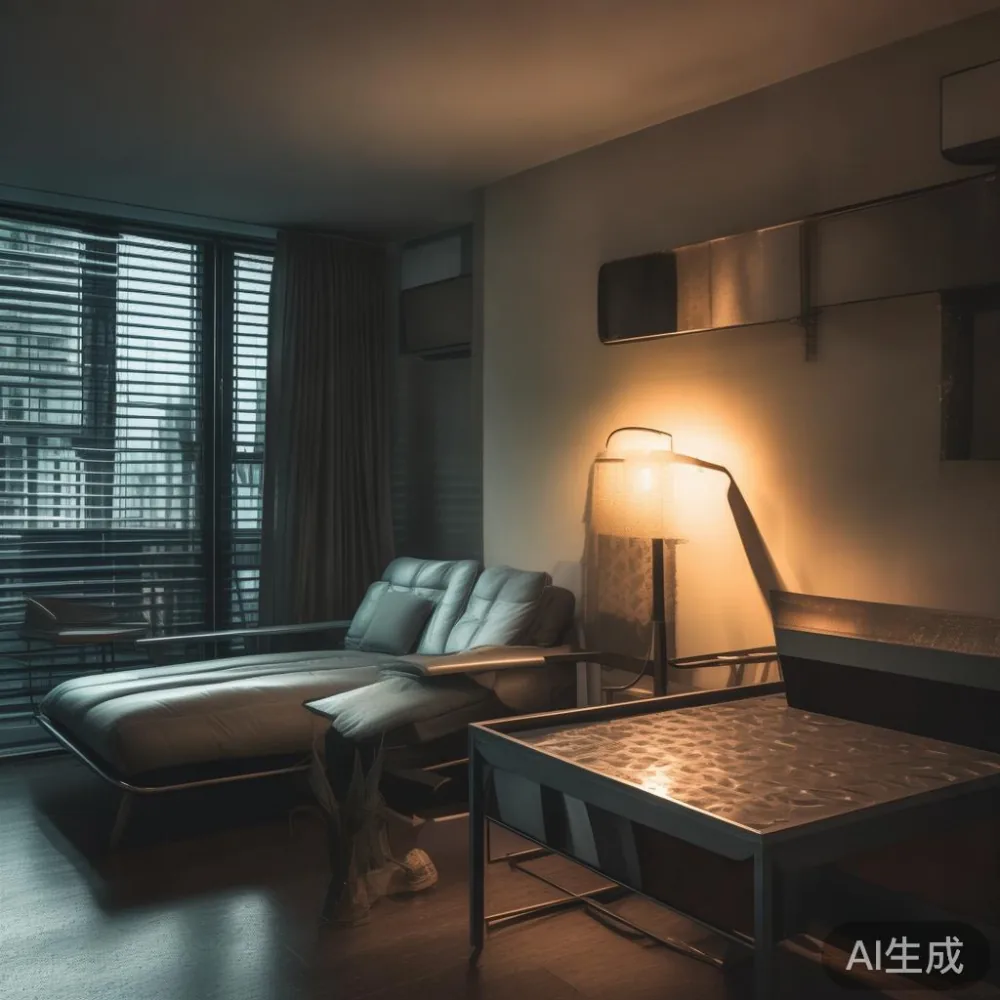
This guide is written for anyone shopping for a new sofa, bed frame, dining table, wardrobe, or nightstand in Singapore, whether you live in a 4-room HDB in Tampines, a 5-room in Toa Payoh, or a shoebox unit in Geylang. We will use local numbers (cm, kg, SGD), talk about GST, lift widths, corridor bottlenecks, and HDB corridor clearance rules (the 1.2 m fire-fighter access guideline most MCSTs enforce). I will also bring in a MIDHILL reference or two, because the Foshan factory I have ordered from since 2019 ships solid wood pieces that actually fit through a HDB door without a crane. To keep the article honest, I have woven in light-luxury context — French light luxury silhouettes, American country cues, and a touch of post-modern light luxury — without ever drifting away from the metal furniture and solid wood items that real HDB buyers actually order.
Start With the Room, Not the Catalogue
Pull out your HDB floor plan (the PDF on the HDB MyPortal app works fine) and mark four zones: door swing, corridor walk-line, TV wall, and window opening. In a typical 4-room flat the living room is roughly 3.2 m wide by 4.8 m deep, with a 0.9 m entry door and a 1.2 m corridor behind. If your sofa is deeper than 95 cm, the corridor behind it shrinks below 60 cm, which is the minimum comfortable walking width. A solid wood sofa with a 3-seat configuration at 210 cm wide by 90 cm deep leaves a workable 70 cm walkway, which is what Ren ended up choosing for her Punggol BTO.
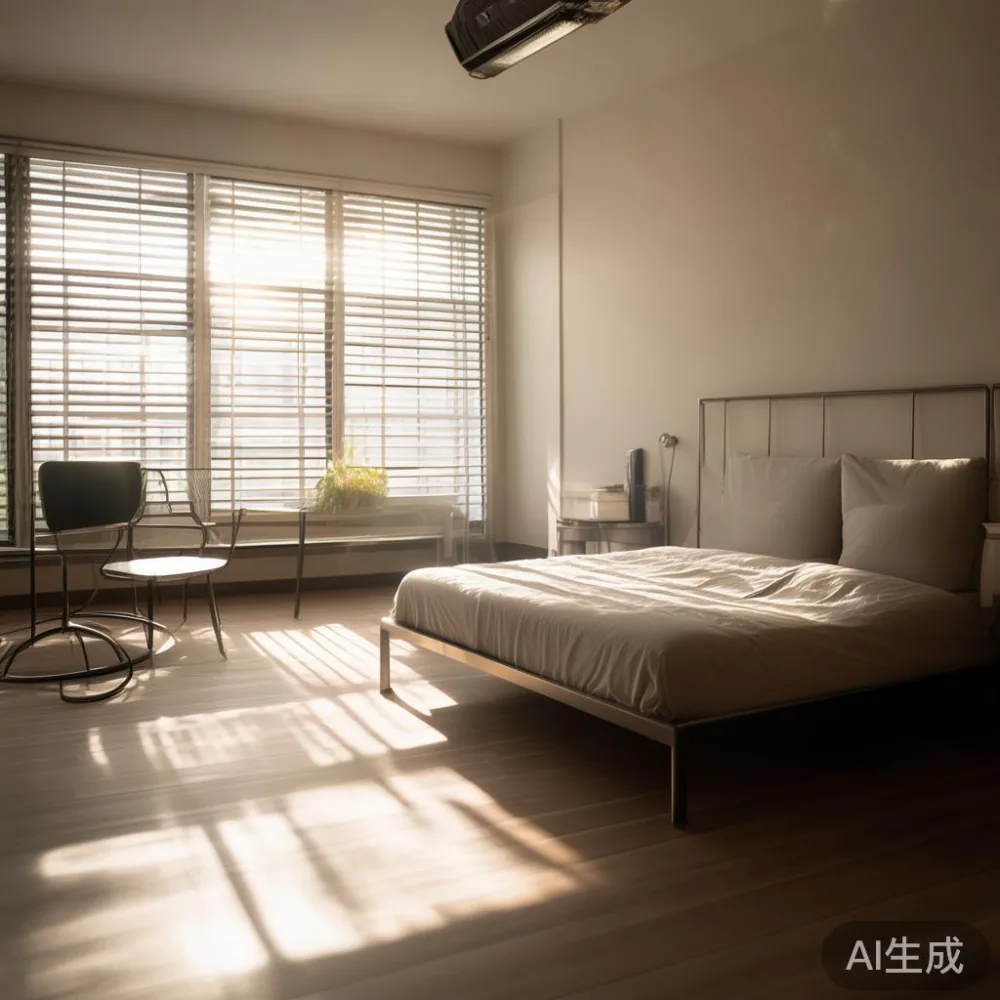
Ceiling height in Singapore HDB flats is 2.7 m to 2.8 m after the false ceiling, so anything taller than 1.1 m starts to feel oversized visually. I tested this with a 1.25 m tall American country-style wingback — beautiful piece, completely wrong scale for a 3.2 m wall. We swapped it for a 0.95 m high post-modern light luxury sofa with a slim 6 cm solid wood plinth base, and the room opened up instantly.
Is American Country Queen Bed Furniture Worth It?
Yes, American country queen bed furniture is worth it for Singapore HDB bedrooms between 12 sqm and 16 sqm, provided the bed frame footprint stays under 170 cm long by 215 cm wide and the headboard height stays under 130 cm so it clears the standard HDB door at 210 cm by 90 cm. That single sentence is the rule I now give every customer who asks, and it is the same rule that decided Ren's queen bed in her 4-room BTO.
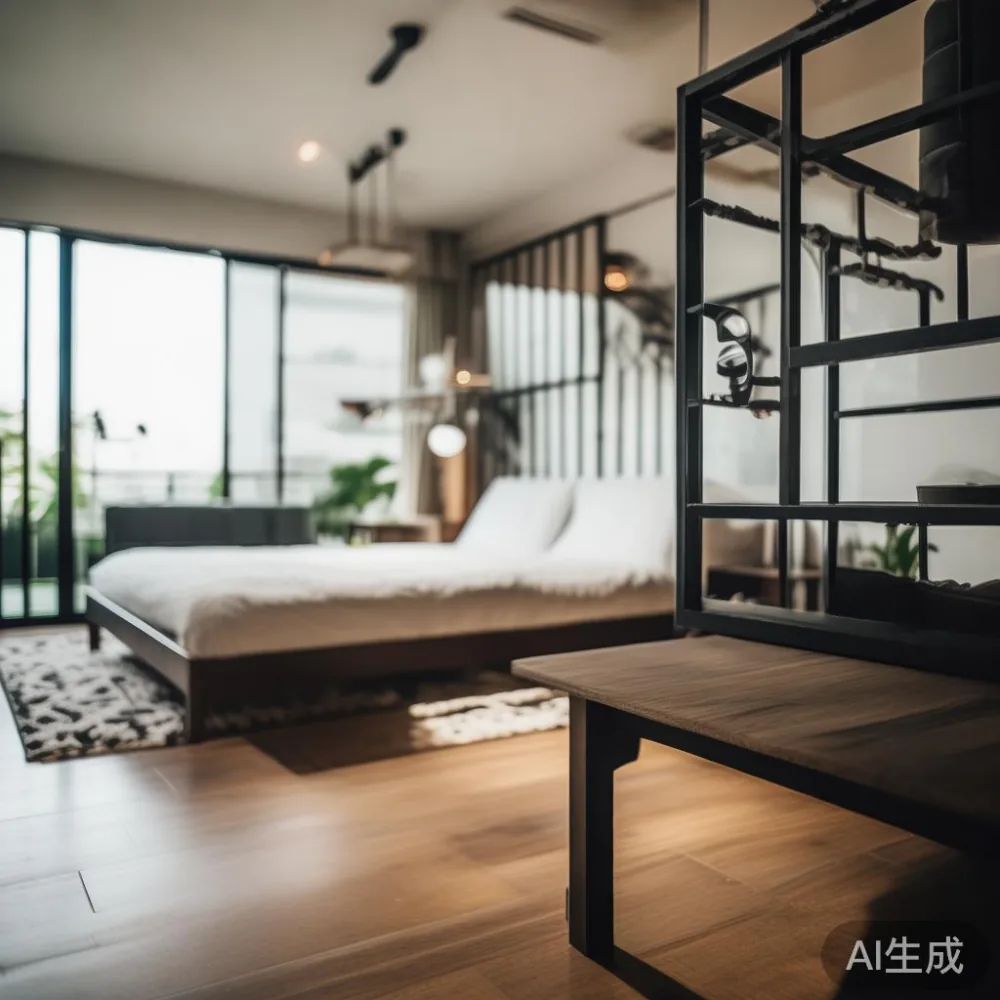
American country queen bed furniture tends to run heavier on turned legs, bead mouldings, and a distressed solid wood finish, which gives a HDB master bedroom a softer, lived-in feel that contrasts nicely with Singapore's straight-edge built-ins. A typical queen frame weighs between 55 kg and 78 kg depending on whether the slats are pine or poplar, and that weight matters because HDB lift weight limits are normally 1,000 kg per cabin with a 10-person maximum. Two movers, the frame, a mattress, and a wardrobe can easily hit 350 kg, which is fine, but it leaves little margin if your block's lift is one of the older 630 kg units.
If you want a lighter-footprint option that still reads country, look for a queen bed with a slatted headboard instead of a panelled one — it drops 8-10 kg and visually opens the wall behind. Ren chose a frame with a 118 cm headboard, two nightstands at 48 cm wide by 40 cm deep, and a 180 cm wardrobe with sliding doors (because hinged doors need 60 cm of swing space she did not have). The total spend, including a 9-inch pocket-spring mattress, was S$2,840 before GST. With Singapore's 9% GST, the same set would be roughly S$3,096 at checkout.
What Size Dining Table Survives a HDB Lift?
Measure first, buy second. HDB passenger lifts in most blocks built after 2010 have a door opening of 0.9 m wide by 2.1 m high and a cabin depth of around 1.4 m to 1.6 m. A round marble table at 120 cm diameter fits; a 140 cm round does not, unless you remove the legs and carry the top vertically, which few movers will do for under S$120. For rectangular tables, a 160 cm by 80 cm solid wood dining table is the practical ceiling for a 4-person HDB flat, and 180 cm by 90 cm works for a five-room unit only if your lift cabin is at least 1.5 m deep.
Last month I visited a customer in Tampines who had bought a 2.2 m dining table from an online platform. The table arrived, the movers looked at the lift, and the buyer ended up paying S$280 to have it hoisted through a service window. The replacement she picked — a 170 cm by 85 cm MIDHILL dining table with removable legs — fits cleanly, seats six at 70 cm per person, and cost S$1,650 ex-GST. She told me she preferred the smaller table because it left room for a 110 cm round marble side table near the balcony, which she uses for coffee.
For HDB dining nooks narrower than 2.4 m, consider a 4-seater at 120 cm by 70 cm, or a drop-leaf table that expands from 80 cm to 140 cm. Drop-leaf tops are usually MDF with a wood veneer; if you want solid wood, ask whether the leaves are edge-glued or solid, and check the hinge rating — a cheap hinge fails within 18 months of daily use.
Sofa Dimensions That Actually Work in a HDB Living Room
For a 4-room HDB living room (around 20 sqm), the safe envelope is a 3-seater at 200-215 cm wide by 85-90 cm deep, paired with a single armchair at 90 cm wide for the reading corner. For a 5-room (around 24 sqm), you can go up to a 3.5-seater at 240 cm or a 2-seater plus chaise at 280 cm, as long as the chaise depth does not exceed 160 cm. Anything deeper than 95 cm will eat your corridor walkway.
Seat height should sit between 42 cm and 46 cm if you want to use the sofa as a casual dining perch; lower seat heights (38-40 cm) look elegant but force a lower coffee table at 35-38 cm, which most HDB buyers find annoying. A coffee table at 120 cm by 60 cm by 40 cm high works for the 3-seater envelope. A marble table at that size weighs around 28-35 kg, which is manageable for one mover if the lift is on the same floor.
Fabric and frame matter as much as size. A solid wood sofa with a kiln-dried oak or ash frame weighs 60-90 kg for a 3-seater, which is heavier than a plywood-frame sofa at 35-45 kg, but it lasts longer. The metal furniture hardware on the legs — the L-brackets, the corner braces, the sofa legs themselves — should be at least 2 mm thick steel with a black powder coat, because HDB humidity runs 70-80% on most afternoons and thin steel will pit within three years. I have seen MIDHILL sofas where the metal feet are 4 mm thick welded to a 6 cm solid wood base rail, and the welds are still clean after five years in a Yishun flat.
Bedroom Pieces: Wardrobes, Nightstands, and the Door Swing Problem
The biggest mistake I see in HDB bedrooms is a wardrobe that blocks the door swing. HDB bedroom doors are usually 0.9 m wide and swing inward, eating 0.9 m of arc. A standard 3-door wardrobe is 150 cm wide by 60 cm deep; place it on the same wall as the door and you lose 1.5 m of usable wall. A sliding-door wardrobe at 180 cm wide by 60 cm deep solves this because the doors do not swing, but the trade-off is rail maintenance — the top and bottom tracks need a wipe-down every six months in our humidity.
For nightstands, keep them under 50 cm wide by 40 cm deep and at a height that sits 0-5 cm above your mattress top. A 55 cm tall nightstand with two drawers and a solid wood top is the most useful shape; round-corner nightstands are friendlier in tight bedrooms because they soften the walkway. Avoid nightstands with metal furniture accents wider than 2 cm at the corners — they catch on door frames and door handles more than you would expect.
For a 12 sqm HDB bedroom, the practical layout is: queen bed (170 cm by 215 cm) centred on the long wall, two nightstands flanking it, and a 150-180 cm sliding wardrobe on the opposite wall. Leave at least 55 cm on each side of the bed for making the bed and for wardrobe access, and at least 70 cm at the foot of the bed for walking. If the room is smaller than 10 sqm — common in 2-room flexi flats — go with a super-single bed at 110 cm by 200 cm and a 120 cm two-door wardrobe.
Corridor, Lift, and Stairwell Logistics in Singapore Blocks
Corridor width in most HDB blocks is 1.2 m to 1.5 m. A 3-seater sofa at 215 cm long, tilted at 60 degrees, just clears a 1.2 m corridor. A wardrobe at 60 cm deep carried flat needs a 1.3 m corridor pivot, which is why movers often remove the doors before carrying wardrobes in. Budget S$60 to S$150 per piece for disassembly and reassembly if the corridor is tight.
Service lifts in older blocks (pre-2000) are often only 1.2 m deep with a 0.8 m door, which means a 1.8 m wardrobe will not fit unless you remove the sliding doors. Newer BTOs from 2015 onwards usually have larger service lifts at 1.6 m deep. Always ask your MCST or check the lift sticker before ordering anything over 2 m tall.
For stair-only access in walk-up blocks (rare, but they exist in Tiong Bahru and old Joo Chiat), the practical ceiling for a sofa is a 2-seater at 170 cm wide, because turning a 3-seater on a half-landing needs a 1.6 m pivot, which most pre-war stairwells do not have.
Budgeting, GST, and Why Made-in-Foshan Solid Wood Is a Real Sweet Spot
As of 2024, Singapore GST is 9%, and it will move to 9% then step up further in 2025. A typical 4-room HDB furniture package (sofa, coffee table, dining set for four, queen bed, two nightstands, wardrobe, TV console) at light-luxury tier costs between S$5,800 and S$9,500 ex-GST from a Foshan factory outlet, which is roughly 30-40% below Singapore retail for similar solid wood builds. Add 9% GST, plus delivery at S$120 to S$280 depending on whether you need a stair carry, and you land in the S$6,800 to S$11,500 range all-in.
Shipping from Foshan to Singapore by sea takes 14 to 22 days door-to-door, and by air 5 to 8 days for a small surcharge. Foshan factories that export to 15 or more countries — MIDHILL is one I have shipped with since 2019 — tend to use kiln-dried solid wood at 8-12% moisture content, which is the right range for Singapore's 70-80% humidity. Cheaper factories ship at 16-20% moisture, and the frames crack within 12 months.
Free shipping thresholds usually sit around US$350 (about S$475). Below that, expect S$80 to S$180 for a single-piece sea shipment. Most Foshan exporters will refinish a piece for free if you ship it back, but the freight cost is around S$1,400 for a sofa, which makes in-home refinishing the smarter play. Refinishers in Singapore charge S$280 to S$480 per piece for sanding and re-oil, and they can do it in your home in one day.
One last point on metal furniture: the term covers more than you might think. A solid wood dining table with a steel stretcher, a bed frame with steel centre rails, and a wardrobe with steel-backed drawer runners all qualify. The metal components are what make a light-luxury piece feel precise instead of bulky, and they are what let a 90 cm deep sofa survive a decade of HDB humidity without sagging. When you compare pieces, ask the seller for the steel thickness on the corner brackets and the runner load rating on the drawers — anything under 1.2 mm steel or under 30 kg runner load is not built for daily HDB use.
Returns, Warranties, and a Few Practical Notes
14-day returns are standard at the better Foshan exporters, but read the small print: most cover manufacturing defects only, not sizing regret. Refunds are usually 70-90% of the purchase price, with the freight deducted. A 10-year structural warranty on solid wood frames is realistic; a lifetime warranty on joints is the gold standard and the reason I keep ordering from MIDHILL for repeat customers.
For a HDB buyer, the practical checklist is short: measure your lift, measure your corridor, measure your door, decide on your queen bed or sofa first, and build the rest of the room around that one anchor piece. Anything else is guesswork, and guesswork in a 20 sqm room shows.