Veneer vs. Solid Wood Cost Breakdown for SG Homes
Furniture shopping in Singapore often comes down to two labels: veneer and solid wood. On a showroom sample, the difference may appear subtle. Across 5 years of daily use, however, it can affect replacement cycles, repair work, resale appeal and the amount of space a piece occupies in a Tampines HDB flat or a Punggol condo.
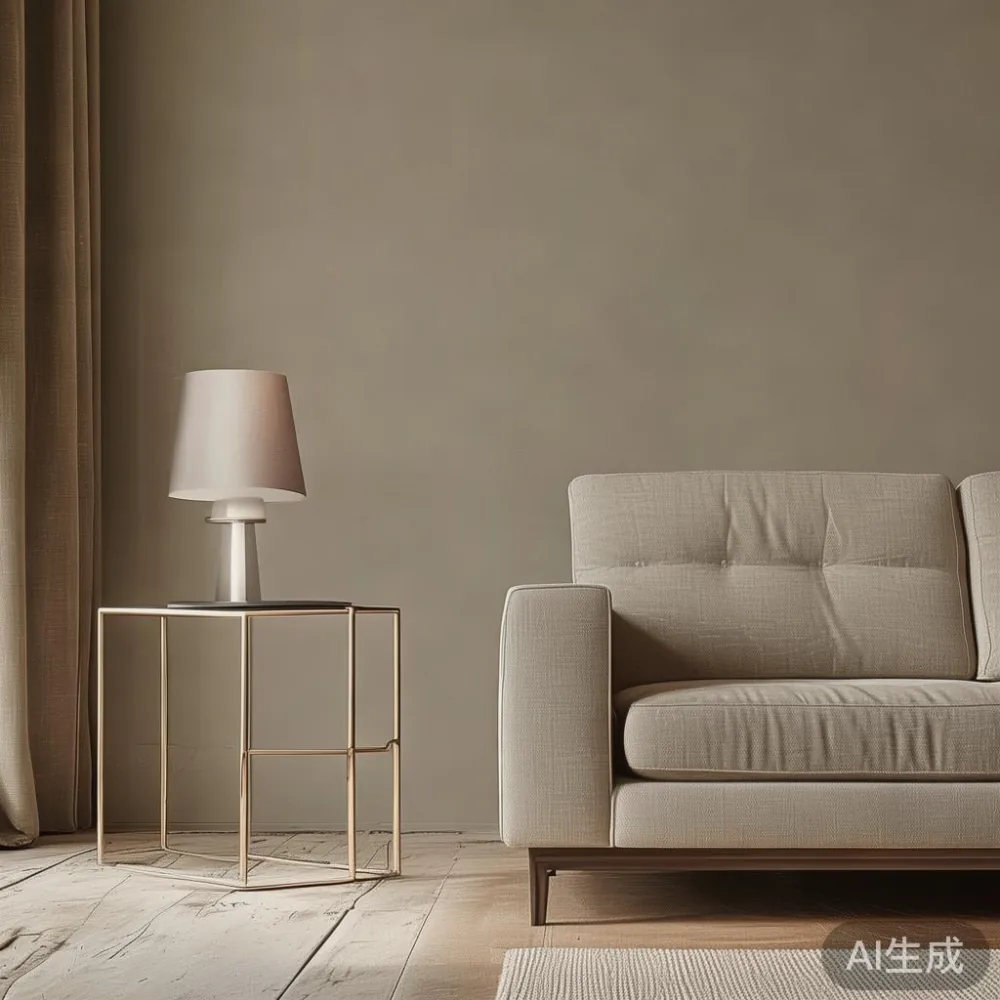
This comparison uses SGD prices and practical dimensions suited to Singapore homes, including lift doors around 90 cm, common corridors near 120–150 cm and compact dining zones. It focuses on solid wood furniture and engineered veneer furniture, while keeping metal furniture in view as the stronger choice where slim frames, moisture resistance and frequent configuration changes matter.
At MIDHILL, I recently compared the weight and finish stability of several solid wood dining tables with veneered panels. One solid oak table weighed 54 kg and needed 4 people to carry it from the loading area to the lift. Its matching veneer table weighed 31 kg, yet the solid table remained visibly more stable after 6 months of daily meals and repeated cleaning. The lighter construction was easier to move; the heavier construction was less likely to develop joint movement in Singapore’s humid conditions.
What does veneer mean compared with solid wood?
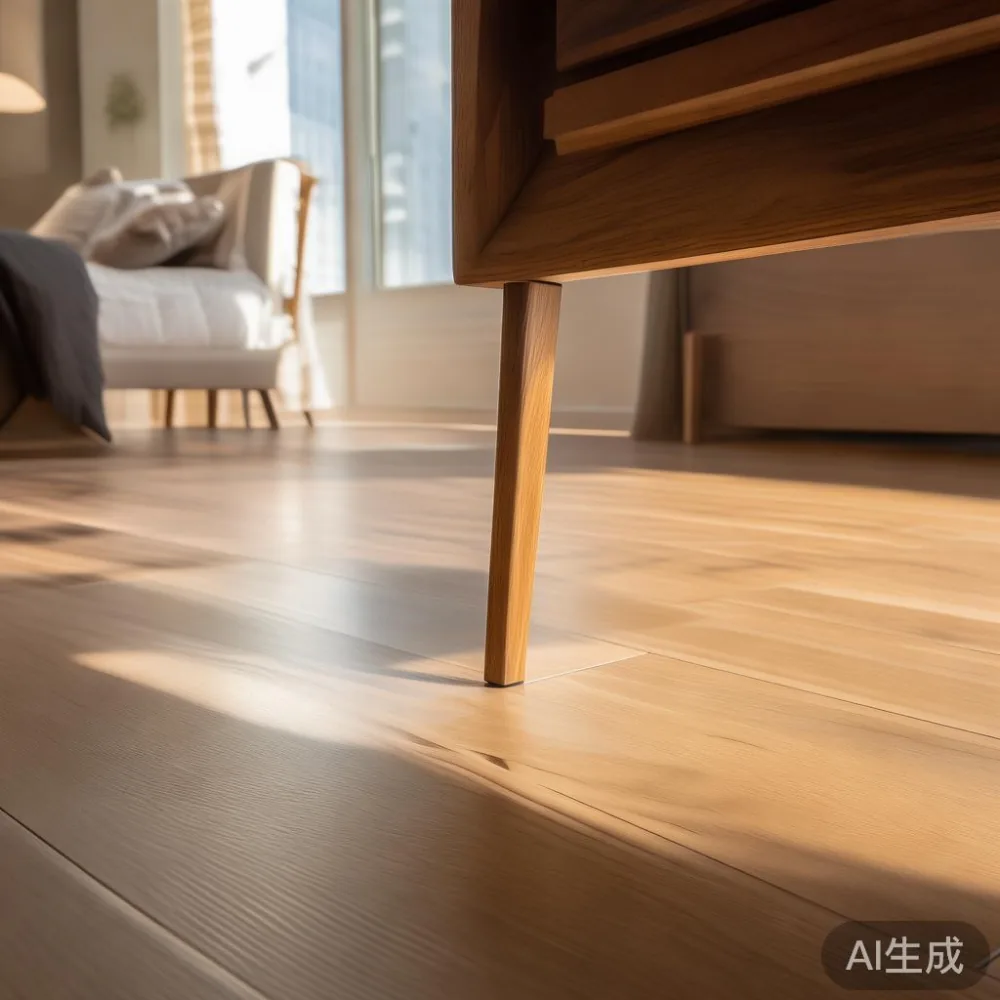
Veneer is a thin layer of wood, usually about 0.3–0.6 mm, bonded to a manufactured core such as plywood, MDF or particleboard. A dining table may have a 180 × 90 cm top, a 2.8–3.5 cm profile and a total weight of roughly 28–34 kg. Solid wood furniture uses timber across the visible surface and often through the structural members. A comparable 180 × 90 cm table can weigh 48–60 kg.
The visual distinction can be minimal when both surfaces use the same species and finish. The financial distinction appears later. Veneer furniture may cost SGD 1,200–1,800 for a dining table, while comparable solid wood furniture may cost SGD 2,200–3,600. A 150 cm solid wood bed frame might cost SGD 1,500, against SGD 850–1,150 for a veneered model. These ranges exclude GST; Singapore’s current GST rate should be confirmed at checkout.
Oak, ash, beech and walnut are common names on furniture labels, but they can describe veneer as well as solid timber. Ask whether the top is solid, whether the edges are solid and which components are engineered. For a wardrobe, solid oak side panels, drawers and rails can be paired with a veneered back panel. That construction may balance cost and durability better than insisting on solid wood throughout every hidden area.
How much do veneer and solid wood furniture cost over 5 years?
The most useful calculation includes purchase price, expected repairs, replacement of high-wear parts and disposal charges. The examples below compare a mid-range product rather than entry-level or handcrafted furniture. Delivery takes approximately 7–14 days in Singapore, depending on stock, and a standard lift or corridor delivery for a disassembled item typically adds SGD 80–160.
Solid wood dining table: SGD 2,800 purchase price, including delivery but excluding GST. Allow about SGD 420 for 2 minor repairs and refinishing over 5 years, plus SGD 250 if one drawer or leg is replaced after heavy use. Total 5-year cost: approximately SGD 3,470.
Veneered dining table: SGD 1,650 purchase price. Allow SGD 350 for edge lifting, veneer repair and one hardware replacement, plus SGD 400 for a replacement top or a full replacement table if moisture damage becomes extensive. Total 5-year cost: approximately SGD 2,400.
Solid wood bed frame, queen size: SGD 1,850 including delivery. A Singapore mattress is commonly 152 × 203 cm, so the frame should provide at least 158 × 208 cm of internal space. Budget SGD 250 for 2 adjustments and SGD 180 for finish restoration, producing a 5-year total of about SGD 2,280.
Veneered bed frame, queen size: SGD 1,050 including delivery. Budget SGD 280 for 2 repairs and SGD 250 for localized delamination or joint loosening, giving an approximate total of SGD 1,580.
Solid wood wardrobe, 180 cm wide: SGD 3,400, with installation and a 210 cm-high body. Add SGD 200 for 2 hinge adjustments and SGD 350 for drawer or runner repairs: about SGD 3,950 over 5 years.
Veneered wardrobe, 180 cm wide: SGD 2,100. Add SGD 220 for adjustments and SGD 550 for 1 damaged panel replacement: about SGD 2,870 over 5 years.
Solid wood nightstand: SGD 420 including delivery, plus SGD 60 for maintenance, or SGD 480 over 5 years.
Veneered nightstand: SGD 240 including delivery, plus SGD 80 for edge and hardware work, or SGD 320 over 5 years.
On these assumptions, veneer remains less expensive to buy and often cheaper to replace. Solid wood usually costs more initially but may reduce repair spending if surfaces and joints stay sound. Neither category guarantees a 5-year lifespan: use, humidity, cleaning method and furniture quality can be more influential than the label.
Which option costs less when time, space and delivery matter?
In a compact Singapore home, weight can become a recurring cost. Moving a 54 kg solid wood dining table between a Bedok flat and another property may require a搬运 service quoted at SGD 120–220. A 31 kg veneer table may cost SGD 80–140, although its panels must still be protected from impact. The figures show the labour saving, not a recommendation to choose veneer automatically.
Solid wood furniture also imposes dimensional limits before it reaches the lift. A 210 cm wide wardrobe may fit a 90 cm lift door only if assembled inside the room, a process that can add 2–4 hours. A disassembled 150 cm sofa can pass through a 90 cm door diagonally, provided packaging is at least 160 × 85 × 25 cm and the corridor turning space exceeds 120 cm. A 200 cm solid wood dining table may need balcony or window access and could add SGD 250–500 to delivery.
Metal furniture offers a different practical advantage here. A powder-coated metal bed frame can weigh 24–32 kg, while a slim metal dining base may weigh 14–20 kg. These figures exclude timber tops. Metal does not absorb moisture like particleboard and can be repaired by replacing a rail, bracket or base. It also suits post-modern light luxury interiors where narrow profiles and visible joins are intentional design features.
A French light luxury room may combine a solid wood bed frame, a light upholstered sofa and a metal-framed nightstand. An American light luxury scheme can pair a solid wood dining table with black metal chairs. The material choice does not need to apply to every item; concentrating solid timber on frequently touched pieces can control the budget.
Is solid wood furniture more expensive to maintain in Singapore?
Solid wood usually responds predictably to controlled maintenance. Dust with a dry cloth, wipe spills promptly and keep furniture at least 20 cm from an open balcony door. Avoid steam mops and leave 2 cm around pieces that touch the wall. A nightstand exposed to air-conditioning may need only 1 cleaning cycle each year, while one beside a frequently opened balcony door may need 2.
Allow roughly SGD 40–80 per year for a solid wood dining table, SGD 25–60 for a bed frame and SGD 30–70 for a wardrobe. Veneer surfaces need gentler treatment because water can enter a cracked edge or seam. Budget SGD 60–120 per year for a high-use veneer table, including adhesive and patch work that should be handled by a repairer. These are maintenance allowances rather than predicted invoices.
Humidity deserves more attention than marketing claims. Singapore’s outdoor relative humidity can approach 85–95% during monsoon periods, and HDB interiors may remain around 65–80%. Quality solid wood can expand by approximately 1–3 mm across a 100 cm width, depending on species and moisture content. A well-made joint and finish accommodate that movement. Poorly sealed particleboard can swell permanently, especially along an exposed edge.
For bathrooms or powder rooms, metal furniture is often more suitable than either untreated solid wood or veneer. A 60 × 40 cm metal washstand can remain stable near splash zones, while a timber piece should have a moisture-resistant finish and sit beyond the sink’s reach. In kitchens, a metal dining table base and solid wood top can offer a balanced surface, but the top still needs sealing around its edge.
What if the furniture has to fit a lift, corridor and HDB flat?
Measure the route before selecting the largest possible piece. Record the lift door width, door height, cabin depth and corridor width, then subtract 5 cm for packaging and turning allowances. For many Singapore lifts, the usable door opening is around 85–95 cm. A 75 cm wide wardrobe carcass can pass through, but a 90 cm carcass may require disassembly.
Check the actual building rules because some HDB blocks restrict delivery hours to 9 a.m.–12 p.m. or 1 p.m.–5 p.m. and may require a delivery booking. Reserve a 45-minute delivery window, but allow 60–90 minutes if the item is a solid wood wardrobe or marble table. A marble table can weigh 70–110 kg, making it unsuitable for many standard HDB routes unless installers confirm the dimensions and use suitable equipment.
For shoppers comparing textures rather than construction, guidance on how to style French sofa in room can help with scale, while how to style American sofa in apartment offers practical advice on loose covers, neutral palettes and compact seating. A 190–210 cm sofa suits a larger living room; an 165–180 cm three-seat model fits many condo living areas more comfortably.
Search results for where to buy dining table from MIDHILL can provide product details and delivery information, but buyers should still request packed dimensions and material specifications. A showroom finish is not enough for a site delivery. Ask for the exact veneer thickness, solid timber species on visible parts, moisture treatment, finish type and warranty terms in writing.
Does a solid wood sofa or bed frame justify the higher price?
A sofa labelled “solid wood sofa” usually means that its main frame is solid timber, while the seat may use plywood, webbing, foam and fabric. It does not mean the upholstery is wood. A 210 cm solid wood sofa might cost SGD 2,600–4,200, while a comparable metal-framed sofa may cost SGD 1,700–3,000. Over 5 years, upholstery replacement can add SGD 450–900, so frame condition matters more than a temporary surface blemish.
For customers comparing catalogues, the phrase MIDHILL light luxury sofa describes one design direction, but specifications should decide suitability. Check whether the frame is kiln-dried timber, how the joints are fixed and whether removable covers are available. A well-constructed solid wood frame can be refinished, whereas wet foam or glued fabric may need full replacement after 8–10 years of use.
Bed frames should be evaluated with the mattress already in mind. A queen mattress at 152 × 203 cm needs a slightly larger internal frame, and a solid wood frame may be 3–8 kg heavier than a veneer version. Allow for 2 people to carry a disassembled metal frame and 3–4 people for a solid wood frame over 45 kg.
For wardrobes, the requested phrase best Modern light luxury wardrobe for 2026 points toward clean fronts, pale oak or warm ash, restrained hardware and usable internal zoning. A 180 cm wardrobe might include 2 hanging sections, 4 drawers and a luggage shelf, but those details change the price more than the headline finish. Comparing the best Boho sofa for 2026 also involves construction, not just woven texture: a solid wood or metal base can last longer than a decorative shell with weak internal support.
What is the most economical choice for a 5-year Singapore furniture budget?
For a single dining table, veneer can preserve roughly SGD 700–1,100 over 5 years in the example above. For a full set comprising a dining table, queen bed frame, wardrobe and 2 nightstands, the estimated veneer total is SGD 4,500–5,600 before GST, while solid wood is approximately SGD 6,300–7,700.
That comparison changes if pieces are replaced. A repeatedly water-damaged veneer wardrobe may require panel replacement or full replacement after year 4, adding another SGD 900–1,600. A solid wood wardrobe that survives with hinge adjustments may retain most of its value. If a household expects to keep furniture for 10 years rather than 5, solid wood becomes more financially persuasive in high-touch positions, although this does not remove the need for maintenance.
Metal furniture can further reduce some costs because bases and rails are often easier to clean, disassemble and replace. It also reduces weight, which matters in lifts and corridors. However, metal can scratch, develop paint marks or corrode if coatings fail. Inspect welds, coating thickness and fasteners; for a dining base, look for powder coating of at least 60–80 microns and stable floor glides.
My own 5-year planning method is to divide each item into 3 costs: what is paid today, what may be repaired and what must eventually be replaced. I then compare those figures across 2 materials and 2 usage levels. That process revealed why a solid wood dining table can still be economical for a family eating at it every night, while a veneer nightstand in a humid Balcony bedroom may not be.
The practical answer is not that one material wins everywhere. Choose quality solid wood for bed frames, dining tables and frequently handled wardrobes when the budget allows and the route can accommodate the weight. Choose veneer for secondary pieces, lighter budgets and controlled indoor conditions, with confirmation of the core, edge construction and coating. Use metal furniture for narrow, humid or frequently rearranged zones. Whichever route you take, measure the packed item, confirm delivery timing, inspect it on arrival and record the care instructions before the 14-day return window closes.