Maintaining Lacquered Metal Furniture in Singapore
Singapore’s warm, humid climate can be demanding on furniture finishes. Sweat, airborne salt, kitchen steam, damp cleaning cloths, and repeated ultraviolet exposure may leave lacquer dull, sticky, or blotchy. Correct care matters especially for metal furniture, where a compromised coating can expose the underlying steel or aluminium. This guide explains a practical routine for lacquered surfaces in HDB flats and condos across Tampines, Bedok, Punggol, and other Singapore neighbourhoods.
At MIDHILL, our approach to lacquered metal furniture combines protection with restrained styling. The visual language can sit comfortably between French light luxury, American light luxury, and post-modern light luxury, while remaining suitable for compact local interiors. Clear measurements, sensible product dimensions, and realistic care intervals help owners protect their investment for years.
Why does lacquer behave differently in Singapore?
Lacquer is a cured surface layer designed to create a smooth, decorative finish. Its performance depends on the resin system, pigment, number of coats, substrate, and application method. A quality finish may handle normal indoor use, but Singapore’s combination of high humidity, temperature changes, and salt-laden air still deserves attention.

Relative humidity in many Singapore homes ranges from about 60% to 80%, and surface temperatures may shift by 8°C to 12°C between a cool morning and an air-conditioned afternoon. A lacquered dining table near an open window can therefore receive moisture, sunlight, and insect particles at the same time. A wardrobe positioned near a laundry balcony may see humid air enter every evening.
One warning sign is a tacky finish. If a finger leaves a mark that does not dissipate after 10 minutes, the surface may be softening, contaminated, or suffering from poor adhesion. Whitish haze, orange-peel texture, edge lifting, and tiny blisters are further signs. These symptoms should not be treated with aggressive solvent or aggressive polishing.
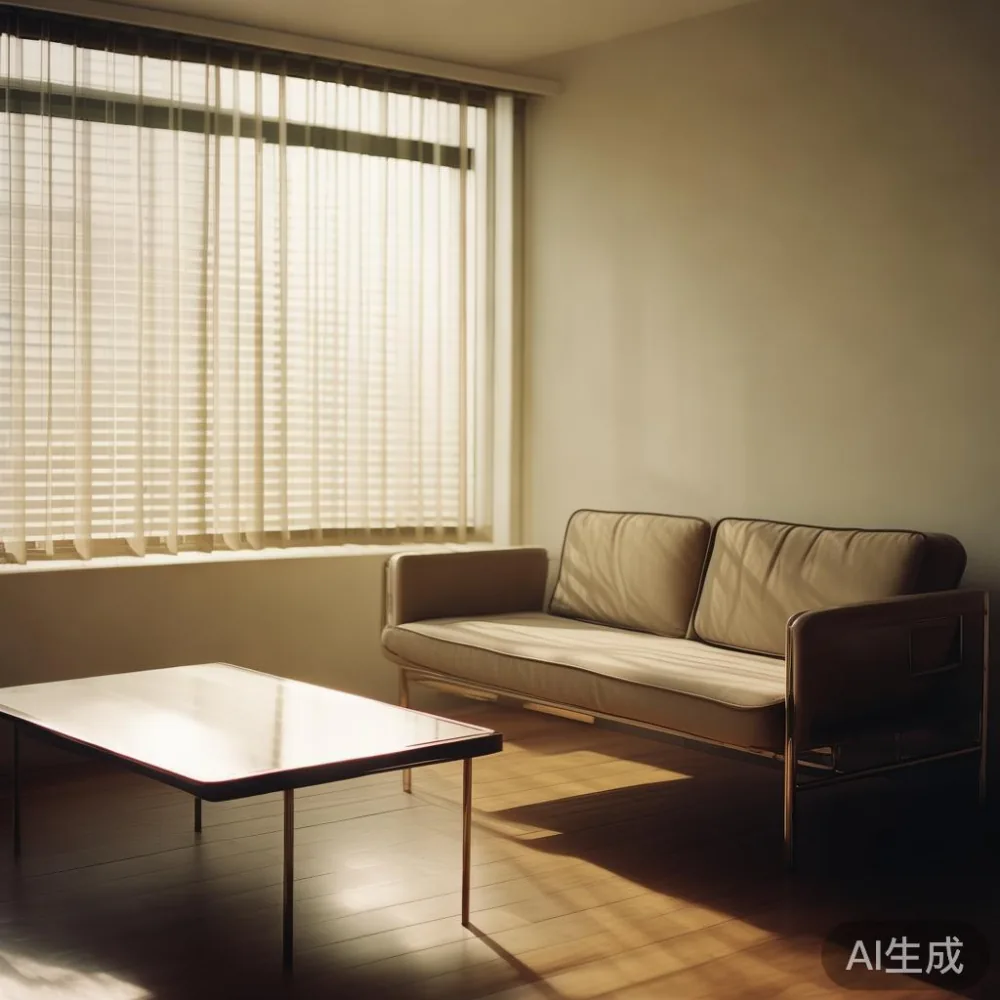
Acclimatisation is equally important. A lacquered metal furniture piece should remain in its packaging for 24 to 48 hours after delivery if it has moved from a cold van into a warm, humid room. Keep it at least 30 cm from a wall while acclimatising so that air can circulate around all sides. For a large dining table, allow a full 72 hours before loading it with objects.
What should I use to clean a lacquered surface?
A soft, white or pale-coloured microfibre cloth is the safest starting point. Add warm water and a small amount of mild dishwashing liquid, perhaps 1 teaspoon per 500 ml of water. Wring the cloth until it is merely damp, then wipe in sections approximately 50 cm by 50 cm. Dry immediately with a clean, dry microfibre cloth.
Do not use a dripping cloth. Water should not collect around joints, handles, seams, or the base of a nightstand. Avoid alkaline cleaners, bleach, vinegar, alcohol, ammonia, abrasive cream, steel wool, and scouring pads. Although some alcohol-based cleaners are suitable for specialist lacquer, household concentrations of 70% isopropyl alcohol can soften or stain certain coatings. If a supplier has not specified a compatible cleaner, keep the formula simple.
Test first on a concealed area of at least 10 cm by 10 cm. Wait 24 hours and inspect under daylight and artificial light. The test patch should show no change in gloss, colour, texture, or tackiness. This matters on a lacquered metal dining table with a dark finish, where a cleaner can create a visible halo.
I tested one lacquered console in our workshop last month. I applied three commonly available cleaners to separate 10 cm by 10 cm panels and stored them under warm, humid conditions for 14 days. The mild detergent panel stayed smooth. One cleaner produced a faint bloom after 48 hours, while another left a tacky residue after 7 days. The result reinforced our preference for a minimal routine and conservative products.
How often should lacquered metal furniture be wiped down?
A weekly wipe helps prevent dust and skin oil from becoming embedded in the finish. Use a dry microfibre cloth for a quick weekly pass and the mild detergent solution every 2 to 4 weeks, depending on use and proximity to windows. In a high-traffic HDB living room, a lacquered coffee table may need cleaning every 2 weeks. A lacquered wardrobe in a less-used bedroom may only need it every 4 weeks.
Kitchen and dining furniture deserves a shorter interval. Wipe lacquered dining surfaces after each meal and clean them every 7 days. A powdery film can form over roughly 4 to 8 weeks near an open kitchen or balcony door. Wipe a nightstand every 7 days as well, particularly if it holds cosmetics, medication, or damp items.
For items such as a metal-framed solid wood sofa, solid wood bed frame, or lacquered metal dining table, protect the finish with coasters and placemats. Use coasters at least 10 cm in diameter beneath cups and 30 cm by 20 cm mats beneath hot dishes. Set an electronic device on a raised stand rather than directly against the lacquer.
How should I control humidity and sunlight?
Keep lacquered furniture at least 60 cm from open windows, balcony doors, and air-conditioning units that discharge directly onto the surface. In an HDB flat where the dining area shares a wall with the kitchen, increase that gap to 90 cm where possible. Curtains made of polyester or cotton can reduce direct ultraviolet exposure while preserving daylight.
Singapore’s afternoon sun is intense. If a cabinet receives direct sun for 2 hours each afternoon, consider a sheer curtain or UV-filtering film with a visible light transmission of at least 60%. A light-luxury room often benefits from layered curtains: a breathable sheer at 300 cm wide and an opaque panel at 450 cm for a broad window.
A hygrometer should ideally read between 45% and 65% relative humidity. It is reasonable for short tropical periods to exceed this range, provided the lacquer remains dry and stable. Persistent readings above 75% for more than 30 days warrant better ventilation or dehumidification, especially around a lacquered wardrobe or storage wall.
Do not place damp laundry against a lacquered wardrobe. Allow cotton sheets to dry fully before folding or storing them. This is particularly relevant in Tampines and Punggol HDB homes where a shared balcony may become a humid airing zone. In a condo, use the bedroom’s dehumidifier rather than relying on corridor air or a damp shoe rack beside fitted furniture.
Can scratches, dullness, and fingerprints be repaired?
Light fingerprints can often be removed with a clean microfibre cloth and mild detergent solution. Plain tissue may leave fibres, so use a low-lint cloth instead. A soft artist’s brush can remove settled dust from narrow grooves. A 0000-grade metal polishing compound should only be used if the finish supplier confirms that the lacquer can tolerate abrasion; test a 5 cm by 5 cm patch for 14 days first.
Fine scratches sometimes respond to a lacquer-safe polish, but aggressive rubbing can remove gloss faster than it repairs the mark. If a scratch exposes metal, stop sanding and contact the manufacturer. Rust staining or blistering is not a polishing problem; it indicates that moisture has reached the substrate or that coating adhesion has failed.
For damaged pieces, capture photographs under daylight and include the dimensions of the affected area. MIDHILL provides a 10-year structural warranty on qualifying furniture, while finish-related service is assessed according to the care instructions and product conditions. A replacement lacquer panel or professional refinishing can sometimes be more practical than attempting to blend a repair into a large visible surface.
Lifetime refinishing is also subject to careful handling. Do not assume every scratch, stain, or chemical mark is covered. A refinishing decision depends on substrate, finish type, severity, and whether the original colour can be matched. Keep the product’s care card, invoice, and finish specification for at least 10 years.
How do lift and corridor dimensions affect furniture care?
Delivery planning can prevent accidental damage before a piece even reaches its final position. A standard HDB lift interior may offer a door width of about 90 cm and a car depth of roughly 130 cm to 140 cm, although older blocks vary. Condo service lifts may be larger or include a separate pad and loading bay.
Measure the packaged dimensions, lift door, lift car, corridors, and turning points before dispatch. Allow at least 10 cm of clearance around a rectangular package during movement. If a lacquered metal dining table is 200 cm long, a narrow corridor with two 80 cm turns may require a controlled pivot or partial disassembly.
Protect corners with 3 mm foam and a rigid outer carton. The installer should lift by the protected structural frame rather than by the lacquered top or side panel. For a tall lacquered wardrobe, remove adjustable shelves and doors only if the manufacturer permits it. Never drag a package across a corridor floor, even over 2 metres, because grit can scratch both the finish and the protective wrap.
Commercial delivery can be arranged within 3 to 7 working days after confirmation in many Singapore addresses, while remote routes may take 7 to 14 days. Transit insurance should cover the actual replacement value, not merely a low parcel rate. For orders above US$350, MIDHILL offers free shipping under its stated policy, and Singapore GST is added where applicable. Returns are accepted within 14 days under the relevant conditions.
What is the right furniture layout for Singapore interiors?
Lacquered metal furniture works well where clean geometry and openness matter. A 160 cm solid wood bed frame with a slim metal headboard can suit a 12 m² HDB bedroom, while a 140 cm by 80 cm dining table can serve a compact kitchen-dining area with 75 cm of clearance from the walls. A lacquered metal wardrobe should have at least 60 cm of opening space where doors need to swing, subject to the actual door radius.
A lacquered nightstand measuring 45 cm wide by 40 cm deep leaves useful surface space without blocking a narrow walkway. For living rooms, a lacquered metal coffee table of 100 cm by 55 cm can sit in front of a 180 cm solid wood sofa, provided the coffee table is at least 40 cm from the sofa edge.
Design references can inform proportion without overwhelming a small apartment. Searching French bed vs Japandi bed helps compare low profiles and visual calm; a search for Rustic for small living room can identify warm wood contrasts that pair well with restrained lacquer. Listings for for sale Industrial furniture may show metal frames and solid-looking hardware, though customers should examine the finish quality directly. The best American wardrobe for 2026 points toward greater storage flexibility, while a top 10 Japanese furniture list often highlights compact planning and precise joinery.
For shoppers comparing regional styles or checking a seller’s catalogue, a phrase such as for sale Rustic furniture can surface useful references, but product samples matter more than labels. A marble table is another material with different cleaning needs: wipe spills quickly, keep acidic liquids away, and do not apply the lacquer treatment intended for metal surfaces. Each finish should receive its own care method.
What should happen if lacquer starts peeling or bubbling?
Peeling, blistering, or widespread dulling requires diagnosis rather than more household cleaner. Isolate the affected item from moisture, avoid further wiping, and keep people away from sharp edges. Photograph the damage in natural light and at close range. Record the affected length, width, and depth in centimetres.
A single scratch of 2 cm may be repairable with a matched touch-up. A bubble of 5 cm across a table edge can signal trapped moisture under the entire coating. If lacquer has become soft, adhesive, or odorous, move the item to a ventilated area and do not place it inside a closed wardrobe. Professional assessment is safer than applying another coat over an unstable surface.
Preventive care remains the least disruptive solution. Use a stable indoor environment, remove standing water, control direct sun, clean gently, and separate lacquer from incompatible chemicals. For a dealer or specification query, include the midhillco reference and the finish type so the correct maintenance guidance can be provided.
How can a buyer verify the quality of a lacquered finish?
Ask for the finish system rather than accepting only the word “lacquered.” A product specification should state the substrate, coating type, colour, sheen level, number of coats, and expected care method. High-gloss and matte finishes respond differently to abrasion, and a powder-coated metal frame should not be described as lacquer without clarification.
Inspect surfaces under at least three lighting conditions: daylight, warm LED light, and cool LED light. Look along the length of a dining table rather than only across it, since scratches can disappear at one angle and reappear at another. Check all six sides of a nightstand, the underside of a coffee table, the back of a wardrobe, and every exposed edge.
A practical pre-delivery test is to run a clean fingernail lightly over an inconspicuous area. It should leave no gouge. This does not replace a formal adhesion test, but it can reveal a weak cure. Check for a faint solvent smell after unpacking; allow 48 hours for the piece to acclimatise before deciding whether an odour is persistent.
For local purchases, request delivery and installation details in writing. Confirm the Singapore delivery window, lift requirements, GST, return window, and warranty coverage. A 10-year structural warranty supports long-term ownership, yet surface maintenance remains the owner’s responsibility. With a 2-minute weekly wipe, a monthly inspection, and attention to humidity and sunlight, lacquered metal furniture can retain its refined appearance for many years.