Metal Furniture: How Humidity in Southeast Asia Affects Wood Furniture
Singapore’s warm, humid climate can change solid wood furniture by 2–4 mm across a width of 120 cm during a strong seasonal swing. That movement is not automatically a defect, but repeated swelling, drying, and swelling can loosen joints, open veneer seams, and make cabinet doors sit unevenly. In HDB flats and private condos from Tampines to Bedok and Punggol, the issue becomes more practical when a dining table must pass through a 90 cm corridor, turn inside a 120 cm lift lobby, or fit through a bathroom door only 70 cm wide.
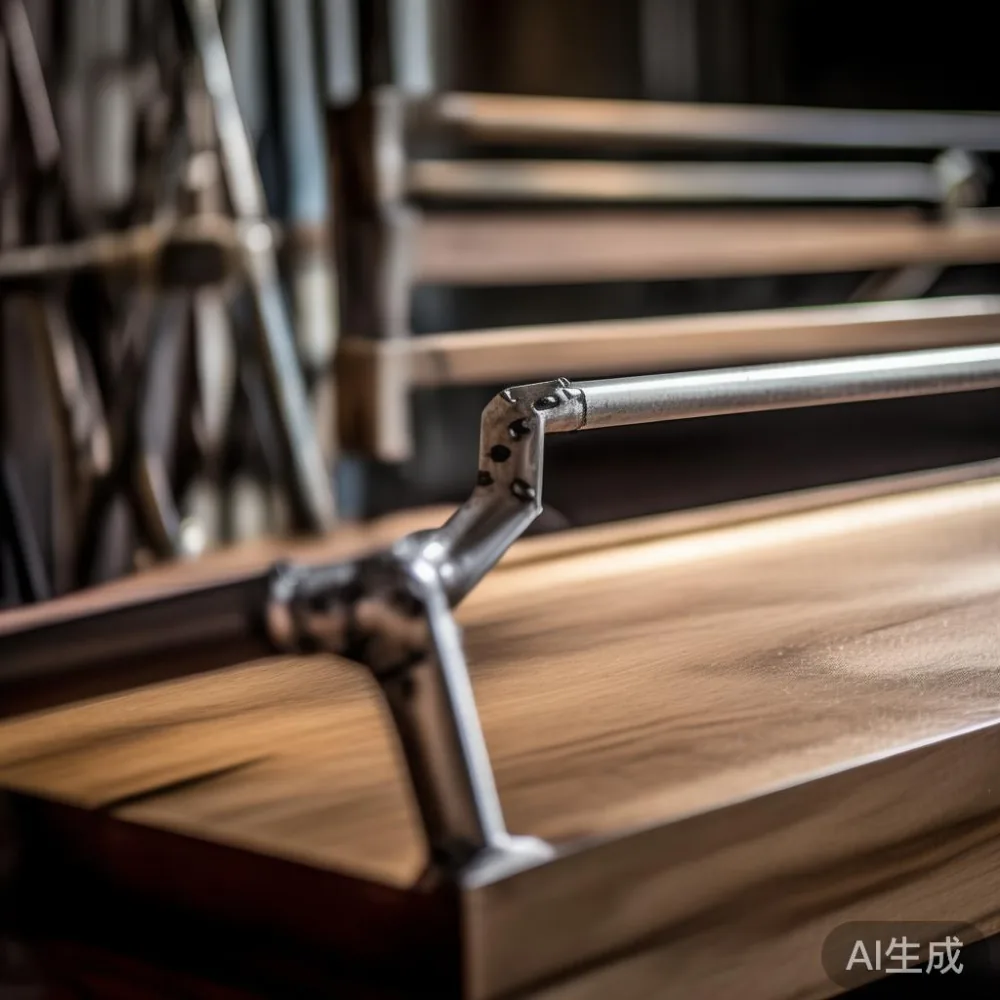
This guide explains how humidity affects wood, metal fittings, and mixed-material furniture, with practical measurements for Singapore homes. It also covers service, delivery, warranty, and care considerations for shoppers comparing solid wood pieces from Foshan furniture specialists. Prices below are indicative and include Singapore GST where stated.
Why does Southeast Asian humidity make wood move?
Wood is hygroscopic: it absorbs moisture when the surrounding air is humid and releases it when the air becomes drier. In Singapore, outdoor relative humidity often ranges from about 70% to 90%, while air-conditioned interiors may fall to 45%–60%. A solid oak dining table can expand by roughly 1.5–3 mm per 100 cm in that change. A 180 cm table may therefore vary by approximately 3–5 mm around its perimeter.
The movement follows the grain, not simply the width or height of the board. Solid wood bed frames may shift along their length, while wardrobe side panels can bow slightly as moisture changes. Veneered and engineered components can react differently because their layers are bonded under factory conditions. Engineered flooring may be less prone to visible movement, but the substrate still needs stable indoor conditions.
For furniture placed beside an east-facing window in Tampines or near Punggol’s open corridors, direct sun can heat a surface to 38°C even when the room is 27°C. Heat and humidity together increase stress. A metal furniture base may remain dimensionally stable, but its screws and connectors still need proper clearance so wood can move around them.
How much humidity is comfortable for solid wood furniture?
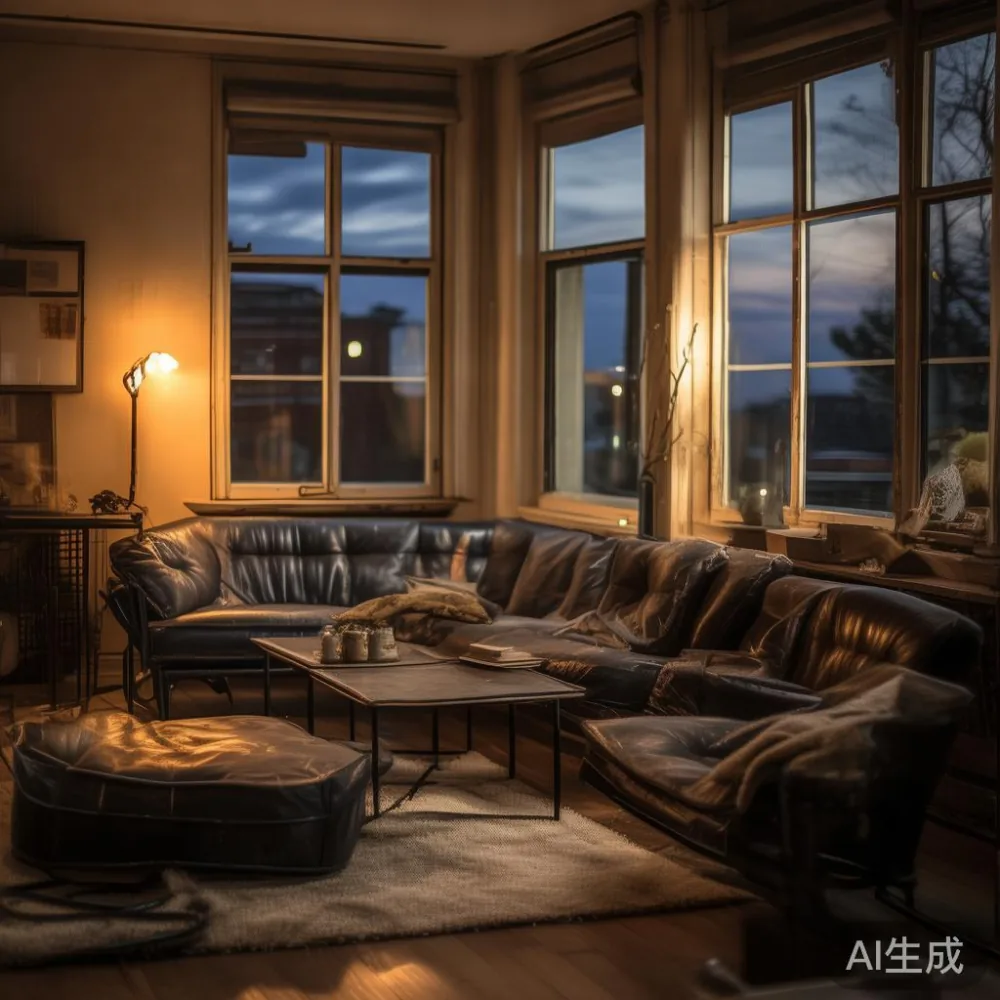
A practical indoor target is 45%–65% relative humidity, with temperature around 22°C–28°C. Keep solid wood away from air-conditioning vents, bathroom doorways, kitchen steam, and exterior walls that stay cold during wet periods. If a hygrometer reads 72% for more than 6 hours a day, improve airflow before blaming the furniture for sticking doors.
Measure at the height of the furniture rather than near the ceiling. Place the hygrometer beside a wardrobe for 24 hours, record readings at 9 a.m. and 9 p.m. for 7 days, and repeat during a wetter week. This simple record gives a supplier a useful comparison if a joint loosens. For a solid wood sofa or bed frame, check beneath the frame and along the rear edge, where moisture may remain higher.
Singapore homes often combine air-conditioning with open windows and extractor fans. A dehumidifier set to 55% can help in a closed room, although the machine should be positioned so that its outlet does not aim directly at a wood panel. Running a 35–50 L dehumidifier may cost around SGD 25–45 in electricity per month, based on 8 hours of daily use at an illustrative SGD 0.14 per kWh rate.
What changes should I expect in HDB flats and condos?
Air circulation matters as much as the humidity reading. In a compact HDB living room, furniture pushed against all 4 walls has less airflow. Leave a 5–8 cm gap behind a wardrobe where the installation allows it, and 3–5 cm beneath a raised bed frame. During renovation, allow new plaster, adhesives, and paint to cure before bringing in a solid wood dining table or wardrobe. Concrete can remain damp for several weeks even after handover.
Measure access before ordering a large piece. Many HDB lift cars have internal dimensions near 110 cm wide by 140 cm deep, although older blocks vary. Common corridor widths are 90–150 cm. A 200 cm dining table cannot turn through a 120 cm corridor without careful angling. Ask the supplier for the packed carton dimensions and gross weight, then check whether the lift has a protective pad rated for at least 150 kg.
A 140 kg solid wood dining table may require 3 delivery workers, a lift reservation, and 2–4 delivery days within Singapore. A mattress and bed frame set may take 1–3 days, while a made-to-measure wardrobe can require 5–7 days for production and 2–4 days for installation. Keep 10 cm of packaging clearance around the largest rigid component. For stairs, measure the turn at each landing and the handrail clearance; a 55 cm doorway can reject a 65 cm nightstand even if the room itself is spacious.
Can humidity damage the metal parts of mixed furniture?
The answer depends on the finish and location. Powder-coated metal furniture used in dry interiors may tolerate years of normal use, but salt-laden air near coastal areas of Singapore can produce fine corrosion if coating chips are left untreated. Inspect welds, screw heads, and the underside of legs every 6 months. Wipe salt residue with a damp cloth, dry it within 15 minutes, and touch up exposed coating with a compatible product.
For a metal-and-wood dining table, keep stainless steel fasteners isolated from wet timber where possible. Different metals can create galvanic corrosion when connected in the presence of moisture, especially aluminium paired with untreated steel. A quality manufacturer should use compatible washers, sealed interfaces, and suitable cavity protection. The base should not be allowed to sit in a puddle or on a damp balcony for 12 hours.
Blackened steel develops a patina, while brushed brass may dull unevenly. Neither finish should be scrubbed with an abrasive cleaner. A soft cloth and pH-neutral cleaner are sufficient. For powder-coated metal furniture, avoid pressure washing near wood components because forced water can enter end grain and joint lines.
How do I choose furniture that tolerates Singapore humidity?
Begin with construction rather than appearance alone. Look for kiln-dried timber, stable joinery, and hardware designed for seasonal movement. In solid wood sofa frames, mortise-and-tenon joints and properly tensioned dowels are preferable to relying only on short screws into end grain. For a bed frame, the centre rail should be fixed without preventing the side rails from expanding. A high-quality wardrobe may use a floating centre panel or a system that allows seasonal panel movement.
For oak or ash dining tables, check whether the top is solid wood rather than thinly veneered particleboard. Ask whether the underside is sealed, whether the boards are joined with mechanical fasteners, and whether the maker offers guidance for humid climates. Factory finishing can reduce moisture exchange, but no coating makes wood moisture-proof.
Many shoppers ask “how to choose European bed” because imported styles often combine pale oak, generous proportions, and a platform frame. Judge the frame after measuring it: a 160 cm mattress generally needs an internal frame of about 160 cm by 190 cm, while a queen mattress requires roughly 160 cm by 200 cm. Confirm the finished external size, floor clearance, and lift access. For a wall-to-wall wardrobe, allow for 3–5 mm seasonal movement on each side panel.
French light luxury, American light luxury, and post-modern light luxury all work in Southeast Asian interiors when the proportions suit the space. French light luxury usually favours curved profiles, cream upholstery, and slim metal furniture legs. American light luxury pairs warmer woods with broad, practical forms. Post-modern light luxury can use clean lines, mixed materials, and restrained contrast. The key is moisture control and accurate sizing, not the style label.
What should I do if a door starts sticking or a joint loosens?
First identify the cause. If a wardrobe door binds only after the room becomes very humid and returns to normal as the door dries, seasonal expansion is likely. If it remains crooked after 72 hours at 48%–55% relative humidity, inspect the hinges and carcass for impact or installation issues. Repeated forcing can turn a minor 2 mm alignment problem into a 5 mm split.
Do not plane or sand a swollen door immediately. Let the room stabilise, adjust the hinge if permitted, and protect the finish. Loose screws may need a longer insert or a different fixing method, but do not simply drive them harder into weakened wood. Replacement hardware should match the original thread diameter, usually M4, M5, or M6, and the head shape.
Last month I visited a colleague’s 3-room HDB flat in Bedok and tested a 180 cm solid wood dining table beside an air-conditioned wall. Its surface moved by about 3 mm as relative humidity changed from 65% to 75% over 24 hours. The result was ordinary expansion, yet a cabinet hinge had already been forced out of alignment because the table was pushed against the cabinet. Moving the table 12 cm away and resetting the hinge solved the immediate problem. That visit reinforced why planning the furniture layout matters as much as choosing the timber.
For outdoor-adjacent furniture in Punggol or Tampines, use covers with airflow underneath. A tight plastic cover can trap condensation against the wood. Raise items on 5 cm feet, keep them 30 cm from a wall, and inspect monthly during the wettest months. For a marble table used in a humid dining room, wipe spills within 10 minutes because moisture can enter a porous edge or affect the bonding layer. Seal stone and timber components separately.
How can service, warranty, and delivery reduce humidity-related risk?
Warranty language matters because not every movement is a manufacturing fault. A 10-year structural warranty may cover defective joinery and premature structural failure, while seasonal movement, direct water exposure, and unauthorised modifications may sit outside it. Ask for the exclusions in writing. A supplier should explain how timber movement is managed and provide replacement hardware or touch-up advice where appropriate.
MIDHILL has operated since 2008 and exports to more than 15 countries. Its 10-year structural warranty and lifetime refinishing policy can be useful in Singapore, where long-term ownership and repair have real value. Refinishing does not erase moisture damage, however. Furniture should still be kept within sensible humidity limits and away from standing water.
Delivery logistics matter for a large wardrobe, bed frame, or marble table. A company offering free shipping over US$350 still uses a different currency in Singapore, so confirm the local threshold and GST treatment. Local delivery may be arranged separately, typically for SGD 40–180 within Singapore, depending on size, stairs, and lift access. MIDHILL can advise on carton dimensions and delivery days, allowing 2–4 weeks for a made-to-order piece rather than promising an unrealistic arrival date.
Returns are easier when a product remains unused and in its original packaging. A 14-day return period can provide time to inspect a wardrobe or dining table, but many made-to-order items carry specific conditions. Check the written terms for custom sizing, assembly, scratches, and delivery refusal. Measure again on the day of delivery and photograph all faces before the cartons are opened.
Which room styles suit humid Singapore homes?
For a compact guest room, a compact solid wood bed frame with a 10–15 cm plinth allows airflow below the mattress. “Modern for guest room” is a useful design direction when the room must work as both a bedroom and a study. A “Mid-century modern for guest room” scheme can use lighter timber tones to make a 9–12 sqm space feel more open, paired with a narrow nightstand no wider than 40 cm.
“Vintage for dining room” styling can suit a 120–180 cm round table because it avoids sharp corners in a busy route from the kitchen to the living area. For larger dining rooms, a 200 cm table may seat 8–10 people, but leave at least 90 cm between the table edge and chairs for pulling out. A “Mid-century modern with storage” dining arrangement may use a sideboard at least 45 cm deep, with ventilation behind tall units.
“Modern light luxury bed” designs often pair a pale timber frame with a restrained upholstered headboard. For a condo bedroom, maintain 5 cm between the headboard and a side wall if possible, and use a nightstand with sealed drawer runners. Its marble top should not cover the whole nightstand surface if the base is solid wood, because trapped moisture around the stone can be difficult to dry.
The practical palette is simple: lighter colours reflect heat, restrained metal furniture adds a slim visual profile, and solid timber pieces use narrower proportions suited to local corridors. Allow 14 days for a new solid wood piece to acclimatise indoors before final adjustment. Keep it away from wet towels, damp laundry, and open kitchen steam, and use a hygrometer rather than guessing. Stable moisture, sensible spacing, and clear access instructions protect both appearance and structure for years of use.