How to Care for Lacquered Metal Furniture in a Tropical Climate
Lacquer gives a metal frame a polished, architectural finish, but Singapore’s heat, humidity, salt-laden air, and frequent indoor air-conditioning create a demanding care environment. A well-finished metal dining table, bed frame, wardrobe, or nightstand can remain attractive for many years when its surface is separated from moisture, abrasive dust, and harsh cleaning products. The same care routine also protects nearby solid wood pieces, such as a solid wood sofa with lacquered metal legs or a lacquered dining table with solid wood detailing.
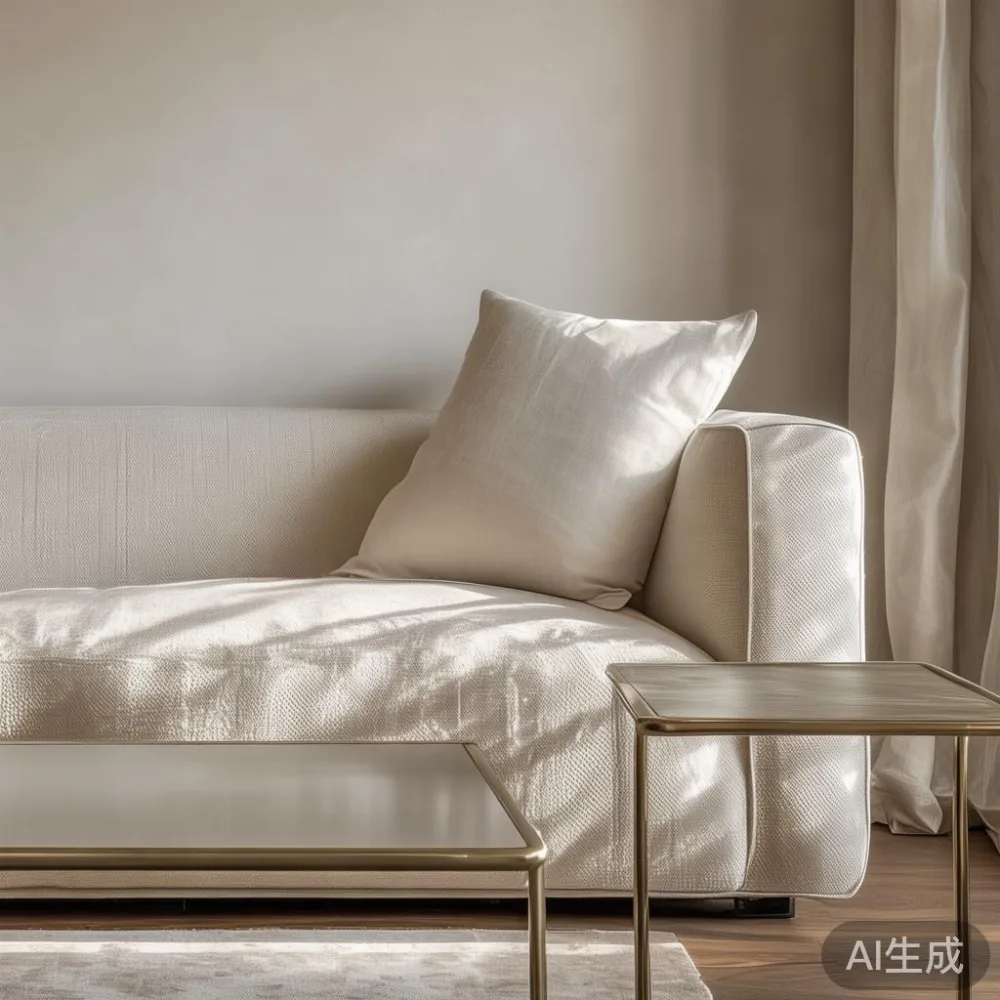
Singapore makes furniture care unusually practical. In an HDB flat in Tampines, a lacquered cabinet may face 85% daytime humidity near an open window. In a Bedok condo, reflective glass can concentrate overhead light on a pale lacquer finish. In a Punggol home, an air-conditioned bedroom may alternate between roughly 20°C and 29°C during the day. These changes matter because a lacquer film is thin: a 0.2–0.6 mm decorative or clear coat can eventually lose adhesion if moisture repeatedly reaches the coating beneath.
MIDHILL designs lacquered surfaces for real homes rather than display rooms. Its furniture carries a 10-year structural warranty, and selected wood and lacquered surfaces can be refinished for life under the applicable service terms. Proper cleaning remains the owner’s responsibility. A few minutes every 7 days, plus an immediate response to spills, will usually do more than aggressive polishing every month.
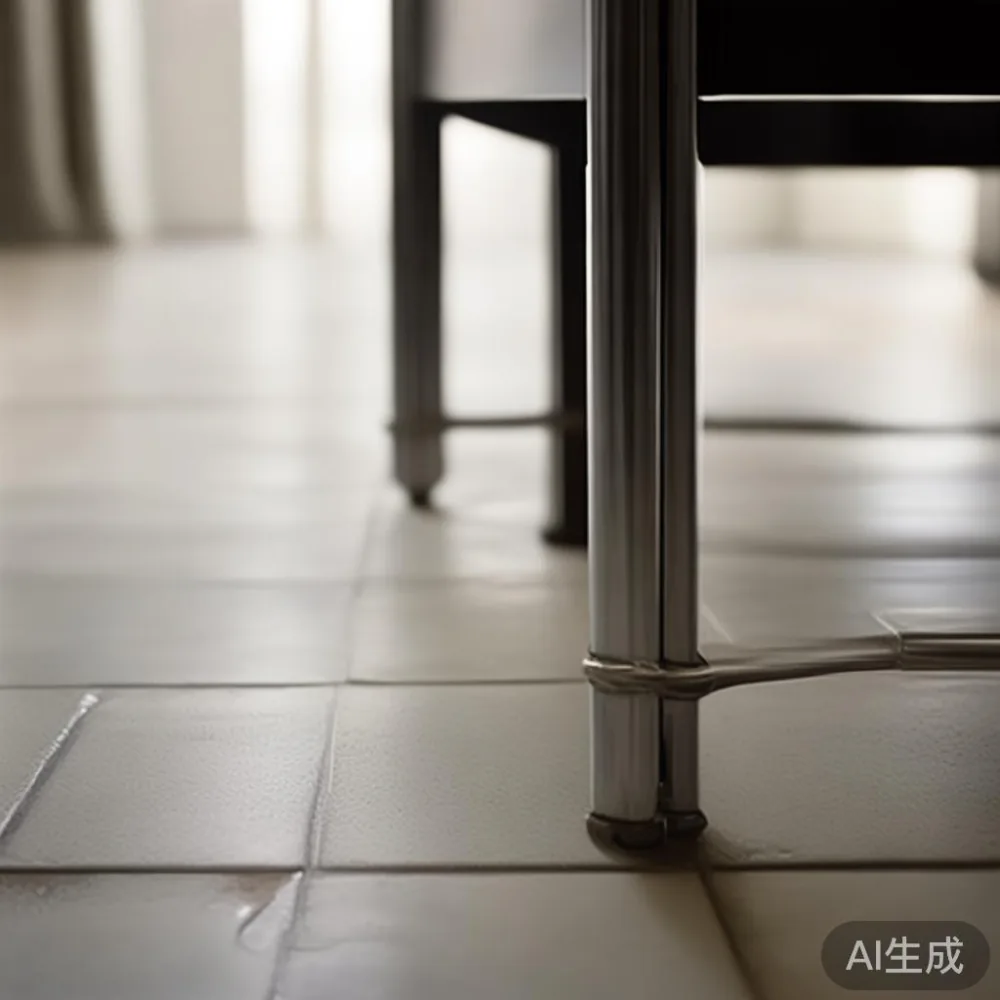
What makes lacquer different from ordinary paint?
Lacquer is a cured finishing system applied in controlled layers. Depending on the design, it may be a clear film, coloured film, textured coating, or combination of primer and topcoat. It should not be treated like a washable wall paint. Some lacquers tolerate gentle wiping, while highly gloss or textured finishes may show fine circular marks even under a soft cloth.
There are 3 common situations to identify before cleaning. A film that wipes away and feels slippery may still have a cured surface coating, but continuous wiping can soften or polish it. A mark that leaves colour on the cloth may indicate dye migration, especially on dark pigmented lacquer. A bubble, crease, or dull halo often points to moisture getting under the film. In the last case, stop using household remedies and request an inspection rather than covering the defect with wax.
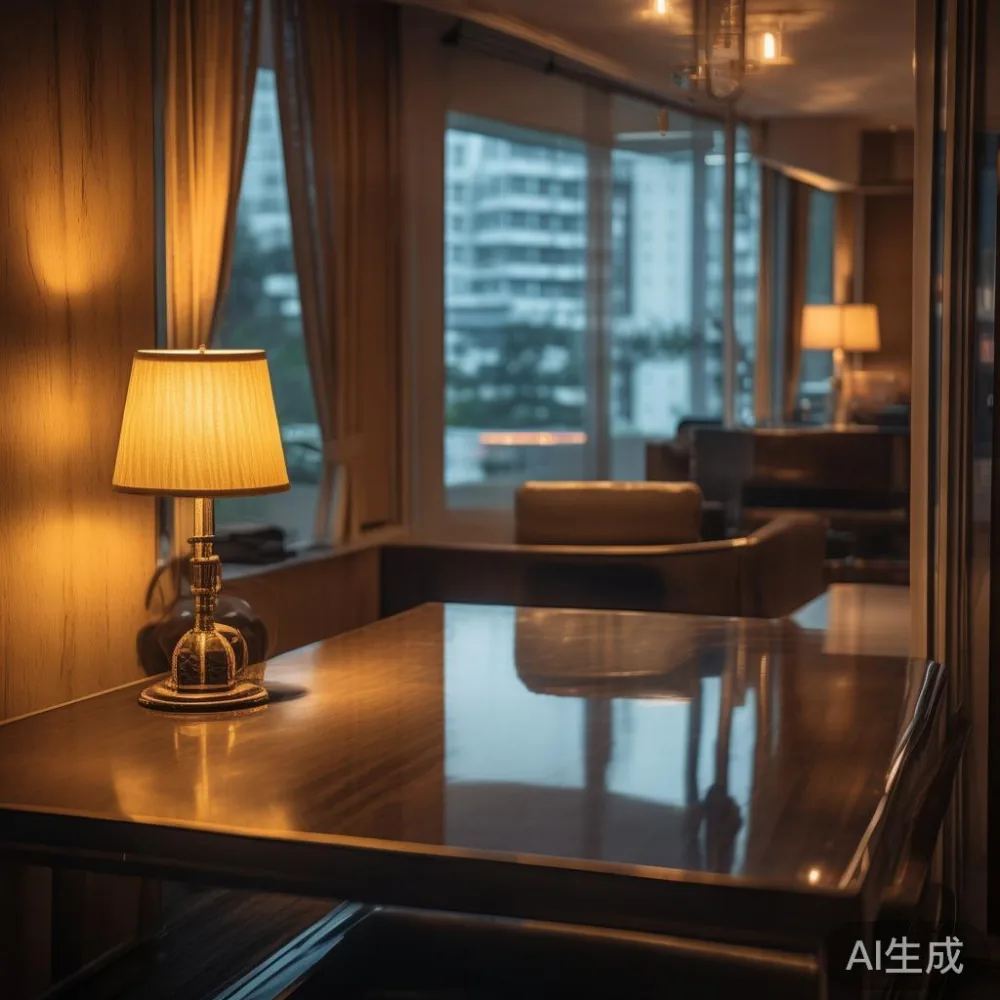
Check the product care label first. If the label is missing, use the mildest method described in this article and test an area about 5 cm across. Avoid testing a visible edge in a corridor or lift lobby, where people often bump furniture while it is being moved. The finish should look unchanged after 24 hours. For daily care, a pH-neutral cleaner diluted as directed is safer than undiluted detergent.
French light luxury often favours pale lacquer, cream tones, slender profiles, and restrained metal hardware. American light luxury tends to lean toward darker bronze, graphite, and softly reflective finishes. Post-modern light luxury may combine lacquer with timber grain or stone texture. All 3 styles share one care principle: preserve the finish’s depth instead of trying to restore factory gloss with an abrasive product.
What humidity and heat should I keep away from lacquered metal furniture?
Singapore’s year-round humidity is not automatically a problem. Sealed indoor spaces often remain between 45% and 65% relative humidity, which is a sensible target for lacquered furniture and solid wood. The difficulty comes from local peaks near windows, bathrooms, sliding doors, and poorly sealed air-conditioner zones. An inexpensive digital hygrometer costs about SGD 25–SGD 40 and can be placed near the affected piece for 7 days.
Aim to keep relative humidity below roughly 70% for extended periods. Short periods above that level are less concerning than repeated cycles. Keep lacquered metal furniture at least 30 cm from an open bathroom doorway and at least 60 cm from a window that receives direct rain. Do not place a wardrobe or nightstand against an exterior wall where it may become cold and damp during a thunderstorm.
Air-conditioning can help, but its cold surface can create condensation. Maintain at least 15 cm between the back of a lacquered console or cabinet and a chilled wall. If a metal dining table sits in a dining room with a 1.5 kW air-conditioner, position seats so that warm air does not blow directly across the tabletop for 8 hours each day.
For a room near Bedok or Tampines coast, wipe away condensation promptly. Salt residue left for 24 hours becomes difficult to remove and can dull lacquer. Outdoor powder settles into fine joints and can become gritty within 3–7 days. Rinse metal hardware only if the manufacturer permits it, then dry it immediately with a 100% cotton cloth. Flooded furniture touched by standing water should be assessed promptly; lacquered feet should never stand in water deeper than 2 cm.
Lift and corridor widths are another part of tropical care. During delivery, protect lacquered corners with 2–3 mm foam and corner guards rather than dragging a wardrobe through a 90 cm HDB corridor. Measure the lift door before collection; common openings are around 80–90 cm, while some condo lifts provide more space. Two people and approximately 15 minutes may be needed for a protected nightstand, while a large bed frame can require 45–90 minutes.
How should I clean a lacquered surface without damaging it?
Begin by removing loose dust with a dry microfibre cloth. A 30 cm square cloth is easy to control and less likely to leave streaks than a loosely folded T-shirt. For routine cleaning, put 5 ml of mild, pH-neutral liquid detergent into a 500 ml bowl of lukewarm water. Dip a clean cloth rather than spraying the furniture, and wring it until it no longer drips.
Wipe in the direction of the grain or finish, using no more than 8–10 overlapping strokes over a 60 cm section. Change to a second clean cloth if the first becomes dirty. Excess moisture around joints, screws, and lacquered edges is more troublesome than a small amount on a sealed top surface, so inspect those areas with dry cotton swabs.
Rinse detergent with a second cloth dampened with plain water, then dry immediately. This process should take about 3–5 minutes for a nightstand and 10 minutes for a dining table. Never use a pressure washer, steam cleaner, scouring pad, steel wool, magic sponge, cream cleanser, bleach, alcohol-based glass cleaner, furniture polish, or silicone spray unless MIDHILL’s care instructions specifically approve it.
Silicone-based sprays are risky because they create a temporary uniform shine but can cause blotching when later cleaned. Aerosol “metal restorers” may contain abrasive particles. Household glass cleaner is also unsuitable because ammonia and alcohol can attack resin finishes. Even diluted dish detergent can leave a sticky film if used repeatedly.
For fingerprints around a marble table with lacquered metal support, use the same damp-cloth method. The marble may tolerate another cleaner, but the lacquered metal must still be protected. Keep coasters in place and use felt pads rated for the actual leg load. A heavy dining chair may weigh 25–35 kg, so bare rubber pads containing plasticisers should not rest directly on a lacquered surface.
Does a lacquered dining table need a special routine in a busy family home?
A dining table collects more hand contact, food residue, heat, and cleaning cycles than most furniture. In a four-person household, wiping the top once a day for 15 minutes is more realistic than cleaning it only after visible stains appear. Sugar syrup can remain unnoticed for 12 hours; soy sauce can penetrate an edge or coating defect in 24 hours; and hot soup in a bowl without a mat can leave a ring after 1–2 hours.
Use trivets with a minimum contact layer of 1.5–2 mm. Place them 5 cm from the edge when possible, because lacquer usually softens at the weakest exposed border. Wipe oils within 10 minutes, then perform the mild detergent process once that week. Do not use paper towels alone on a high-gloss finish; their fibres can scratch while moving grit.
This MIDHILL dining table review focuses on care observations rather than sales claims: a balanced solid wood top with lacquered metal details looked elegant in cream and bronze, yet the edge received visible fingerprints within 20 minutes of use. That is a property of polished lacquer, not poor quality. A satin finish in a post-modern light luxury scheme would show them less. When comparing designs, the exact finish matters as much as the table’s shape.
Search results for MIDHILL dining table often ask whether the finish can survive humid conditions. A properly cured lacquer on sound metal substrate should tolerate normal indoor use, provided water is not allowed to pool underneath. Ask for the finish composition, coating thickness, substrate type, and warranty exclusions in writing before purchase. Never assume that “lacquered” means all lacquer systems behave identically.
SGD 350 is the stated free-shipping threshold used by MIDHILL for qualifying orders. Because delivery typically takes 14–35 days after production, specify the floor, lift, and turning space at order. Tax shown at checkout should include Singapore GST where applicable. Do not infer a final price until product options and delivery dates are confirmed.
How can I stop sunlight, spills, and scratches from reaching the finish?
Place furniture away from direct afternoon sun where practical. Window glass may block around 99% of ultraviolet light, but dust, heat, and reflected light still affect the finish. UV exposure can fade a colour over several years, especially on south- or west-facing condo windows. Curtains reduce exposure and also stop airborne grit. A sheer curtain can reduce glare while retaining daylight, while a lined curtain gives stronger protection from late-afternoon sun.
Use a stable barrier rather than adhesive tape. Felt pads about 1.5–2 mm thick reduce scratches but do not prevent dents. Place them under each foot and replace them every 12 months or when they become embedded with grit. Avoid sliders made from sharp plastic, and do not roll a loaded metal trolley over lacquered feet.
Pet claws and grit are frequent causes in HDB homes. A scratching post within 1 m of a bed frame can reduce impact. For a solid wood sofa beside a lacquered metal side table, vacuum the floor 2–3 times per week. Shoes, toy car wheels, and delivery cartons carry enough grit to scratch a coating within a single contact.
Contain spills rather than spreading them. A 250 ml water spill should be lifted with a dry cloth within 1 minute, followed by mild cleaning. For lacquered metal furniture, never place a wet towel directly on the top for 30 minutes. Cotton absorbs liquid more predictably than terry cloth. After a spill, wait 15–20 minutes before placing objects so that any trapped moisture can evaporate.
Lacquered surfaces should also be checked every 6–12 months. Look under table leaves, along wardrobe edges, behind nightstands, and around bed-frame joints. A flashlight held at a 30° angle can reveal lifting. Photographs taken under fixed lighting make changes easier to monitor; keep 4 reference images and compare them twice a year.
What should I do if lacquer is peeling, bubbling, or turning cloudy?
Stop abrasive cleaning at the first sign of peeling. A 3 mm chip on a table edge may be small, but pulling at surrounding lacquer can turn it into a 20 mm bare patch. Photograph the defect with a ruler for scale. Record when it appeared, where the furniture is kept, and whether nearby surfaces are damp. This information helps a specialist distinguish impact damage from corrosion or coating adhesion failure.
For a metal frame, inspect beneath the lacquer without forcing the coating apart. If orange-brown powder appears after brushing 5 times with a soft brush, the steel substrate may be corroding. Wipe exterior dust with a dry cloth and arrange an inspection. Rust should be assessed by a professional because treating rust with acid at home can etch both the substrate and lacquer.
A white bloom that remains after a gentle wipe can be moisture residue, dried cleaner, or damaged lacquer. Try no more than one mild cleaning cycle. If the bloom remains for 48 hours, request finish advice. Bubbles that extend over 10 cm, a lifting edge of 2 mm or more, or widespread roughness should not be covered with a temporary clear coat.
For furniture design questions beyond care, homeowners often search how to choose Italian light luxury bed or how to choose Italian light luxury sofa. Those broader decisions still influence finish performance: an open metal frame dries faster than one with enclosed joints, while a solid wood dining table needs compatible movement with metal fittings. A product protected by a 10-year structural warranty may still have normal coating care outside its warranty terms, so review the document before assuming a claim is covered.
How do lift use, returns, and ownership change the care plan?
Singapore’s narrow lifts and shared corridors make edge protection part of maintenance. Before delivery, measure the lift door, cab depth, and the narrowest turn. Allow another 5 cm of movement space rather than assuming furniture will pivot perfectly in a tight landing. Wrap lacquered parts in 3–5 mm non-abrasive material and secure loose covers with straps. Remove or retighten moving components according to the installation guide.
Protect lacquered metal furniture whenever it is moved, even within the same flat. A dining table moved 2 m can pick up floor grit at its feet, then redistribute that grit across the tabletop. Lift rather than slide, and have 2 people carry pieces over 35 kg. For installation in a Punggol flat without a service lift, measure stairs and landings before collection; delivery may take longer than the standard 14–35 days.
MIDHILL offers a 14-day return window, subject to the applicable product and transport rules. Check the lacquer under neutral lighting before signing for delivery. Photograph all sides on arrival, including corners hidden during transport. If damage exists, document the packaging before assembly. Returning an assembled wardrobe for a minor cosmetic issue may not be practical within the return period, so inspection before installation is important.
Lifetime refinishing, where offered for an eligible product and finish, is not permission to neglect care. Structural work and finish renewal have different processes. Ask whether a specific lacquer colour, sheen, thickness, and substrate are covered. Keep the original order details and maintenance notes for at least 10 years.
What is the simple care calendar for Singapore homes?
Every day, lift coasters and wipe obvious marks with a dry cloth. Every 7 days, remove dust and clean used areas with the 5 ml-to-500 ml mild detergent method. Every 2–4 weeks, inspect a dining table edge and bed-frame joints for grit or moisture. Every 3 months, check humidity and cleaning products, and replace any dirty felt pads.
Every 6 months, clean hidden areas and compare finish photographs. Every 12 months, inspect lacquer for lifting, colour change, or corrosion. After renovation, air-painture work, or a window leak, wipe airborne dust carefully and wait at least 72 hours before normal cleaning. After delivery, avoid placing heavy objects on a new lacquered surface for 7 days.
For interiors, European light luxury for office planning should account for the same climate. A lacquered desk may sit 1 m from an air-conditioner vent and receive constant handling during 10-hour workdays. A home-office chair can roll over grit repeatedly. A metal bookcase may sit beside a bathroom wall. European-inspired styling can look refined, but the care system still depends on distance from moisture, sensible placement, and gentle cleaning.
A related question, is French sofa worth it, can be answered partly through maintenance. A French-style sofa with solid timber and metal feet can suit a high-ceiling HDB living room, but its pale lacquer details will show marks quickly and may need careful professional repair. For a compact Tampines flat, lighter forms and satin finishes can reduce both visual clutter and maintenance demands.
When fitting a bedroom around a solid wood bed frame, lacquered nightstand, wardrobe, or marble table, coordinate coasters and felt pads across all surfaces. For style research, how to style European light luxury sofa in bedroom questions usually focus on textiles and colour, yet floor-level maintenance matters too. Leave at least 10 cm behind furniture where practical, clean vacuum dust twice weekly, and keep paper, damp towels, and cleaning chemicals away from metal bases.
Last month, I visited a colleague’s Bedok apartment to inspect a pale lacquered metal console that sat beside a west-facing sliding door. It had been steam-cleaned for 9 months and showed a dull haze after rain. The owner agreed to one mild, damp-cloth test; a second clean cloth removed residue from the surface without rubbing. The main fix was not a stronger chemical but a 1.5 m curtain, 45–55% indoor humidity, and a rule against steam cleaning. After 3 weeks, the surface had no visible residue and no change in sheen. That result is a useful caution: simple care can correct surface contamination, while it cannot replace a damaged film.
A disciplined routine protects lacquered metal furniture from the tropical environment without making it fussy. Keep water away, control direct sun, clean gently every 7 days, inspect twice a year, and document delivery condition. Those habits preserve the clean lines expected from French light luxury, American light luxury, and post-modern light luxury while protecting the longevity of the solid wood sofa, bed frame, dining table, wardrobe, nightstand, or marble table around it.