Impact of Humidity on Solid Wood Furniture in Southeast Asia
Singapore’s warm, humid climate can change the dimensions, joints, and surfaces of solid wood furniture. In an HDB flat in Tampines, a dining table near an open kitchen may encounter sharper daily humidity swings than a bed frame placed inside an air-conditioned bedroom. Air-conditioning helps, but it does not remove every moisture change: doors open, wet clothes arrive from Bedok, and evening air enters through windows in Punggol.
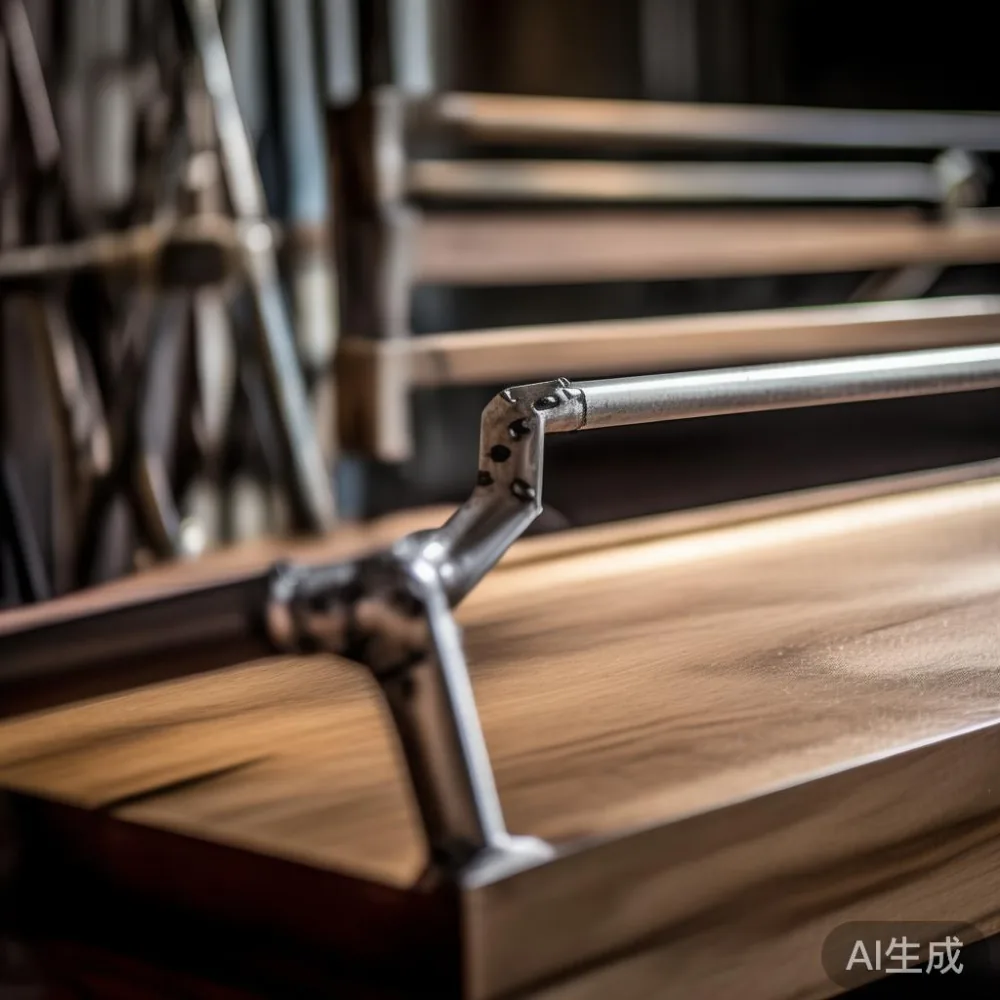
Humidity is not a permanent attack on wood. It is a repeated cycle of moisture entering and leaving the timber. The practical question is how a well-designed solid wood sofa, bed frame, dining table, wardrobe, nightstand, or marble table responds to that cycle. Metal furniture also needs attention because wood components can move while a metal frame remains dimensionally stable.
This guide explains what Singapore residents should expect, how to measure risk, and which design decisions matter. Measurements are given in centimetres, kilograms, relative humidity percentages, and Singapore dollars. A 10-year structural warranty does not mean that a surface will remain untouched for 10 years; natural timber needs sensible care in a tropical interior.
Why does Singapore humidity affect solid wood furniture?
Wood is hygroscopic: its moisture content follows the relative humidity around it. At 70% relative humidity, many indoor hardwoods become more swollen than they are at 50%. During a humid evening, a 180 cm long solid wood dining table may gain a fraction of a millimetre in width. Repeat that movement across several table tops, door panels, and drawer bottoms, and joints can begin to feel tight.
The most visible change is usually a small gap. A wardrobe may show a 2–4 mm opening at its edge. Drawers that fitted cleanly when delivered may need a minor adjustment after the air changes. Veneers can show different signs because their thin construction may crease or lift more readily than a thicker board.
Singapore’s rainfall, sea air, and long wet season can influence outdoor and corridor conditions. However, humidity inside a condo is often lower than outside because of dehumidification and air-conditioning. Open HDB corridors, unglazed service stairs, and ground-floor units require closer attention than a high-floor bedroom behind closed glazing.
Temperature also matters. Relative humidity of 65% at 32°C does not represent the same moisture condition as 65% at 23°C. Warm air can hold more water, and a cold drinks cabinet can create local condensation on nearby furniture. A small hygrometer placed near—not directly against—a cabinet or wall gives a more useful reading than a sensor mounted on an exterior wall.
What is a safe indoor humidity range for wood furniture?
For most residential solid wood furniture in Singapore, aim for relative humidity between 45% and 60%, with less movement over time. Short periods near 65% are less troublesome than days repeatedly above 70%. Below about 35%, timber can lose moisture and develop fine checks, particularly near heaters or vents.
A practical target is 50–55%. If a bedroom remains above 60%, use the air-conditioner or a dehumidifier and close windows during heavy rain. Keep the unit at least 1 metre from a wardrobe or bed frame so that air can circulate. A compact dehumidifier may remove 8–16 litres of water per day, depending on room size and incoming moisture.
Place a hygrometer in the room for at least 7 days before delivery day. Record readings at 8 a.m., 2 p.m., and 10 p.m. on 3 ordinary days and during 1 rainy period. This simple log shows whether the problem is broad room humidity or a local source such as a laundry basket, bathroom vent, or frequently opened kitchen doorway.
Do not over-correct wood. Spraying a tabletop every morning can cause the opposite problem: frequent wetting followed by drying can enlarge checks. Wipe spills promptly, use coasters and mats, and keep damp cloths or plants away from timber surfaces. A marble table is less prone to dimensional movement, although acidic liquids can etch its finish.
Which Singapore homes create the greatest humidity risk?
HDB flats are not automatically high-risk; construction and occupancy matter. Tampines, Bedok, and Punggol homes all contain plenty of enclosed living space, but room use changes the exposure. A near-ground-floor flat may experience more corridor moisture than a unit on the 22nd floor. A home beside an open car park or facing prevailing rain may see larger swings when windows are open.
Check the delivery route as carefully as the room. Lift doors on older blocks may measure about 90 cm wide, while some newer lifts provide broader openings. A 210 cm wardrobe may need to be tilted through a 180 cm corridor turn; removing a door panel can make the job easier. A bed frame delivered in 2 packages of 25 kg is easier to handle than one loose section weighing 45 kg.
Measure the lift door, the narrowest corridor section, the entrance door, stairs, and any 90-degree turns. Add 5–10 cm of working clearance for hands and protective blankets. Confirm whether the lift reservation fee applies and take photographs before moving furniture. These details are separate from humidity, but delivery damage can create new gaps and stress points that are later blamed on the wood.
For solid wood pieces, arrive with the wrapping intact when possible. Carry a moisture meter if the supplier uses one, but also inspect for mould, water stains, softened edges, and swollen drawer runners. After delivery, allow the furniture to acclimatise in its final room for 48–72 hours before tightening small fittings or placing heavy objects inside.
How should you choose furniture for a humid Singapore interior?
Choose solid wood furniture with restrained, durable joinery. Look for mechanically fixed components that can tolerate a small amount of seasonal movement, rather than expecting glue alone to hold under changing moisture. A well-fitted mortise-and-tenon joint can accommodate dimensional change better than an over-tight rigid connection.
For a solid wood sofa, inspect the frame behind removable cushions and check how the seat deck is ventilated. A solid wood bed frame should have enough clearance beneath it for cleaning and air circulation. A dining table benefits from a stable base, cleanable underside, and surfaces that can be wiped without aggressive chemicals.
Wardrobes need particular planning. Internal ventilation, adjustable shelves, and doors that do not rub against the carcass help after climate changes. Ask about seasonal movement, hardware coating, and the maker’s repair policy. A 10-year structural warranty from MIDHILL addresses structural integrity over the stated period, while surface care remains the owner’s responsibility.
Design language is less important than movement control, but proportion and finish can still influence the home. French light luxury often uses pale woods, soft upholstery, and carefully spaced storage. Post-modern light luxury may use simpler lines with a warmer, less formal character. For a bedroom, the European bed vs Mid-century modern bed comparison often comes down to storage, room circulation, and preferred visual profile rather than humidity resistance alone.
Some shoppers search for the best Post-modern wardrobe for 2026, but the best solution for Singapore is one with adjustable fittings, ventilation, and serviceable hardware. In a compact flat, the best Boho sofa for 2026 may use loose cushions and removable covers so the timber frame can be inspected. These are useful design choices, not substitutes for moisture control.
Metal furniture requires a related inspection. Check powder coating, welds, fastener heads, and the interface where a metal leg meets a wooden rail. A metal frame does not expand in exactly the same way as timber, so the joint should permit controlled movement. For shoppers comparing the best European light luxury furniture or wholesale French provincial furniture, ask specifically about tropical humidity preparation, not only appearance.
A Mid-century modern TV console should include closed storage in humid rooms, because electronics produce heat and collect dust. Keep a 5 cm air gap where equipment requires ventilation. A nightstand should have a stable rear gap of 2–3 cm from a wall, and a marble table should sit on level supports so heavy stone does not stress furniture joints.
What maintenance routine protects furniture between humid seasons?
Clean weekly with a dry, soft cloth. Use a lightly damp cloth only when needed, then dry the surface immediately. Avoid soaking timber edges, flooding drawer grooves, and leaving cleaning liquid beneath a nightstand. Remove coasters and mats if they trap moisture. Keep the distance from an air-conditioning outlet at least 1 metre and from a bathroom doorway reasonable.
Inspect every 3 months. Open wardrobe doors, move drawers, and look for a 2 mm change in alignment. Check the underside of a bed frame for mould, especially in a ground-floor unit. Wipe metal furniture with a neutral cleaner and dry it thoroughly. Do not use abrasive pads on powder-coated surfaces, because scratches remove the protective layer.
For minor surface marks, follow the product care instructions. Oil finishes may need refreshing every 12–24 months depending on use; lacquered surfaces may require a different treatment. Never apply oil to a stone or marble table without checking the stone’s sealer. If a joint has pulled away, a drawer repeatedly jams, or a wardrobe gap exceeds about 5 mm, contact the supplier instead of forcing the component.
MIDHILL offers lifetime refinishing under its stated service terms, which can be useful after years of humid use, but preventive care still reduces repair frequency. Delivery, returns, and warranty conditions should be confirmed before purchase. Singapore orders should be priced in SGD, including GST and delivery where applicable; free shipping over US$350 may be translated into the seller’s published local threshold, so ask for the exact Singapore total.
How can I check humidity before a solid wood delivery?
Ask the supplier for packed dimensions, package weights, lift dimensions, and an estimated delivery window. A dining table may arrive in 2 pieces weighing 35 kg each, while a solid wood sofa may arrive in several cartons totalling 70 kg. A marble table may require 3 or 4 handlers and a separate carrying plan. These figures should be agreed before the vehicle is booked.
On delivery day, photograph the furniture before unpacking. Compare the timber colour with a dry reference sample, look at the end grain, and feel the underside. Reject or report visible mould, water staining, or crushed corners immediately. Keep the packaging for 7 days in case a return is required, following the retailer’s 14-day returns policy and its condition rules.
Give each piece 48–72 hours in the room, then measure again. If a drawer that had a 1 mm clearance now binds, wait for stable conditions before adjusting it. If a solid wood bed frame develops a persistent squeak, inspect the joint and fasteners rather than increasing the load.
For a metal furniture purchase, request coating thickness and corrosion-protection information. For a solid wood dining table, ask whether the top is solid timber or veneer and how it is finished. For a wardrobe, confirm hinge adjustment. These specific answers are more useful in Singapore than a generic promise that furniture is completely moisture-proof.
What should a Singapore buyer ask before ordering?
Ask: “What humidity range was the furniture designed for, and what maintenance does the warranty require?” Ask: “Will the solid wood pieces move seasonally, and how are joints made?” Ask: “What are the packaged dimensions and delivery days after my payment clears?” Ask: “How are returns handled if the piece arrives damaged?”
Finally, compare the quote in SGD with GST, delivery, lift reservation, and any stairs charge. Confirm the finish colour under the lighting of the actual bedroom or dining area. A light-luxury finish can look warmer under warm LEDs and cooler beside a large window, so obtain samples before approving a large order.
Humidity does not make wood furniture unusable in Singapore. It makes careful selection, measurement, ventilation, and maintenance more important. A solid wood sofa, bed frame, dining table, wardrobe, nightstand, or metal furniture design can remain attractive for many years when the room is kept within a moderate range and moisture problems are addressed early.