How to Care for Lacquered Surfaces in Singapore’s Humid Climate
Lacquered furniture can look beautifully quiet in a Singapore home, but it needs a deliberate care routine in a tropical climate. Between 80% and 90% relative humidity, frequent rain, warm air from an HDB flat, and condensation near a window, a glossy finish can gradually develop a cloudy haze, fine scratches, or a tacky surface.
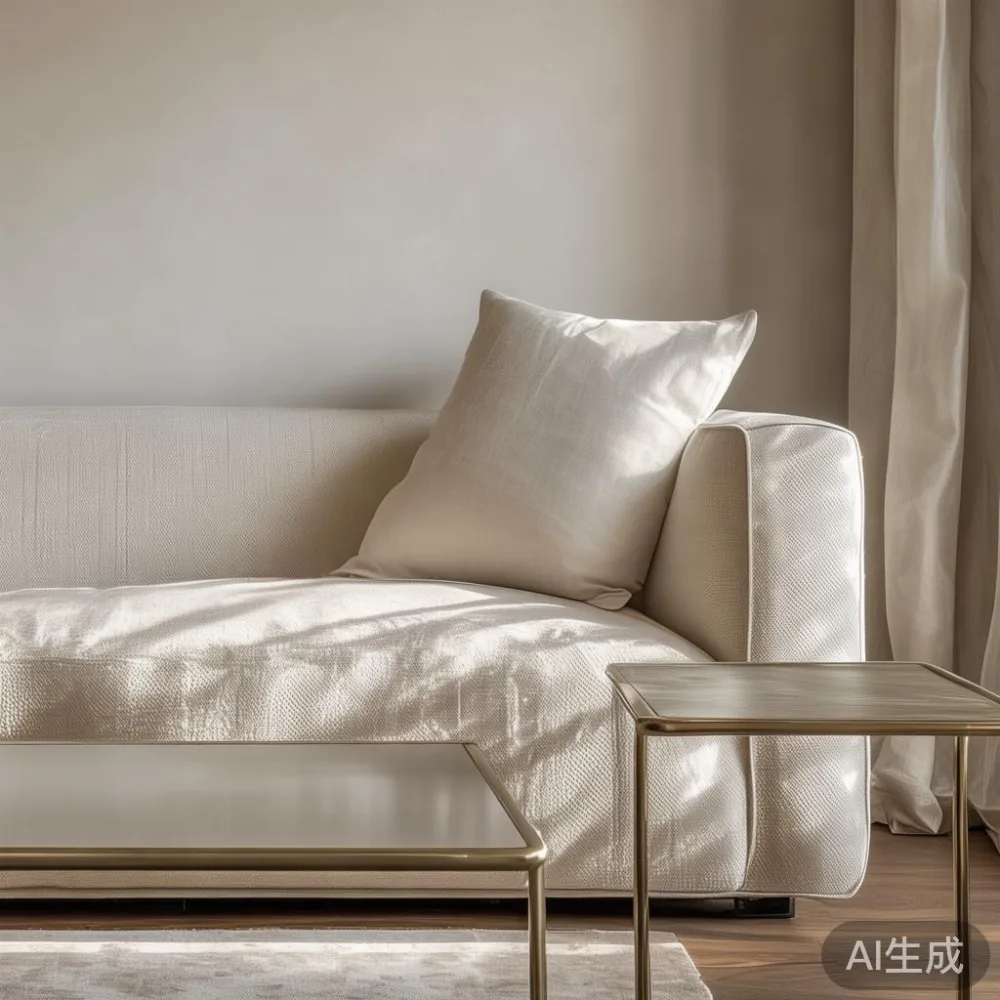
At MIDHILL, our approach combines solid wood construction with restrained detail and practical protection. The same care discipline applies whether a lacquered piece is a solid wood sofa, bed frame, dining table, wardrobe, nightstand, marble table, or one of our metal furniture designs with lacquered accents.
This guide explains how to inspect a lacquered surface, clean it safely, control humidity, prevent damage, and decide when refinishing is needed. The examples use familiar Singapore conditions: Tampines HDB flats, Bedok and Punggol condos, narrow lift doors, shared corridors, and delivery routes managed around the GST-inclusive price of your order.
Can lacquered furniture survive Singapore humidity without losing its finish?
Yes, if the surface is correct for the room and receives regular care. The finish should have a stable substrate, complete edge sealing, and a compatible coating system. A poorly prepared lacquer may blister or peel because moisture becomes trapped underneath, while a sound high-quality finish can usually be maintained with simple wiping and controlled indoor humidity.
Relative humidity of roughly 55% to 70% is a practical target for most occupied interiors in Singapore. Air-conditioning often brings humidity below this range during the day, while kitchens, bathrooms, laundry areas, and rooms without dehumidifiers can exceed it at night. Direct rain should never reach a lacquered panel, even if the balcony has glass doors.
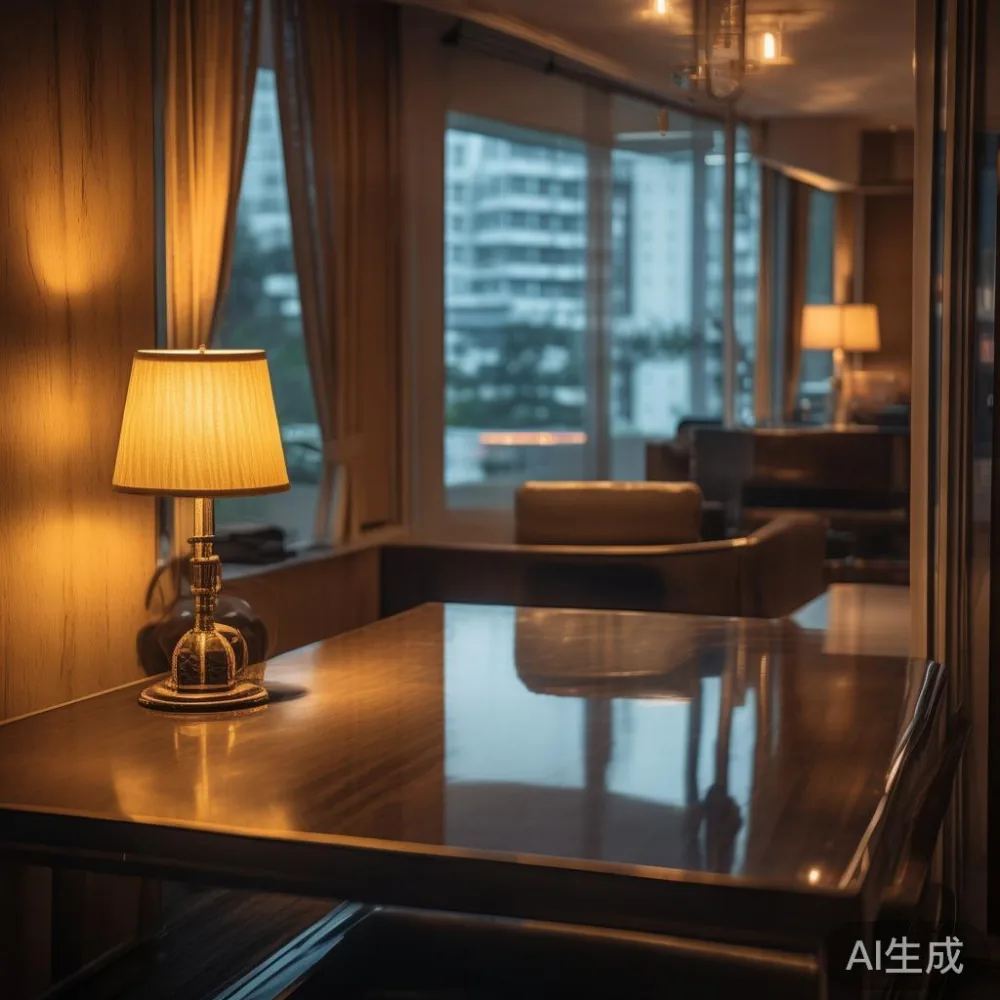
Keep the piece at least 30 cm from an open window, 60 cm from a bathroom doorway, and 90 cm from a strongly air-conditioned wall where condensation may form. Use a hygrometer costing about SGD 18 to SGD 35 to check conditions. If it regularly reads above 75%, run a dehumidifier for 2 hours daily or improve air movement with a ceiling fan.
Do not place a lacquered item immediately beside a sunlit window. UV exposure can fade colour over 12 to 24 months, even when the coating is otherwise sound. UV-filtering film on the window can cost around SGD 45 for a 90 cm by 60 cm sheet, while sheer curtains offer a gentler option.
What should I check before accepting a lacquered solid wood piece?
Inspect the finish before it enters the lift and corridor. Singapore HDB lift doors are often about 80 cm to 90 cm wide, while lift cars may measure roughly 100 cm by 120 cm or larger. Condo service lifts can be narrower, so measure doors, corners, and turning points before delivery. A package that cannot pass through the common corridor should not be forced or dismantled.
Check under side-table lamps, around decorative objects, along front edges, and at joints. Look for a continuous film without pinholes, orange-peel texture, colour variation, or exposed wood. On a darker finish, scratches show as pale lines; on cream lacquer, impact marks can appear grey or brown. Run a clean fingernail lightly over a suspicious area. A fingernail should not catch in a lifted edge.
Ask for the lacquer type and care instructions in writing. Water-based, solvent-based, and conversion finishes differ in repair methods, although all should be protected from standing water and harsh solvents. If the supplier offers a 10-year structural warranty, confirm that it covers lacquer adhesion and clearly define any finish-related exclusions.
For coordinated rooms, customers often compare a European light luxury sofa vs Nordic sofa or light luxury sofa vs Nordic sofa. Those comparisons usually centre on shape and comfort rather than lacquer care, but finish consistency still matters. A solid wood dining table should match the wardrobe, while a lacquered nightstand should share the same sheen and colour family as the bed frame.
How do I clean a lacquered surface without creating dull patches?
Begin with a dry microfibre cloth. Dust can act like fine sandpaper, so remove it every 1 to 2 weeks in a busy home and every 2 to 4 weeks in a lower-traffic room. Use a clean cloth for each area to avoid spreading grit.
For routine cleaning, dampen the cloth with plain water and wring it until only a trace remains. Wipe in the direction of the grain, then use a second dry cloth to remove moisture. This two-cloth method reduces streaks and prevents water from pooling around edges. Never use a soaked sponge or spray cleaner directly onto the furniture.
Clean visible spills within 5 minutes. Blot rather than rub. If a sticky drink has dried, place a clean cloth over the spot and warm it gently with a hairdryer held at least 30 cm away for 15 seconds. This can soften the residue before wiping. Test any cleaner on a concealed 5 cm by 5 cm section for 24 hours.
Avoid alkaline cleaners, ammonia, bleach, abrasive pads, alcohol-based products, and household glass cleaner. Even diluted, these can soften lacquer or leave a bloom. Neutral pH cleaner labelled for coated furniture may be used sparingly, but plain water is enough for most maintenance.
Metal furniture requires one extra check: inspect the lacquer where a powder-coated rail, leg cap, handle, or tabletop insert meets exposed metal. Salt carried on damp hands can cause corrosion around a chipped coating. After wiping metal furniture, dry every joint with a separate cloth and address chips promptly.
How can I prevent scratches, heat marks, and moisture damage?
Put coasters and placemats on lacquered dining tables. A ceramic cup can leave a ring if it remains in one position for 30 minutes. Coasters should be at least 8 cm across, while a heat-resistant felt pad can handle a warm laptop for up to 2 hours. Avoid direct contact with hot hair tools, cooking pots, and candles. Place no item above 60°C on lacquer.
Use felt pads beneath table lamps, alarm clocks, speaker units, and decorative trays. Replace adhesive pads every 6 to 12 months because trapped grit can abrade the film. Lift objects rather than sliding them, especially across a solid wood sofa arm, bed frame, wardrobe door, nightstand, or marble table surface.
For a compact HDB living room, the MIDHILL coffee table may need careful placement if it carries a lacquered insert. Leave about 75 cm between the table and a sofa edge where people walk past, and 90 cm in a main circulation route. In a Punggol or Tampines flat, keep corridor clearance practical while maintaining a minimalist for small living room layout.
Do not use plastic bags or cling film as long-term covers. In humid air, trapped moisture can cloud the finish. If a cover is needed during a 2-week renovation, choose breathable cotton, keep it loose, and remove it daily for 1 hour. For storage, maintain about 45% to 55% humidity and place desiccant packs inside the cabinet at intervals of 50 cm.
Can furniture polish be used on lacquer, and how often?
Use polish only if the product instructions explicitly approve it. Many polishes contain silicone, wax, or solvents that create temporary shine but can make later repair more difficult. If approved, apply a rice-grain amount to a soft cloth and treat only a 20 cm by 20 cm test area for 24 hours. Buff gently for about 2 minutes.
Fingerprint removal may require slightly more attention than ordinary dust. A clean dry microfibre cloth often lifts fresh prints. For resistant marks, use a barely damp cloth and dry immediately. Do not keep retrying with progressively wetter cloths, because repeated moisture exposure can create a visible haze.
Watch for early warning signs. A cloudy film that appears within 24 hours of cleaning may indicate a surface-cleaning problem. Bubbling, lifting, or a dull patch that returns after wiping may indicate moisture beneath the coating. Photograph the affected area with a ruler beside it, record the room humidity, and contact the manufacturer before trying aggressive treatment.
For furniture featuring stone and lacquer together, keep cleaners away from the marble table edge. Neutral water is suitable for most sealed marble, but acidic liquids can etch the stone. A marble table and lacquered dining table should have separate cloths so wax or polishing residue does not transfer.
How long does lacquer protection last, and when should I arrange refinishing?
A well-maintained lacquer can retain an even appearance for 5 to 10 years, depending on UV exposure, humidity, use, and coating quality. This is not a fixed lifespan: a bright coastal condo with direct afternoon light may need inspection every 12 months, while a sheltered HDB bedroom may require only a seasonal check.
Inspect quarterly at first. Run a white cotton cloth over the surface and examine it for transferred pigment. Check edges and high-contact zones under daylight and under warm LED light at night. Small scratches can sometimes be treated with a colour-matched repair product, but deep scratches exposing wood require professional assessment.
MIDHILL provides lifetime refinishing for eligible solid wood furniture. That service can restore the original finish through careful preparation and recoating, provided the lacquer system is compatible and the substrate remains sound. It should not be assumed that every metal furniture finish or marble table can receive the same treatment. Confirm the scope, transport charges, and turnaround time before booking.
Last month I visited a family in Bedok to assess a lacquered dining table bought 4 years earlier. The finish had dulled mainly because a humidifier was running beside it and coasters were being placed at inconsistent temperatures. I measured 79% relative humidity near the table and 61% across the room. After moving the humidifier, fitting 8 cm coasters, and cleaning with the two-cloth method, the shine recovered within 20 minutes. The experience reinforced how much ordinary positioning affects lacquer more than aggressive polishing.
How should a Singapore furniture delivery and care plan be arranged?
Measure the route before delivery day. Record the lift-door width, lift-car dimensions, corridor turns, stair width, and the distance from the service lift to the door. Reserve a 120 cm clear turning zone for larger panels where possible. The delivery team should protect corners with blankets and keep hardware away from the lacquer.
For orders over US$350, MIDHILL offers free shipping, although the final delivery charge shown for Singapore should be confirmed against the order total. GST is payable where applicable on imported goods, so request an itemised quote in SGD. Allow approximately 7 to 14 delivery days for Singapore orders, and more during peak periods.
Damage found immediately after delivery should be documented with photographs before the protective packaging is removed. Existing scratches should be noted at handover. MIDHILL offers a 14-day return window, subject to the product’s condition and stated terms. Keep all packaging for at least 7 days because a return may require the original protective materials.
Before approving a purchase, ask whether the finish suits a tropical home and whether the seller will support future care. In a light-luxury interior, lacquer can support French light luxury or post-modern light luxury styling when paired with pale woods, restrained metal furniture details, and clean geometry. The finish should support the room, not demand constant rescue.
For a bedroom, a Modern light luxury dressing table needs enough clearance from walls to allow cleaning, typically 10 cm at the back and 75 cm in front. A “best Modern bed for 2026” search may lead to different platform features, but buyers should prioritise stable solid wood construction, compatible lacquer, and local service rather than a temporary marketing label.
Singapore’s climate does not require you to avoid lacquered furniture. It does require sensible humidity control, dry cleaning, heat protection, and regular inspection. With those habits in place, a lacquered solid wood sofa, bed frame, dining table, wardrobe, nightstand, marble table, or metal furniture piece can remain visually composed for years.