Humidity Impact on Wood Furniture in Southeast Asia: What You Need to Know
Living in Singapore means living with humidity. The average relative humidity sits between 70% and 85% for most of the year, and during the monsoon months from November to January it can climb above 90% indoors, especially in a Tampines or Punggol HDB flat where the air-con runs only in the bedrooms. I learned this the hard way last month when I visited a friend's resale flat in Bedok. His three-year-old acacia dining table had a 1.2 mm gap between two planks that had not been there when he bought it. The wood had swollen, then dried unevenly under the air-con vent, and the result was a permanent step in the surface. That single afternoon convinced me to write this guide for anyone choosing a solid wood sofa frame, bed frame, dining table, wardrobe, nightstand, or a marble table for a Singapore home.
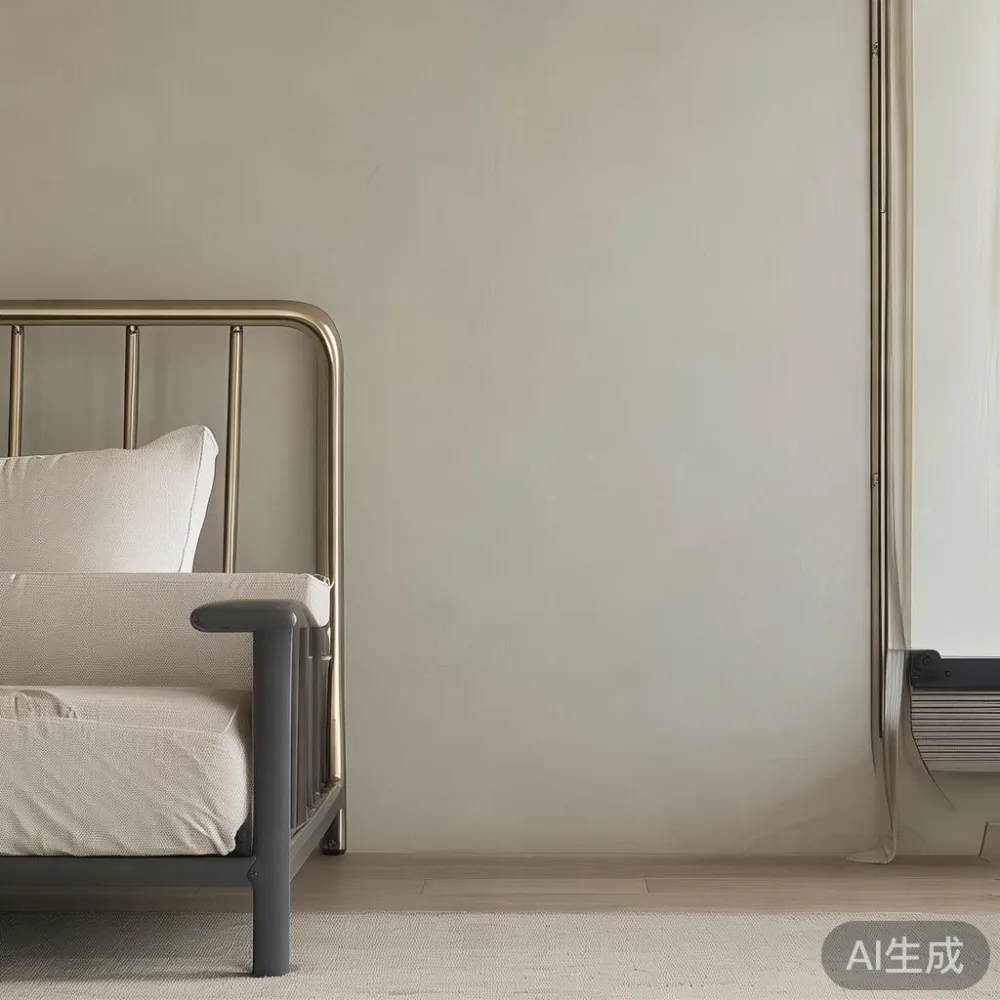
MIDHILL has been crafting solid wood pieces in Foshan since 2008, and the factory ships to more than fifteen countries. Because we ship a high volume of orders to HDBs and private condos across Singapore, our after-sales team hears the same story every rainy season: a customer in a Yishun walk-up reports a sticky drawer, a Jurong East family sees mildew on the back of a wardrobe, a Punggol executive condo owner worries about a white ash wood bookshelf bowing in the storeroom. The conditions are real, the fixes are practical, and a little knowledge before you buy saves hundreds of SGD in refinishing later.
Why does Southeast Asian humidity damage wood furniture?
Wood is hygroscopic. It absorbs and releases moisture until it reaches equilibrium with the surrounding air, and every 4% change in moisture content produces roughly a 1% change in dimension across the grain. In a Singapore bedroom with no dehumidifier, the relative humidity can swing from 55% on a dry air-con day to 88% on a wet Sunday afternoon with the windows open. That 33-point swing is enough to move a 180 cm long solid oak dining table top by 4 mm to 6 mm in width. Over twelve months, the stress shows up as raised grain, hairline cracks on the legs of a bed frame, or a drawer front that no longer lines up on a six-drawer wardrobe.
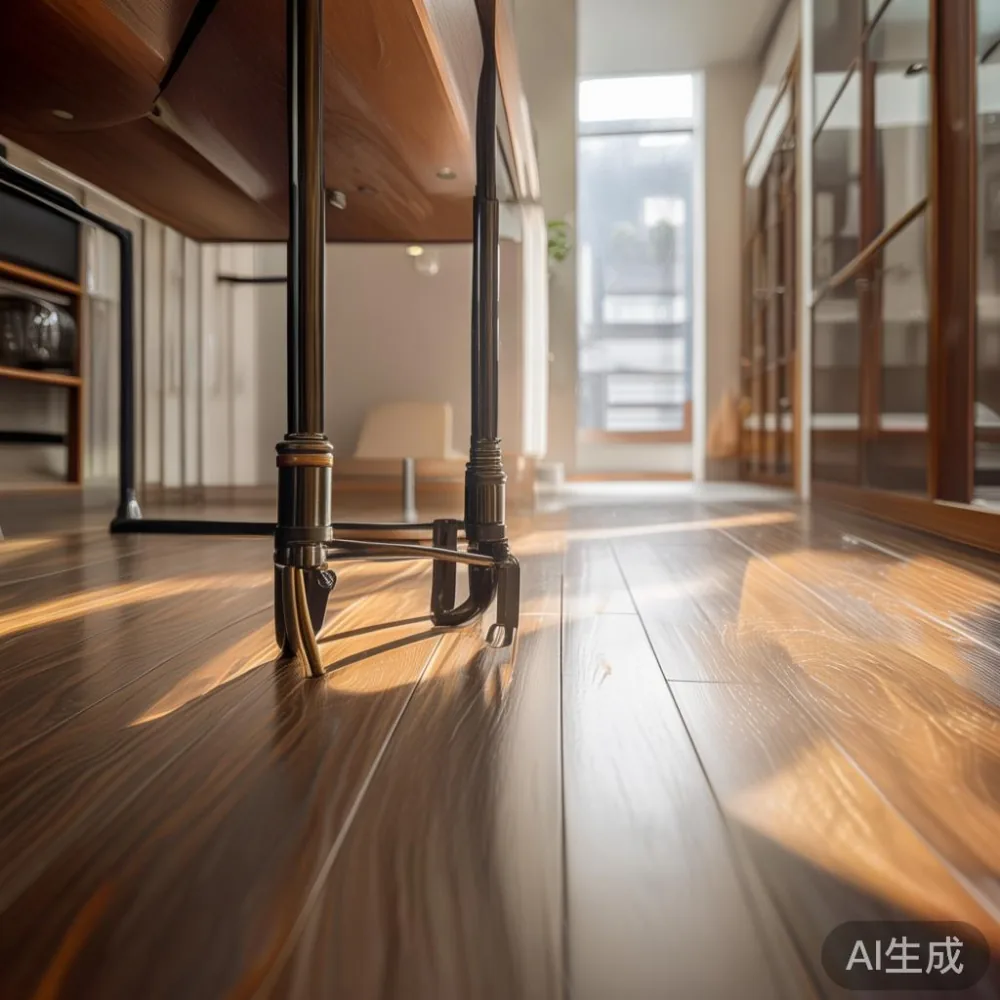
Solid wood responds differently from engineered wood. A solid wood sofa frame made of white oak or ash will move with the seasons and can usually be sanded and refinished. A chipboard core wrapped in veneer will delaminate at the edges and cannot be repaired, only replaced. This is one reason MIDHILL specifies kiln-dried solid hardwood for every load-bearing component. Kiln drying brings the moisture content down to 8% to 10%, close to the indoor equilibrium in a Singapore air-conditioned room, so the wood has less room to move after it reaches your flat.
How humid is too humid for a solid wood dining table?
The short answer: anything consistently above 75% relative humidity will cause problems for an unprotected solid wood dining table in Singapore. The long answer requires a hygrometer. A basic digital hygrometer costs S$12 to S$18 at any Tampines Mall electronics shop and is the single best purchase you can make for your furniture. Place it on the wall near your dining table, away from direct sunlight, and check the reading every evening for two weeks.
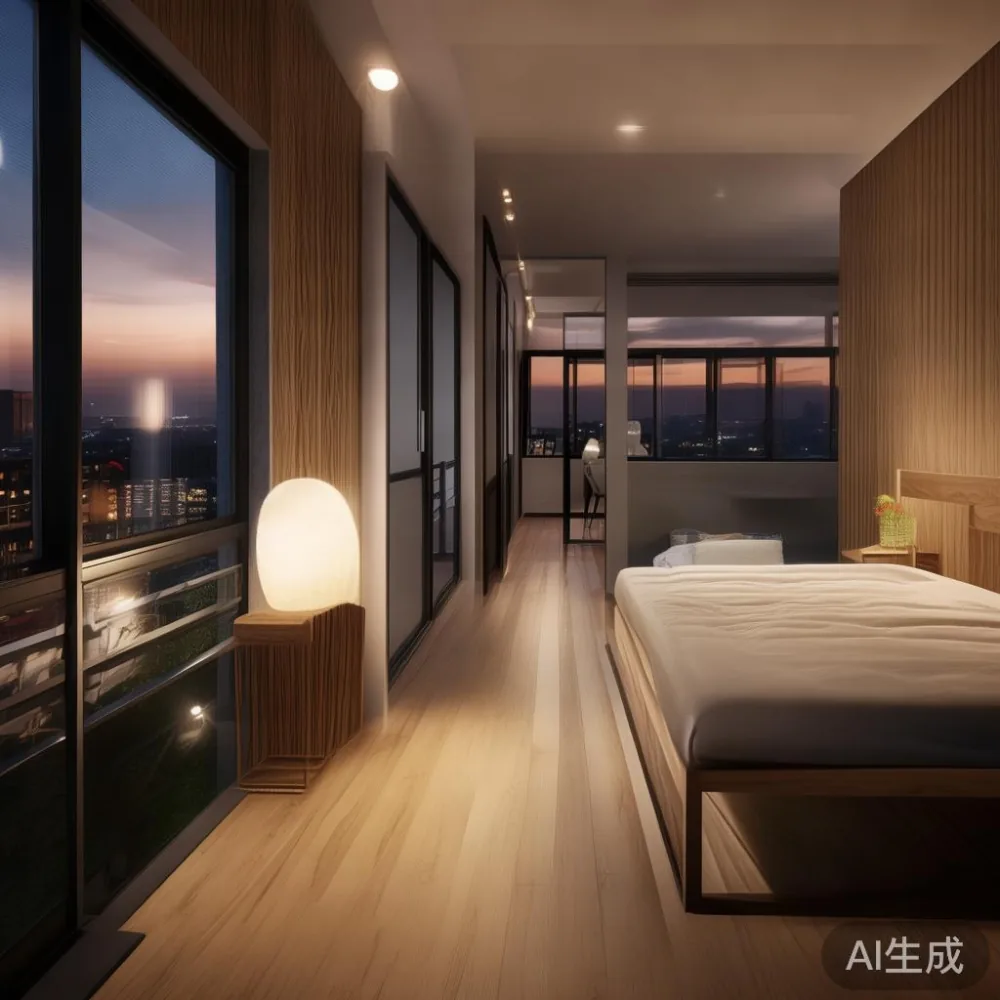
If your readings cluster between 45% and 65%, your wood is in a safe zone. Between 65% and 75% you should run a dehumidifier in the dining area for four to six hours a day. Above 75%, you need active dehumidification whenever the air-con is off, and you should keep the table away from the wall facing the service yard, where humidity is usually 5% to 10% higher than the centre of the flat. A 35 g to 50 g silica gel pack tucked under each end of a marble table or inside a wardrobe can absorb a measurable amount of moisture in a closed cabinet, but it is a supplement, not a substitute, for room-level humidity control.
How do I choose a shoe cabinet for a small space?
Choose a shoe cabinet under 30 cm deep with a tilted shoe rack inside, mounted to the wall or with a full back panel, so it stays square even when humidity fluctuates between 55% and 90% in a Singapore HDB corridor. That is the rule I give every customer who walks into our showroom with a floor plan measured in centimetres rather than feet. Singapore HDB corridors are 1.2 m to 1.5 m wide and the typical three-room BTO entry measures about 1.0 m by 2.4 m, so depth is the dimension you sacrifice first. A 28 cm or 30 cm deep cabinet holds a pair of size 10 trainers flat or tilted without eating the walkway, and the tilt actually helps airflow, which keeps mould at bay.
For construction, ask whether the side panels are solid wood, plywood, or MDF. Plywood with a solid wood face is the practical compromise for a small HDB shoe cabinet, because plywood moves less than solid timber in the cross-grain direction and resists the warping that ruins a freestanding cabinet during the December monsoon. A back panel fixed with full-length grooves rather than stapled on prevents the rack from racking into a parallelogram when the corridor humidity hits 90%. If you prefer metal furniture for the frame to remove the moisture question entirely, powder-coated steel and aluminium shoe cabinets from 25 cm to 35 cm deep are widely available, and they pair well with a solid wood top tray for keys and mail. Look for adjustable feet with at least 3 cm of travel, because lift landings are rarely perfectly level and a 0.5 cm lean will translate into a door that will not latch after a few humid weeks.
Which wood species handle Singapore humidity best?
Among the species MIDHILL regularly uses, white ash and teak perform the strongest in our Singapore shipments. White ash has a Janka hardness of 1320 and a straight grain that resists cupping, which is why it is a common choice for a white ash wood bookshelf in a study nook. Teak contains natural oils that repel water and is the traditional pick for boat decking, so a teak dining table or teak outdoor sofa frame tolerates the occasional wet glass or balcony shower without protest. Walnut, at 1010 Janka, is softer but dimensionally stable and is a favourite for bedroom pieces such as a walnut bed frame or a three-drawer nightstand.
Cherry, at 950 Janka, darkens quickly under Singapore sunlight and is better placed away from windows. Pine is too soft for a family dining table in a Punggol condo with three young children, although it works for a low-traffic accent piece. For the French light luxury aesthetic common in Tiong Bahru walk-ups and Bukit Timah terrace houses, ash pairs well with marble tops, and a marble table with an ash base gives you the cool, refined surface clients associate with post-modern light luxury without the maintenance headache of solid marble. American light luxury leans toward walnut with brushed brass hardware, and the warm grain hides the small seasonal movement that would show on a pale ash surface.
How should I acclimatise new wood furniture to my HDB or condo?
Let every solid wood piece rest in the room where it will live for seven to fourteen days before you wax or oil it. The factory finish cures during this window and the wood finds its equilibrium with your specific indoor humidity. In a Singapore HDB, place the piece in the centre of the room on its protective foam, not against the wall, because the wall cavity carries higher moisture from the corridor or service yard. Keep the air-con running at 24 to 26 degrees Celsius and set a small dehumidifier to maintain 55% relative humidity. After seven days, check the drawer fronts and door gaps with a steel rule; a uniform 1.5 mm to 2 mm gap means the wood has settled and you can apply the first coat of hard wax oil.
MIDHILL includes a set of four rubber furniture pads with every dining table and bed frame shipped to Singapore for this reason. Lifting the piece 0.5 cm off the tile floor breaks the capillary action that draws moisture up through the screed, especially in older Bukit Merah or Queenstown flats where the subfloor may not have a proper vapour barrier. The pads also make it easy to pull a 90 kg wardrobe 30 cm out from the wall for a quarterly wipe-down, which is a job most Singapore homeowners forget until mildew appears.
How do lift sizes and corridor widths affect delivery of a 1.8 m wardrobe?
Measure your lift diagonal before you buy anything wider than 120 cm. Standard HDB passenger lifts are 1.1 m deep by 1.4 m wide with a 3.5 m ceiling, which gives a usable diagonal of about 1.78 m. A 1.8 m wardrobe laid flat will not fit, so it must be delivered on its side or in two halves. Newer BTOs such as those in Punggol North have wider 1.2 m by 1.6 m lifts, and private condos such as The Interlace or Marina One often have 1.5 m by 1.8 m service lifts. Our delivery team in Singapore uses a 1.2 m collapsible aluminium ramp for service-yard loading and carries pieces of up to 95 kg per leg up two flights of stairs when the lift is out of service, which happens more often than residents expect during the festive season.
For a six-drawer wardrobe weighing 120 kg to 140 kg unpacked, two delivery technicians are standard and three are needed for stairs above the fourth floor without a lift. The delivery fee within mainland Singapore is S$35 to S$65 for a flat below the eighth floor, S$80 to S$120 above that, and S$150 or more for Sentosa or Jurong Island addresses. Free shipping applies to orders above S$480 across most of the island, which covers a solid wood dining table for four, a queen-size bed frame, and a pair of nightstands with room to spare for a small marble table.
What daily habits keep wood furniture dry in a tropical climate?
Wipe every surface with a dry microfiber cloth every morning and run the air-con for at least two hours a day even when nobody is home, because Singapore indoor humidity climbs within 90 minutes of switching off a 9000 BTU split unit. Keep plants away from solid wood surfaces; a single 30 cm potted fern transpires 20 ml to 30 ml of water overnight, which raises the local humidity around a nightstand enough to dull the finish over six months. Use coasters under every cup, including cold drinks, because condensation forms on a glass at 24 degrees Celsius once the ambient humidity passes 70%, and the ring left behind on an unprotected oak top is nearly impossible to remove without sanding.
Avoid placing a solid wood sofa or bed frame directly under a ceiling-mounted air-con vent, because the constant blast of dry air shrinks the wood on the exposed side and leaves the sheltered side swollen. The result is a cupped surface that no amount of wax will hide. If the only available wall forces the bed under the vent, angle the headboard 10 to 15 degrees away or fit a small deflector. For a wardrobe, leave the doors ajar for 20 minutes after a wet laundry cycle so the steam does not condense inside and feed the mould spores that already float through every Singapore home.
How long does solid wood furniture last in Singapore with proper care?
A well-maintained solid wood dining table from MIDHILL should last 25 to 40 years in a Singapore HDB, and longer in a private condo where humidity is more controlled. The ten-year structural warranty covers joint failure and major cracking, while the lifetime refinishing service offered by our Foshan workshop means a 12-year-old bed frame can be stripped, sanded back to bare wood, and finished in a new colour for roughly S$280 to S$450 per piece plus shipping. Compare that to replacing a particleboard wardrobe every eight to ten years, and the lifetime cost of solid wood is lower even though the upfront price is 40% to 60% higher.
Refinishing intervals depend on use. A dining table that seats a family of four needs fresh hard wax oil every 18 to 24 months. A bed frame and nightstand in a dry, air-conditioned bedroom can go five to seven years between treatments. A marble table used as a writing desk in a study should be sealed with a penetrating stone sealer every two years, because the polished surface is porous enough to absorb oils from a wooden laptop stand placed directly on it. Staining transfers within hours and is hard to reverse, so always use a felt pad under anything that sits on marble for more than a minute.
Can metal furniture solve the humidity problem completely?
Metal furniture removes the swelling, cracking, and mould questions that come with wood, and a powder-coated steel bed frame, wardrobe, or dining table base will sit happily in a corridor that hits 90% humidity every monsoon. We supply a small range of metal and metal-and-wood pieces for customers who want the lightness of post-modern light luxury with zero maintenance on the structural components. The trade-off is that metal feels cooler to the touch, can dent on impact, and needs a felt or rubber pad under every leg to protect HDB tiles from the 2 mm to 4 mm of condensation that forms on a steel foot during a cool night.
The practical answer for most Singapore homes is a mix. A powder-coated metal bed frame or shoe cabinet in the corridor, solid wood dining table and nightstand in the air-conditioned bedrooms, and a marble table on the balcony only if it is fully covered and the base is stainless steel or aluminium rather than mild steel. MIDHILL has offered this hybrid approach since 2008 because we know a Tampines family with two small children and a Punggol couple with a budding plant collection have very different needs from the same tropical climate. Choose solid wood where you want warmth and refinishing flexibility, choose metal furniture where humidity, weight, and cleaning are the priorities, and keep a S$15 hygrometer in every room that holds something you would like to keep for the next twenty years.