How Humidity in Southeast Asia Affects Wood and Metal Furniture
Singapore’s humidity is not just a weather detail; it is a daily design condition for furniture in HDB flats and condos across Tampines, Bedok and Punggol. Outdoor relative humidity commonly ranges from about 70% to 90%, while air-conditioned interiors may settle nearer than 55% to 65%. Wood expands and contracts as it absorbs or releases moisture, metal can corrode, and marble tables can show water marks if damp cloths are left on the surface.
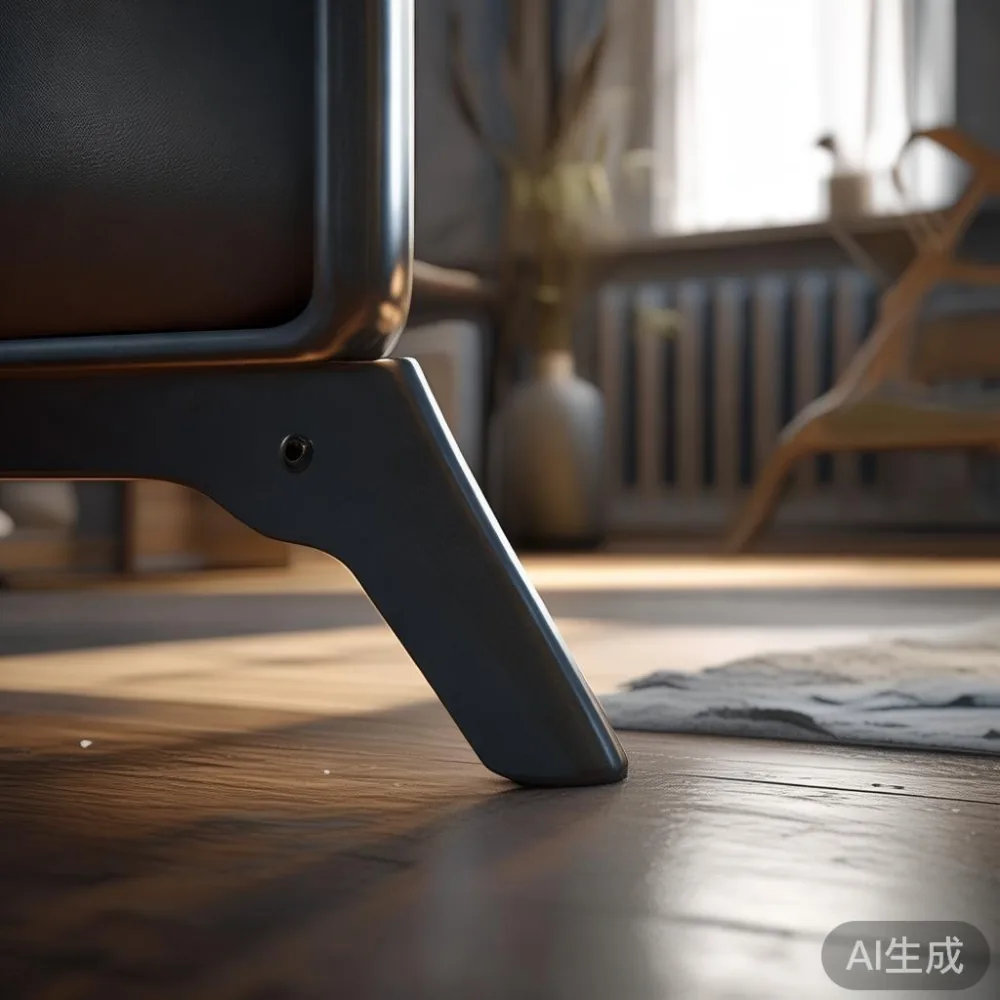
That makes careful material selection as important as visual style. A solid wood bed frame may be ideal for a bedroom, yet its drawer runners and joints still need stable indoor conditions. Metal furniture can look crisp and architectural in a narrow HDB corridor, but its finish requires suitable humidity protection. MIDHILL applies this practical understanding to a light-luxury collection built for real homes, with solid wood sofa options, dining tables, wardrobes, nightstands and coordinated metal furniture.
This guide explains how tropical humidity affects each material, where Singapore’s compact layouts create extra risks, and how owners can protect furniture without making a home feel like a storage room. It also considers deliveries, warranties and realistic care routines for furniture owners throughout the region.

Why Does Humidity Change Wood in Singapore?
Wood is hygroscopic: its moisture content responds to the surrounding air. When humidity rises, the outer cells gain moisture and swell. When air dries, they shrink. The movement is tiny in a single day, but repeated cycles of about 8% to 12% wood moisture variation can open drawer gaps, soften finishes and encourage mould around joints.
The exact response depends on species, cut and thickness. Solid teak, oak and ash are commonly used for a solid wood sofa frame, bed frame or dining table because they handle seasonal movement better than many decorative boards. Even so, a 180 cm long solid oak dining table can show several millimetres of movement across its width during severe humidity changes. A stable room is less important than dramatic swings between a wet balcony and an air-conditioned living room.
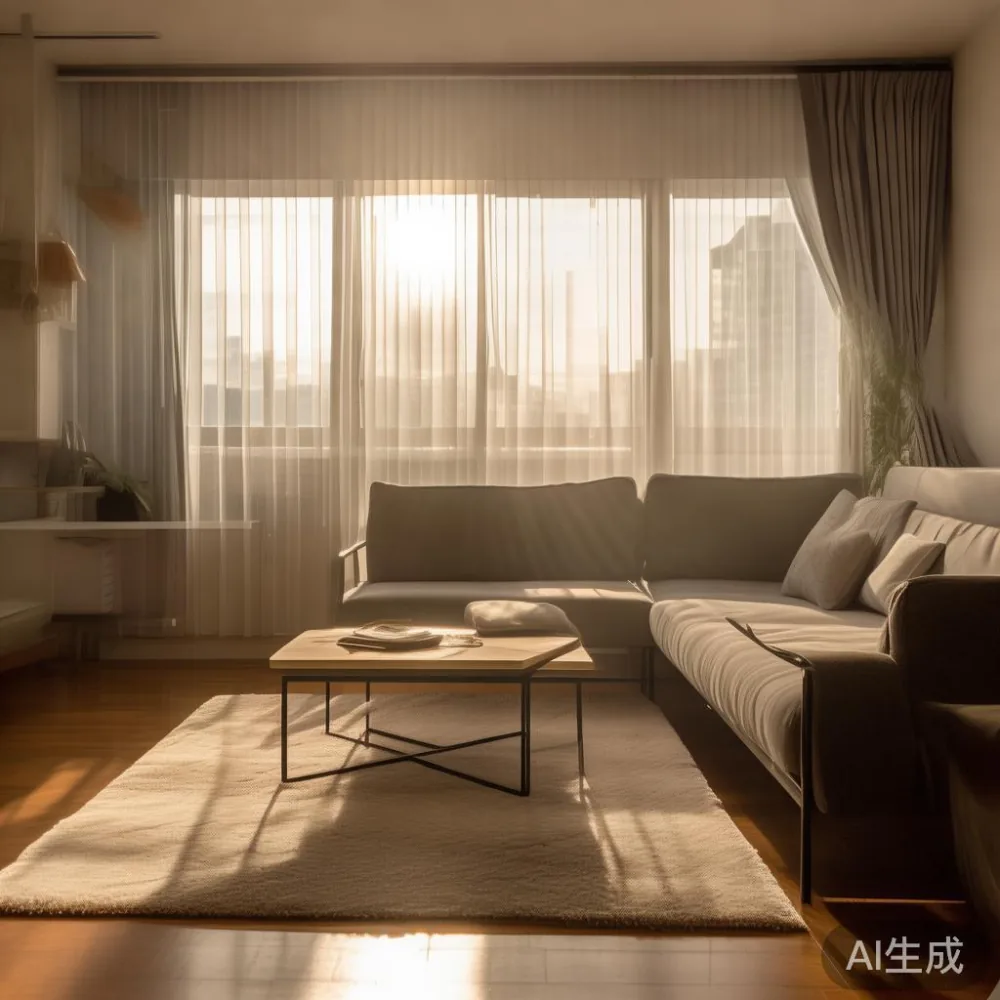
Singapore homes often have air conditioning running for 10 to 14 hours on hot days, followed by periods of higher ambient humidity. This cycling matters more than one high-humidity evening. The same bedroom may measure 78% relative humidity at 7 pm and 52% at 11 pm. Such fluctuations can leave a wooden nightstand slightly tight on one side and loose on another.
For customers comparing design language, French light luxury tends to pair pale woods with refined metal accents, while American light luxury often uses warmer timber tones with generous upholstery. Post-modern light luxury can combine clean-lined wood with slim metal frames. Each style can work in Southeast Asia, provided finishes and construction account for tropical conditions.
How Much Space Do HDB Corridors and Lifts Really Allow?
Furniture delivery is a spatial problem as well as a humidity problem. Older HDB lift cars may offer an internal door opening of about 70 to 80 cm and a depth near 110 to 130 cm. Common residential corridors are around 90 to 120 cm wide, with ceiling heights of roughly 230 to 250 cm. A 200 cm dining table will usually turn more easily than a boxed 205 cm unit, but diagonal clearance still has to be checked.
Before delivery, measure the lift door, lift car, corridor turns, stair landing and the route into the flat. For a 90 cm corridor, remove planters, shoe racks and other obstacles. For a bed frame packaged at 185 cm by 165 cm by 24 cm, confirm that the lift can accept the carton on its longest diagonal and that there is a clear landing for pivoting.
Metal furniture deserves the same route check, despite its often slimmer construction. A 160 cm blackened-brass console may weigh 34 kg, while a solid wood dining table can exceed 80 kg. Lift limits in private condos are often 500 to 680 kg, but building rules can impose stricter dimensions or reserved moving slots. GST is already included in displayed retail prices, and the customer’s 9% GST can affect project comparisons across different sellers; one quotation may show a pre-GST figure while another states the final amount.
Ask for delivery in 3 to 7 working days after stock confirmation, not simply after checkout. The timing should account for production, protective wrapping and the actual delivery appointment. Larger metal furniture may need 2 people and 20 to 30 minutes for lift installation. A bedroom wardrobe may take 45 to 90 minutes because it is usually assembled and aligned in place.
Can Humidity Damage Metal Furniture?
Yes, especially if the wrong finish or care method is used. Steel and iron frames can rust when exposed to salt-laden air, damp mops or prolonged contact with wet timber. Aluminium has excellent corrosion resistance and a typical frame may weigh only 12 to 25 kg, but it still needs protection from trapped moisture. Brass develops a patina, while bronze can develop uneven colour if treated inconsistently.
Use metal furniture as an intentional accent rather than placing every vulnerable piece against an exterior wall. A powder-coated steel dining base should be wiped with a dry or lightly damp cloth and dried immediately. Avoid abrasive pads, which can scratch a 20-micron powder coat. For plated brass, a soft cloth and mild cleaner are safer than acidic household products.
Small visual flaws can be addressed without replacing the whole piece. Rub a 0000 steel-wool pad gently over light surface rust on uncoated steel, then apply a rust-inhibiting primer and matching top coat. This is more practical than leaving a dark patch around a 4 mm joint. However, structural rust through a 2 mm tube is different and should be assessed before use.
When evaluating light luxury sofa vs Italian light luxury sofa options, consider both upholstery and the frame beneath it. An imported Italian light-luxury sofa may have elegant timber details but still requires controlled indoor humidity. Likewise, designer light luxury furniture should be judged by frame material, finish quality and care instructions, not only by the look of a catalogue photograph.
Which Wood Furniture Pieces Need the Most Attention?
Solid wood sofa frames need airflow but should not be positioned directly against an air-conditioning vent. A 220 cm sofa placed 15 cm from a wall allows vapour to disperse, while one pushed flush into a 5 cm gap can trap moisture behind its back. Cushions should be rotated every 2 to 4 weeks and removed from the frame if a deep tropical storage area becomes damp.
A solid wood bed frame presents another familiar question: how to style American bed in bedroom layouts without creating a moisture trap? Keep the headboard 10 to 20 cm away from a cold wall, use a breathable cotton or linen cover, and leave circulation space beneath where the design permits. In a 12 sqm HDB bedroom, a 180 cm bed leaves only about 60 cm on one side in a 300 cm-wide room, so wall placement can be sensible if ventilation remains available.
Wardrobes need their back panels protected. A 240 cm tall wardrobe installed against an exterior wall may encounter higher humidity than the room’s sensor, especially in a Tampines flat facing west. Leave a 20 to 30 cm service gap where installation allows, inspect base rails every 6 months and move coats away from any damp area. If you are learning how to choose American wardrobe, compare solid timber construction, adjustable fittings, door clearances and after-sales support rather than assuming a broad national style determines moisture performance.
Nightstands should not be used as drying tables. A marble table top with a 3 mm bevelled edge can stain if a wet vase leaves a ring for 30 minutes. Wipe it promptly with a neutral cleaner and dry with a microfibre cloth. For a dining table, coasters should be 8 to 12 cm wide, and hot dishes need trivets rated for at least 80 degrees Celsius.
What Is the Best Way to Control Humidity Without Making a Home Feel Awkward?
Target a practical indoor range of about 50% to 65% relative humidity where possible. In Singapore, this may require more than an occasional dehumidifier. A unit rated for 20 to 30 sqm should be placed in the bedroom or living room with doors closed. Empty the tank every 2 to 3 days during humid periods and clean the filter every 4 weeks. A tank left full for 10 days can become a local moisture source and may produce a musty smell.
Portable hygrometers cost roughly SGD 18 to SGD 45 each. Place one near the sofa or wardrobe and another near the dining table, checking readings at 8 am and 8 pm for 7 days. This reveals real daily cycles instead of relying on a weather app. Keep readings below about 70% beside wooden surfaces, while allowing short outdoor periods of higher humidity.
Air circulation matters. Run the air conditioner for 20 to 30 minutes after a wet evening, then use a 30 to 45 cm fan to move air across the room. Do not aim strong airflow directly at a solid wood bed frame or marble table. The objective is gentle circulation without dust being forced into joints.
For upholstery and rugs, washable covers and loose pads are useful. Remove them every 2 to 3 months for airing, provided the care label allows it. Vacuum with a brush attachment every 2 weeks and address spills immediately; moisture trapped under a cushion can remain for months.
How Should Solid Wood Furniture Be Cleaned and Maintained?
Cleaning should be gentle and infrequent. Dust a solid wood dining table with a dry microfibre cloth, then use a slightly damp cloth only if needed. Dry it within 2 minutes. Never flood a tabletop, and do not use silicone spray, ammonia or bleach on an oiled or lacquered finish. A diluted pH-neutral cleaner is suitable for many coated surfaces after a patch test in a hidden area.
Keep drinking water away from wood for extended periods. A bedroom nightstand may receive a glass of water for 30 minutes, which is manageable; a bedside cup left overnight can leave a pale ring. Coasters reduce the risk, while felt pads beneath objects prevent scratches and heat marks.
Check movement indicators and fixings every 6 to 12 months. Lift a dining chair by its frame rather than its upholstered back, and do not use a wardrobe as a step. For outdoor-adjacent metal furniture, inspect welds, screw heads and base plates twice a year. Salt residue can be removed with a damp cloth and a small amount of mild detergent, followed by complete drying.
Solid wood furniture benefits from a controlled routine rather than constant polishing. A refinishing service can restore a tired surface, but the finish system and colour should be matched carefully. MIDHILL provides lifetime refinishing for eligible solid wood pieces, which can help owners manage normal wear without replacing a dining table or bed frame after 8 to 12 years.
What Should Buyers Check Before Ordering Furniture for an HDB or Condo?
Begin with the actual room measurements, including the ceiling fan, skirting board and air-conditioner position. A 200 cm dining table may fit a 240 cm dining zone, but a 220 cm version can make circulation difficult. Leave at least 75 cm behind a dining chair for movement and about 90 cm in a main passage where people pass regularly.
Next, review construction details. A solid wood sofa should have a frame that can be inspected or supported by a meaningful warranty. A 10-year structural warranty offers more practical confidence than a vague statement about finishes. Metal furniture should include information about the base metal, coating and expected patina. Ask whether replacement parts, touch-up guidance and refinishing are available after delivery.
Delivery arrangements matter just as much as dimensions. Confirm the lift reservation, the number of handlers, packaging removal, floor protection and assembly time. Projects such as a new 4-room HDB flat or a 3-bedroom condo often involve 10 to 20 individual furniture pieces, so a staged delivery plan can reduce corridor congestion. Singapore delivery generally takes 3 to 10 working days depending on stock and location, while custom pieces may require 30 to 60 days.
Returns are another practical check. A 14-day return period allows time to inspect a delivered dining table or nightstand, although customized dimensions, fabrics and made-to-order finishes may have specific exclusions. Photograph the furniture on arrival, check corners and undersides, and retain the packaging until the piece has been inspected.
How Do Warranty, Refinishing and Returns Reduce Humidity Risk?
A long warranty does not prevent humidity movement, but it can support proper repair. If a solid wood bed frame develops a loose joint within the covered period, the structure should not be left for the owner to reinforce with improvised timber. A clear 10-year structural warranty gives a defined route for assessment and repair.
Lifetime refinishing is particularly relevant to Southeast Asian use, where repeated humidity cycles can gradually affect a surface. Refinishing should not be treated as a cure for leaks or direct wall contact. It restores appearance after wear; it does not solve a damp wall, a failed seal or water entering through a balcony door.
Free shipping over US$350 is useful for international buyers, though the stated threshold still refers to US dollars rather than local Singapore pricing. Local delivery in SGD should be confirmed against the destination, lift access and order value. A piece that costs SGD 2,600 may include delivery to most Singapore addresses, while a smaller metal furniture order may carry a separate lift or access charge.
The practical buying rule is simple: buy the correct material for the room, control moisture around it, and keep a maintenance record. For broader inspiration, how to choose European light luxury sofa should include questions about frame timber, foam density, cover removal and local after-sales care. If the preferred route is designer Italian light luxury furniture, confirm that the supplier can support Singapore humidity conditions and deliver within the building’s constraints.
What Did I Learn While Testing Furniture in Humid Conditions?
Last month, I visited a colleague’s 4-room HDB flat in Bedok and tested a solid oak dining table near an open balcony door. The room measured 84% relative humidity at 6:30 pm and 58% after the air conditioner ran for 45 minutes. A untreated sample edge gained about 0.8% moisture during the wetter period, while a sealed panel moved less than half as much.
The most useful finding was not dramatic swelling. It was condensation on the cooler underside of the table, combined with a coaster that trapped water against the finish. We moved the table 40 cm from the sliding door, replaced the damp coaster and added a small hygrometer. Over the next 7 days, the evening reading stayed around 76% to 81%, with no visible water ring.
I also checked the black powder-coated legs of the accompanying metal furniture. A damp cleaning cloth left a fine mineral streak, but drying it immediately made the mark disappear. That small comparison confirms a simple principle: humidity control works best when paired with fast, gentle cleaning and sensible placement.
Simple Habits for Long-Lasting Furniture
For Singapore homes, aim for stable indoor conditions rather than chasing a perfectly constant number. Keep solid wood furniture 10 to 20 cm from cold walls where space allows, use coasters and trivets, wipe moisture promptly and inspect metal bases every 6 months. Place a hygrometer in any room with a wardrobe, solid wood bed frame or large dining table, and use a dehumidifier when readings repeatedly exceed 70%.
Choose pieces that suit the actual setting. In a compact HDB flat, a 150 cm solid wood dining table can preserve circulation better than a 200 cm model. In a larger condo, a 220 cm table can create a stronger room axis. Pair warm timber with cool metal for American light luxury character, pale wood with satin metal for French light luxury restraint, or crisp geometry for post-modern light luxury. Most importantly, plan maintenance and delivery as carefully as appearance.
Humidity will continue to shape furniture in Southeast Asia, but controlled interiors and informed care reduce its effects. Solid wood can remain handsome for decades; metal furniture can retain its finish; and a marble table can stay clear of stains when owners follow a few disciplined habits.