Solid Wood Furniture Pricing: What You Are Really Paying For
Solid wood furniture can cost SGD 1,200 for a dining table or SGD 8,500 for a large wardrobe, yet the difference is not always obvious across showroom samples, online listings and supplier quotations. The species, moisture control, construction method, hardware, finish, size and delivery conditions all affect the final figure. In a Singapore home, even a modest 2 cm change in dimensions can determine whether a bed frame or dining table can pass through a HDB lift, turn along a corridor and enter through a doorway.

MIDHILL was established in 2008 and exports to more than 15 countries. Its practical value proposition includes a 10-year structural warranty, lifetime refinishing and free shipping above US$350. International shipping is only one part of the price, however; local access, precise measurements and Singapore GST still influence what a customer ultimately pays.
Is timber species the main reason two solid wood dining tables cost different amounts?
Timber species is a strong price driver, but it is not a complete pricing system. A dining table made from kiln-dried oak may carry a higher material cost than one made from rubberwood or another lower-priced hardwood, while long-grain teak can command another premium. Dense timber is heavier, and every additional kilogram affects milling, handling, packaging and freight.
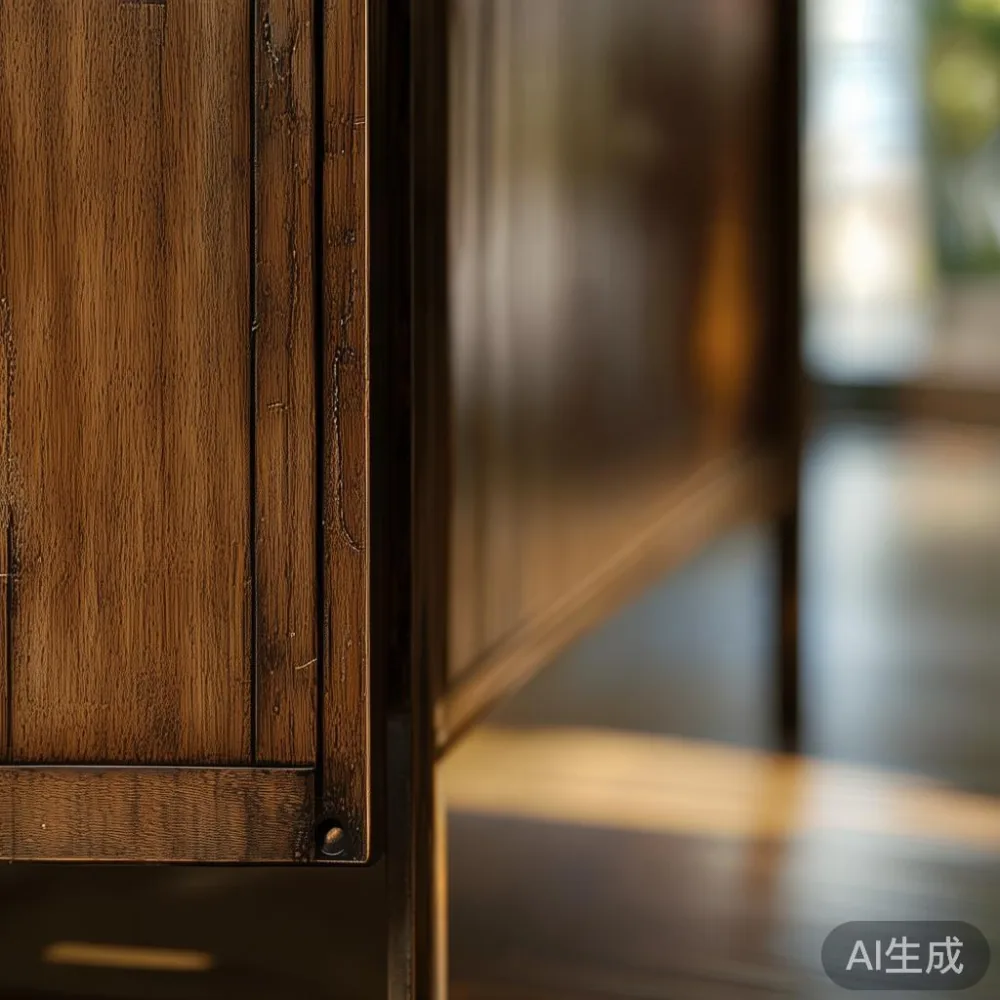
For a 200 x 100 cm dining table, a finished weight of 75 kg is manageable with two people using a proper dolly, but 110 kg may require three people or a professional mover. Stair corners, HDB corridors and older lifts should be checked before purchase. A table that looks suitable online can become expensive if it must be dismantled, hoisted or returned because access failed.
The moisture content matters too. Wood should generally arrive conditioned for Singapore’s humid climate, commonly around 8–12% moisture content for indoor furniture. Rapid movement between a dry container and a warm flat can cause warping, checking or joint movement. Proper kiln drying, acclimatisation and stable storage are more informative than an unsupported claim that a product is simply “premium wood.”
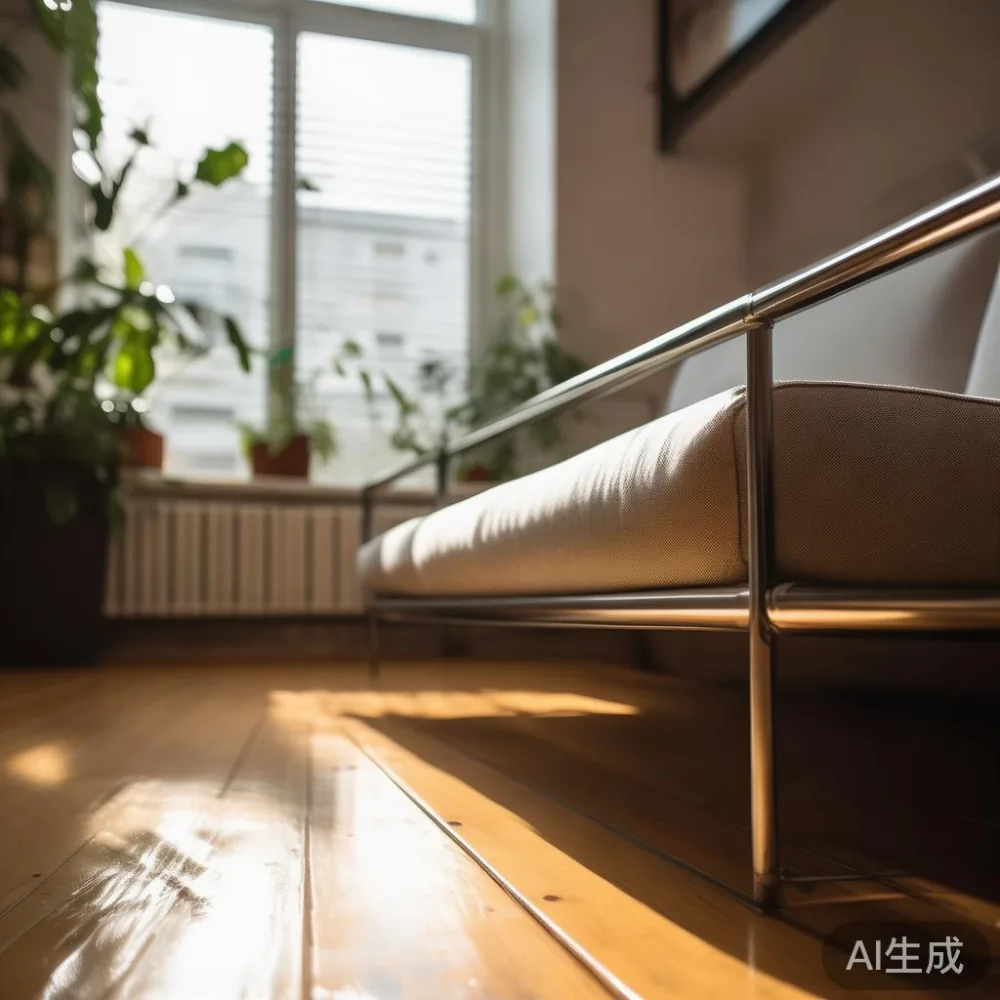
Ask for the actual species and, where possible, a clear grade description. “Solid wood” identifies the structural material but does not reveal the board selection, sapwood content, knot pattern or cut. A table with a carefully selected crown cut may naturally show more grain variation than a table produced mainly for uniformity.
What do joints, drawers and bed construction tell you about the price?
A solid wood bed frame is not merely four legs and two side panels. The 20–30 cm headboard height, 4–6 cm side rails, centre support system, slat spacing and finishing method all contribute to performance and cost. A queen bed around 150 x 200 cm may use 14–16 slats, while a heavier design may use a centre rail and multiple supports. Each additional bracket, screw, dowel and finishing operation adds time.
Joinery is another differentiator. Mortise-and-tenon or dowelled construction generally requires more setup than a simple concealed screw joint, but not every visible joint needs to be complex. What matters is that the joint holds under load, remains serviceable and fits the design. A premium appearance cannot compensate for a weak rail or a slat system that sags after 18 months.
Drawers deserve particular attention in an American light luxury wardrobe or solid wood nightstand. A 50 cm wide nightstand may contain 2 drawers. Full-extension ball-bearing slides can cost several times more than basic slides, while dovetail drawer boxes use more timber and labour than simple plywood or dowelled boxes. Soft-close systems add hardware cost and a different installation process.
The finish also affects labour. An open-pore oil finish may require multiple sanding and application cycles, whereas a harder-wearing lacquer system may suit a busy family. Neither is automatically superior. A pale oak table with a natural oil finish needs maintenance discipline; a darker stain may hide minor marks but can make repairs more visible.
How much does a marble table add to the price?
A marble table introduces stone selection, fabrication, weight and installation risks. A 120 x 60 cm marble dining table may weigh 90–140 kg, compared with approximately 55–80 kg for a comparable solid wood table. That difference can add SGD 250–900 to delivery in a Singapore condo if the lift route is short and clear. In an older HDB block with a small lift, the difference may be larger because removal, hoisting or extra crew time may be required.
Stone thickness, edge profile, support structure and underside finish all matter. A 20 mm top is common, while some designs use 12–15 mm stone on a reinforced frame. A thick, veined slab with polished edges needs careful handling because one chipped corner can affect appearance and usability. Natural stone also varies, so a photograph can show only one slab rather than the exact pattern delivered.
This is why a marble table should be priced as a coordinated object, not just a surface. Stone may be paired with solid wood legs, metal furniture supports or a metal base. In the latter case, metal furniture fabrication brings its own material thickness, weld quality, powder coating and load calculations into the total.
Why do design labels and light-luxury positioning affect cost?
Design is not only about decoration. French light luxury may use restrained profiles, pale woods, upholstered details and measured proportions. Post-modern light luxury may combine angular forms, mixed materials and visible structure. American light luxury often emphasises generous scale, comfort and substantial hardware. These approaches affect timber yield, machining time, fabric quantity and assembly complexity.
A solid wood sofa combines timber framing with cushions, covers, foam density and suspension. A low-profile sofa may require tightly curved components that waste material during machining. A removable cover costs more to produce than a fixed cover, while a kiln-dried frame may take longer to build than a simpler knock-down structure. The phrase “sofa” can describe several very different products, so compare the frame construction rather than relying on style words.
For buyers researching top 10 Scandinavian furniture, the appeal is often proportion, pale timber and functional restraint, but imported products may include freight, GST, local delivery and installation charges. A supplier’s design language also affects the number of prototypes and the skill required to reproduce a detail consistently.
Commercial projects may compare wholesale Modern light luxury furniture quotations, where volume affects unit cost. At home, however, a lower purchase price can create a higher total cost if the product needs replacement, repair or difficult access. A Singapore buyer should compare the full delivered price, not just the showroom figure.
The query japanese sofa vs Japandi sofa illustrates another pricing difference. Japanese sofa terminology may involve compact dimensions, low profiles or a specific seating approach; Japandi furniture more often blends Japanese restraint with Scandinavian materials. A 180 cm sofa may fit a Tampines flat, while a 220 cm version can dominate a 90 cm corridor turning area and exceed the practical limits of a compact lift.
What should a Singapore buyer compare before paying for solid wood furniture?
Measure the route before choosing dimensions. Record the lift door width, lift interior depth, corridor width, doorway width and turning space. Common HDB lift openings may be around 80–90 cm, while interiors can be approximately 110–140 cm wide and 135–160 cm deep, although each block differs. Do not assume a product labelled 160 cm long can enter simply because the lift is 140 cm deep; diagonal positioning may work, but only a site check can confirm it.
Ask whether the item is delivered assembled or flat-packed. Delivery may cost SGD 80–250 for a normal local drop-off, while upper-floor service, carrying, installation or hoisting can add SGD 150–600. Some furniture suppliers quote a basic curbside service rather than room placement. Confirm the number of handlers, insurance, packaging removal and whether stairs are included.
Singapore GST is usually 9% on taxable supplies, but the exact treatment depends on the seller’s registration and the transaction. A quotation shown before GST may not equal the amount paid at checkout. Request one written total that includes the furniture, local delivery, installation, GST and any access-related charge.
For a solid wood dining table, compare top thickness, underside construction, extension mechanism and support. For a wardrobe, check panel thickness, back panel design, hanging rail load and shelf spacing. For a bed frame, inspect slat spacing, centre support and headboard stability. For metal furniture, inspect weld seams, powder coating, tube thickness and floor-contact protection. These measurable details explain price more reliably than a broad “luxury” description.
One last example comes from a recent Singapore project. I visited a Bedok condo last month to check access for a 210 cm dining table. The lift was 120 cm wide at the entrance but had a restricted turning space inside. The supplier’s initial quotation included delivery, yet not the extra handling. After measuring the route and confirming that the table could be angled through, the final delivery plan reduced the job by 2 hours and avoided a return visit.
Why is comparing light-luxury furniture by total value more useful?
Solid wood furniture prices become easier to interpret when each cost is assigned to a physical feature. Species affects material cost. Thickness affects timber volume. Joinery affects labour and longevity. Hardware affects movement and maintenance. Finish affects preparation and future care. Packaging affects damage risk. Access affects delivery labour.
This method also helps compare suppliers with different positioning. French sofas for sale may include larger frames, higher cushion density or a more elaborate finish. A solid wood bed may be more expensive because the frame uses thicker rails and a stronger centre support. A nightstand may appear modest but contain soft-close drawers and carefully matched grain. A wardrobe may be priced for its internal system, not its outer doors.
A useful specification checklist is 6 cm for a dining table top where appropriate, 4–5 cm for a substantial bed rail, a stated moisture range, a written warranty, clear hardware specifications and a delivery plan based on actual measurements. Keep a 10 cm clearance wherever possible for handling, and check that the package can be manoeuvred without scraping walls.
For hotel or serviced-apartment projects, light luxury for hotel buyers also requires replacement planning. Upholstery, finishes and hardware should be documented so a damaged component can be matched later. MIDHILL’s lifetime refinishing policy can reduce uncertainty for eligible wooden pieces, while the 10-year structural warranty provides a defined period for structural concerns. It does not mean every accidental scratch disappears without assessment, so the scope should be confirmed in writing.
The right question is not whether a piece looks expensive. It is whether its materials, dimensions, construction, finish, access plan and after-sales terms justify the delivered SGD amount. That is how a solid wood sofa, bed frame, dining table, wardrobe, nightstand or marble table earns a fair price.