How Southeast Asian Humidity Affects Wood Furniture
Humidity is part of everyday life in Singapore, but its effect on furniture is often misunderstood. Warm, moisture-laden air enters a new HDB flat in Tampines, settles into a corridor outside a Bedok condo, and can leave a wardrobe in Punggol feeling heavier than expected. Metal furniture also responds to the same climate, even though its material behaviour differs from timber. A careful owner can manage both with better product selection, sensible placement and a simple maintenance routine.
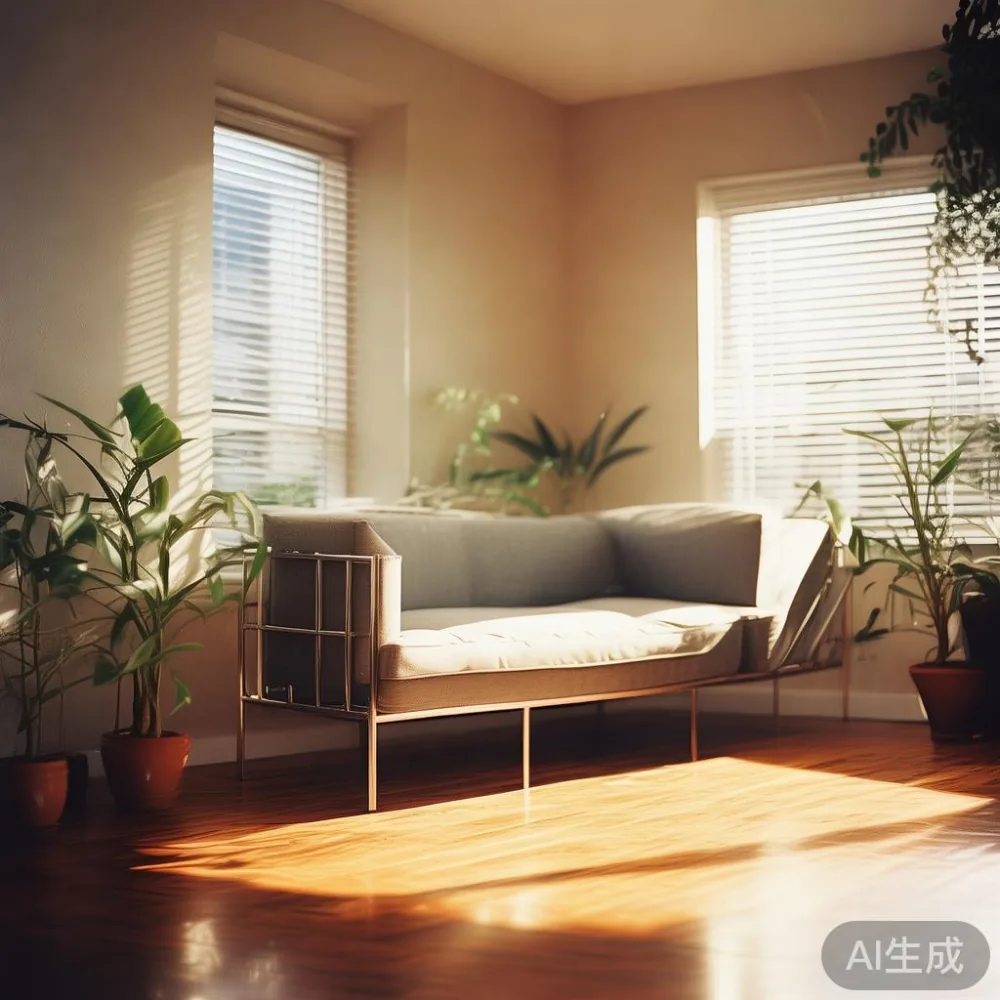
This guide explains how humidity affects solid wood furniture and metal furniture, with practical measurements for Singapore homes. It also considers narrow lifts, compact corridors, air-conditioning and the 6% GST included in local retail prices.
Why does humidity affect wood furniture in Singapore?
Wood is hygroscopic: it absorbs or releases moisture as the surrounding humidity changes. In Singapore, outdoor relative humidity may reach 85% during the monsoon period, while an air-conditioned room can fall to about 55%. That 30-percentage-point swing is enough to make some panels expand, contract or develop small surface changes.
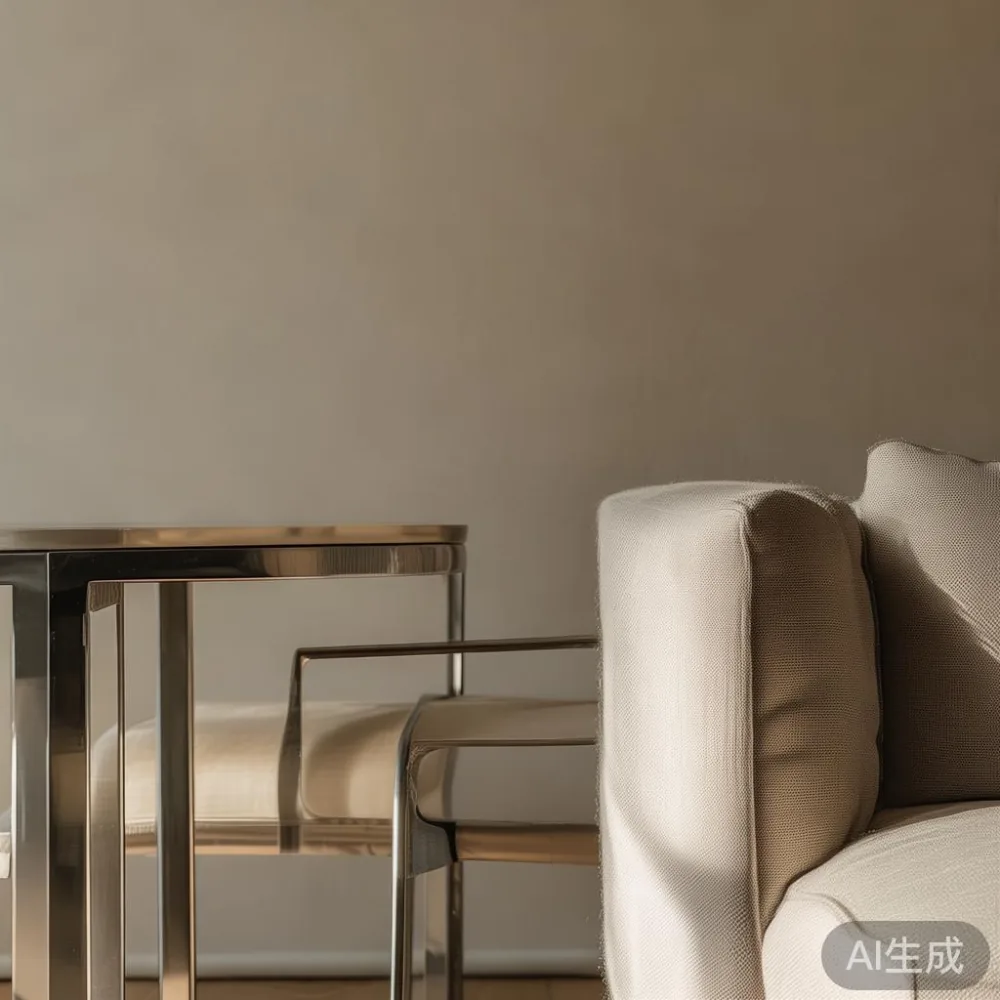
A solid wood dining table 180 cm long and 90 cm wide may move around 2–4 mm across its grain over a seasonal cycle. A solid wood bed frame 200 cm long can show similar movement at its joints. These changes are normal, but repeated rapid shifts can loosen drawer runners, open veneer edges or cause stress marks if a heavy marble table has been fitted without suitable expansion allowance.
Singapore’s average year-round relative humidity is about 75%, with daily readings frequently between 65% and 85%. That makes stable indoor conditions more important than aggressive sealing alone. A hygrometer costing SGD 18–35 is useful: place one in the bedroom, dining area and near any balcony door for 7 days. Record readings each morning at 8 a.m. and evening at 8 p.m.
Traditional joinery, mortise-and-tenon joints and well-fitted drawer components can accommodate normal movement. Particleboard, MDF and thin laminated panels need closer attention because their cores and surface veneers can respond differently. For any solid wood sofa, bed frame, dining table, wardrobe or nightstand, verify the moisture content supplied for local use; around 10–14% is generally practical for Singapore conditions.
How much space do solid wood pieces need after installation?
Compact Singapore layouts make clearance more than an aesthetic preference. Leave at least 3–5 cm between a solid wood wardrobe and a wall if the unit is not designed with rear ventilation, and avoid placing it directly against a bathroom or balcony wall. For a solid wood dining table 160–180 cm long, allow 90 cm of circulation space on the main seated sides and 60 cm at the ends. A 120 cm round dining table usually needs at least 75 cm from wall to wall.
Lift access can determine the purchase before humidity does. A common HDB lift door may measure about 90 cm wide and 210 cm high, while a large condo service lift may offer a 140 cm door and 240 cm cabin height. A dining table top cannot be tilted if it is fitted with a fixed marble insert; check whether the lift can take it horizontally or whether the top and base are delivered separately.
Corridor widths of 100–120 cm are common in older blocks. Package a nightstand in protective foam, keep its smallest dimension below 45 cm and check for obstacles such as pipes, ramps and fire hose reels. MIDHILL can confirm packed dimensions and delivery timing before a furniture order reaches a Singapore address.
For apartments above ground floors, delivery days matter as much as product dimensions. A 2-person delivery team should be scheduled for a 30-minute installation window. More complex wardrobe or bed frame assembly may require 60–90 minutes and should be confirmed in writing.
What humidity does to metal furniture
Metal furniture does not absorb moisture in the way timber does, but humidity can still affect its finish, joints and surrounding components. Powder-coated steel is generally well suited to Singapore’s climate when the coating has been properly cured. The surface should not be chipped, because exposed metal can develop a corrosion spot under humid conditions. An aluminium frame is naturally resistant to rust, although stainless steel grades used for hinges, screws and hardware must also be checked.
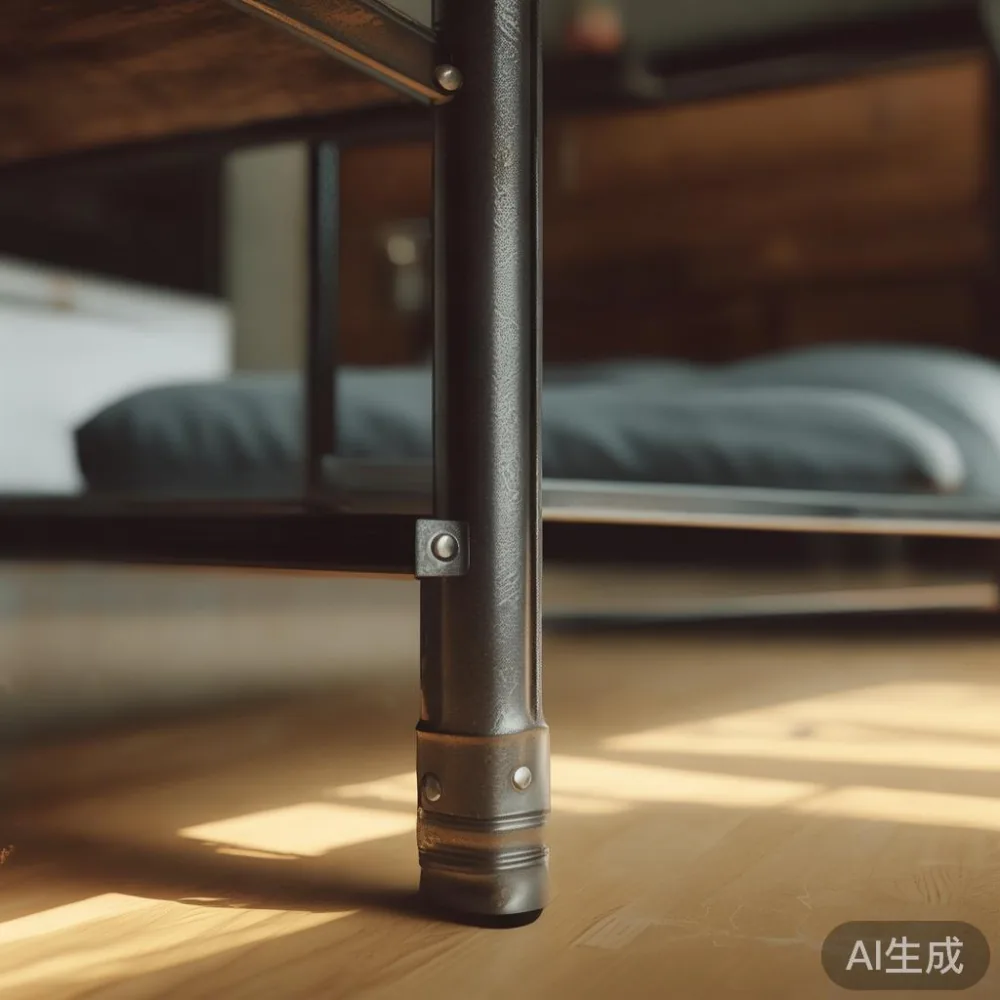
For a metal bed frame, inspect the powder coating around weld points, corners and adjustable feet every 6 months. Wipe salt residue from coastal locations with a damp cloth, then dry the surface within 10 minutes. Avoid leaving a metal chair or metal dining base under a balcony roof where rainwater may collect. Keep metal feet at least 2–3 cm above an outdoor floor, and use breathable covers rather than sealed plastic sheeting during storage.
Humidity can influence cushions, upholstery and storage contents inside metal furniture even when the frame itself is stable. Use a cushion with a moisture-resistant foam core and allow ventilation beneath the seat. For a metal console 120 cm long, maintain 2–3 cm of clearance from masonry walls in persistently damp rooms. In an HDB flat near a window, avoid abrupt airflow from an air-conditioning vent directly striking the coating.
Light metal framing can complement a solid wood sofa or bed frame without introducing a new humidity problem. Blackened steel, brushed brass and warm bronze tones work well with oak, walnut and ash finishes. The objective is visual balance: a metal table with a 2 cm marble top needs a stable base, while a fully metal dining table should use a gusseted structure rather than a thin decorative frame.
How should I choose European wardrobe for humid apartments?
When considering how to choose European wardrobe for Singapore homes, look at construction, ventilation and real capacity rather than style labels alone. A 150 cm-wide, 210 cm-high wardrobe with adjustable shelves may suit a Tampines bedroom, but the sliding doors must clear the opposite wall and the wardrobe must not block a 90 cm HDB doorway. Check whether the rear panel includes ventilation gaps and whether the drawers have metal runners rated for at least 30 kg.
For plywood or engineered timber, ask for sealed edges and a moisture-resistant backing. For solid timber, expect slight seasonal movement. If buyers search for the best Scandinavian wardrobe for 2026, the practical shortlist is one with restrained joinery, adjustable internal storage, replaceable hardware and finishes suited to a 65–80% indoor humidity range. The same phrase can apply to a search for an Italian light luxury nightstand: a 50 cm-wide, 55 cm-high unit with solid timber sides, a soft-close drawer and a finish that can be maintained locally.
Wardrobes placed in Punggol rooms with west-facing windows need monitoring. Keep a hygrometer inside the closed unit for 7 days and aim for readings close to the room, ideally within 10 percentage points. Add 2–3 cm of rear clearance when possible. Remove long-hung clothes if condensation appears on the interior side panels and improve room ventilation instead of relying on a strong heater.
Light luxury with storage is most useful when the internal system works: full-extension drawers, a trouser rail, LED lighting and shelves at 32–38 cm intervals. A 200 cm wardrobe may hold approximately 120–150 garments depending on hanging length, but the room should still provide 60–75 cm in front of the open door. Outside Singapore, verify destination delivery days because humidity and sea freight exposure affect the appropriate packing method.
How do I prevent mould, swelling and finish damage?
Start by controlling the room rather than blaming the furniture. Use exhaust fans in bathrooms and dry laundry outside the flat where practical. Keep the indoor range nearer 50–65% where possible, especially around wardrobes and solid wood bed frames. Dehumidifiers with a 20–30 L daily tank capacity can help larger HDB units, but a 10–12 L unit is usually sufficient for a bedroom if doors and windows are closed during humid periods.
Do not use an unlabelled household spray directly on a dining table. Test a cleaner on a hidden 5 cm section for 24 hours. Wipe a solid wood surface with a lightly damp cloth, then dry it immediately. Cleaning every 2–4 weeks reduces sticky residue; avoid silicone-based furniture polish on surfaces that could transfer to flooring.
For a solid wood sofa, maintain 4–6 cm between the rear and wall when the design allows. Check under seat cushions every month for dampness. A solid wood bed frame should sit on a level platform with ventilation underneath. For a solid wood nightstand, keep coasters and water vessels on a tray and maintain 3 cm of space from a bathroom wall.
Marble needs separate care. A marble table should not be exposed to acidic liquids, and its underside should not touch damp flooring. If the top is 180 × 90 cm, confirm its weight before booking a 2-person lift move; natural marble tops can weigh 70–110 kg. Protect corners with 8–10 mm foam and never lift the table by the stone edge.
Metal furniture should receive a quick seasonal inspection in March and September, when monsoon humidity is more noticeable. Look for coating chips, condensation on fasteners and water trapped beneath adjustable feet. Use touch-up paint only after the surface has been cleaned and dried for at least 48 hours.
Is ventilation enough in an air-conditioned HDB flat?
Air-conditioning can create dry air, but a thermostat alone does not guarantee stable humidity. Set the room temperature to 24–26°C and use a hygrometer rather than assuming a fixed setting controls moisture. A corridor may remain at 78–85% even when a bedroom reaches 58%. Furniture near the corridor or lift lobby should therefore have protective wrapping until the room is ready.
Allow new solid wood furniture to acclimatise for 5–7 days before tightly covering it. Remove plastic after delivery, inspect the surfaces and position pieces away from direct air-conditioning outlets. For a solid wood dining table 200 cm long, place it first and add the chairs after the table has adjusted for 48 hours. That reduces the chance of drawer or leg movement caused by immediate loading.
Short-term delivery packaging matters too. Wrap panels individually, use 20–30 mm edge protection and seal metal hardware separately from timber surfaces. For furniture being shipped internationally, the 14-day returns policy offers a useful check after arrival, while installation should be booked once the floor and wall measurements are confirmed.
What should I check before a Singapore furniture purchase?
Ask the seller for packed dimensions, product weight, timber moisture information, finish composition and delivery terms. For metal furniture, request coating thickness and confirmation that welds and fasteners are protected. A frame with 60–80 micrometre powder coating should have properly sealed joints and drainage paths.
Measure the route from the street to the flat, including the car park, lobby, lift, corridor and bedroom. Add 10 cm of working clearance for angled turns. A bed frame delivered in 3 packages may enter an 85 cm-wide lift more easily than one packed as a single 210 cm-long unit. Confirm whether assembly tools and installation are included.
Compare total ownership rather than sticker price alone. A dining table listed at SGD 1,480 normally becomes SGD 1,568.80 after 6% GST. A wardrobe at SGD 2,280 becomes SGD 2,416.80, while a metal dining set at SGD 1,060 becomes SGD 1,123.60. Delivery charges, lift booking fees and staircase surcharges should appear in the final quotation.
For local stock, allow 3–7 delivery days after payment confirmation; production or sea-freight orders can require 35–60 days. Verify the promised arrival date before arranging a weekend installation. MIDHILL offers a 10-year structural warranty and lifetime refinishing, which can simplify long-term care if the finish is maintained according to the product guidance.
Buyers searching for for sale Vintage furniture should also inspect restoration records, concealed moisture marks and joinery condition. A vintage piece may have been made for a drier climate, so give it 1–2 weeks to adjust while monitoring humidity. Likewise, anyone planning how to style European sofa in apartment should select a compact 180–210 cm solid wood sofa with breathable upholstery, firm cushions and enough wall clearance for daily cleaning.
Humidity management is a matter of measured, repeatable care. Keep readings, protect edges, ventilate rooms and inspect finishes twice a year. With those habits, solid wood furniture can age gracefully while metal furniture retains clean lines and dependable structure in Singapore’s demanding conditions.