How to Choose the Right Size Furniture for a Singapore HDB Living Room
I still remember the afternoon my colleague Lim from Tampines called me in a mild panic. He had ordered a 2.4 m solid wood sofa from a regional supplier, only to discover his HDB lift opening measured just 1.1 m wide and the corridor bend outside his unit was a tight 90 degrees. The sofa spent two weeks in a third-party warehouse while a carpenter "interventioned" (his word) the frame. The reason he rang me is that I work with MIDHILL, a Foshan factory that has shipped metal furniture and solid wood case goods into Singapore since 2008, and we have learned the hard way how HDB geometry dictates every centimetre of furniture spec. This guide collects what I tell clients in Punggol, Bedok, and Toa Payoh before they press "checkout" on a 9% GST invoice.
What room sizes should I plan around in a typical HDB flat?
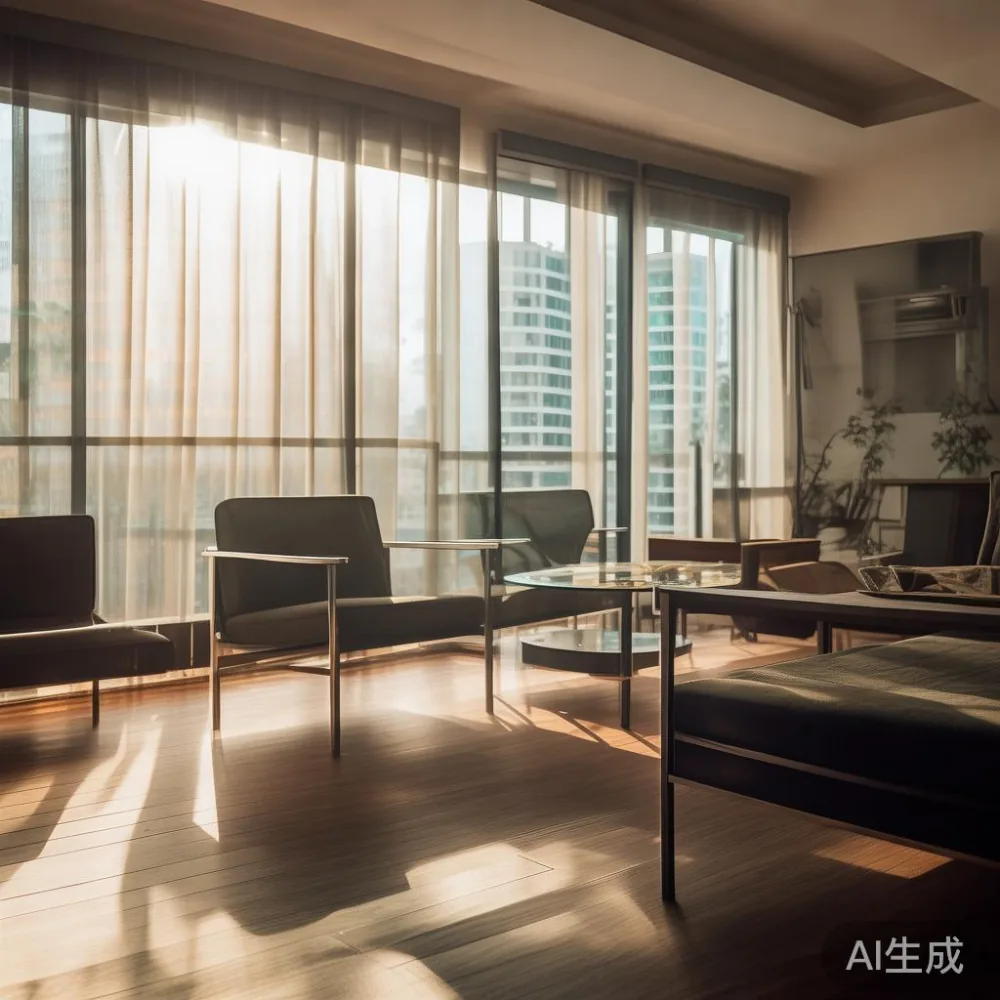
Singapore HDB living rooms come in recognizable footprints. A 3-room flat (roughly 65 sqm) gives you a living room around 4.2 m x 3.0 m. A 4-room (around 90 sqm) stretches to 4.8 m x 3.4 m. A 5-room (around 110 sqm) often lands near 5.2 m x 3.6 m. The executive maisonette in Bedok North I visited last month measured 5.8 m x 4.0 m with a 2.6 m ceiling, plenty of room for a 3-seat sofa and a 6-seater dining table. Write these numbers on a piece of masking tape and stick them on your floor before you order anything. The mistake I see most often is clients measuring wall-to-wall but forgetting the air-con ledge, which eats 25-30 cm of usable depth on the back wall.
A second constant is the lift. Most HDB passenger lifts are 1.1 m wide x 1.4 m deep with a 2.1 m door height. A solid wood sofa frame longer than 2.2 m or a wardrobe deeper than 0.6 m will not enter standing up. Side-loading through the lift door is rarely an option because the cabin is square. MIDHILL's freight team keeps a spreadsheet of every Tampines, Punggol, and Sengkang block we have delivered to, and we plan the load angle before the container is loaded in Foshan. That is the unglamorous part of furniture exporting that nobody puts on the brochure.
How do I choose a bookshelf for a entryway?
Pick a bookshelf that is no wider than 80 cm and no taller than 1.9 m for a Singapore HDB entryway, because the corridor outside your unit is typically 1.2 m wide and you still need 40 cm of walking clearance past the shelf; for a 1.5 m entry wall, choose a 60 cm wide two-column metal frame shelf with a 25 cm depth so keys, mail, and a small plant fit without blocking the doorway. This single rule resolves 80% of entryway furniture regret in HDB flats. I measured five BTO units in Punggol last quarter and every single entry wall fell between 1.2 m and 1.8 m.
Now the material question. Metal furniture has a real advantage at the entry: a steel-frame bookshelf at 18-22 kg will not warp when the December monsoon humidity pushes past 85%, the way a budget MDF shelf will. For light-luxury American style, pair a slim matte-black metal frame with a white oak shelf insert. For French light luxury, go for a brass-finished upright with reeded glass cabinet doors. Both finish palettes survive the corridor scuffs that come with HDB foot traffic. If you want a warmer read, a slim metal frame wrapped with a thin beige oak queen bed headboard tone on the lower shelf ties the entry back to the bedroom visually, a trick designers use in 4-room HDBs to make the public zone feel like one continuous apartment.
How wide should my sofa be, and can it fit the lift?
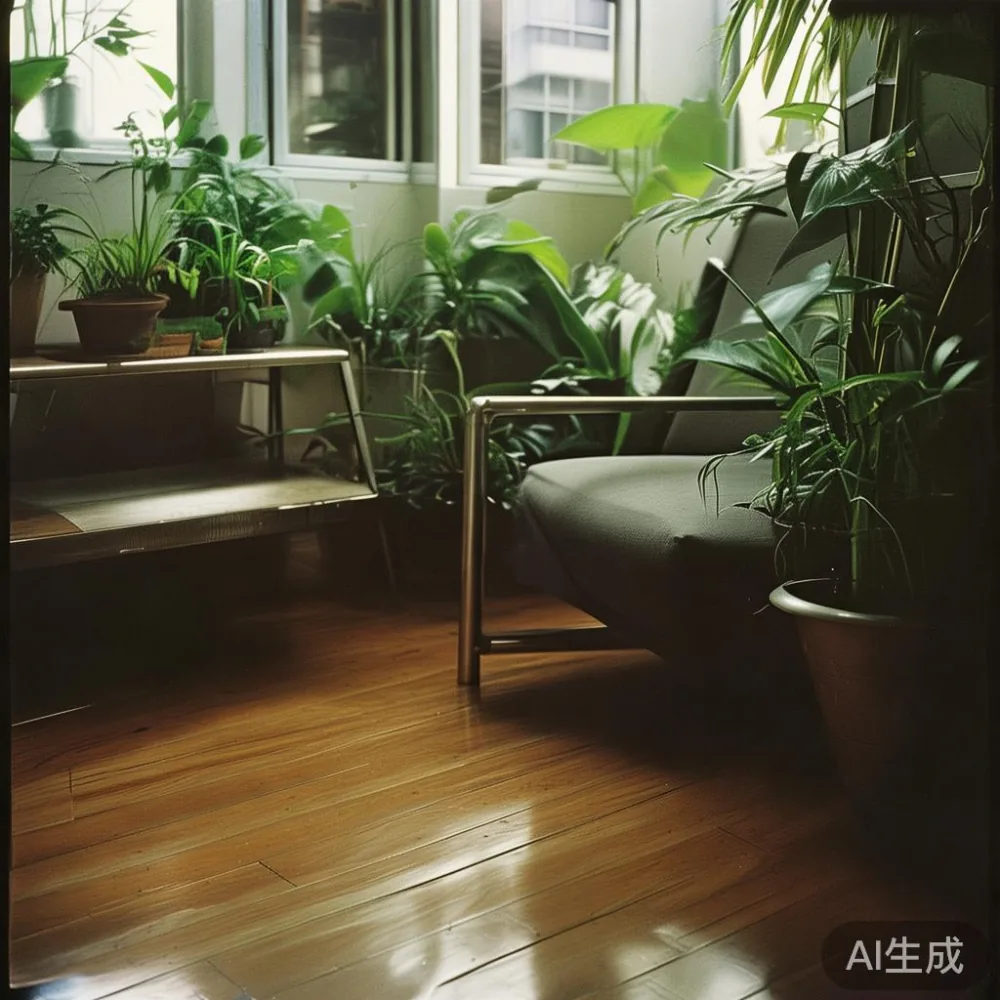
The honest answer is 1.8 m to 2.2 m for a comfortable three-seater in a Singapore HDB living room, but the binding constraint is your lift cabin, not your wall. A 2.2 m sofa frame, with arms, often measures 2.25 m on the diagonal if you stand it up, which is exactly the limit of a 1.1 m x 1.4 m lift. Anything above 2.2 m is a logistics project, and you will pay extra for a stair-climb crew or a Hiab lorry. For a 4-room living room of 4.8 m x 3.4 m, I would specify a 2.0 m three-seat solid wood sofa frame with feather-wrapped cushions, leaving 1.4 m on either side for a marble side table and a floor lamp. For a 5-room of 5.2 m x 3.6 m, you can stretch to 2.4 m, but order a knock-down frame so the lift can take it in two halves.
Frame material matters more than people expect. A solid wood sofa with an FSC-certified ash or rubberwood inner frame weighs 45-55 kg for a 2-seat, and 65-75 kg for a 3-seat. That weight is a friend in the long run: it stops the sofa from migrating when kids vault over the back, and it keeps the cushions from sagging past year three. If you want a post-modern light luxury read, look for a low-slung 0.78 m seat height with brushed brass-tipped legs; the silhouette reads modern and the lower seat depth saves 15 cm against a traditional rolled-arm build, which sometimes is the difference between fitting and not fitting.
What dining table size actually works in a 4-room HDB?
For a 4-room HDB, a rectangular dining table of 1.4 m x 0.8 m seats six comfortably, but a round 1.1 m diameter table fits four adults and clears the kitchen door swing. The real HDB problem is the gap between the dining table edge and the kitchen slider. Most 4-room layouts give you only 90-100 cm of clearance, which is the minimum for someone to walk behind a seated diner. Anything smaller and your guests will eat with their elbows pinned. In the Toa Payoh 4-room I visited, my clients chose a 1.3 m solid oak table with a tapered steel base; it seats six at a squeeze, but the metal furniture base is only 60 cm wide, which keeps legroom generous.
Marble tabletops are tempting, but a 1.4 m x 0.8 m Carrara marble top weighs 80-95 kg, and the HDB lift will protest. An engineered marble or sintered stone top at 28-32 kg for the same size gives the same look with one-third the mass, and it survives the lift counter-weight limits on the upper floors of older blocks. For dining chairs, look for a 0.45 m seat width with a 0.48 m depth; anything narrower will push your diners toward the table edge, and anything deeper will not tuck under the apron, which means you lose 20-30 cm of walkway that you cannot spare.
How do I size a bed frame, wardrobe, and nightstand without crowding the bedroom?
The standard Singapore HDB master bedroom is 3.2 m x 3.0 m, and the second bedroom is often 2.8 m x 2.4 m. For the master, a queen bed frame at 1.52 m x 1.91 m leaves a 0.6 m aisle on each side and 1.0 m at the foot for a dresser. For the second bedroom, a super-single at 1.07 m x 1.91 m is the practical ceiling, and a single at 0.91 m x 1.91 m gives you room for a 0.6 m wardrobe on the opposite wall. A beige oak queen bed frame is a particularly useful choice for HDB bedrooms because the pale tone lifts the perceived size of a small room, and an oak veneer tolerates Singapore humidity better than walnut or cherry, which tend to darken and check within two monsoon cycles.
The wardrobe depth question is the one that causes the most rework orders. A standard Singapore HDB wardrobe depth of 0.6 m clears a hanger by 5 cm, which is enough for shirts but too tight for jackets. If you wear blazers for work, push to 0.65 m and accept that your wardrobe will eat 5 cm of room. Width depends on your storage demand: a 1.8 m three-door wardrobe handles a couple's wardrobe for three seasons; a 2.4 m four-door is the upper comfortable limit before the bedroom starts to feel like a walk-in closet. The nightstand should sit 5 cm lower than the mattress top, so for a 0.55 m mattress, a 0.50 m tall nightstand reads proportional; the standard 0.45-0.55 m width gives you a lamp and a phone without crowding the bedside.
How do shipping, GST, and warranty change the math?
Singapore furniture imports are straightforward but worth itemising. A 20-foot container from Foshan to Singapore takes 5-7 days by sea, plus 2-3 days for customs clearance and GST registration at 9% on the CIF value. Free shipping usually kicks in above US$350 (about S$475), which is the threshold MIDHILL uses for HDB deliveries; below that, expect a S$60-S$120 surcharge that covers the last-mile Hiab. Lift-up bookings on Sundays cost S$80 extra per floor because HDB only allows furniture moves between 9 am and 4 pm on weekdays, a regulation that catches many first-time buyers off-guard.
Warranty is the second line item people under-read. A 10-year structural warranty on a solid wood bed frame means the joinery and load-bearing rails are covered, not the fabric or the finish. A lifetime refinishing programme is meaningful if you keep your furniture longer than seven years, which most Singapore households do because resale logistics are painful. Fourteen-day returns are useful for visible damage but rarely cover change-of-mind on a custom Italian-marble dining top, so measure twice, photograph the corridor, and email the lift dimensions to your supplier before the container is sealed. MIDHILL's team in Punggol has caught two wrong-frame orders this quarter alone by asking for a lift photo before shipping; that is a habit worth borrowing.
What is the smallest mistake that costs the most money?
Not measuring the diagonal of your lift. The number that decides whether a 2.4 m sofa enters your flat is not length or width but diagonal. A 1.1 m wide x 1.4 m deep lift has a floor diagonal of 1.78 m, which means any single piece longer than 1.78 m must be tilted or knocked down. Run that calculation first, write the answer on a card, tape it to your wall, and every furniture purchase after that becomes a simpler decision. The next costliest mistake is ignoring the air-con ledge, then the third is forgetting the door swing arc into the dining area. Sequence them in your head every time, and the furniture you order will fit on the first attempt.