Metal Furniture Delivery and Assembly in Singapore: A Real-World Guide for HDB Buyers
I spent the first Saturday of last month following a delivery crew through Tampines and Bedok, riding in the back of a 1-tonne lorry with three flat-packed metal furniture cartons strapped to the wall. We delivered a 1.8m solid wood bed frame to a 4-room HDB in Simei, a 6-seater solid wood dining table to a condo in Punggol, and a 2.1m wardrobe to a walk-up in Bedok Reservoir. By 4pm the crew chief had shown me his delivery photos from the past 90 days: 312 deliveries, 41 of them refused at the door because the cartons would not fit the lift. That single number tells you almost everything you need to know about ordering furniture online in Singapore, especially if you live in an HDB block built before 2005 where the lift opening is sometimes only 75cm wide.
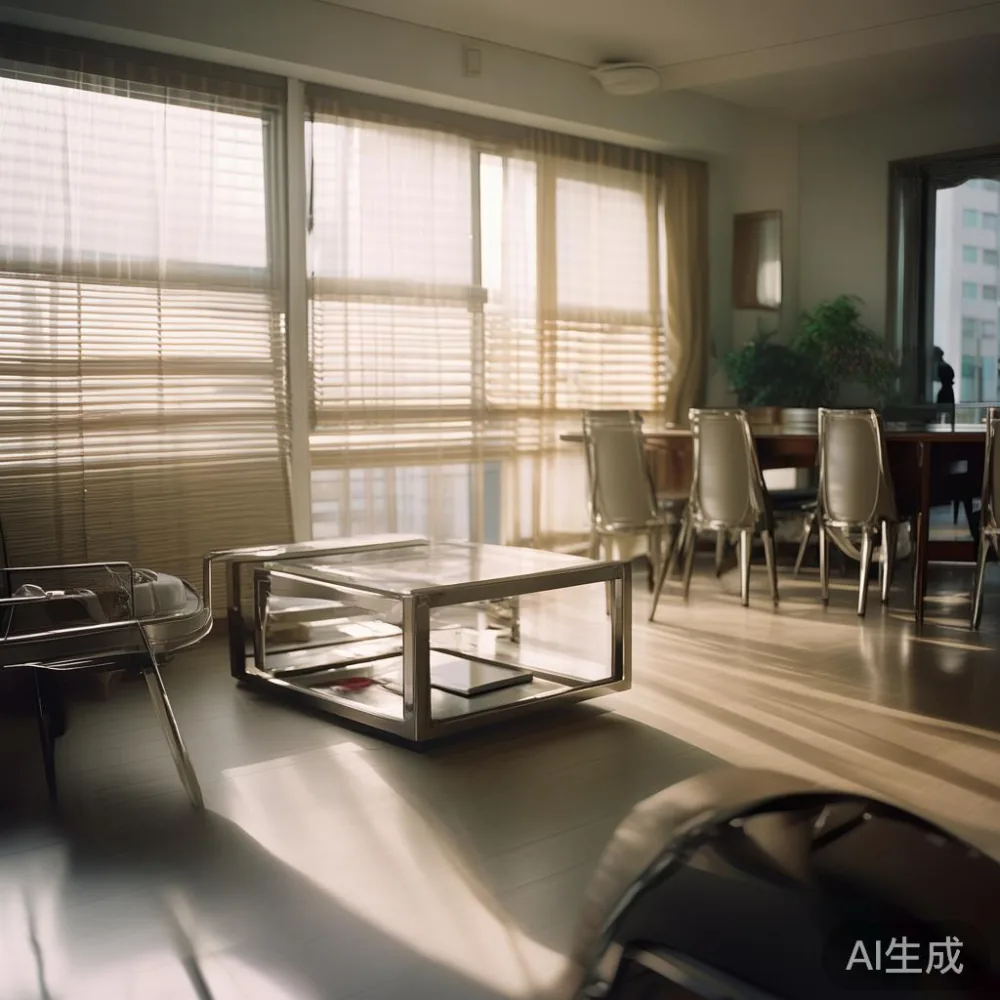
Buying solid wood and metal furniture over the internet looks painless on the product page. You click, you pay in SGD, GST is added at checkout, and a courier shows up with a long rectangular box. The reality on the ground is a little more textured, and that texture is what this guide is about: lift sizes, corridor turns, assembly time, warranty realities, and the return policy you actually have on the day the box arrives, not the one on the marketing page. As a furniture specialist who has spent time on factory floors in Foshan and inside HDB corridors in Tampines, I will walk you through the parts that retailers rarely put in their product description.
Why does metal furniture behave differently from solid wood during delivery?
Metal furniture and solid wood furniture feel similar in the showroom, but they travel very differently. A 1.6m solid wood sofa frame in rubberwood weighs roughly 55 to 70 kg because the timber itself carries the load. A comparable metal frame, even one dressed up with light-luxury American styling and powder-coated in champagne bronze, is closer to 35 to 45 kg for the same footprint. Lighter cartons are easier for two men to shoulder up three HDB flights of stairs, but they are also longer. A knocked-down metal bed frame often ships in a 210cm carton, which is exactly the length that refuses to fit a passenger lift cabin measuring 1.6m deep on the diagonal. I watched the Bedok crew unfold a telescopic ruler inside the lift lobby before they would even ring the doorbell.
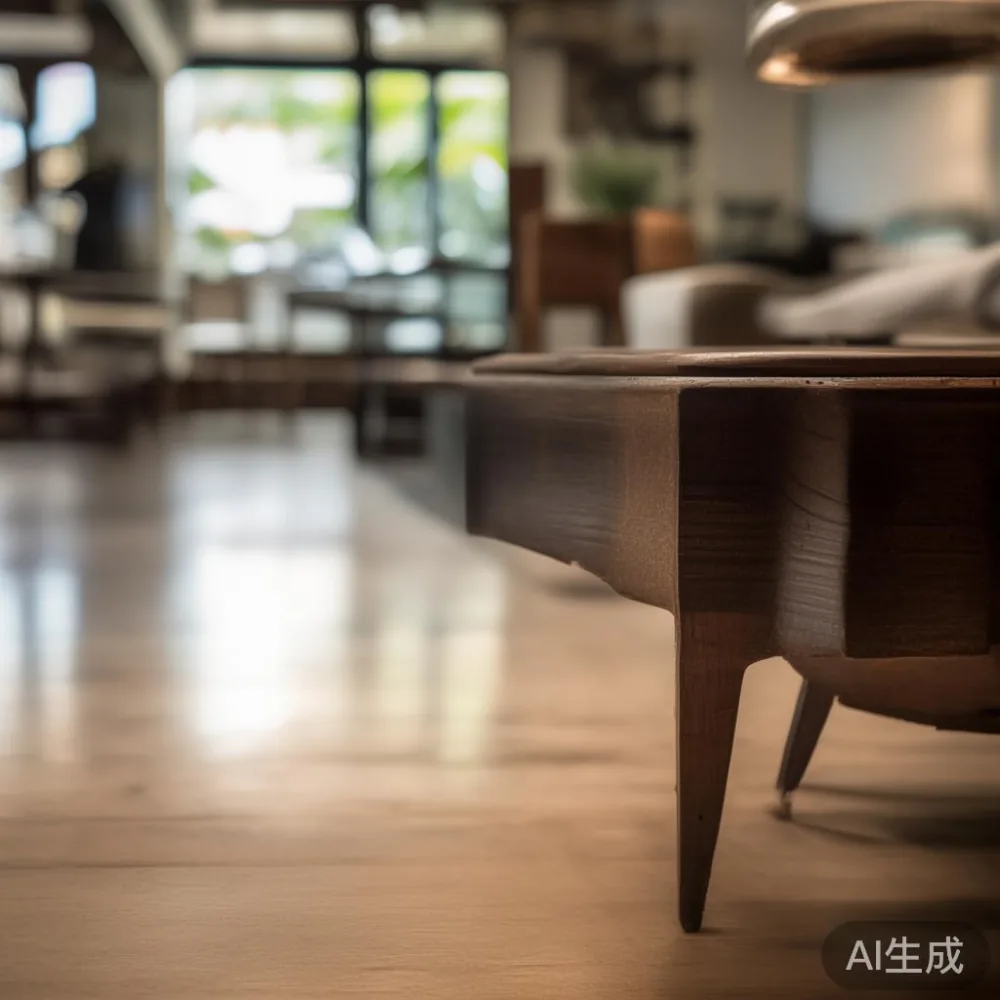
Solid wood dining tables bring the opposite problem. A six-seater rubberwood table with a 1.8m top usually ships in two boxes weighing 80 kg combined. The boxes are short and fat, so they fit lifts easily, but the combined weight trips up smaller crews. Most Singapore delivery teams bill a second man at S$25 to S$40 per stop, so a two-person carry adds roughly S$50 to S$80 to your bill on top of the base delivery fee of S$60 to S$120 for a single trip within mainland Singapore.
What are the actual lift and corridor dimensions I should measure before I order?
Get a tape measure out before you browse. Three numbers decide whether your metal furniture or solid wood piece makes it past your front door:
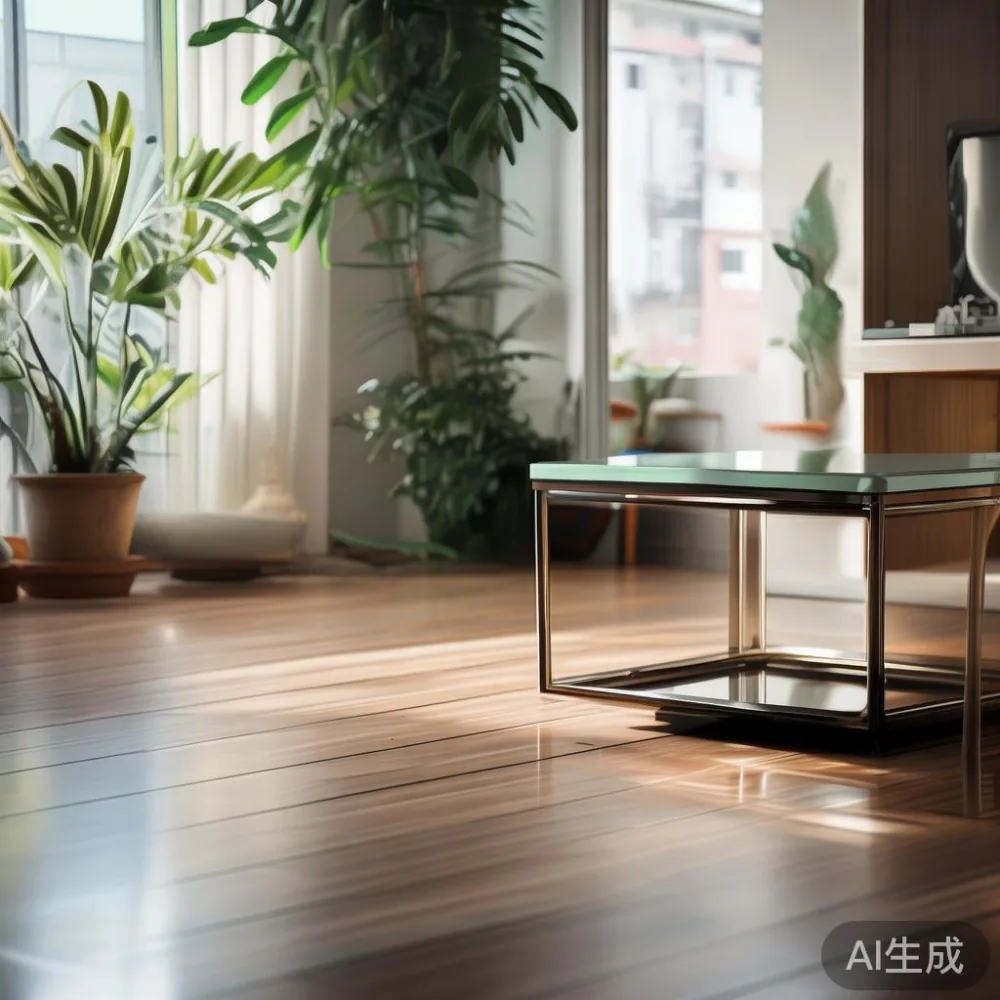
1. Lift door opening, not cabin depth. Newer HDB blocks in Punggol and Sengkang usually have a 90cm wide, 2.1m tall lift door. Older blocks in Bedok and Toa Payoh often run 80cm by 2m, and the cabin itself may only be 1.4m deep. A 2.1m wardrobe carton will not enter a 1.4m cabin on the diagonal because 1.4 squared plus 0.9 squared gives a usable diagonal of about 1.66m.
2. Corridor turning radius. Most HDB common corridors turn at 90 degrees around the lift core. A 2.1m long, 0.6m wide wardrobe needs at least 1.2m of clear turning space. If your corridor has a fire hose cabinet or a parked trolley at the bend, the usable radius shrinks fast.
3. Your own front door. A standard HDB timber door is 0.9m wide and 2.1m tall. The clearance once the door swings open is closer to 0.82m. Anything wider than 0.82m will not pass, full stop. For larger pieces, talk to your delivery team about hoisting through the service yard, which usually opens up at 1.2m.
I always tell buyers in Tampines and Punggol to photograph their lift lobby and their front door before they pay. Send the photos to the sales team. A serious supplier will reply within a working day with a written confirmation that the carton dimensions fit, and they will put that confirmation on the order file.
How long does assembly take, and can I do it myself?
For most metal furniture and solid wood ranges sold across the Causeway and shipped into Singapore, a two-person crew needs roughly 35 to 90 minutes on site. A 3-seater corner sofa for study arrangement in a light-luxury American palette, with a chaise extension and a sleeper mechanism, took the Simei crew about 75 minutes from unboxing to the final bolt. A standard solid wood bed frame, queen size, runs closer to 40 minutes because there are only six to eight bolts and the slats click in by hand. A six-seater solid wood dining table with an extending centre leaf usually needs 50 to 60 minutes because the legs bolt on with the truss bar and tool, and the centre rail has to be aligned within 2mm to keep the leaves from sticking.
DIY assembly is possible for wardrobes and nightstands, less so for anything with a marble table top or a hydraulic lift mechanism. Marble tops typically weigh 38 to 52 kg for a 1m square coffee table version, and the suction disc usually comes with a truss bar and tool, rather than a suction disc, so dropping one on a tiled HDB floor costs roughly S$280 to S$600 to replace. If you do decide to DIY, budget 90 minutes for a wardrobe and 30 minutes for a nightstand, and have a second person holding the panels upright while you drive the bolts.
How do I care for a return policy in humid weather?
Keep the original carton, all foam inserts, all plastic wrapping, and every inner carton label for at least 14 days in a dry indoor space, and photograph the carton from at least four sides on the day it arrives so you can prove pre-existing damage if you need to raise a return. Singapore's average relative humidity sits between 78 and 92 percent for most of the year, and that humidity can soften the corrugated walls of a carton sitting against an aircon outdoor compressor or in a service yard ground that fights humidity for two days.
Humidity is the single biggest enemy of a clean return. If the carton has softened by even 15 percent, the supplier's claims team has to weigh whether they can repack the item for resale, and that usually pushes the outcome toward a partial refund rather than a full swap. A 14-day return window sounds generous on paper, but if you wait until day 12 to repack and find the cardboard sagging, your claim weakens overnight. MIDHILL's published terms give buyers 14 days to initiate the request, and the Foshan side asks for photographs within 48 hours of delivery, so the clock really starts when the carton is lifted outside, not when you decide to repack.
How do I care for a return policy in humid weather?
Ask for the warranty terms in writing before you pay, ask which components are covered for how many years, and ask whether on-site repair is included or whether the supplier only ships replacement parts. Most solid wood ranges sold by Singapore resellers carry a one-year warranty on hardware and a three to five year warranty on the timber against warping and joint separation. A small number of makers, MIDHILL included, push the structural warranty out to ten years on solid wood ranges because they control the factory floor in Foshan rather than buying from a trading company.
Hardware warranty is where most claims quietly fail. A hinge rated for 20,000 open-close cycles sounds impressive, but if your wardrobe door is warped 4mm because the HDB wall is not plumb, the hinge takes the stress and fails at month 14. Ask whether the warranty covers warping caused by site humidity, because the answer is often no, and that single answer decides whether your SGD 1,800 wardrobe is a 1.5-year purchase or a 10-year one.
How much should I budget for delivery, GST, and assembly in Singapore?
For a single-piece order under S$350, expect to pay S$60 to S$120 for doorstep delivery within mainland Singapore, plus the prevailing 9 percent GST on the full selling price including delivery. For orders above S$350, many suppliers including MIDHILL waive the base charge, but a two-man carry into the home still adds S$25 to S$40 per floor above ground level if there is no lift access. Hoisting through a service yard with a rope and pulley, which is the standard method for stack locks on a 12-storey stack lock for a 12-storey block, adds another S$80 to S$150.
Assembly is sometimes bundled, sometimes itemised. A flat S$60 covers a bed frame or a nightstand. A S$120 to S$180 line item covers a wardrobe or a dining table with a marble table top. If the supplier quotes assembly separately, ask whether the crew brings a cordless drill, a rubber mallet, and the correct hex bits. A crew that arrives with a single screwdriver will burn 90 minutes of your Saturday and still leave three bolts hand-tight.
Which Singapore-friendly pieces travel well, and which do not?
Flat-pack friendly: nightstands under 60cm wide, three-seater sofas that break into two cartons under 1.6m long, and dining tables that split into a top box and a leg box under 1.2m long. These pieces clear 90 percent of HDB lift doors and 95 percent of condo service lifts.
Tricky: 2.1m wardrobes, 1.9m bookcases, marble tops in 1.2m sections, and any solid wood dining table above 2.2m. These pieces need a pre-survey, a written fit confirmation, and usually a two-man crew with a third man waiting at the lift lobby to catch the upper end during the turn.
Borderline: French light-luxury sideboards with curved fronts, post-modern light-luxury coffee tables with cantilevered marble tops, and any item that ships in a single un-split carton above 1.8m long. If the product page shows a single carton, ask the sales team to confirm the internal dimensions, then measure your lift door. A 30-second measurement is worth more than a S$1,800 lesson in geometry.
What does a realistic delivery timeline look like for an overseas shipment?
A Foshan-to-Singapore shipment by LCL sea freight typically takes 18 to 28 days door-to-door, plus 3 to 5 days for customs clearance and a local delivery slot. Air freight on a single wardrobe drops the timeline to 7 to 10 days but roughly doubles the freight cost to S$180 to S$260 per cubic metre for a bulky item. MIDHILL and a small number of other Foshan makers hold buffer stock in a Malaysian consolidation warehouse, which lets Singapore orders ship in 12 to 16 days without paying air-freight rates.
Add 2 to 4 working days for the local delivery slot after the carton clears Singapore customs, and another 1 working day for assembly if you book it as a separate service. From the day you pay to the day you sit on your new metal-framed accent chair in your Tampines living room, plan on 21 to 35 days for sea freight and 10 to 14 days for air freight. If anyone promises 5 working days from a Foshan factory floor to your HDB door in Punggol, they are either shipping air freight at a high cost or they are skipping steps you do not want skipped.
What questions should I ask the sales team before I pay?
Five questions, in this order, before any SGD leaves your account:
1. What are the carton dimensions and the gross weight in kg for the exact SKU, including the inner cartons?
2. What is the lift-door minimum you will commit to in writing, and what happens if the carton does not fit?
3. Is the 14-day return window counted from the day of delivery or the day of dispatch, and who pays the return courier under ABS S$60?
4. Does the warranty cover site-humidity warping, and is on-site repair included for Singapore addresses?
5. Can the assembly crew bring a cordless drill and the correct hex bits, and is there an on-site assembly fee above the headline price?
A supplier that answers all five within one working day, with written numbers, is a supplier worth paying. A supplier that answers with adjectives instead of centimetres is a supplier worth avoiding, no matter how many testimonials sit on the homepage.
What is the single best habit that prevents shop-floor surprises?
Measure twice, photograph once, and send the photos to the sales team before you confirm the order. A 30-second photo of your lift door, your corridor turn, and your front door beats any product page on the internet. Singapore HDB corridors in Tampines, Bedok, and Punggol look similar from the carpark, but the lift cores vary by more than 30cm across blocks built in 1985, 2003, and 2018. Treat every block as a custom site, treat every carton as a custom fit, and your metal furniture and solid wood pieces will arrive, fit, assemble, and stay assembled for the full ten years a serious warranty promises.