Veneer vs. Solid Wood Cost-Comparison for Singapore Furniture
Choosing furniture for a Singaporean home is a decision that blends practicality with a desire for longevity. With HDB flats in Tampines and Bedok, and modern condos in Punggol, our living spaces have specific dimensions and demands. The furniture must fit through a standard lift, work through sometimes narrow corridors, and withstand our humid climate. This reality forces a critical question: when investing in a solid wood sofa, a dining table, or a wardrobe, is the initial cost of solid wood justified by its long-term value compared to veneer? A 5-year cost analysis provides a clear answer.
Understanding the Core Difference: Construction and Materials
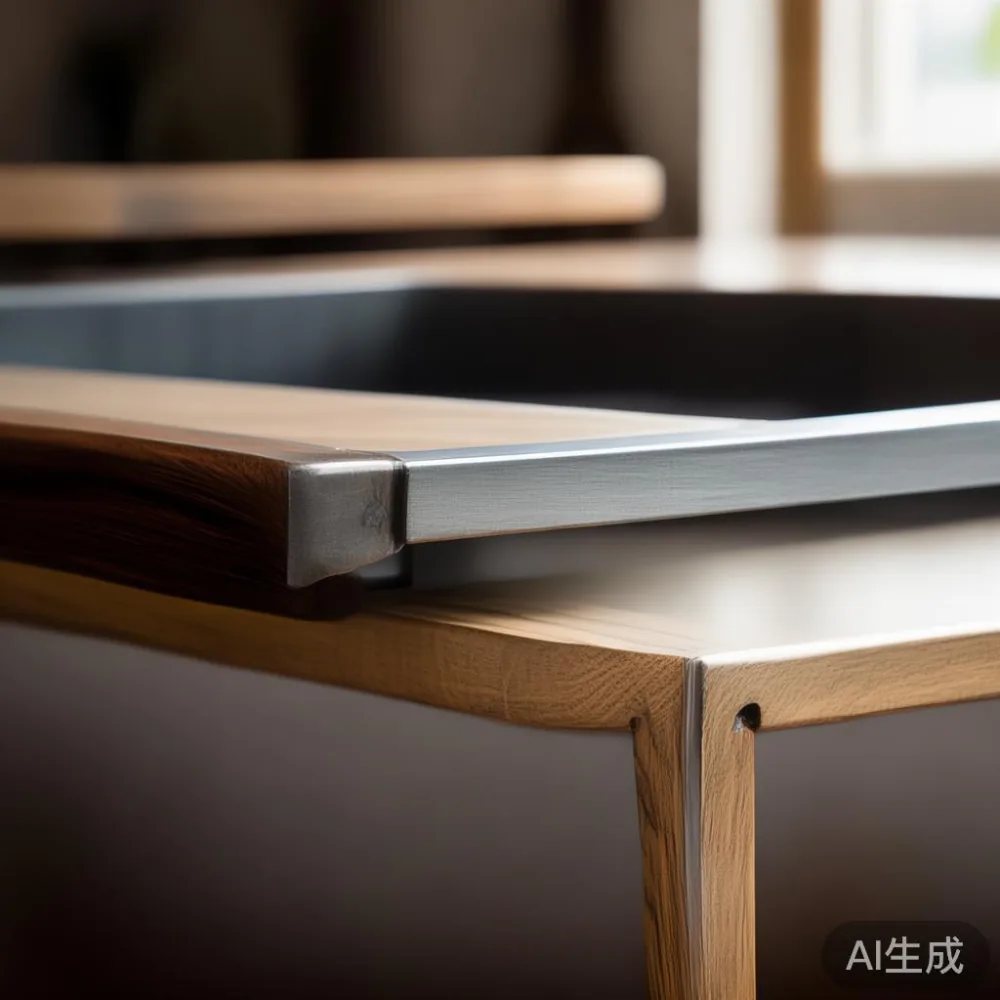
The fundamental distinction between solid wood and veneer furniture lies in its construction. Solid wood, as the name implies, is crafted from a single, solid piece of timber. A solid wood dining table, for example, is typically made from a single slab or planks of wood like oak, walnut, or teak, joined together using traditional joinery techniques such as dovetail or mortise-and-tenon. This construction gives the piece a sense of permanence and authenticity. The wood can be sanded down and refinished multiple times, allowing it to be restored to its original condition over decades.
Veneer, on the other hand, is a thin layer of real wood applied over a core substrate. This substrate is often a composite material like Medium-Density Fibreboard (MDF), particleboard, or plywood. The veneer provides the aesthetic of solid wood at a fraction of the cost and weight. While high-quality veneers can look beautiful, they are fundamentally a decorative surface. Once this surface is damaged—scratched, dented, or chipped—the underlying substrate is exposed, which cannot be repaired in the same way solid wood can. This core difference in material and construction is the primary driver of their divergent cost and lifespan trajectories.
Initial Investment: The Upfront Price Tag in SGD
The most immediate difference between solid wood and veneer furniture is the price. A solid wood piece commands a premium, reflecting the cost of the raw material, the skilled labour required for its construction, and the time taken to craft it. For instance, a queen-sized solid wood bed frame from a reputable maker might cost between SGD 2,500 and SGD 4,500. A comparable veneer bed frame could be priced from SGD 800 to SGD 1,800. The difference is even more pronounced for larger items like a dining table. A solid wood dining table suitable for six people can easily exceed SGD 3,000, while a veneer alternative might be found for SGD 1,200 or less.
Let's consider a wardrobe, a critical piece for Singaporean homes where storage is paramount. A solid wood wardrobe, with its solid construction and smooth-gliding drawers, might cost SGD 4,000 to SGD 6,000. A veneer wardrobe of similar dimensions could range from SGD 1,500 to SGD 2,500. This initial price gap is significant and often deters buyers, making veneer the seemingly more 'affordable' choice. However, this initial saving is only one part of the financial equation. The true cost of ownership is revealed over time.
Longevity and Durability: A 5-Year Perspective
The 5-year mark is a important point in the lifecycle of furniture. It's long enough for the initial 'honeymoon' period to fade and for the furniture to begin showing signs of wear and tear. In the humid Singaporean climate, this period can be even more telling. Solid wood furniture is inherently more durable. It can withstand minor impacts and scratches without compromising its structural integrity. A solid wood sofa will maintain its frame and support for decades. More importantly, it can be refinished. If the finish on a solid wood dining table becomes scratched or faded, it can be sanded and refinished for a fraction of the cost of replacement, effectively extending its life indefinitely.
Veneer furniture, however, begins to show its limitations within this 5-year window. The thin wood layer is susceptible to bubbling, peeling, and cracking due to changes in humidity—a common occurrence in Singapore. A veneer wardrobe door in a condo near the sea might start to warp or lift at the edges. A deep scratch on a veneer tabletop cannot be sanded out; it can only be filled and touched up, which often results in a visible, uneven patch. By the 5-year mark, many veneer pieces begin to look dated and worn, not just from style, but from genuine physical deterioration. The initial savings are quickly eroded by the diminishing aesthetic and functional quality of the piece.
Cost of Maintenance and Repair Over Five Years
While solid wood requires less frequent maintenance, it is not maintenance-free. Over 5 years, a solid wood owner might spend SGD 200 to SGD 400 on quality wood polish and conditioners to nourish the wood and maintain its lustre. If a deep scratch occurs, a professional repair might cost SGD 150 to SGD 300. However, these are preventative and restorative costs that preserve the value of the asset. The structural integrity of the furniture remains uncompromised.
The costs associated with veneer maintenance are often reactive and more problematic. A peeling veneer edge on a nightstand, for example, is a structural issue. Repairing it properly is difficult and expensive, often costing SGD 100 or more for a small touch-up that may not match perfectly. A more common scenario is the need for replacement. If a veneer dining table top becomes extensively damaged, the owner might have to replace the entire top, costing nearly as much as a new budget table. Over 5 years, these small repair bills can accumulate, reducing the initial cost advantage of veneer significantly.
Resale Value: The Hidden Financial Factor
One of the most overlooked aspects of furniture ownership is its resale value. Solid wood furniture holds its value remarkably well. A 5-year-old solid wood dining table, if well-maintained, can retain 50-70% of its original value. It is seen as a quality, long-lasting item. This is particularly relevant for Singaporeans who move homes frequently, from an HDB flat in Tampines to a condo in Punggol. The ability to sell your existing furniture to help fund new pieces is a significant financial benefit.
Veneer furniture, in contrast, has virtually no resale value after 5 years. It is perceived as a disposable, short-term item. Buyers are unwilling to pay much for a piece that is already showing signs of wear and has a limited lifespan. Trying to sell a 5-year-old veneer wardrobe or dining table will likely yield only a fraction of the original price, if anything at all. This means the entire initial cost of the veneer piece is a complete loss at the end of its useful life. When you factor in the resale value—or lack thereof—the total cost of ownership for veneer becomes substantially higher than for solid wood.
Why is Solid Wood a Smarter Investment for the Singaporean Home?
For the Singaporean homeowner, the choice between veneer and solid wood is about more than just aesthetics; it's a financial strategy for a home. Our living spaces are defined by function and longevity. A solid wood bed frame offers enduring support, a solid wood dining table becomes the centrepiece of family gatherings for years, and a solid wood wardrobe provides reliable storage. The initial higher cost is an investment in quality that pays dividends over time through durability, lower maintenance costs, and the ability to be refinished or restored.
Consider the practicalities of our apartments. A solid wood piece, while heavier, is built to be moved. Its joints are strong, ensuring it survives the journey through a lift corridor in a Bedok HDB block. Veneer, being lighter, might seem easier to move, but its structure is weaker, and it is more prone to damage during transit or reassembly. Also, the concept of 'light luxury'—be it French, American, or post-modern—is intrinsically linked to quality. A light luxury aesthetic relies on clean lines, fine materials, and a sense of understated elegance. Solid wood provides the authentic material base for this style, whereas veneer can often look cheap and fail to capture the intended sophistication. For those looking for for sale Modern light luxury furniture, the material integrity is non-negotiable.
My Experience with a Solid Wood Wardrobe in a Punggol Condo
Last month, I visited my colleague, Sarah, at her new condo in Punggol. She had recently moved and was lamenting the state of her old wardrobe from her previous HDB flat. It was a veneer piece, barely five years old. The humidity near the Punggol waterfront had caused the veneer on the door panels to bubble and warp. One of the drawer bottoms had sagged, and the finish had worn thin in places. She felt she had no choice but to replace it, a frustrating expense after only a few years.
Her new wardrobe is a solid oak piece. It's heavier, yes, but the difference in quality is palpable. The doors close with a solid, satisfying click. The drawers glide smoothly on metal runners. She told me she chose it specifically because she knew it would last. She could already picture refinishing it in 10 or 15 years to match a new decor scheme. Her experience is a perfect microcosm of the 5-year cost comparison. Her old veneer wardrobe became a sunk cost, while her new solid wood investment is an asset to her home. This is the practical reality that many Singaporeans face when making furniture decisions.
How to Style a European Light Luxury Wardrobe in an Apartment
Choosing a solid wood wardrobe is a smart decision, but integrating it into your home's aesthetic is equally important. Styling a European light luxury wardrobe in an apartment, for example, is about creating a sense of calm and opulence. European light luxury emphasizes clean lines, neutral palettes, and natural materials. A solid wood wardrobe with a matte finish in a light oak or a soft grey complements this style beautifully. Pair it with minimalist brass handles and a marble-topped nightstand for a sophisticated touch. The key is to let the quality of the wood itself be the statement, avoiding overly ornate details that clash with the light luxury ethos.
This approach applies to other pieces as well. A solid wood sofa in a neutral linen or bouclé fabric can anchor a living room with French light luxury influences. For a dining room, opting for Mid-century modern for dining room means selecting a solid wood table with tapered legs and a simple, functional design. The material's inherent quality allows the iconic mid-century form to shine. When you search for for sale European furniture, you are often looking for pieces that embody this blend of timeless design and superior craftsmanship, which solid wood provides.
Conclusion: A Financial Equation That Favors Solid Wood
When you lay out the numbers over a 5-year period, the financial argument for solid wood furniture becomes clear. The initial higher cost is offset by its longevity, lower long-term maintenance, and significant resale value. Veneer, while cheaper at the point of sale, incits hidden costs through repairs, replacement, and a total loss of value. For a Singaporean homeowner, where space is a premium and furniture is a long-term commitment, solid wood is the more logical and economical choice.
It’s an investment in the quality of your daily life. A solid wood bed provides better sleep, a solid wood dining table creates a more substantial gathering space, and a solid wood wardrobe offers more reliable storage. This commitment to quality is reflected in brands that offer structural warranties and refinishing services, a proof of their confidence in the product's lifespan. The choice is no longer just about cost per item, but about cost per year of use and enjoyment. For those seeking the best Rustic bed for 2026, the answer lies in a piece that will not only look beautiful but will also provide enduring value for years to come. The market for MIDHILL dining table wholesale and other high-quality pieces exists because discerning customers understand this long-term value proposition.