Cost-Effective Choices: Veneer vs. Solid Wood in SG Homes
Choosing furniture for a Singapore HDB flat or condo is rarely a simple price comparison. A veneer dining table might look convincing beside a solid wood bed frame, yet the two products can behave very differently over 5 years once moisture, sunlight, lift restrictions, repairs and replacement costs enter the calculation. Metal furniture adds another layer: a powder-coated steel frame can provide slim proportions for a compact Tampines or Punggol home, while its timber surfaces determine much of the visible ageing and maintenance burden.
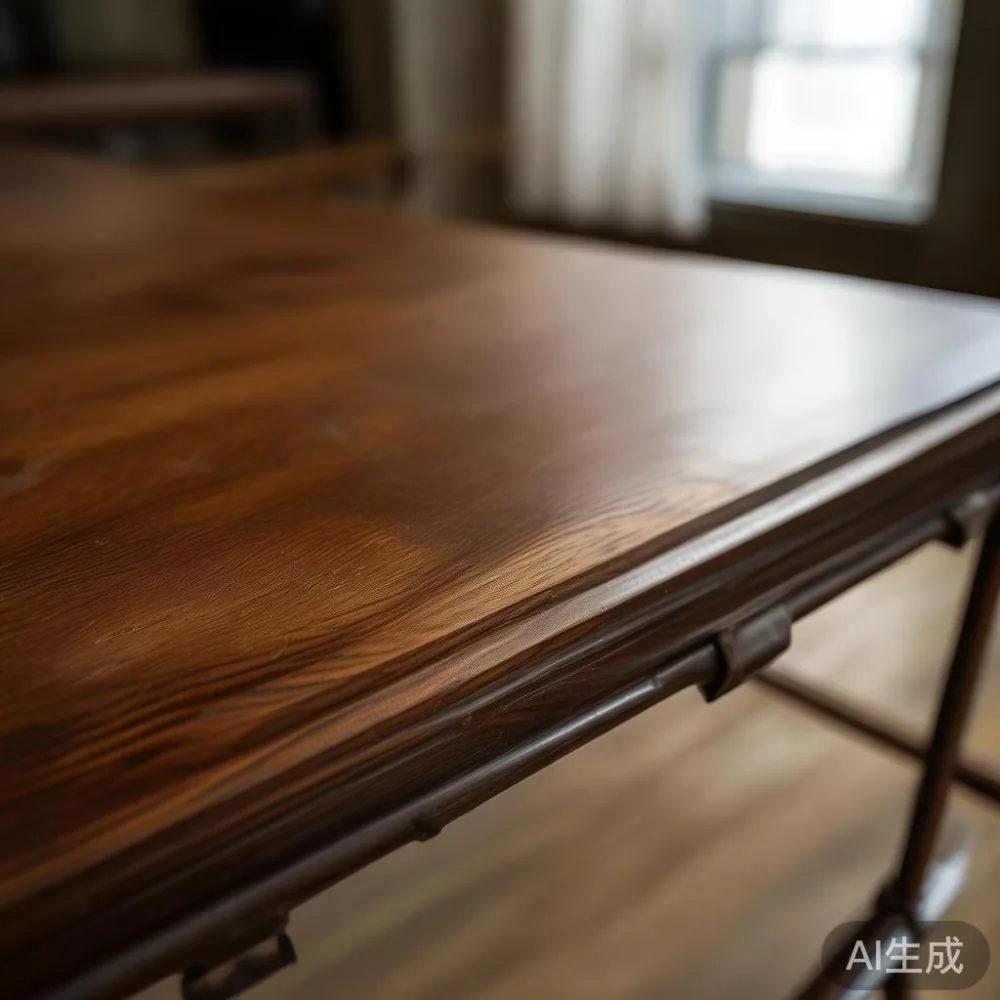
This comparison covers a 5-year ownership period for a solid wood sofa, dining table, wardrobe, nightstand and bed frame, alongside comparable veneer pieces and a marble table used as a fixed reference. Prices are indicative Singapore retail examples in SGD and include 9% GST. Actual quotations vary with dimensions, timber species, hardware, finishes and delivery distance.
What is the real difference between veneer and solid wood?
Veneer is a thin layer of timber, commonly 0.6 mm to 1.2 mm, bonded to a plywood or engineered-wood core. A 180 cm dining table might use a 25 mm veneered top with a 12 mm core, compared with a 28 mm to 32 mm solid timber top. Veneer can reproduce the visual continuity of a costly timber board and make large surfaces more dimensionally stable. Its edges, however, need careful treatment because the decorative layer can chip or peel if knocked.
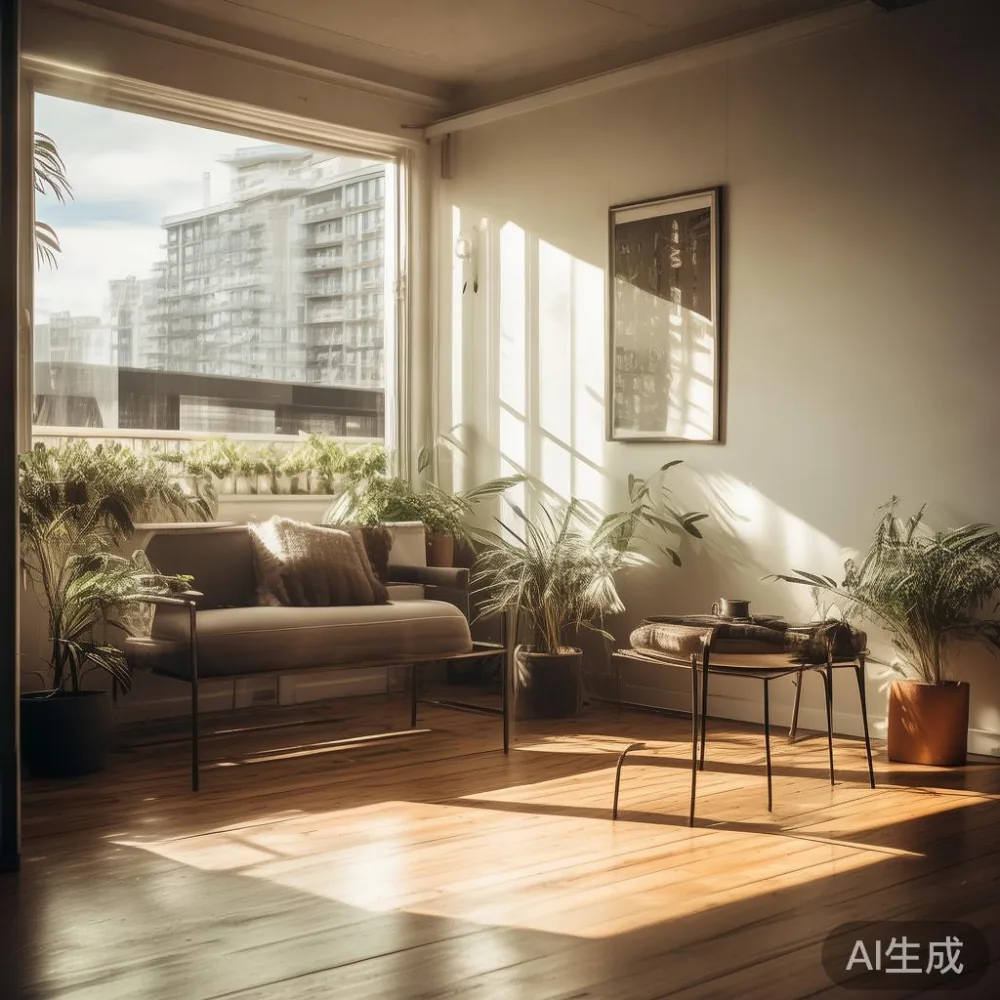
Solid wood uses timber through the panel rather than a thin facing. That makes it heavier, more repairable at the edges and usually less dependent on glue lines. It also responds more visibly to humidity. Singapore’s humid conditions can cause seasonal movement of approximately 1 mm to 3 mm across a 100 cm solid panel, depending on the species, room ventilation and finish.
Neither material is automatically superior. Veneer is sensible when visual consistency, lower weight and controlled budgets matter. Solid wood is sensible when a piece must withstand heavy use, can be refinished and should develop a less uniform patina. Metal furniture often combines a powder-coated steel structure with veneer or solid timber, so the frame, top and moving parts should be assessed separately.
How much do veneer and solid wood furniture cost over 5 years?
The following sample prices include GST and use realistic Singapore dimensions. The figures represent purchase prices rather than guaranteed quotations. Maintenance allowance assumes one short refinishing cycle for solid wood in year 4, while veneer includes one edge repair in year 3. The calculation excludes depreciation and assumes the furniture remains in the same home.
For a solid wood sofa with a 210 cm width, a reasonable comparison price is SGD 3,280; a comparable veneered sofa is SGD 2,180. A solid wood bed frame in queen size is SGD 1,680, versus SGD 1,180 for veneer. A 200 cm solid wood dining table is SGD 2,480, compared with SGD 1,780 for veneer. A 150 cm solid wood wardrobe is SGD 2,380, versus SGD 1,680 for veneer. A 45 cm solid wood nightstand is SGD 420, while a veneered version is SGD 280. A 100 cm marble table, used here as a fixed material reference, is SGD 1,980.
Over 5 years, including the sample maintenance allowance, the solid wood group costs SGD 11,510: SGD 10,240 at purchase plus SGD 1,270 for maintenance. The veneer group costs SGD 8,020: SGD 7,100 at purchase plus SGD 920 for repair. The difference is SGD 3,490, or about SGD 698 per year. That extra amount buys thicker material, more edge repairability and a surface that can be refinished several times.
These are not universal prices. An engineered veneer panel with premium hardware may reach SGD 2,900 for a dining table, while an unfinished solid timber table may cost only SGD 1,650. The meaningful comparison is between equivalent dimensions, grades and finishes, not between two unrelated showroom products.
Does solid wood cost less once repair and refinishing are counted?
For well-used dining tables, wardrobes and bed frames, the answer can be yes. A solid wood top can normally be sanded and recoated without replacing the whole panel. A veneer edge repair may cost SGD 120 to SGD 260, but delamination across a large face can cost SGD 400 to SGD 800 and require replacement. A new wardrobe door might add another SGD 650 to SGD 1,100 if the original finish and grain cannot be matched closely.
Refinishing is not free in time. Allow 1 day for a small nightstand, 2 days for a dining table and 3 to 5 days for a wardrobe if the furniture must be moved, protected and returned. A Singapore household may also incur removal or transport charges of SGD 80 to SGD 250. MIDHILL includes lifetime refinishing on qualifying solid wood products, which reduces this uncertainty when the service terms are available for the purchased item.
Solid wood also needs controlled maintenance. Wipe spills within 15 minutes, use coasters and avoid prolonged exposure to air-conditioning vents or direct afternoon sun through an east-facing Bedok window. Veneer is forgiving of small stains because its thin face can sometimes be patched, but standing water can affect the adhesive beneath it.
Which material handles Singapore humidity, HDB corridors and condo living better?
Weight matters in Singapore’s older HDB blocks and newer developments. A solid wood dining table may weigh 55 kg to 85 kg, compared with 32 kg to 48 kg for a veneered table. A queen solid wood bed frame may weigh 48 kg to 72 kg, versus 29 kg to 42 kg for veneer. The extra 10 kg to 30 kg can make a 90 cm common corridor or 100 cm to 110 cm lift more difficult to work through.
Measure the lift door, lift car, corridor turns, staircase width and bedroom doorway before ordering. Add 5 cm of working clearance around large furniture. For a 180 cm dining table, ask the supplier for an packing width below 95 cm where possible. A knock-down or modular wardrobe is often more practical than a single 220 kg unit in a compact Punggol flat.
Humidity also changes how timber moves. Solid wood can cup, check or develop joint movement if its finish degrades. Quality solid wood furniture should use stable joinery and a finish that permits controlled moisture exchange. Veneer is generally stable across a broad panel, but its core and edges still need protection from moisture.
Light-luxury design is equally relevant. French light luxury often favours pale oak, cream upholstery and curved profiles; American light luxury tends toward generous seating, darker walnut accents and substantial forms. A French-inspired solid wood bed frame may suit a larger Tampines HDB bedroom, while a veneer version with metal legs may fit a tighter Punggol condo. The phrase how to choose Japandi bed is useful here because a low Japandi bed can preserve visual space even when the frame is built from heavier timber.
How do metal furniture frames change the 5-year calculation?
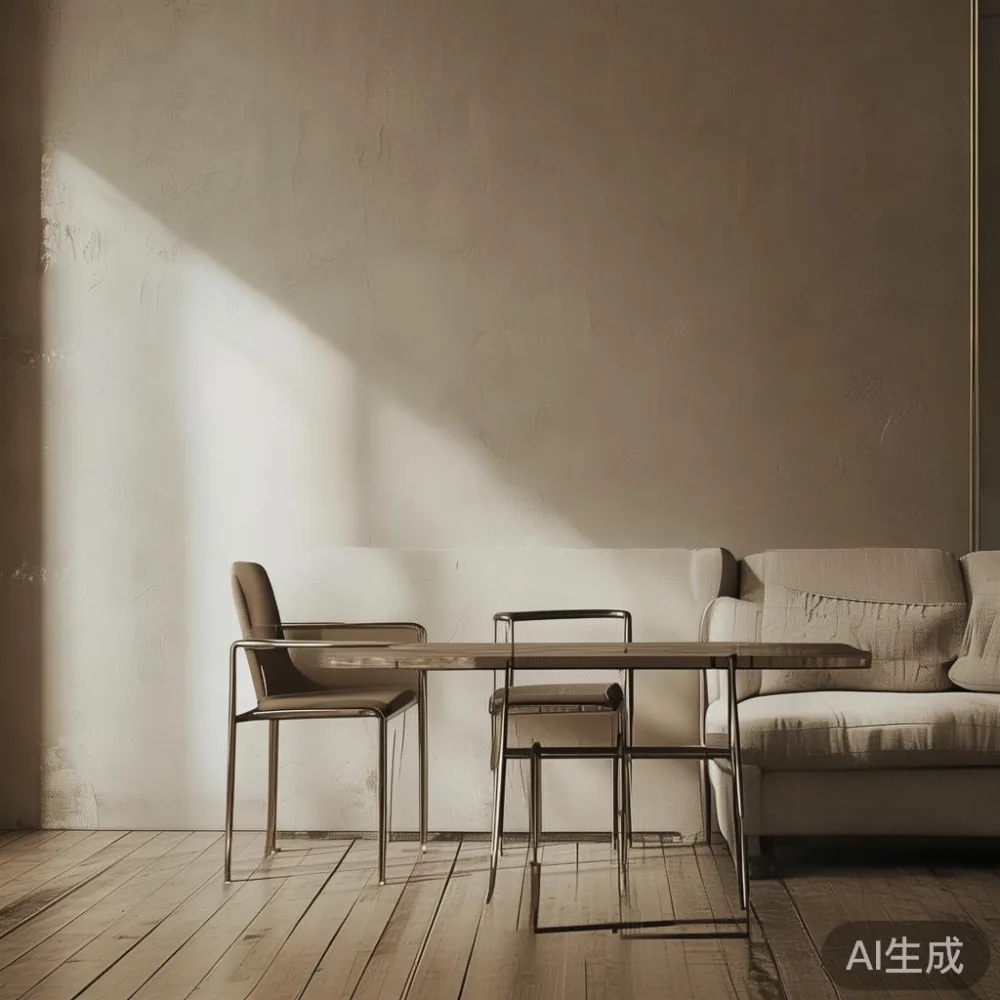
Metal furniture remains central to this comparison because the structure is not made from the same material as the visible timber surfaces. A powder-coated steel dining base can add SGD 220 to SGD 650, depending on tube dimensions and finish. It can reduce floor contact, create a lighter visual profile and resist movement better than a solid timber base. It also introduces its own inspection points: weld joints, exposed bolt tension, coating chips and floor protectors.
Check that the coating has been properly cured and that weld areas are finished rather than left rough. For a dining table, ask about a 3 mm to 5 mm steel tube or a suitably engineered section, as thin decorative tubing may flex under load. Outdoor-adjacent balconies deserve extra attention because salt-laden air in coastal areas can damage damaged coatings. A 1 mm coating chip should be treated promptly rather than left to spread.
For customers comparing appearance, French sofa vs Japandi sofa is not strictly a material question. A French sofa often has rounded arms and a deeper seat; a Japandi sofa usually presents a lower, straighter outline. The more useful decision is whether a solid wood sofa frame can be repaired locally and whether a metal frame offers a different movement or load profile. For upholstery, the same foam density, fabric rub count and frame warranty should be compared on both products.
What should buyers compare before spending more on solid wood?
Begin with the panel construction. Ask whether “solid wood” applies to the entire piece, the visible frame or only selected parts. Confirm timber species, moisture content, joinery and finish thickness. A clear factory document showing a 10-year structural warranty is more useful than a broad verbal assurance. MIDHILL, established in 2008 and exporting to more than 15 countries, supplies a 10-year structural warranty on qualifying products and lifetime refinishing, subject to the stated terms.
Next, compare total delivered cost. In Singapore, a dining table may add SGD 60 to SGD 160 for delivery within the city state, while a lift or stair carry could add SGD 80 to SGD 220. Orders above US$350 qualify for free shipping under MIDHILL’s stated shipping policy, although local delivery conditions should be confirmed at checkout. Singapore’s 9% GST should appear on the invoice. A 14-day return window provides time to inspect colour, noise, alignment and fit, but the item should remain protected and unused.
Finish samples matter because lighting changes timber tone. View pieces under approximately 400 lux for several minutes, including evening light. Compare European sofa vs Italian light luxury sofa not only by silhouette, but by frame construction, cushion recovery and how the finish or fabric will age. An Italian light luxury sofa may justify a larger budget through upholstery and detailing, yet it should not conceal weaknesses in the underlying frame.
For wardrobes, check wall clearance, door swing and whether a fitted layout costs more than standard modules. Anyone searching for the best European light luxury wardrobe for 2026 should verify hinge brands, drawer runners and warranty exclusions rather than relying on style alone. Similarly, best Scandinavian wardrobe for 2026 is a broad design description, but pale veneer can imitate oak visually without providing solid timber repairability.
Are cheaper veneer pieces cheaper after 5 years?
For low-touch use, often yes. A carefully placed veneered nightstand in a dry study may show no meaningful damage across 5 years. Its lower purchase price and lighter weight can be practical advantages. The calculation changes in a dining room where a chair scrapes the table edge, a wardrobe is moved during a renovation or a child repeatedly opens the same door. In those situations, small failures can become expensive because the face, edge or hardware no longer matches.
Solid wood is also not maintenance-free. Its lighter grain and deeper texture can collect dirt, and pale finishes may discolour. A yearly wipe, 2 to 4 coasters and an immediate response to spills are sensible habits for either material. A practical 5-year budget could reserve SGD 80 to SGD 160 per year for a solid wood dining table and SGD 40 to SGD 80 per year for a small nightstand.
The widest range in this sample concerns marble tables. Natural marble may need sealing, careful support and professional handling, with a 100 cm top weighing 75 kg to 105 kg. It can bring cool contrast to metal furniture but is less forgiving of edge impacts than timber. Keep it away from acidic cleaners and use a stable base. If a marble table must fit through a narrow HDB corridor, request its packed dimensions before payment.
Which choice fits your home and budget?
Choose veneer when the main goals are a controlled budget, consistent appearance and low handling weight. Choose solid wood when the furniture will be used daily, moved occasionally, exposed to knocks or expected to stay in the family for 10 years or more. In either case, measure the route from the delivery door to the room, compare equivalent products and retain the written warranty.
For a balanced 5-year household budget, veneer can lower the initial outlay by roughly 25% to 35% in this sample. Solid wood can offer a lower risk of major face replacement and the ability to refresh the surface. A light-luxury apartment does not need maximum material thickness everywhere; selective solid wood on the dining table, bed frame and nightstand can be paired with stable veneer elsewhere. Post-modern light luxury can also use metal furniture to reduce visual bulk without pretending the material has no maintenance needs.
Before ordering, ask for the packed size, weight, timber or veneer specification, finish details, delivery lead time and warranty coverage in writing. Allow 7 to 14 delivery days for a Singapore order, and more for a custom finish or a made-to-measure wardrobe. If a particular piece is advertised as under 2000 Post-modern furniture, compare its structural details rather than treating the number as a complete quality measure. The right choice is the one whose construction, logistics and 5-year repair path suit the actual room.