Working through Singapore's Humidity: A Guide to Wood Furniture Longevity
Singapore's climate is a defining feature of daily life, influencing everything from wardrobe choices to architecture. For residents of HDB flats in Tampines, Bedok, and Punggol, the persistent 80% average humidity isn't just a weather report; it's a constant environmental factor that directly impacts the longevity and appearance of household items. Nowhere is this more evident than with solid wood furniture. A beautiful solid wood sofa or bed frame can quickly become a source of frustration as it reacts to the moisture in the air. The question many homeowners face is how to enjoy the natural beauty of wood without the warping, cracking, and swelling that comes with the territory.
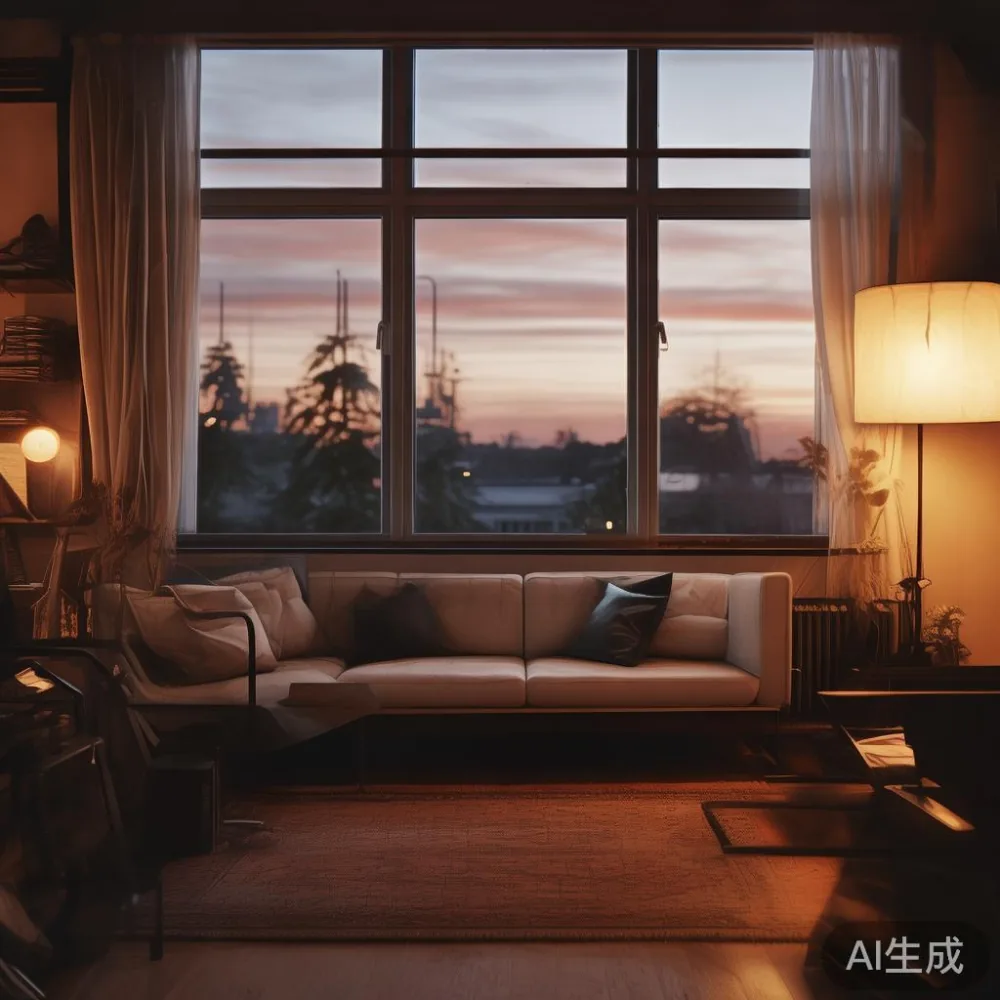
Understanding the Science: How Humidity Affects Wood Fibers
Wood is a hygroscopic material, which is a scientific way of saying it absorbs and releases moisture from the surrounding air. In a place like Singapore, where the air is almost perpetually saturated with water vapor, wood will absorb this moisture. This process causes the wood fibers to expand. Conversely, during a slightly drier spell or in an air-conditioned room, the wood will release moisture and contract. This constant cycle of expansion and contraction is the root cause of most humidity-related problems.
Consider a solid wood dining table measuring 180 cm in length. In a controlled environment with 45% humidity, it might measure exactly 180 cm. However, in a Singaporean living room with 80% humidity, that same table could expand by as much as 1.5 cm. While this sounds small, the internal stresses created by this expansion can lead to significant issues. The wood may cup, where the edges of a board rise up, or it may warp, twisting out of its original plane. In severe cases, the joints can weaken, and cracks, known as 'checks,' can appear on the surface. This is why a simple wooden nightstand can deteriorate surprisingly fast in local conditions, its drawers sticking and its surface showing fine cracks.
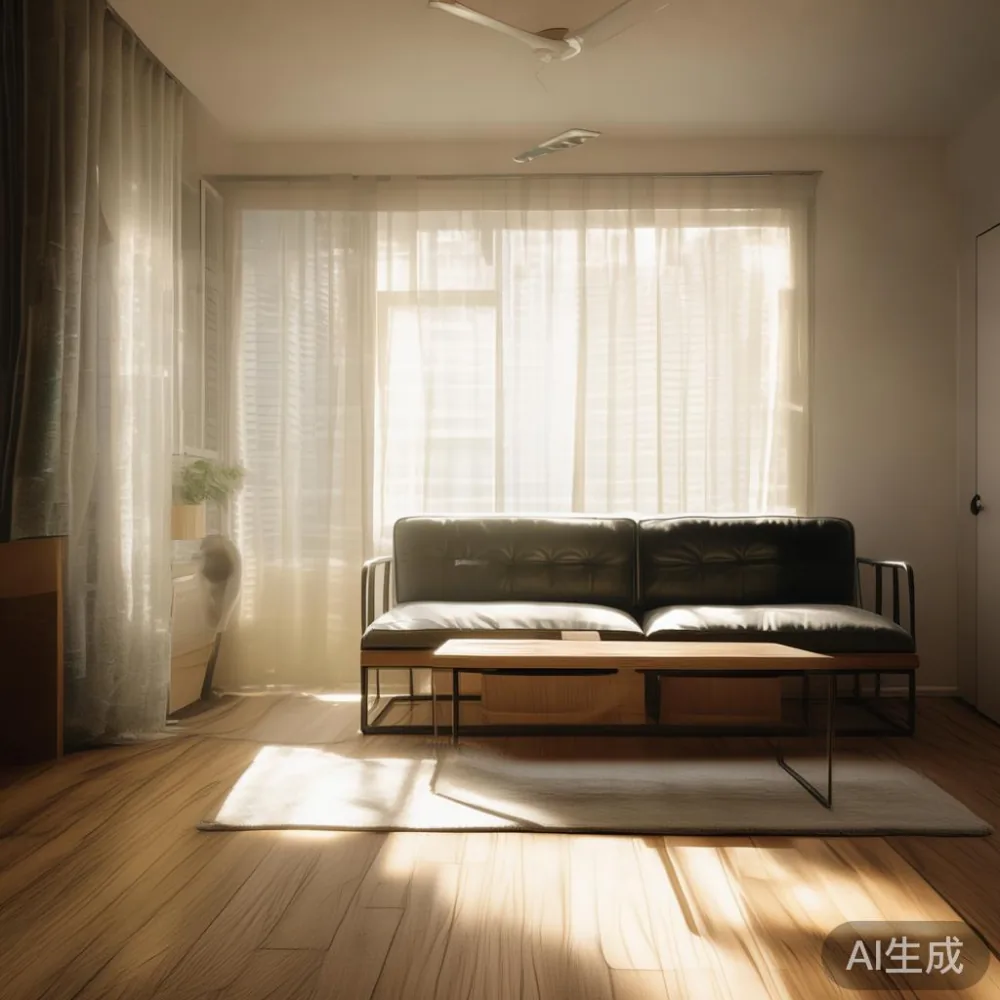
Why Your Solid Wood Sofa Might Be Suffering in Your Condo
A solid wood sofa is often a centerpiece of a living room, chosen for its aesthetic appeal and durability. However, its construction makes it particularly vulnerable to Singapore's humidity. The frame, typically made from hardwoods like oak or teak, is composed of multiple pieces joined together. When humidity causes the wood to swell, these joints can become incredibly tight. The result? Drawers in a side table become difficult to open, and the entire structure can feel stiff and unyielding.
I tested this firsthand last month when I visited a client in a Bedok condominium. She had purchased a beautiful, high-end designer Mid-century modern furniture set just 18 months prior. The solid wood bed frame had developed noticeable gaps at the joints during the drier months, and during a humid week, the drawers on her matching nightstand swelled so much they could barely be opened. The cost of repair was estimated at SGD 850, a significant expense for a piece of furniture that was supposed to last a lifetime. This experience highlighted a critical point: even the most exquisite wood furniture requires specific environmental conditions to thrive, conditions that are rarely met naturally in Singapore.
Can a Metal Furniture Piece Be a Practical Solution in Singapore?
For homeowners struggling with the effects of humidity on their wood pieces, the answer often lies in an alternative material: metal furniture. Unlike wood, metals such as steel, iron, and aluminum do not absorb ambient moisture. This makes them inherently stable in Singapore's climate. A metal-framed sofa, for example, will not expand or contract with changing humidity levels. This dimensional stability translates into consistent performance, with drawers that slide smoothly and joints that remain tight year after year.
The practicality extends beyond just dimensional stability. Metal furniture is also exceptionally durable and easy to maintain. A simple wipe with a damp cloth is usually all that's needed to clean it, and it resists stains, pests, and rot that can plague wood. For a busy family in a Punggol HDB flat, where space is at a premium and durability is key, a metal wardrobe or a metal-framed bed frame offers a low-maintenance, long-lasting solution. The structural integrity of a well-crafted metal piece is far less likely to be compromised by the environment, ensuring it looks and functions as intended for decades.
How to Style a Japanese Bed in a Humid Singapore Bedroom
The question of how to style a Japanese bed in a bedroom is a popular one for those seeking a minimalist aesthetic. However, the traditional low-profile platform bed, often made entirely of solid wood, can be a challenge in Singapore. The key is to incorporate design elements that mitigate the effects of humidity. One approach is to choose a Japanese-style bed that combines a minimalist metal frame with wood accents. The metal provides the primary structure, ensuring stability, while the wood adds the desired warmth and texture in a controlled way.
For instance, a bed with a powder-coated steel frame and a thin, solid wood headboard can offer the best of both worlds. The steel frame guarantees that the bed's structure will not warp, while the wood headboard, being a smaller and more stable component, is less likely to suffer from significant dimensional changes. This approach allows you to achieve the serene, uncluttered look of a Japanese-inspired bedroom without the constant worry of maintenance. Pairing this bed with breathable, natural fiber linens and ensuring the room has good air circulation can further help manage the microclimate around the furniture.
French Provincial for Bedroom: A Timeless Style with a Humidity-Friendly Twist
The elegant curves and ornate details of French provincial for bedroom design are highly sought after. A traditional French provincial bed frame, often crafted from dark, solid wood like mahogany, can feel heavy and oppressive in a humid climate. The intricate carvings can trap moisture, accelerating the risk of damage. To enjoy this classic style without the humidity headaches, consider a modern interpretation that substitutes wood with metal.
Imagine a French provincial-style bed where the signature curved headboard and footboard are crafted from wrought iron or brushed brass. The metal can be shaped to replicate the graceful lines of the original design, but with the added benefit of being completely impervious to humidity. This piece becomes a statement of light luxury, combining the timeless elegance of the French provincial aesthetic with the practical resilience of modern materials. It offers a sophisticated focal point for a bedroom that will not degrade over time, maintaining its beauty without the need for constant refinishing or repair.
Is Solid Wood Furniture a Mistake in Singapore's HDB Flats?
The short answer is no, but it requires a more nuanced approach. Solid wood furniture is not a mistake, but expecting it to perform perfectly without any intervention in a Singaporean HDB flat is unrealistic. The key is to manage the environment and choose the right types of wood and construction. For example, a solid wood dining table with a 'live edge' might look stunning, but it is more prone to cupping than a table with straight, machined edges.
Also, the location within your HDB unit matters. Furniture placed in a lift landing or a wide corridor, which may not have air-conditioning, will experience more extreme humidity fluctuations than a piece in an air-conditioned bedroom. For these areas, metal furniture is often a more reliable choice. However, for air-conditioned interiors, solid wood can be enjoyed if the owner is prepared for occasional maintenance, such as applying a fresh coat of wax or oil every 6 to 12 months to help seal the wood and slow moisture absorption. Ultimately, the decision comes down to a trade-off between aesthetic preference and practical maintenance.
Investing in Longevity: Beyond the Initial Price Tag
When shopping for furniture, it's easy to focus on the initial price tag. A solid wood wardrobe might cost SGD 3,500, while a metal-framed alternative might be SGD 2,800. At first glance, the wooden piece seems like a better investment. However, the true cost of ownership includes maintenance and potential repairs. A 10-year structural warranty, like the one offered by some manufacturers, provides peace of mind, but it doesn't prevent the aesthetic issues caused by humidity.
Consider the long-term value. A piece of metal furniture that lasts for 30 years without needing any structural repair offers a better return on investment than a solid wood piece that looks worn and damaged after 10 years, requiring costly refinishing or replacement. For a family in a Tampines HDB, planning for the next 20 years, choosing durable, climate-appropriate furniture is a financially sound decision. The initial investment in quality metal furniture pays off in the form of longevity and a consistently beautiful home.
Practical Tips for Furniture Care in High-Humidity Environments
If you do choose to incorporate solid wood pieces into your home, there are practical steps you can take to protect them. First, maintain a stable humidity level within your home using dehumidifiers, especially during the rainy season. Aim to keep indoor humidity between 45% and 55% if possible. Second, place furniture away from direct sources of moisture, such as windows that are frequently opened or air-conditioning units that drip.
Third, use coasters under glasses and placemats on dining tables to prevent moisture rings. For a solid wood sofa or bed, ensure there is at least a 10 cm gap from the wall to allow for air circulation and prevent the back from sticking to the wall. Finally, dust your furniture regularly with a soft, dry cloth to prevent dust and grime from trapping moisture against the wood's surface. These small habits can significantly extend the life of your wooden furniture in a challenging climate.
Final Thoughts on Creating a Harmonious Home
Creating a beautiful home in Singapore is about understanding your environment and making informed choices. While the natural beauty of solid wood is undeniable, its vulnerability to humidity is a reality that cannot be ignored. By strategically incorporating metal furniture into your design, you can achieve a look that is both stylish and resilient. Whether you are drawn to the clean lines of a Japanese sofa vs Mid-century modern sofa, or searching for the top 10 Japandi furniture pieces, considering the material's relationship with your climate is paramount.
The choice between a Japanese sofa vs Nordic sofa often comes down to aesthetics, but both can benefit from metal reinforcement in a humid climate. A designer Mid-century modern furniture piece can be reimagined with a metal frame to ensure its iconic form lasts for decades. Ultimately, a successful home interior balances personal style with practicality. By embracing materials like metal, Singaporeans can enjoy a lifetime of beautiful, functional furniture that withstands the unique challenges of their tropical climate without constant worry.