What Actually Drives the Price of Solid Wood Furniture
For many homeowners in Singapore, particularly in HDB flats in Tampines or condos in Punggol, choosing furniture is a significant investment. A solid wood dining table or a sturdy bed frame is more than just a functional item; it's a long-term companion for your home. But walk into any furniture store, and the price range can be staggering. A simple solid wood nightstand might cost SGD 150, while a full marble dining set can easily hit SGD 5,000. So, what exactly separates a SGD 800 wardrobe from a SGD 3,000 one? Is it just the brand, or is there more to the story? The answer lies in a deep get into the materials, craftsmanship, and logistics that go into creating each piece.

Why is Solid Wood Furniture So Expensive to Begin With?
At its core, the price of solid wood furniture starts with the raw material itself. Unlike particleboard or MDF (Medium-Density Fibreboard), which are in effect wood chips and glue pressed together, solid wood is, as the name implies, a single, solid piece of timber. This has profound implications for cost. A single plank of high-quality oak or walnut can cost SGD 150 to SGD 300 per square foot. For a large dining table that requires multiple wide, long planks, the material cost alone can be a few thousand dollars. This is before a single cut or joint is made.
The type of wood is a major factor. Teak, known for its durability and water resistance, is one of the most expensive options, often costing 30% to 50% more than oak. Oak, a popular choice for its strength and classic grain, sits in the mid-to-high price range. Pine is more affordable but is a softer wood, making it less durable for high-use items like a solid wood sofa. The origin also matters; sustainably sourced European oak, for example, may carry a premium over locally sourced timber due to import duties and certification costs.
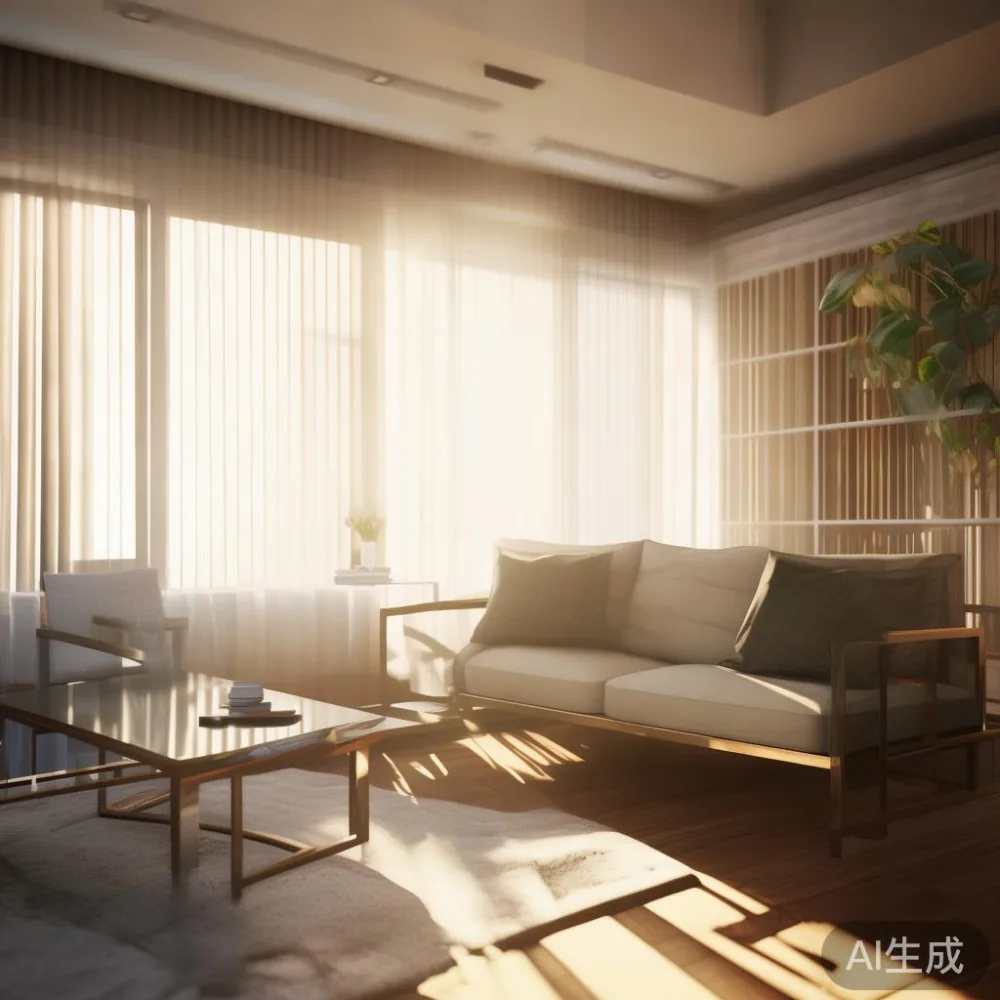
Beyond the wood itself, the sheer volume required is a key driver. A wardrobe for a Singapore home needs to be substantial to accommodate our climate and clothing habits. A typical wardrobe might be 240 cm high, 60 cm deep, and 120 cm wide. To build this from solid wood requires a significant amount of timber, not just for the outer panels but also for the internal shelves, hanging rods, and drawer systems. This material volume is a foundational cost that cheaper, engineered-wood furniture simply does not have.
What's the Difference Between a SGD 800 and SGD 2,500 Bed Frame?
Once you've chosen the wood, the real work begins, and this is where the price gap widens dramatically. The difference between an affordable and a premium bed frame comes down to joinery, finishing, and design complexity. A lower-priced bed frame might use simple butt joints, where two pieces of wood are butted together and secured with screws or staples. These joints are weak and prone to failure under stress. A high-end bed frame, on the other hand, will feature traditional joinery like mortise and tenon or dovetail joints. These interlocking connections are incredibly strong, require no mechanical fasteners, and are a hallmark of quality craftsmanship. My colleague, a carpenter with over 15 years of experience, once showed me how a well-cut mortise and tenon joint can withstand immense force, whereas a simple butt joint would split apart. This level of skill and labour is a direct cost.
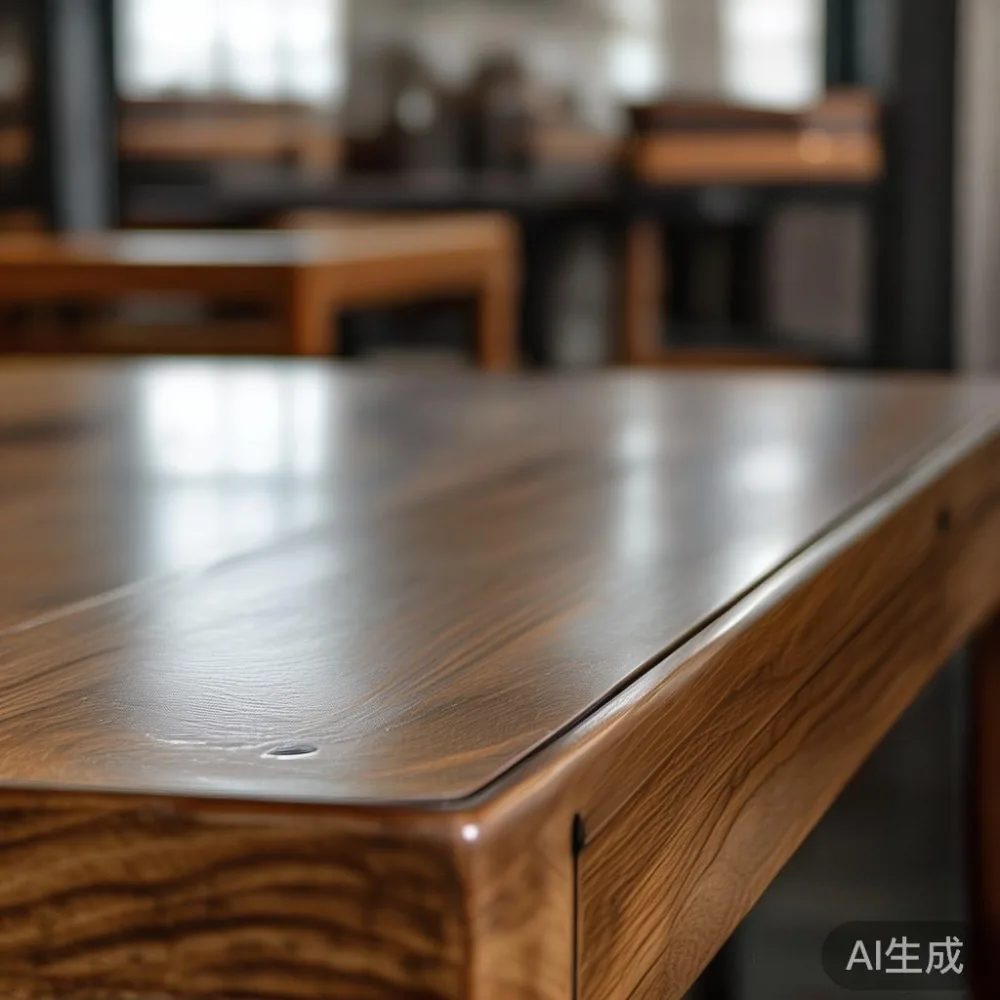
Finishing is another critical expense. A cheap bed frame might have a simple lacquer or paint applied, which offers minimal protection. A premium piece undergoes a multi-step finishing process. This often involves sanding the wood to an ultra-smooth 220-grit finish, applying a stain to enhance the natural grain, and then sealing it with multiple coats of a high-quality oil or varnish. This protective layer not only looks beautiful but also guards against humidity, a constant battle in Singapore. It prevents the wood from drying out and cracking, a common problem here. The finishing process is time-consuming; applying and buffing each coat can take several days for a single bed frame, adding significant labour hours to the final price.
Design and features also play a role. A basic American bed might be a simple platform frame. An Italian light luxury bed, however, might feature intricate carved details on the headboard, a plush upholstered panel, or a complex internal storage system built with solid wood and smooth-gliding metal hardware. These design elements require more time to create and more material to build, justifying the higher price point. The choice of hardware, from simple plastic knobs to solid brass or custom-forged pieces, also adds to the cost.
How Do Singapore's Specific Needs Impact the Price?
Living in Singapore presents unique challenges that furniture makers must account for, and these features add to the cost. Space is a premium, especially in older HDB flats. A standard corridor width in a Tampines HDB block is about 120 cm, and a lift measures approximately 110 cm by 140 cm. Furniture must be designed to fit through these spaces. This means that a large wardrobe or dining table often needs to be delivered in parts and assembled on-site. This requires precise engineering, with interlocking panels and custom hardware, which is more complex and expensive than a single, monolithic piece.
Humidity control is another factor. Singapore's average relative humidity hovers around 80%. Solid wood absorbs and releases moisture, which can cause it to expand and contract. A poorly made piece of furniture will warp or crack in this environment. High-quality furniture incorporates design elements to mitigate this. For example, a solid wood dining table will have a "floating" top, attached to the base with metal clips or a central pedestal, allowing it to move without cracking. The wood itself is often kiln-dried to a specific moisture content of 6-8%, a process that adds to the production time and cost but is important for longevity in our climate.
Then there's Goods and Services Tax (GST). All furniture sold in Singapore is subject to 9% GST. This is applied to the final price, so it affects every tier of the market. While it's a standard tax, it's a significant component of the final bill that consumers must be aware of when budgeting for their home.
Is European Light Luxury Really Worth the Extra Money?
The term "light luxury" is often thrown around, but what does it mean in a practical sense, and why does it command a higher price? Light luxury, whether French, American, or post-modern, is characterized by clean lines, high-quality materials, and a focus on understated elegance rather than ostentation. A European light luxury sofa, for instance, is not about massive, overstuffed cushions. It's about a perfectly balanced silhouette, premium full-grain leather or a high-performance fabric, and a frame built to last for decades. The price reflects this focus on quality over quantity.
Consider the comparison: a European light luxury sofa vs Italian light luxury sofa. While both are premium, they differ in design philosophy. An Italian piece might feature more dramatic curves, bold stitching, and a more sculptural form, often using hand-finished details that add to the cost. A European piece might be more minimalist, focusing on the purity of the wood and the precision of the construction. Both are expensive, but the specific design choices and manufacturing techniques contribute to their final price.
The value of light luxury furniture lies in its longevity and timelessness. A fast-fashion sofa might look good for a year or two but will sag, stain, and fall apart. A light luxury sofa is an investment. Its frame is solid wood, not plywood, and its cushions use high-density foam wrapped in down for lasting comfort. The materials are chosen for their durability and beauty, ensuring the piece remains a centrepiece of your home for 20 years or more. When you consider the cost of replacing a cheaper sofa every 5-7 years, the initial higher price of a quality piece makes more financial sense in the long run.
What About the Costs You Don't See at the Store?
The price tag on the showroom floor is only part of the story. The true cost of furniture includes logistics, warranties, and after-sales service, all of which are factored into the final price. For a local maker like MIDHILL, which has been exporting to over 15 countries since 2008, this is a significant part of their operation. Shipping a solid wood bed frame from Foshan to Singapore involves careful packing, freight forwarding, and customs clearance. This international logistics chain can add hundreds of dollars to the cost of a single item, which is then passed on to the consumer.
Customer service is another invisible cost. A reputable company offers a 14-day return policy. This means they have to manage the logistics of picking up a large, heavy item and processing a refund. They also offer a 10-year structural warranty and a lifetime refinishing service. These are not just marketing slogans; they are commitments that require a dedicated support team and a workshop capable of repairing or restoring furniture years after it was purchased. Providing this level of assurance adds to the overhead but provides immense peace of mind for the buyer.
Even local delivery within Singapore has its costs. A marble table, for example, is incredibly heavy and fragile. Delivering it to a high-floor condo in Bedok requires specialised equipment and a team of experienced movers to work through lifts and corridors without damage. The free shipping offer on orders over SGD 350 is a value-added service that is built into the pricing structure of all their products. The company absorbs this cost to make their furniture more accessible, but it is a cost nonetheless.
How to Style Your Home Without Breaking the Bank
Understanding what drives price empowers you to make smarter choices. You don't have to spend a fortune to create a beautiful home. For instance, if you're looking for light luxury for dining room, you can focus on one statement piece, like a solid wood dining table, and pair it with more affordable, stylish chairs. This creates a high-end focal point without the cost of a full matching set.
For smaller spaces, like a studio apartment in Punggol, styling is key. Instead of a large, bulky sofa, consider a well-made loveseat or a set of armchairs. The concept of "Boho for small living room" is popular because it's flexible. You can use a mix of textures and smaller, lighter-weight pieces. A rattan or light-coloured wood nightstand can add a touch of style without overwhelming the space. The key is to invest in the foundational pieces that get the most use, like your bed or desk, and be more flexible with accent items.
When choosing a bed, think about long-term value. An American bed might offer a simple, functional design at a lower price, but learning how to style European light luxury bed in room can be a rewarding project. The clean lines and natural materials of a European-style frame can serve as a neutral backdrop for any decor, from minimalist to colourful. Its durability means you won't have to think about replacing it for a very long time. Ultimately, informed decisions based on an understanding of quality and value will lead to a home you love for years to come. For those interested in exploring these options, resources like midhill.co offer a wide range of products designed with these principles in mind.