Solid Wood Furniture Prices: The Singapore Reality
For homeowners in Singapore, furnishing an apartment is a significant investment. Whether you're in a compact 4-room HDB flat in Tampines or a sprawling condo in Punggol, the furniture you choose must fit your space, your budget, and your aesthetic. When browsing options, the price tags on solid wood furniture can range from a few hundred to several thousand Singapore dollars. It's a wide spectrum, and understanding the factors behind it can save you from overpaying or buying something that won't last. This article breaks down the tangible elements that contribute to the final price of a solid wood piece, using local context and concrete numbers to give you a clear picture.

Why Does a Solid Wood Dining Table Cost More Than a Metal Furniture Piece?
The most fundamental difference lies in the raw material itself. Solid wood furniture, unlike metal furniture, is carved from a natural resource. A dining table made of solid oak, for example, requires a single, large plank of wood that is free of major knots, cracks, and imperfections. This 'clear' wood is a finite resource. For a dining table measuring 180 cm in length by 90 cm in width, a manufacturer might need a board that is at least 5 cm thick and over 3 meters long. Such a piece of high-grade oak can cost the manufacturer SGD 450 to SGD 800 just for the wood alone. Metal furniture, on the other hand, often starts with raw steel or aluminium rods which are then bent, welded, and powder-coated. The material cost for the equivalent dining table frame in metal might be between SGD 150 and SGD 300. This initial material discrepancy is the first major driver of price, setting the stage for the entire production process.
How Does Wood Grade and Origin Affect the Price of a Wardrobe?
Not all wood is created equal. The species, origin, and grade of the wood used in a wardrobe have a direct impact on its cost and longevity. A solid teak wardrobe, for instance, is significantly more expensive than one made from rubberwood. Teak is a tropical hardwood known for its natural oils that make it highly resistant to moisture and pests—a important consideration in Singapore's humid climate. A teak wardrobe might cost SGD 3,500, while a similar-sized rubberwood wardrobe could be priced at SGD 1,800. The origin also matters. European oak is often considered superior to Asian oak due to its slower growth, resulting in a tighter grain and more stable structure. This is why you might see a 'French provincial wardrobe' priced at SGD 4,200, while a wardrobe made from locally sourced acacia might be SGD 2,500. The question many ask is: is French provincial wardrobe worth it? For those seeking a piece with a classic, heirloom-quality feel and superior durability in a humid climate like Singapore, the investment often justifies the higher price tag.
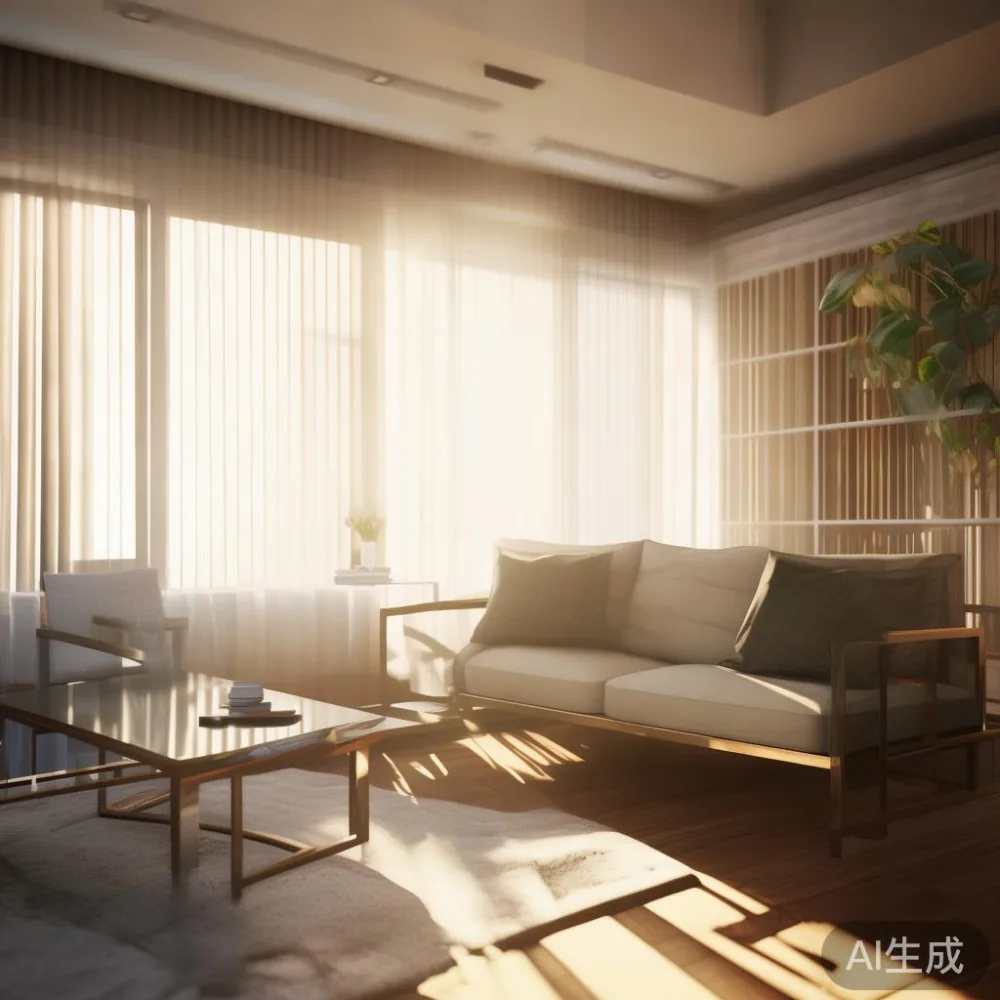
What Role Does Craftsmanship Play in the Cost of a Bed Frame?
The difference between a mass-produced bed frame and a handcrafted one is stark, and this is reflected in the price. A 'Japanese bed vs French provincial bed' comparison highlights this well. A Japanese-style platform bed frame might be constructed using simple, efficient joinery like dowels and screws, a process that can be largely automated. This results in a price point of around SGD 1,200 for a queen size. A French provincial bed, however, features ornate details like curved headboards, carved legs, and intricate mouldings. Each of these elements requires skilled labour. A master carpenter might spend 25 hours hand-carving the details on one headboard. At a skilled labour rate of SGD 45 per hour, that's over SGD 1,100 in labour costs just for the headboard, not including the frame, which adds another SGD 600 for materials and assembly. This is why a French provincial bed can easily cost SGD 3,000 or more. The craftsmanship isn't just about aesthetics; it's about the precision of the joints, the smoothness of the finish, and the structural integrity that ensures the bed will not wobble or creak for years to come.
How Do Finishes and Hardware Contribute to the Final Price?
The finish on a piece of furniture is more than just paint; it's a protective layer that defines its look and feel. A simple, painted finish on a nightstand might take a few hours to apply and cost the manufacturer SGD 80 in materials. A hand-rubbed, natural oil finish, which enhances the wood's grain and provides a soft, tactile feel, requires multiple coats and extensive hand-sanding. This process can take up to 12 hours per nightstand and cost SGD 150 in premium oils and waxes. Hardware is another factor. A solid brass handle for a drawer costs SGD 25, while a simple zinc alloy handle might cost SGD 5. For a wardrobe with six drawers, that's a difference of SGD 120 just for the handles. A '2026 Modern light luxury furniture' collection might feature minimalist, brushed steel handles, which are less expensive than brass but still more costly than basic hardware. These details add up, contributing significantly to the final price and the perceived value of the piece.
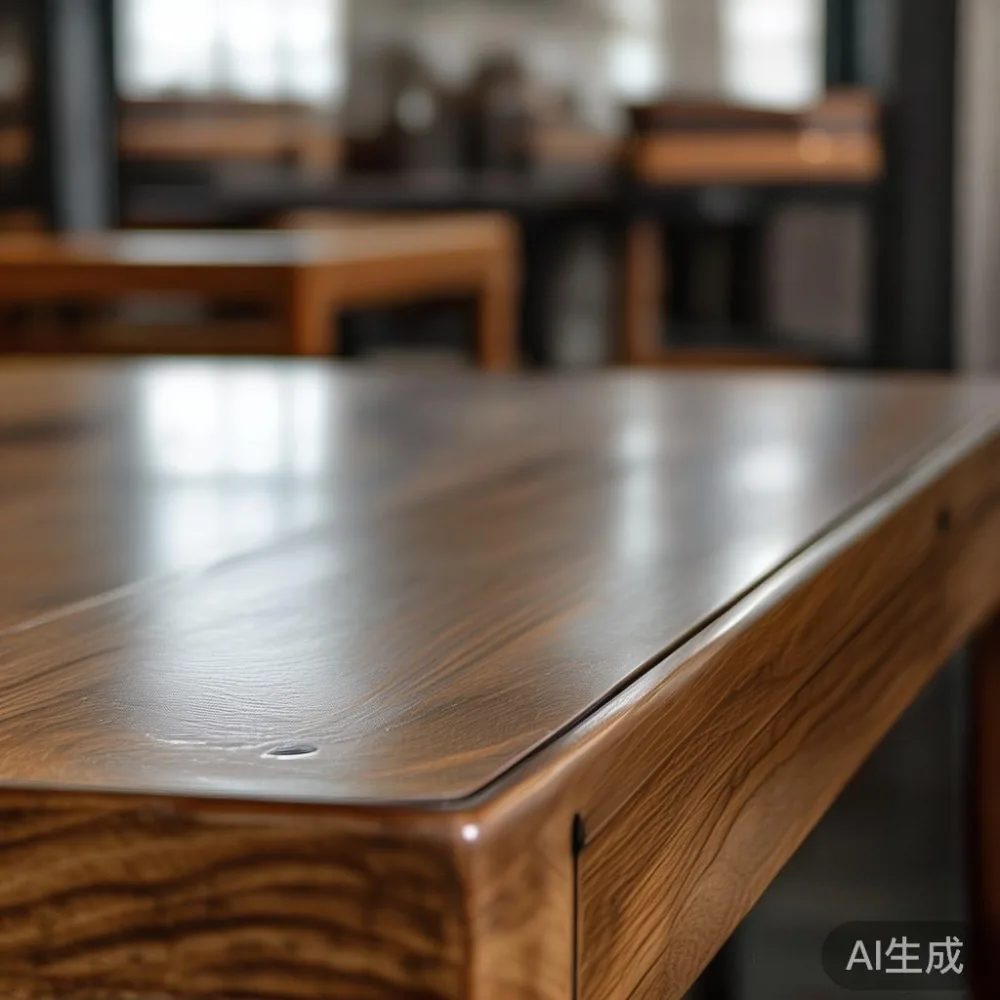
Why Does a Solid Wood Sofa Cost So Much Compared to Upholstered Options?
A solid wood sofa is a statement of both form and function. The frame of such a sofa is typically made from kiln-dried hardwood to prevent warping. This frame must be strong enough to support the weight of cushions and people for decades. The construction involves complex joinery, such as mortise and tenon, which is far more labour-intensive than the staples and glue used in a sofa with a softwood frame. The frame alone can cost SGD 800 to SGD 1,200. The cushions add another layer of cost. High-density foam wrapped in a layer of down or a premium fibre blend provides superior comfort but is significantly more expensive than standard foam. An 'Italian light luxury sofa' might feature this level of craftsmanship and materials, with a price tag of SGD 8,000 or more. The question then arises: is Italian light luxury sofa worth it? For homeowners who prioritize timeless design, exceptional comfort, and a piece that can be reupholstered for a completely new look decades later, the answer is often yes. It's an investment in both comfort and longevity that a cheaper, mass-produced sofa cannot match.
What About Local Factors Like Delivery and Warranty?
In Singapore, the final cost isn't just about the product; it's about getting it into your home. A large marble table, for example, is extremely heavy and fragile. Delivering it to a 20th-floor condo in Bedok requires special equipment, including a lift that can handle the weight—often over 150 kg—and has a wide enough corridor to manoeuvre. A standard delivery van might not be sufficient. This specialised logistics can add SGD 200 to SGD 400 to the delivery cost. For a wardrobe that needs to fit into a narrow HDB lift in Punggol, the dimensions are critical. The wardrobe must be delivered in pieces and assembled inside the apartment, which requires skilled installers and adds to the labour cost. A 10-year structural warranty, like the one offered by some established brands, provides peace of mind but also represents a cost to the company for potential repairs or replacements. A lifetime refinishing service means the company commits to restoring the wood's finish for as long as you own the piece, which is a significant value-add. These services are factored into the price, ensuring you get a product that is built to last and supported for the long term.
How to Evaluate Value When Shopping for Furniture?
When you see a price, it's important to look beyond the number and understand what you're getting. A 'MIDHILL coffee table' made from solid mango wood with a hand-rubbed oil finish might cost SGD 1,800. At first glance, it seems expensive compared to a similar-looking table made of veneer for SGD 500. However, the solid wood table can be sanded and refinished if it gets scratched, while the veneer table will likely need to be replaced. The solid wood table's joinery will remain tight for decades, whereas the veneer table may start to delaminate in our humid climate. The value lies in longevity and the ability to repair, not just in the initial appearance. A 'French provincial dining table' might seem like a significant expense, but its classic design means it won't look dated in 10 years, unlike a trendier piece that you might want to replace. When you consider that a well-made piece of furniture can last 30 years or more, the cost per year of use becomes much more reasonable. It’s about making a smart, informed decision based on quality, durability, and the specific needs of your Singapore home.