How to Choose the Perfect Metal Sofa When You Can't Test It in Person
Shopping for furniture in Singapore presents a unique set of challenges. With urban living spaces like HDB flats in Tampines and Punggol, or condos in Bedok, every square centimeter counts. The corridors are narrow, the lifts are small, and the final piece must not only look good but also fit perfectly. Now, imagine doing all of this for a sofa you can never sit on. This is the reality for many online shoppers, a situation that requires a meticulous approach to decision-making. The key is to shift focus from the subjective feel to a series of objective, verifiable criteria that guarantee your purchase will be a success.
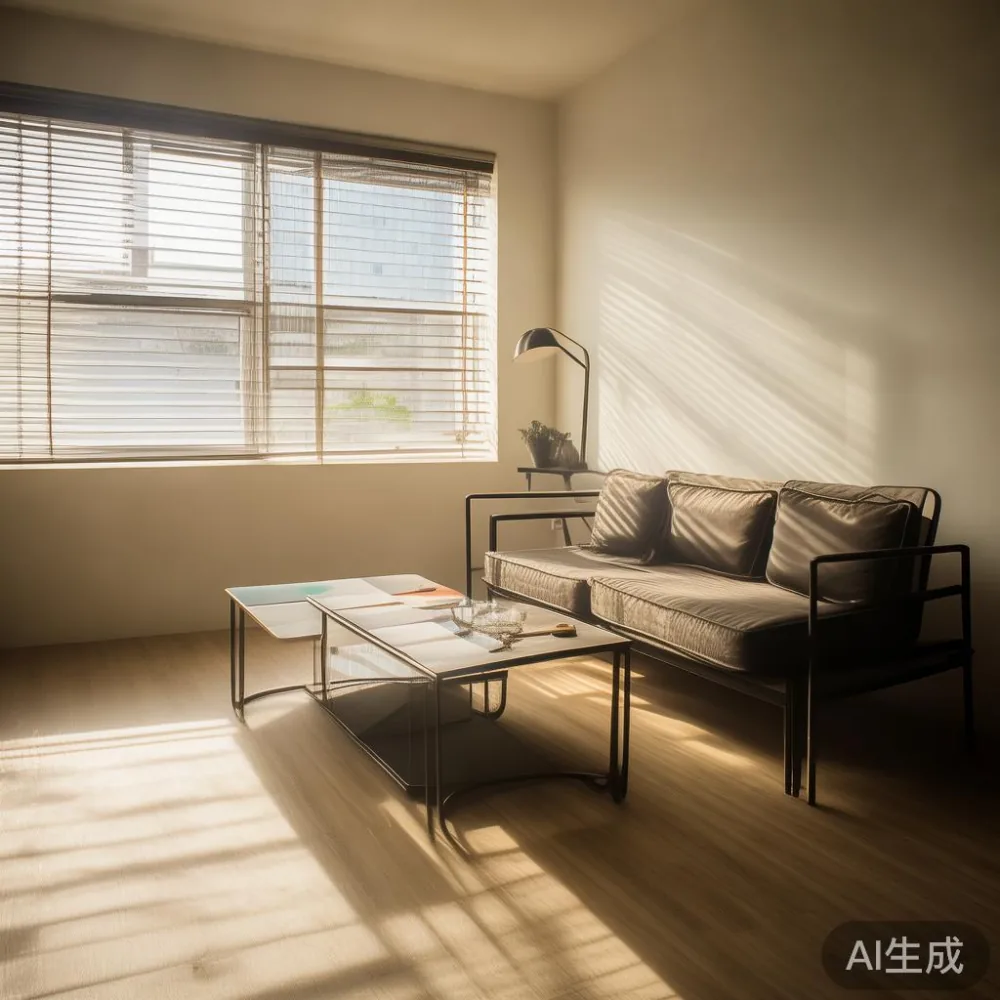
Why You Can't Rely on Feel Alone
The tactile experience of a sofa—its softness, the firmness of the cushions, the depth of the seat—is what most people consider the most important factor. However, for those buying online, or from a showroom with limited samples, this luxury is absent. This forces a more analytical approach. In Singapore, where a quality sofa can cost anywhere from SGD 1,500 to over SGD 5,000, a mistake is an expensive one. The decision must be based on a foundation of hard data and careful planning. This guide will walk you through the exact specifications and considerations you need to evaluate, ensuring that the metal furniture you choose is the right one for your home, without ever needing to sit on it.
What are the exact dimensions I need for my Singapore home?
This is the most critical first step. Before you even look at styles, you must measure your space with precision. In Singapore, the standard width for a corridor in an HDB flat is approximately 120 cm. A sofa that is wider than this will need to be carried through at an angle. For larger condos, the corridors might be wider, but you still need to account for doorways and lift dimensions. A standard HDB lift is about 110 cm wide by 210 cm deep. Your sofa must fit within these parameters when moved in a vertical position.
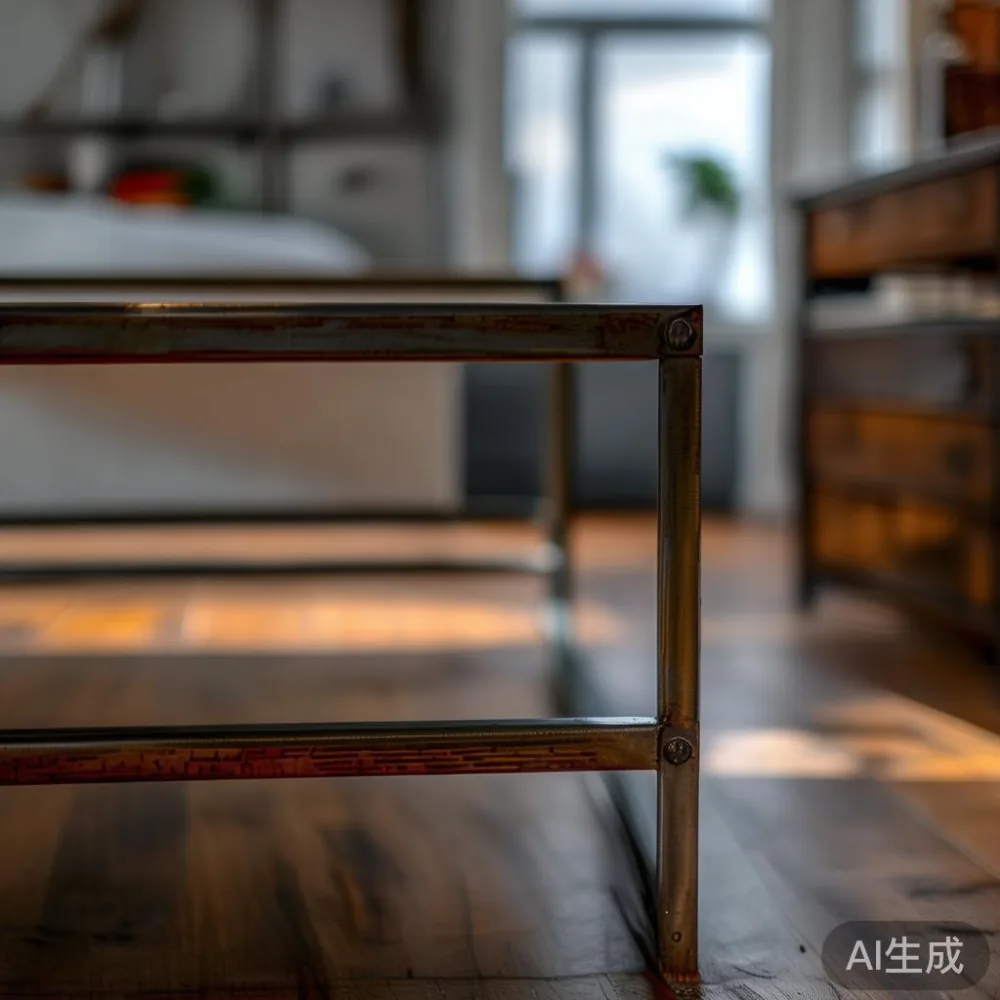
Measure the exact spot where the sofa will live. Note the width, height, and depth. Remember to leave at least 45-60 cm of walking space around the sofa for comfortable movement. A common mistake is measuring the empty space and not accounting for the sofa's legs or armrests, which can protrude an extra 10-15 cm. Always get the manufacturer's exact dimensions, not just an approximate size. For example, a '3-seater' can range from 180 cm to 220 cm wide. This 40 cm difference can be the difference between a perfect fit and a piece that is too large for your living room in Bedok.
How can I assess the quality of the materials and construction?
Without sitting on the sofa, you become a detective of materials and build quality. This is where you can separate a well-made piece of metal furniture from a poorly constructed one. Start by examining the frame. For a metal sofa, a high-quality frame will be constructed from thick-gauge steel, not thin, hollow tubing that can bend or wobble. Look for information on the gauge of the metal; a higher number means a thinner, weaker gauge. A sturdy frame might use 1.5 mm to 2.0 mm steel. Ask about the welding points; they should be smooth, even, and strong, with no visible gaps or rough edges.

The upholstery is the next area of focus. If possible, request a fabric swatch. Feel its weight and texture. A higher-quality fabric will feel denser and more substantial. Look for details like double-stitched seams on the cushions, which are a sign of durability. For cushions, the filling is paramount. High-density foam, with a density rating of 30 kg/m³ or higher, will provide better support and last longer than lower-density alternatives. A mix of foam and down feathers offers a luxurious feel but requires more maintenance. Checking these details ensures you are not just buying a sofa that looks good, but one that is built to last for years.
What about the warranty and after-sales support?
p>A warranty is the manufacturer's promise about the longevity of their product. It's a direct reflection of their confidence in their craftsmanship. When evaluating a sofa, pay close attention to the warranty terms. A 1-year warranty is standard, but a 10-year structural warranty, like the one offered by some established makers, indicates a frame built to withstand a decade of use. This covers the metal frame, springs, and wood components, protecting you from major structural defects. Also, look for a lifetime refinishing warranty. This is particularly important for metal furniture, as it covers the finish against peeling, cracking, or fading, ensuring the sofa's appearance remains intact.
After-sales support is equally important. In Singapore, logistics can be complex. A good company will offer clear delivery policies. For example, free shipping for orders over SGD 350 is a standard benefit that saves you a significant cost. Also, consider their return policy. A 14-day return period gives you a buffer in case the sofa, despite your measurements, doesn't work in your space. This level of service provides peace of mind, knowing that if something goes wrong, you have a clear path to resolution. My colleague last month ordered a large sofa from a European brand and faced a 6-week delay with no clear communication. A transparent policy on delivery times, typically 7-14 business days for local orders, is a sign of a reliable company.
Is European sofa worth it for a Singapore home?
This question gets to the heart of style versus practicality. European sofas, particularly those in the French light luxury or American light luxury style, are often celebrated for their design-forward aesthetics, premium materials, and superior comfort. They can be a statement piece, improving the entire look of a condo in Punggol. However, this premium comes at a higher price point. A European-style sofa can easily cost 30-50% more than a comparable locally made piece. The question is whether the design and quality justify the extra cost for your specific needs.
p>For a smaller HDB flat, the generous proportions and deep seats of many American light luxury sofas might be impractical, making the space feel cramped. A post-modern light luxury design, with its cleaner lines and more compact form, might be a better fit. It's also worth considering the climate. Singapore's high humidity can affect materials. A high-quality European sofa will use moisture-resistant foams and fabrics designed for such conditions, which a cheaper model might not. Ultimately, the value of a European sofa depends on your budget, the size of your home, and how much you prioritize design and longevity over cost. It's an investment, but one that should be made with a clear understanding of its benefits and drawbacks in a local context.
How do I choose the right style and finish?
Style is a deeply personal choice, but it must also be functional within your home. The finish of your metal sofa will significantly influence the room's ambiance. A brushed brass or matte black finish can create a sophisticated, industrial look that complements a modern condo. A polished chrome finish might feel more retro or art deco. Consider the existing furniture in your room. A solid wood dining table or a marble table can provide a beautiful contrast to the cool, sleek lines of a metal sofa. Think about the aesthetic you want to achieve.
When considering style, it's helpful to look at how other furniture elements interact. For instance, the choice of a wardrobe or nightstand can influence the living room's design coherence. You might ask yourself, how to style Japanese wardrobe in bedroom to create a harmonious look that extends from the private spaces to the living area. Similarly, thinking about a future purchase like a European bed vs Japandi bed can help you define a consistent design language throughout your home. The key is to choose a sofa whose style you can visualize in your space, considering not just the sofa itself, but how it will interact with your other furniture pieces to create a cohesive whole.
What are the logistics and hidden costs of delivery?
Never underestimate the final mile of furniture shopping. The cost and complexity of delivery can turn a good deal into a bad one. Always ask for a detailed breakdown of the delivery charges. Some companies quote a low price for the sofa but add significant delivery and assembly fees later. In Singapore, this can easily add SGD 100 to SGD 300 to your final bill. Factor in the Goods and Services Tax (GST) of 9%, which is applied to the total cost of the furniture and often the delivery fee as well.
Confirm the delivery process. Will the sofa be brought to your door, or just to the curb? For apartments without a lift, or on higher floors, you may need to pay for additional manpower to carry the item up the stairs. A professional service will typically include assembly, ensuring the sofa is set up correctly in your room. Ask about the delivery window. A reliable company will provide a specific date or a narrow range, not just a vague 'sometime next week'. Understanding these logistical details upfront prevents unpleasant surprises and ensures the process is as smooth as possible, allowing you to enjoy your new furniture without stress.