How to Care for Lacquered Metal Furniture in a Tropical Climate
Lacquer gives metal furniture a smooth, reflective finish, but Singapore’s heat, humidity, salt air, and sticky fingertips can make maintenance more demanding than it is in a dry showroom. For households in Tampines, Bedok, Punggol, and newer HDB or private condominiums, good care means controlling moisture, limiting direct sun, using gentle cleaning products, and checking lacquer damage before it becomes a peeling issue.
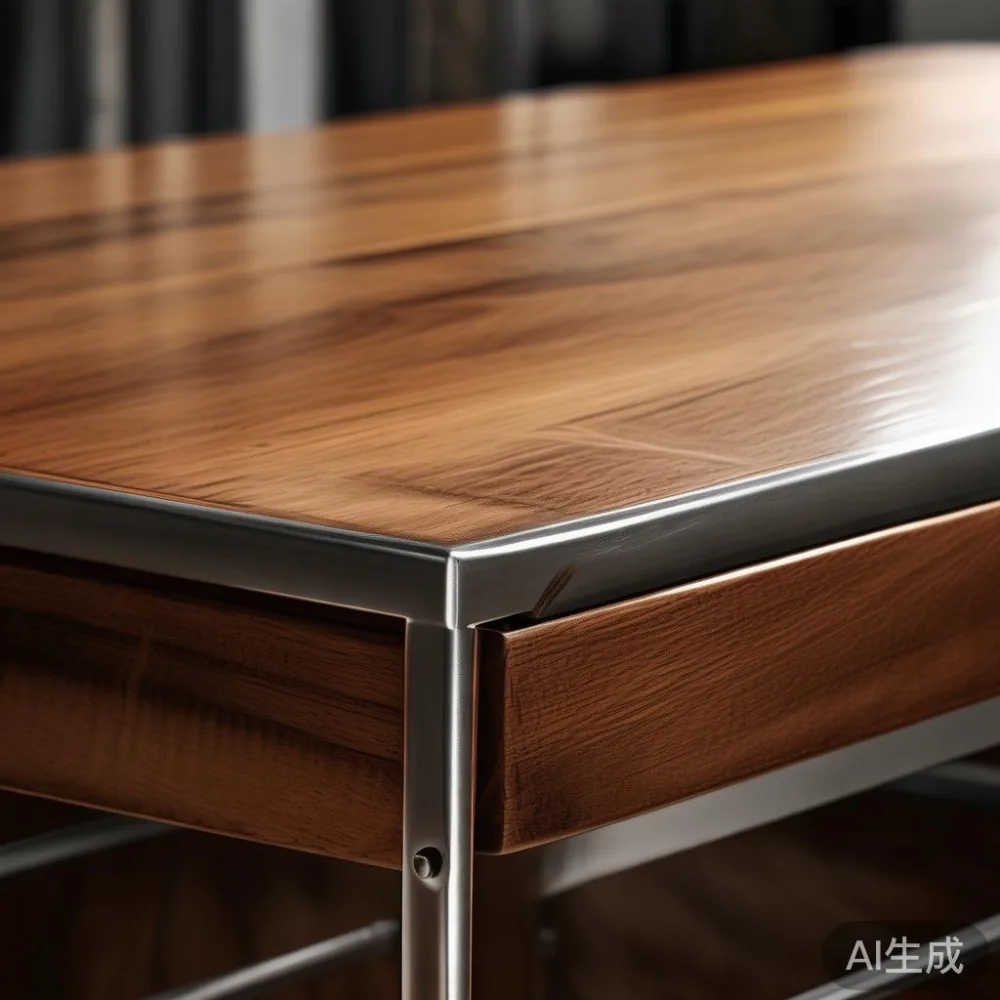
At MIDHILL, our approach combines practical material knowledge with a light-luxury sensibility: clean lines, restrained colour, and furniture designed for real apartments rather than showroom sets. Whether the piece is a metal-framed solid wood sofa, a lacquered bed frame, a dining table with metal legs, a wardrobe, a nightstand, or a marble table with metal supports, the same moisture discipline applies.
Why tropical humidity affects lacquered metal furniture
Lacquer is not a substitute for solid metal. It is a protective surface film that can slowly weaken through heat, ultraviolet exposure, moisture ingress, and mechanical abrasion. In Singapore, relative humidity commonly reaches 70–80% during the wetter periods, while indoor surfaces can remain above 60% even with air conditioning. Those conditions are not automatically damaging, but they increase the chance of condensation on metal and around joints, screw heads, and seams.
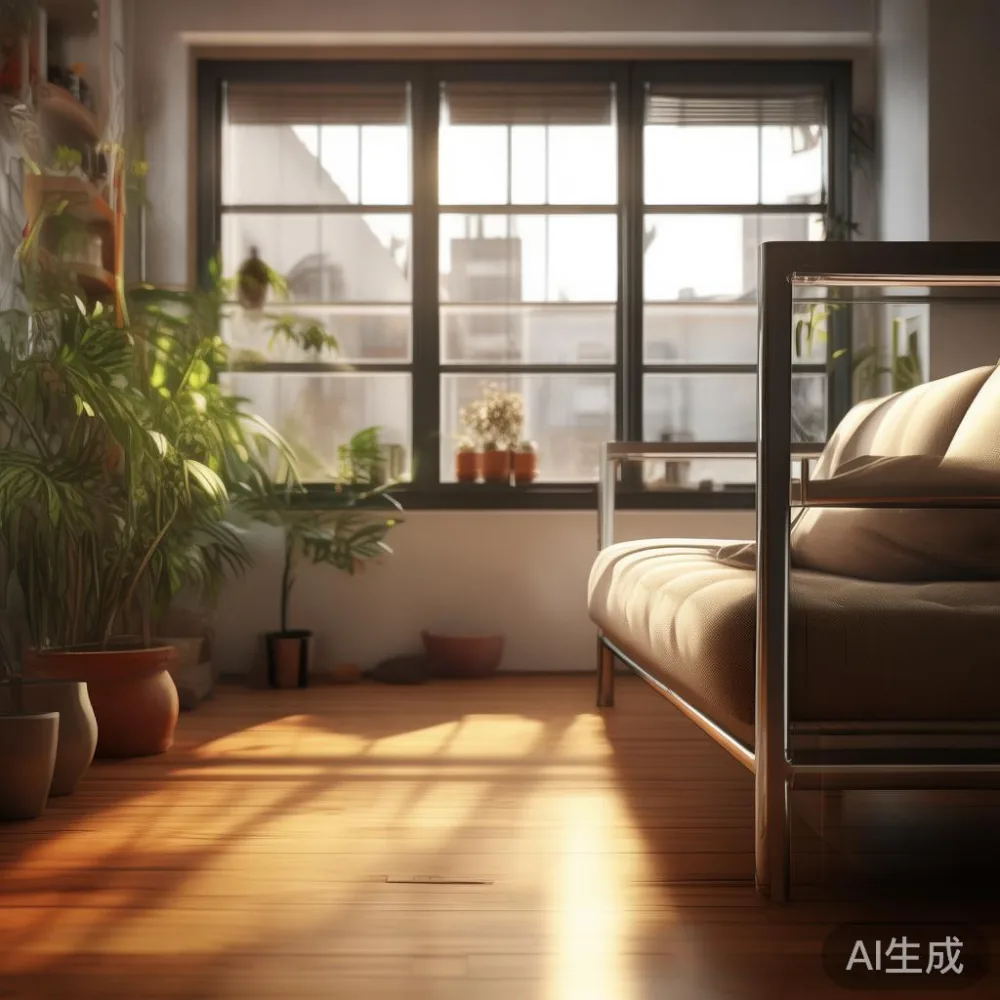
Place metal furniture at least 30 cm from an open window or direct air-conditioner outlet. Maintain a sensible indoor range of about 24–28°C and 45–60% relative humidity where practical. A hygrometer costing around SGD 18–35 makes monitoring easier. In an HDB flat where a unit faces the afternoon sun, curtains or UV-filtering film can reduce direct exposure by roughly 40–70%, depending on the product and installation.
Do not assume that a sealed product is maintenance-free. Check lacquer under good light twice each year, especially after the monsoon season. Look for dull patches, tiny blisters, lifting edges, or pinholes around joints. A mark that cannot be removed with a clean microfibre cloth should be treated promptly rather than scrubbed repeatedly.
What should I use to clean a lacquered surface?
Begin with a soft microfibre cloth slightly dampened with warm water. Wipe in the direction of the grain or finish, then dry with a separate clean cloth. For fingerprints around frequently touched areas, add a small amount of pH-neutral dish detergent—about 1 teaspoon per 500 ml of water. Avoid soaking the lacquer, flooding joints, and allowing cleaning liquid to run beneath the finish.
Paper towels can leave lint on glossy lacquer. Cotton cloths may pick up fibres or push grit across the surface. Microfibre is preferable because its fine pile traps dust without creating long fibres. For an 80 cm dining table, a 30 × 30 cm cloth usually provides enough control; for a 160 cm table, use two cloths and clean sections approximately 60 cm wide.
Never use bleach, ammonia, oven cleaner, abrasive pads, wire wool, or solvent-based cleaners. Some “multipurpose” sprays contain silicone or aggressive surfactants that create a hazy film. Test every product in a concealed 5 × 5 cm area and wait 24 hours before treating the full surface.
How often should lacquered metal furniture be wiped down?
A weekly wipe is usually sufficient for a lightly maintained piece. High-touch rails, cabinet pulls, table edges, and bed-frame corners can be cleaned every 3–7 days. Dining tables need immediate attention after sauces, oil, or drinks are placed on them; allowing residue to remain for more than 30 minutes raises the likelihood of staining.
Use a dry cloth for routine dust removal and a lightly damp cloth every 2–4 weeks. During humid months, inspect exposed metal feet and joints after major rain events. A simple moisture check can be done by placing a dry coaster beneath a foot for 10 minutes, then looking for dampness on the underside.
Apply a suitable lacquer-compatible wax or polish only according to the finish manufacturer’s instructions. Most maintenance products need a 7–14 day cure before the surface should be heavily touched. A tin of quality metal polish may cost SGD 20–45, but it should not be used unless it is explicitly compatible with the lacquer type.
How can I prevent rust beneath or around the lacquer?
Most powder-coated or lacquered steel should remain protected if the coating is intact. Rust is more likely where the finish has been chipped, where a component is mounted through a drilled hole, or where a leg rests on a wet floor. Salt in coastal air can also accelerate corrosion after damage, even indoors in places such as Bedok or Punggol.
Keep metal feet off persistently wet tiles and use felt or EVA pads beneath them. Replace damaged felt pads every 6–12 months. For a table carrying an estimated 80 kg, use four balanced pads rather than two, and tighten fixings every 6 months during the first year and annually thereafter.
Do not sand through the finish simply to remove a spot. If a chip exposes bare steel, clean it with isopropyl alcohol at about 70% concentration, using only 2–3 drops on a cloth, then apply a compatible rust-inhibiting touch-up product. Allow it to cure for the full period stated on the can—often 24–72 hours—before use.
Does direct sunlight discolour lacquered metal?
Yes. Direct ultraviolet light can fade pigments and make some lacquer surfaces uneven, especially in east-facing Tampines bedrooms or west-facing condominium living rooms. The strongest exposure often occurs between 11 a.m. and 4 p.m. Curtains, blinds, and plant placement can all help, although furniture should not be pressed directly against a wall if ventilation is poor.
Avoid placing a lacquered bed frame within 1 m of a frequently used window if morning light falls directly onto it. The same 1 m buffer is sensible for a dining table in a sunlit dining area. UV film on glass can block a meaningful proportion of harmful rays, but film quality and installation matter more than the label alone.
Temperature changes also matter. A metal surface in a sunlit room can exceed 40°C even when the air conditioner is running. Move the piece away from the glass, use shading, and avoid sudden cooling with a blower directed at warm lacquer. Repeated rapid changes may encourage condensation or stress the coating.
How do lift and corridor dimensions affect furniture care?
Good product care begins before delivery. Singapore lifts commonly measure about 90–110 cm deep and 130–150 cm wide at the door, though building-specific dimensions vary. A lacquered metal furniture piece packed into a narrow lift can be scratched at corners or bent during handling. Measure the route before selecting oversized components, especially in older HDB blocks and narrow condo corridors.
Protect corners with foam and 1–2 cm blankets, then use plastic film over the foam so moisture does not soak through. The delivery team should record the packed dimensions and check the lift capacity. A large dining table may weigh 45–80 kg, while a metal-framed bed frame may weigh 35–65 kg; neither should be carried by one person without proper equipment.
For a condensed apartment, Italian light luxury for small living room layouts benefit from slim profiles, pale finishes, and visually light metal supports. A 120 cm dining table can serve 4–6 people, while a 140 cm version may suit 6–8. Keep at least 75–90 cm between the table edge and a wall or another major obstruction to allow chairs to move and lacquered surfaces to be wiped.
What should I do if lacquer is scratched, swollen, or peeling?
Stop using abrasive products and assess the extent of the damage. Fine scratches in an otherwise sound finish may respond to a lacquer-safe polish. Blisters, soft spots, or broad peeling suggest moisture beneath the coating, and polishing will not solve the problem. If the affected zone is larger than 2 cm across, contact the manufacturer or a qualified refinisher.
For a small scratch, clean the area, apply a compatible touch-up pen with a 1 mm tip, and allow 48–72 hours before close contact. Match both lacquer colour and sheen under neutral daylight, because a spot can look more obvious under a warm bedroom lamp. Do not layer several colours on top of one another; each coat needs proper drying.
Midhill provides a 10-year structural warranty and lifetime refinishing for qualifying pieces, which gives buyers a clearer path for manufacturing or finish concerns. Keep your invoice, care record, and photographs of the furniture. Document every 6 months so that changes can be compared with earlier images.
How should I care for lacquered metal around a solid wood sofa or bed frame?
Keep the two material types visually and physically compatible. A solid wood sofa with lacquered steel legs should be moved as a complete unit when possible, rather than dragging the frame and stressing the joints. Lifting castors can be an issue because concentrated loads may mark flooring or expose lacquer to grit.
Use a lifting team for frames over 50 kg, and place a 2 mm protective pad beneath every contact point. Check the fixings every 6 months. If you are considering a best Minimalist bed for 2026, compare the frame’s centre rails, slat spacing, and finish-care requirements rather than focusing only on the upholstered profile.
For wardrobes, leave access space behind the carcass so exterior walls and concealed pipes can be inspected. A 5 cm rear gap is useful in air-conditioned rooms, while 8–10 cm may be needed near a bathroom wall where humidity is higher. Do not place clothing damp from the shower directly against lacquered panels.
Design references can be useful when matching new pieces. Questions such as how to style light luxury wardrobe in room often come down to proportions, concealed storage, and a limited number of finishes. A 150 cm-wide wardrobe may suit a bedroom with 300 cm of usable wall space, leaving 75 cm on each side for circulation. Keep lacquered handles dry and avoid overfilling hinged compartments, which can pull the carcass out of alignment.
Can a nightstand or marble table use the same care routine?
Mostly, but stone and lacquer require different cautions. A marble table with metal supports should be wiped promptly after drinks are used, especially acidic liquids such as citrus juice, wine, or cola. Natural stone may also need sealing according to its porosity. Place coasters under glassware and avoid dragging ceramic or stone objects over lacquered metal supports.
A lacquered nightstand is vulnerable to repeated contact with mobile phones, watch bands, and water glasses. Use a 20 × 15 cm tray and move it when cleaning the surface. Charge electrical accessories on a separate surface if their manufacturer warns about heat. Keep drinks at least 20 cm from a wardrobe front or metal-framed bed headboard.
For coordinated interiors, best French provincial furniture can be interpreted through curved profiles, warm timber, and delicate metal accents rather than a heavily decorated room. The best Italian light luxury wardrobe for 2026 may pair pale stone tones with slim bronze or champagne-finished metal. In both cases, matching sheen matters more than matching colour alone.
How do I compare lacquer care when buying wholesale French provincial furniture?
Ask for the exact finish system, cleaning instructions, warranty scope, and repair method before approving wholesale French provincial furniture. “Metal furniture” should be described clearly: powder-coated steel, lacquered aluminium, stainless steel, and plated metal do not share identical care requirements. Request sample panels at least 10 × 10 cm and inspect them after 72 hours in the intended room.
For a commercial fit-out, order production samples 4–6 weeks before the main delivery. Expose them to the actual level of touch, sunlight, and cleaning rather than relying on a showroom sample. Check colour drift at 30, 60, and 90 days. Replace damaged sections instead of masking them with tape or polish if the coating has separated.
Local pricing and logistics matter too. A Singapore order may include 9% GST, while a quotation for export or a project should state whether tax, delivery, and site access are included. MIDHILL ships free above US$350, or roughly SGD 465 at a typical exchange rate of about SGD 1.33 per US$1. Standard delivery timing may run 15–30 days after production, depending on order configuration and destination; a quoted lead time should be confirmed before payment.
What is a practical care calendar for Singapore homes?
Daily: wipe spills within 30 minutes and dry any condensation around metal feet. Weekly: use a dry microfibre cloth on high-touch areas and damp-clean lightly dusty surfaces. Monthly: inspect beneath table and bed-frame corners, check humidity near wardrobes, and rotate items that receive direct sun. Every 6 months: check screws, clean vents around lacquered panels, and photograph the finish. Annually: inspect the entire piece under daylight and review the care instructions.
For occupied family homes, small habits make the largest difference. Use coasters sized at least 8 cm for water glasses, avoid aerosol sprays near furniture, and keep heavy metal accessories off lacquered tops. A 1.5 kg decorative object placed on a lacquered nightstand for a month can create a fine ring; coasters or felt separators reduce that risk.
Returns and ownership terms should be checked before purchase. MIDHILL offers a 14-day return window, subject to the stated conditions, and a 10-year structural warranty. Buyers should retain packaging where possible because freight damage and finish marks are easier to assess when the original protection is intact.
Light luxury is not only about visible polish. It is also about preserving proportion, texture, and colour through disciplined care. In Singapore’s climate, dry cloths, measured moisture control, shaded placement, and quick spill response allow lacquered metal furniture to retain its calm appearance for years while complementing a solid wood sofa, dining table, bed frame, wardrobe, nightstand, or marble table without making the apartment feel crowded.