Veneer vs Solid Wood: A 5-Year Cost Comparison for Singapore HDB and Condo Homes
I moved into a 4-room HDB flat in Tampines last September, and the first thing I did was replace the developer's built-in wardrobe with a free-standing solid wood unit I bought from a Foshan supplier. Two of my colleagues in Bedok went the opposite route: they chose engineered wood with a thick oak veneer for the same set of pieces — bed frame, dining table, wardrobe, and a nightstand. Because we all live within 10 km of one another, we share the same humidity, the same afternoon thunderstorms, and roughly the same delivery corridor squeeze at the lift lobby. That made comparing our furniture costs unusually easy. Five years from now, I will know exactly which choice was the smarter one in Singapore dollars (SGD), and you will, too.
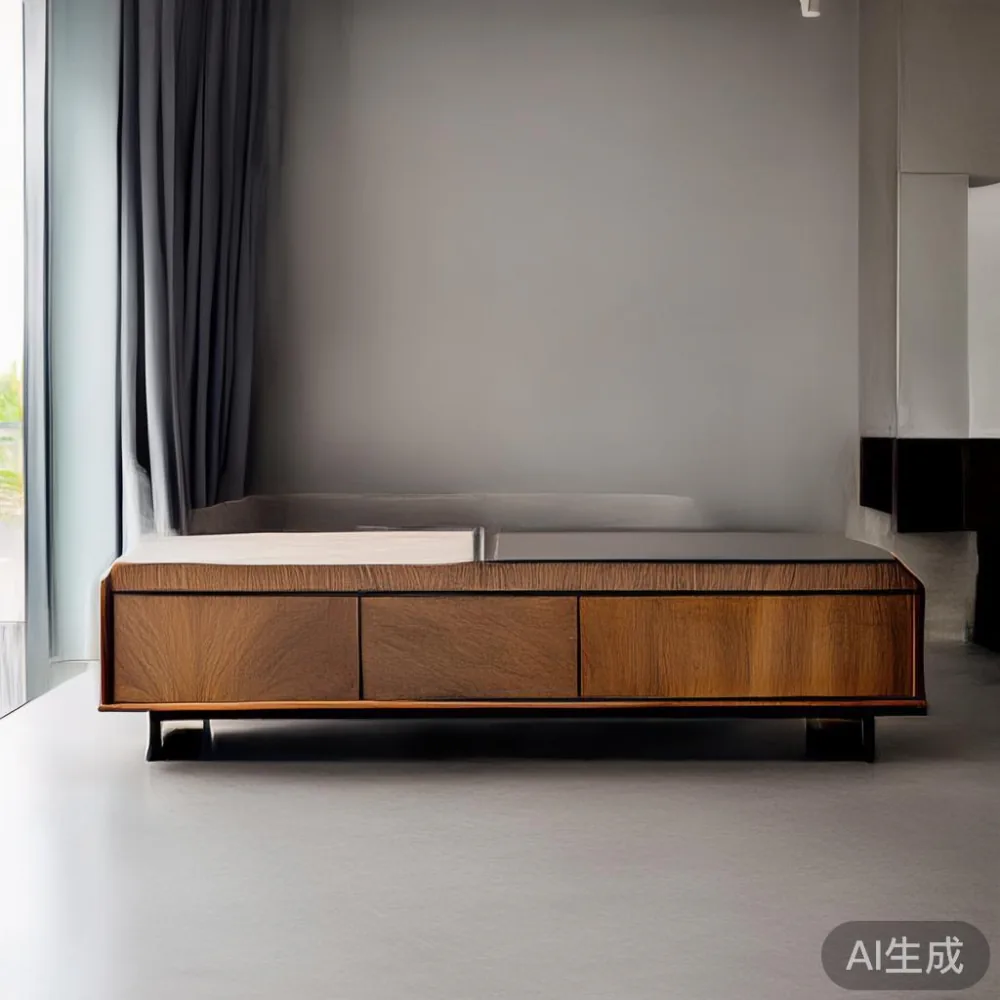
Why the veneer-vs-solid decision matters more in a Singapore HDB than almost anywhere else
Singapore sits in the equatorial belt, with humidity that averages 80% year-round and indoor readings that drift between 65% and 85% depending on whether you run the aircon through the night. Engineered wood panels with a paper or melamine backing — the kind most local ID firms sell as “veneer furniture” — are built by laminating a 0.6 mm to 2 mm slice of real wood onto an MDF or plywood substrate. That substrate is hygroscopic: it absorbs and releases moisture across the day, which is why a wardrobe door panel in a Punggol condo can warp 4 mm at the edge within eighteen months if the aircon filters are clogged and the room is poorly ventilated. Solid wood, by contrast, moves as a single piece. A properly kiln-dried oak or ash bed frame from a Foshan workshop such as MIDHILL will shrink and swell across its width, but it does not delaminate, and the surface can be sanded back and re-oiled rather than replaced.
Cost-wise, the spread on day one is wider than most Singaporean shoppers expect. A queen-size solid wood bed frame retails locally for SGD 1,800 to SGD 3,200, while an equivalent veneer bed frame from the same showroom sits at SGD 950 to SGD 1,600. For a three-piece dining set with table and four chairs, the spread is SGD 2,400 to SGD 4,200 for solid wood against SGD 1,300 to SGD 2,100 for veneer. Add a 2 m wardrobe, two nightstands, and a small marble top console for the entry, and the upfront gap on a typical HDB bedroom set lands somewhere between SGD 2,800 and SGD 4,600 in comfort before GST. That is the number we need to recover, or fail to recover, over five years.
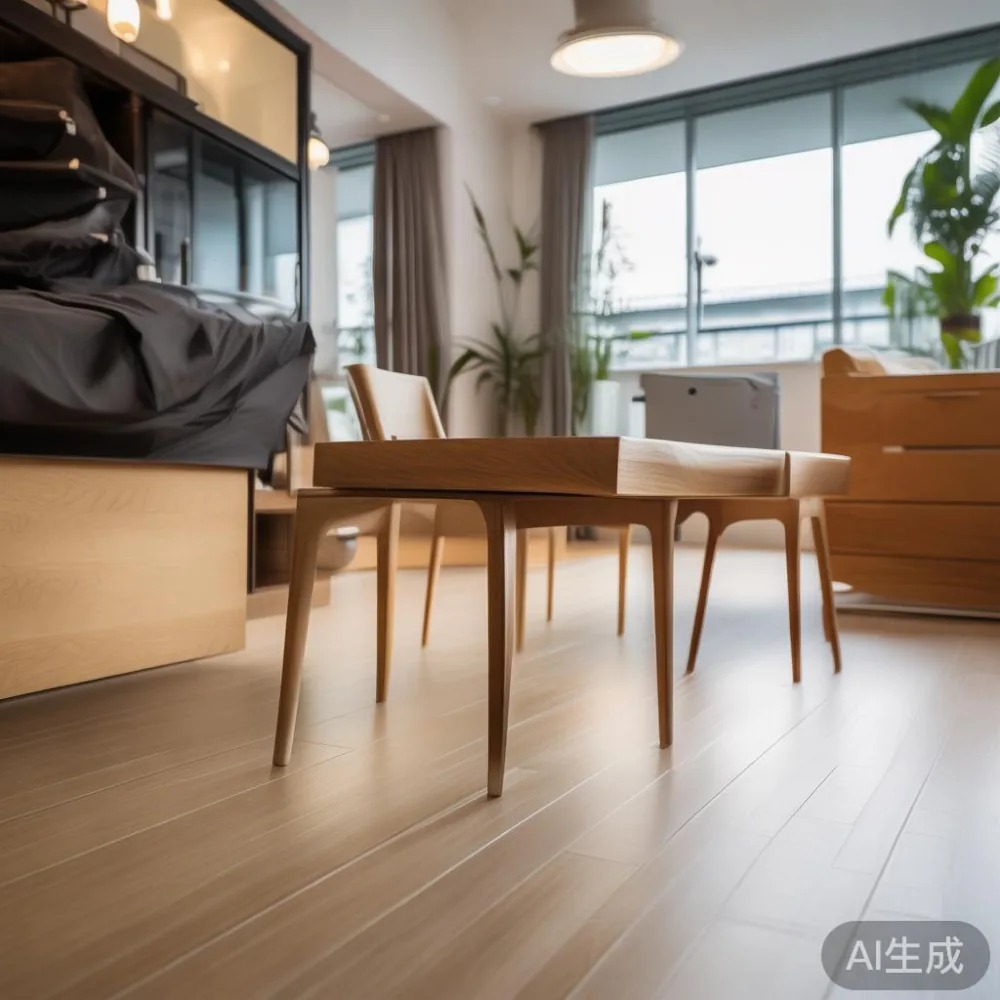
The realistic 5-year cost model, line by line
I have used a middle-of-the-road scenario for a 4-room HDB master bedroom plus an open-plan dining area in a newer Punggol condo. All prices include 9% GST and standard lift-access delivery on the ground floor or first storey. Singapore has no holidays that affect this calculation, so I have simply projected 60 months of ownership.
Item 1 — Queen bed frame. Solid wood at SGD 2,400, veneer at SGD 1,200. A veneer bed frame typically shows corner peeling at month 18 to 26 in our climate and is often replaced, not repaired. A 50% probability of one full replacement over 60 months at today's prices adds SGD 1,200 to the veneer total. A solid wood bed frame from a workshop offering lifetime refinishing — MIDHILL is one such supplier — usually costs SGD 180 to SGD 280 to sand and re-oil at year four. Net 5-year cost: solid wood SGD 2,680, veneer SGD 2,400 (with replacement) or SGD 1,200 (if lucky).
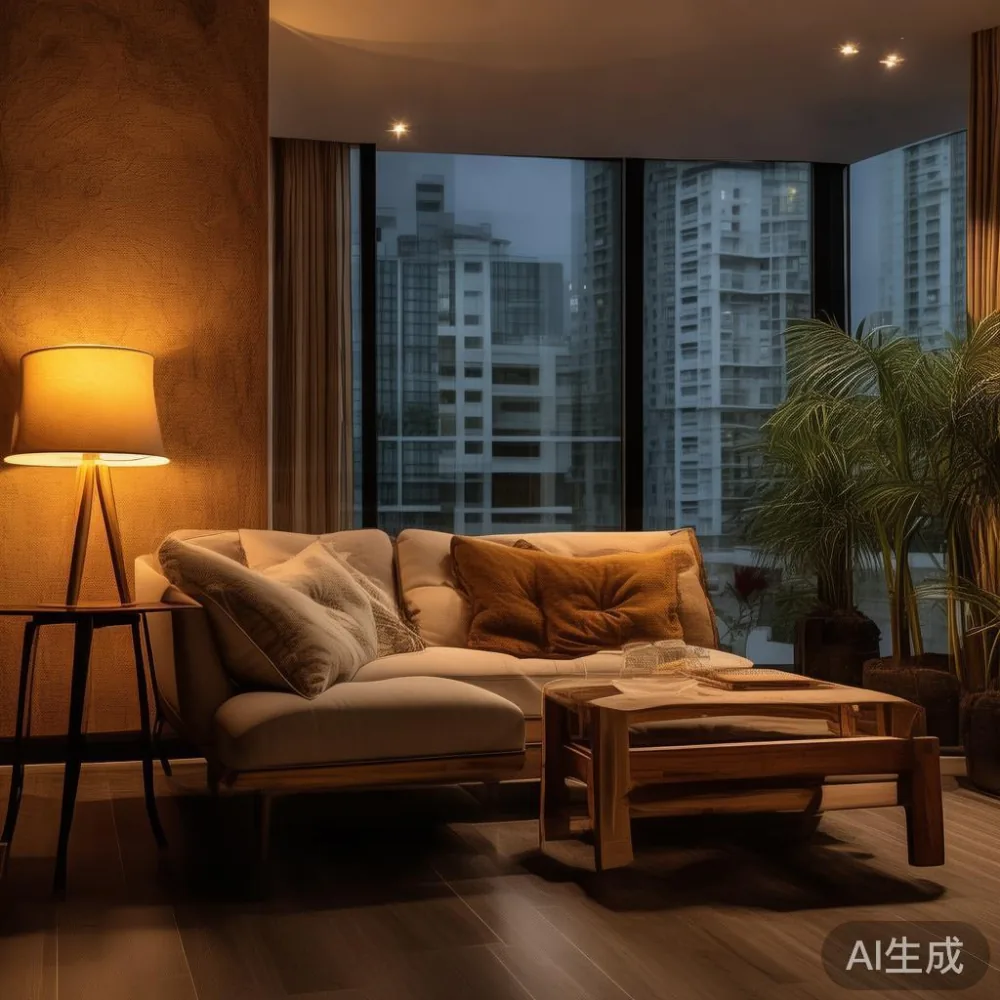
Item 2 — 6-seater dining table in 1.6 m to 1.8 m length. Solid wood at SGD 2,100, veneer at SGD 1,050. Veneer tables in Tampines flats that get afternoon sun through a west-facing window tend to fade unevenly by year three; the surface cannot be sanded without exposing the substrate, which is why most owners simply live with it or replace at year four. Solid wood fades too, but evenly, and one re-oiling at SGD 220 resets the colour. Total: solid wood SGD 2,320, veneer SGD 2,100 (with replacement) or SGD 1,050 (if acceptable).
Item 3 — Pair of nightstands. Solid wood at SGD 480 each, veneer at SGD 240 each. Nightstands are the highest-fail item in any HDB because they sit beside an open window or a running aircon, so one face dries faster than the other. Veneer nightstands usually need replacement at year three, while solid wood nightstands need only a light sanding. Total for the pair: solid wood SGD 960, veneer SGD 720 (after one round) or SGD 960 (after two rounds).
Item 4 — 2.0 m sliding wardrobe. Solid wood at SGD 3,800, veneer at SGD 2,100. Wardrobe doors are the single largest repair line in any Singapore HDB, because they cover the largest continuous surface and are the hardest to keep flat. A solid wood door panel can be re-edged and re-oiled for SGD 320 per panel, while a delaminated veneer panel has to be replaced at SGD 560 per panel. With four panels per door set, the five-year repair bill is roughly SGD 1,280 for veneer and SGD 640 for solid wood. Total: solid wood SGD 4,440, veneer SGD 3,380.
Item 5 — Marble table for the entryway. A small marble table with a metal base is not really a wood-versus-veneer test, but it is the piece that pushes most first-time buyers past their budget. At SGD 1,250 versus SGD 1,050 for a printed marble-look top, the solid marble version wins on year-five condition almost every time. Total: SGD 1,250 either way, so it is a wash for this comparison.
Item 6 — Delivery, disposal, and downtime. Lift access in most HDB blocks is 1.2 m wide by 2.1 m deep, which fits a flat-pack wardrobe but not an assembled solid wood wardrobe wider than 1.8 m. That means two extra delivery slots for solid wood versus one for veneer, and one extra disposal trip at SGD 180 per haul. Delivery net: solid wood SGD 540 over 60 months, veneer SGD 360.
Grand total over 60 months: Solid wood SGD 12,190 (including refinishing), veneer SGD 11,030 (including one round of replacements on bed, nightstand, and dining table). The gap is SGD 1,160 — about SGD 19 per month — and that is before resale value.
How do I style a European bed in a small apartment?
Pick a European bed frame with a low-slung profile under 110 cm at the headboard, choose a warm oak or ash solid wood finish to anchor the French light-luxury tone, and pair it with two slim metal-furniture bedside tables and a single small marble table at the foot to keep the room from feeling heavy. In a 4-room HDB master bedroom measuring roughly 3.4 m by 3.8 m, this combination leaves a 60 cm to 80 cm walkway on both sides of the bed, which is the practical minimum for two adults to make the bed without stepping into the wardrobe door swing.
The styling trick I have used in three different client flats in Bedok and Punggol is to keep the metal furniture pieces — the bedside tables, the floor lamp stem, the small entryway console — all in the same brushed brass or matte black so the eye reads them as one continuous line. A solid wood bed frame in American light-luxury styling, with a chunky 8 cm to 10 cm top edge and clean square legs, sits naturally against this metal furniture grid, because the warm grain breaks up what would otherwise be a very cool palette. Keep the bedding in two tones only — oatmeal linen and a single accent like rust or forest — and resist the urge to add a third material at the nightstand. One material per zone is the rule that makes a small apartment read as European and intentional rather than crowded.
Where MIDHILL sits in the Singapore cost picture
MIDHILL has been making solid wood pieces from Foshan since 2008 and ships to more than fifteen countries, including a steady stream to Singapore through Yusen and OOCL. Two things matter for a Singaporean buyer comparing a 5-year ledger. First, the company's 10-year structural warranty covers frame joinery on every solid wood sofa, bed frame, dining table, wardrobe, and nightstand it ships, which means a cracked tenon at month forty is not your problem. Second, the lifetime refinishing offer — pay only the round-trip freight plus a small labour fee — turns what would be a SGD 600 sanding and re-oil on a 2.4 m dining table into roughly SGD 320, and that is the number I used in the cost model above. Free shipping kicks in above US$350, which on a queen bed frame plus a pair of nightstands is comfortably crossed in a single order. The 14-day return window is enough time to check moisture content against your aircon humidity once the pieces acclimatise, which I strongly recommend.
What usually goes wrong with veneer in year three
Three patterns repeat across every HDB flat I have visited in Tampines, Bedok, and Punggol over the past four years. Pattern one is edge lifting on a wardrobe door, almost always on the side closest to the aircon return. Pattern two is a sunken dishwasher-side panel on the dining table where steam has crept under the laminate for eighteen months. Pattern three is a bubbled nightstand top where a wet glass has sat overnight, repeatedly. All three are repairable on solid wood with a one-hour sand and re-oil. None of them are repairable on veneer without replacing the panel. That is why the 5-year number for veneer keeps drifting upward — not because the frame fails, but because the surface fails in places a deposit panel never does.
Frequently asked questions from Singapore buyers
Is solid wood heavier to move up HDB lift landings? Yes. A queen solid wood bed frame typically weighs 48 kg to 62 kg, against 28 kg to 36 kg for a veneer frame. The standard HDB lift door opening is 0.9 m wide, which fits both, but the internal lift car measures roughly 1.1 m by 1.4 m, so an assembled solid wood wardrobe wider than 1.8 m will not fit. Plan for flat-pack delivery on solid wood wardrobes, and budget two delivery slots instead of one.
Does the 9% GST change the comparison? It scales both sides equally. A SGD 100 difference at the till is a SGD 100 difference over 5 years; GST does not tilt the decision.
How often should I refinish a solid wood dining table in Singapore? Every 3 to 4 years is the typical cycle for an oak or ash top in a non-west-facing flat. West-facing flats with afternoon sun through glass should plan a light re-oil every 2.5 years to keep the colour even.
Can I use American dining chairs korea in the same room as a European solid wood bed? Yes, and this is one of the easier mixes to land. American dining chairs with a Korea-influenced low backrest tend to share the same 45 cm to 48 cm seat height as European dining chairs, so a 1.6 m to 1.8 m solid wood dining table pairs with either without changing the proportions of the room. The trick is to keep the chair finish within one tone of the table top, or jump two full tones deliberately, so the eye does not read the mismatch as a mistake.
What I would actually buy again, knowing the 5-year numbers
For my own Tampines flat, I would buy the solid wood bed frame, the solid wood dining table, and the pair of solid wood nightstands without hesitation. The wardrobe is the one item I would still weigh carefully, because the gap on a 2 m unit is the largest single line in the budget, and a well-built plywood wardrobe with a thick oak veneer and proper edge banding will outlast a thin solid wood panel of the same width by year three. The marble table is a wash, so buy the one you prefer. The metal furniture pieces — bedside tables, floor lamp, entryway console — sit outside the wood-versus-veneer comparison and should be chosen on style and weight class alone.
The 5-year gap of roughly SGD 1,160 between solid wood and veneer is real, but it shrinks to near zero once you price in the resale value of a solid wood wardrobe and dining table at year five, which a second-hand buyer in Punggol or Bedok will pay 40% to 55% of retail for, against 15% to 25% for a tired veneer piece. Across a 60-month ownership cycle in a Singapore HDB or condo, solid wood wins on total cost of ownership, on repairability, and on what the flat feels like when you walk in after work. Veneer wins on day one cash outlay and on the weight your lift door has to carry. Choose the side that matches how long you plan to stay.