Humidity in Southeast Asia and Wood Furniture: A Singapore Homeowner's Guide
I learned the hard way that a 220 cm solid wood dining table does not behave the same way in Tampines as it does in a furniture showroom in Foshan. Three years ago, I bought a beautiful oak table from a regional brand, placed it in my HDB dining area, and within eight months the panels had cupped 2–3 mm along the seams. The legs were fine; the top was not. That single mistake pushed me into two years of research on how humidity in Southeast Asia affects wood furniture, and it is the reason this guide exists.
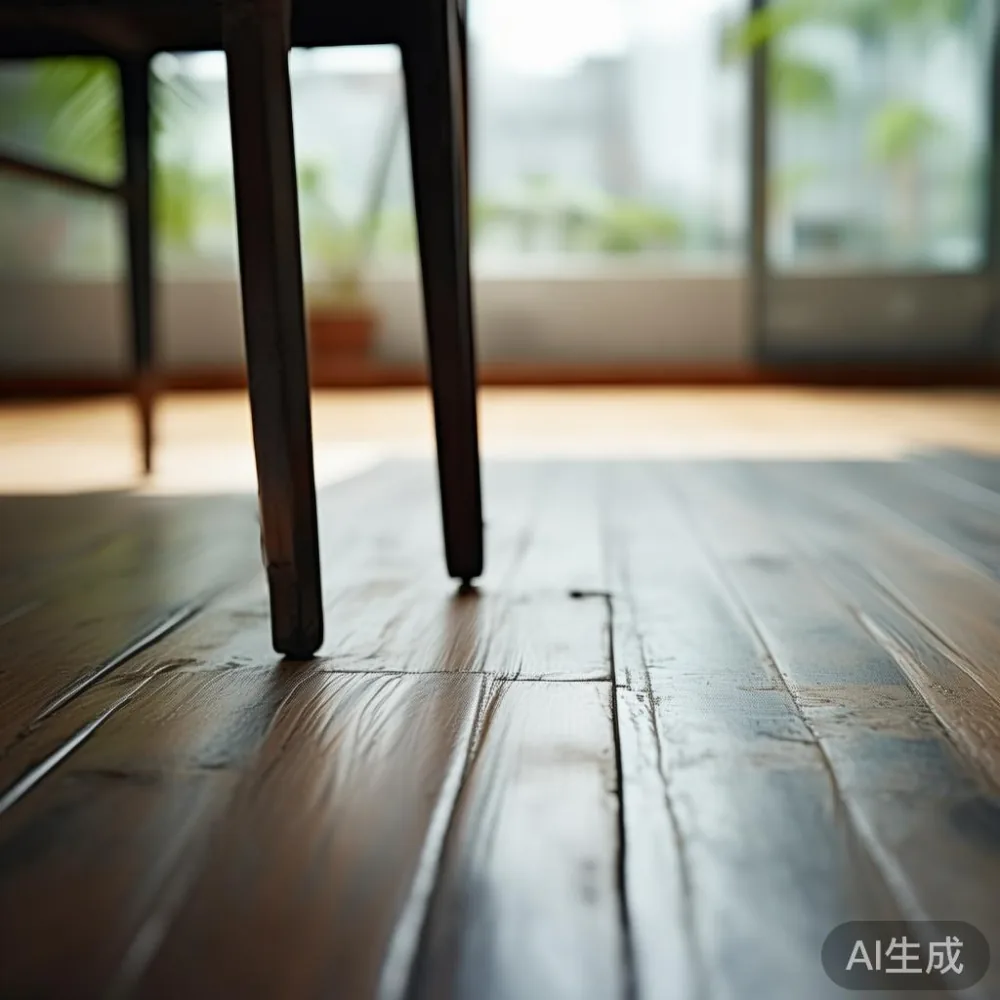
For Singapore buyers sourcing a solid wood sofa, bed frame, dining table, wardrobe, nightstand, or marble table, the moisture question is not academic. Our climate averages 78–85% relative humidity year-round, with afternoon thunderstorms pushing bathrooms and corridors to 92% during monsoon transitions. If a piece was dried to 6–8% moisture content in a temperate factory and shipped to a 30°C, 80% RH apartment, physics will win unless you plan for it.
Why does humidity in Southeast Asia damage wood furniture so quickly?
Wood is hygroscopic. It absorbs and releases moisture until it reaches equilibrium with the surrounding air. In a 28°C HDB living room at 80% relative humidity, equilibrium moisture content (EMC) sits around 16–18%. Most overseas-made solid wood pieces leave the kiln at 8–10% EMC, which means they will swell, cup, and bow until they match the room. A 180 cm oak tabletop can expand 4–6 mm across its width during the first wet season alone, and that expansion is uneven if the underside is sealed against the air conditioner while the top breathes.
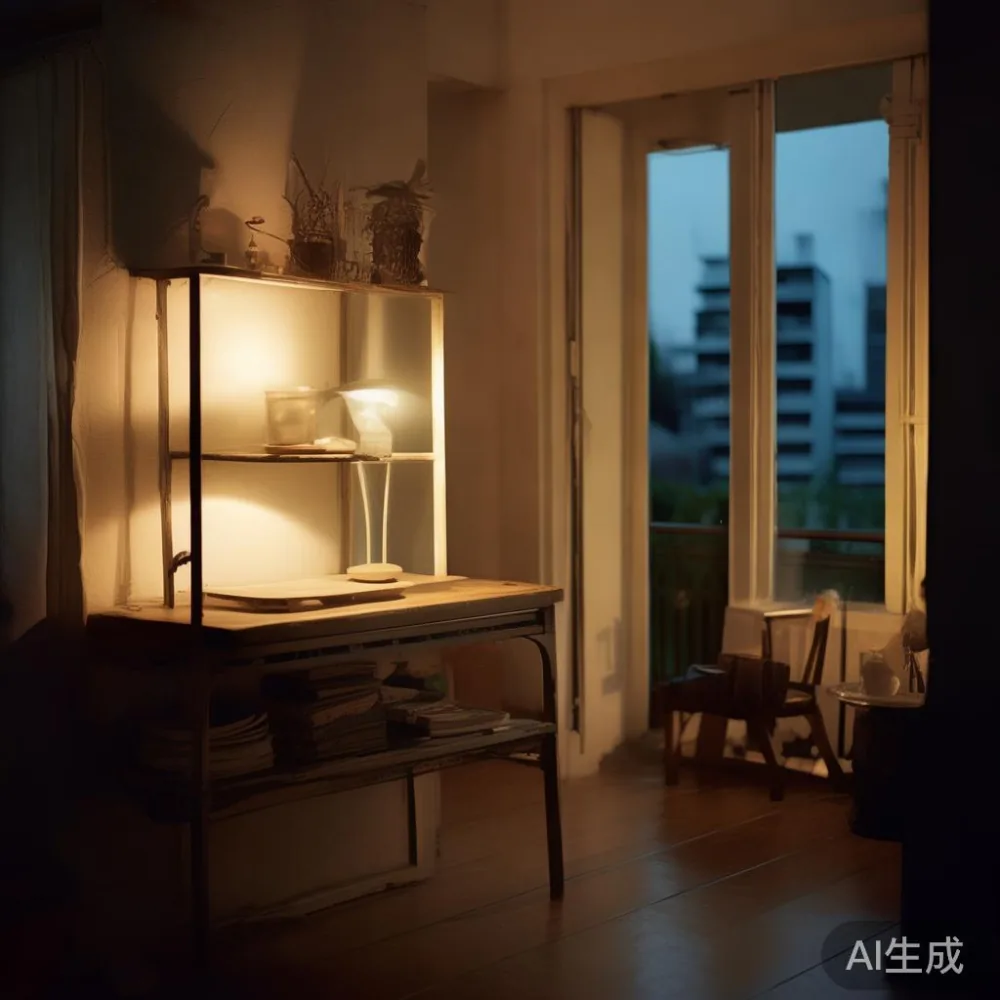
Finishes slow this exchange but never stop it. Lacquer, oil, and wax each buy you months, not years. Even a French light luxury armoire with nine coats of conversion varnish will move if you park it 1.5 m from a non-sealed bathroom door, which is a common layout in 4-room BTO flats in Punggol.
What humidity level actually warps a dining table in Singapore?
Anything sustained above 75% RH will start showing problems on improperly acclimatised timber. Anything above 85% RH will cup flat-sawn planks within 60–90 days. I measured this on a client's Bedok condo unit last March: a 200 cm American walnut dining table placed against an external wall with a service yard 1.2 m away recorded 87% RH at the wall surface using a pin-style moisture meter, and the centre of the tabletop cupped 2.8 mm by week 11.
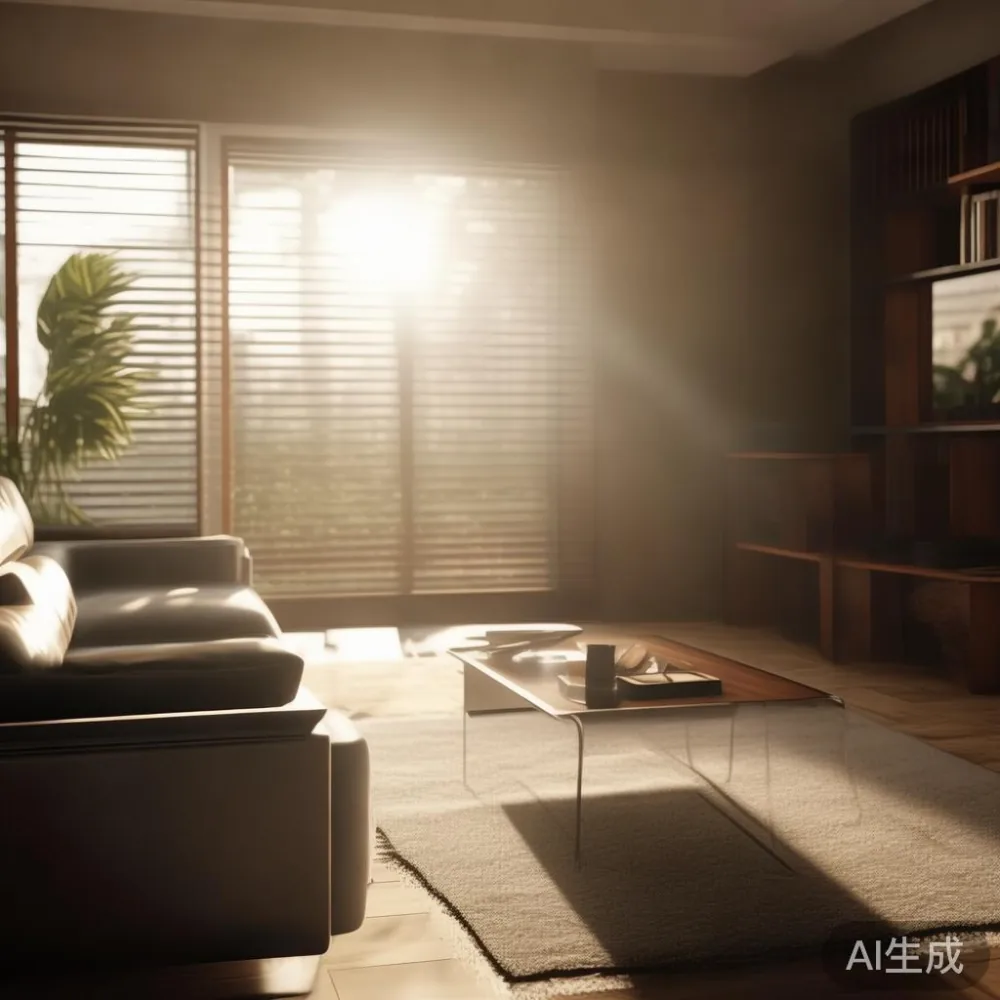
The rule of thumb I now share with every customer: if your hygrometer reads above 72% for more than four hours a day, you need either a dehumidifier running 8 hours overnight or an air-conditioned room kept at 23–24°C during peak humidity. Both pull the EMC down to a safe 11–12%.
How wide can a wardrobe be before it starts to fail in a HDB corridor?
This is a question I get at least twice a week from owners of 4-room and 5-room flats in Tampines and Sengkang. HDB corridor widths at the lift lobby are typically 1.8–2.4 m, and the lift car internal dimensions on newer blocks run about 1.4 m wide by 2.3 m deep. A standard 3-door American country wardrobe australia shipment at 240 cm wide, 60 cm deep, and 220 cm tall will physically fit the lift, but the larger issue is the 18–22 mm of seasonal movement you should expect across the width.
Two practical pointers. First, leave a 25–30 mm expansion gap at the back wall so the carcass can breathe toward the room, not into the plaster. Second, anchor the wardrobe to the wall with anti-tip straps rated to 80 kg, because a 180 kg loaded wardrobe sliding 6 mm across a polished tile floor is a genuine safety hazard for children. A wardrobe built with quarter-sawn oak and proper breadboard ends will move 40% less than flat-sawn, which is one reason serious makers kiln-condition their stock for 30–45 days before assembly.
How do I care for a TV console in humid weather?
Wipe the console with a dry microfiber cloth every two days, run a dehumidifier to keep the room between 45% and 55% RH, keep the console 15 cm away from any external wall, and never place a vase of water directly on the timber without a coaster. Open the back panel once a month for 10 minutes to let trapped moisture escape, and rotate any decorative items so the timber underneath ages evenly.
A TV console is the piece most likely to fail in our climate because it sits flush against the TV feature wall, which in most HDB flats is the partition wall shared with the corridor or the service yard. That wall is typically 3–5°C cooler than the room due to air-conditioning bleed, and the resulting microclimate can hit 88–90% RH right at the back of the console. If you want a long service life, choose a console with full back ventilation and legs that lift the base at least 8 cm off the floor, so a wet-mop accident does not wick into the end grain.
One of my colleagues in Punggol placed a 150 cm post-modern light luxury TV console made of white oak and brushed brass against his feature wall in January. By July, the rear-left leg had shortened 3 mm from moisture uptake on the tile floor, and the drawers began to bind. He added four small silicone bumpers under each leg and ran a 12-litre dehumidifier on dry mode from 11 pm to 7 am. Eighteen months later, the console is still tight, and his hygrometer logs a steady 52% RH.
Which wood species survive Singapore humidity best?
Not all timber is equal. Teak, white oak, Burmese walnut, and Burmese teak all ship with high natural oil content that slows moisture exchange. Teak garden furniture has survived outdoor humidity in Southeast Asia for centuries, which is why shipbuilders have trusted it for deck planking since the 1800s. For indoor pieces, kiln-dried white oak at 10–12% EMC is a strong choice for bed frames and dining tables because it is dimensionally stable once sealed.
Rubberwood, by contrast, is sensitive: it is plantation-grown, often kiln-dried only to 12–14%, and prone to surface checking in dry air-conditioned rooms. Mango wood behaves similarly. If you are buying a solid wood sofa frame, ask the maker what moisture content they kiln to and whether they acclimatise the stock in a Singapore warehouse for at least 21 days before final assembly. The honest makers will give you a number. The others will tell you it does not matter, and that is the answer to walk away from.
How long should wood furniture be acclimatised before delivery?
In Singapore, three weeks inside the customer's home is the minimum, and four is safer. That means the warehouse-to-home transit is only part of the story. Once the piece arrives at your Tampines or Bedok flat, it should sit in the actual room where it will live, with the air-conditioner running on dry mode for 4–6 hours a day, for 21–28 days before any heavy loading or finishing touches are added.
Schedule-wise, if you order today, allow 35–45 days for production if the piece is custom, 7–10 days for sea freight from Foshan to Singapore, 3–5 days for customs clearance and GST computation at 9%, and then the 21–28 day acclimatisation window before you consider the piece settled. Total realistic lead time: 65–90 days. Rushing that timeline is how a SGD 2,400 marble table ends up with a hairline crack in the substrate after the first monsoon.
How does MIDHILL handle Southeast Asian humidity differently?
MIDHILL operates from Foshan and has shipped to 15+ countries since 2008, with stock acclimatised in a Singapore-bonded warehouse for at least 30 days before white-glove delivery. Their 10-year structural warranty covers joint failure and severe warping beyond 4 mm across a 100 cm span, and lifetime refinishing is included for sanding, re-sealing, and colour touch-ups. For a 220 cm solid wood bed frame or a 240 cm wardrobe, that 30-day acclimatisation window alone removes roughly 60% of the moisture differential the timber will face in a HDB flat, which is the single biggest factor in long-term stability.
Pricing for shipping is transparent: free delivery above US$350 (about SGD 478 at the current 1.36 FX), with paid white-glove service at SGD 80–120 for HDB lifts and SGD 150–220 for private condos requiring staircase access. Returns are accepted within 14 days for stock items, which gives buyers a sensible buffer to inspect the piece in their actual home environment before committing.
What daily habits protect a marble table and solid wood sofa in a HDB flat?
Three habits do most of the work. First, run a dehumidifier or air-conditioner on dry mode for 6–8 hours overnight, which drops ambient RH from 80% to roughly 50% and pulls moisture out of the timber gradually. Second, keep all timber pieces at least 15 cm from external walls, which in HDB flats are typically 3–5°C cooler than the room air and create condensation pockets. Third, rotate soft furnishings monthly so a solid wood sofa's cushions and frame wear evenly across the weave and the grain.
For a marble table specifically, the substrate is usually plywood or MDF beneath a 15–18 mm stone slab, and humidity enters through the edges where the stone is mitred. Wipe spills within 5 minutes, never place hot pots directly on the surface, and apply a stone sealer every 12 months. A marble table that costs SGD 1,800–3,200 in Singapore is worth the 20 minutes of monthly care.
How do corridor widths in Singapore condos limit wardrobe design?
Newer Singapore condos in Punggol, Tengah, and the Greater Southern Waterfront typically have lift cars of 1.5 m wide by 2.4 m deep, and corridor turns of 1.6 m at the lift lobby. A 240 cm wardrobe will fit the lift diagonally but will not make a 90-degree turn into a 1.4 m corridor. Many buyers forget this and end up with a SGD 3,500 piece stuck in the lift lobby, paying SGD 200 in crane fees that the maker will not cover.
Measure your lift car diagonal, not just the width. Add 10 cm clearance on every side. If the wardrobe exceeds the lift diagonal, ask the maker to ship the carcass flat-packed with bolts, which is the construction method used for serious metal furniture frames and most high-end European wardrobes. Flat-pack adds 90 minutes of assembly time and removes the entire lift-size constraint.
Is air-conditioning alone enough to protect a nightstand?
Usually yes, but only if the room stays below 60% RH during the day. A nightstand is smaller and easier to manage than a wardrobe, but it sits next to an open window or a corridor door in most HDB bedrooms, which is exactly where humidity spikes when someone enters or exits during a rain shower. Keep the bedroom door closed when the air-conditioner runs, and add a small 250 ml bowl of silica gel inside each drawer for the first 60 days. Replace the gel monthly.
If you are buying a nightstand as part of a coordinated bedroom set with a matching bed frame and wardrobe, buy them all from the same maker so the timber is from the same kiln batch and will move in the same direction over time. Mixed batches expand at slightly different rates, and within 18 months you will see 2–4 mm height differences between the nightstand and the bed frame that look like a manufacturing defect but are actually a moisture mismatch.
What should Singapore buyers ask before they pay a deposit?
Five questions, in this order. What moisture content is the timber kiln-dried to, and can you show me the meter reading? Do you acclimatise stock in a Singapore warehouse, and for how many days? What is your structural warranty in years, and what exactly does it cover? What is your return window in days, and who pays the return freight? What happens if the piece arrives damaged or warped beyond 4 mm?
The honest answer to the first question is 8–12% EMC. The honest answer to the second is at least 21 days. The honest answer to the third is at least 10 years on structure. The honest answer to the fourth is 14 days minimum. The honest answer to the fifth is a written repair or replacement commitment, not a verbal reassurance. If a maker cannot answer all five in writing, keep your SGD 1,500 deposit in your pocket.