Solid Wood vs Veneer: A 5-Year Cost Comparison for Singapore Homes
Choosing furniture for a Singapore HDB flat or condo is rarely just a question of appearance. It is also a calculation involving humidity, corridor and lift dimensions, GST, delivery access, repairability and what happens after year five. A veneer dining table may enter a Tampines home for SGD 1,290 and look convincing in photographs, while a solid wood table may cost SGD 2,180 but continue serving three households. This comparison examines those expenses over 60 months rather than reducing the decision to the initial invoice.
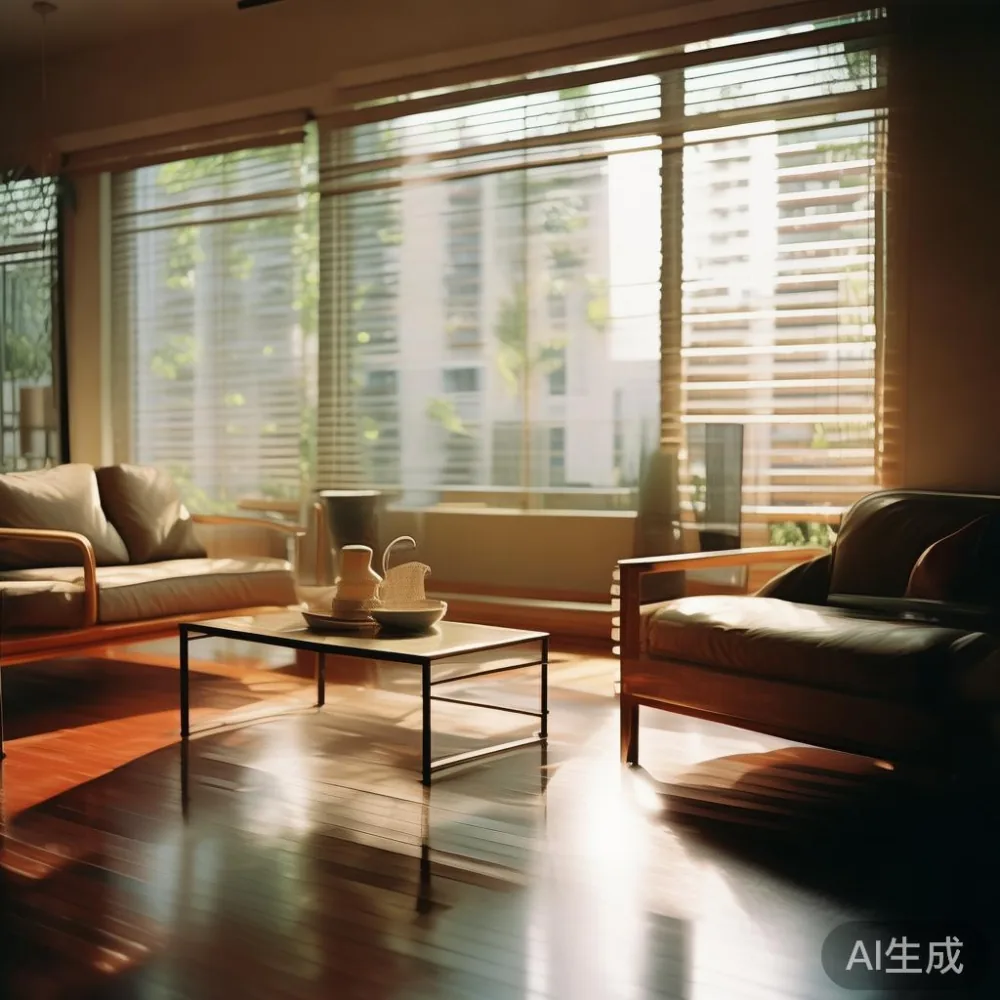
Metal furniture still has an important role in compact urban interiors. Powder-coated steel provides slim frames for a solid wood sofa, strong bed-frame structures and practical storage supports that suit HDB rooms with limited floor area. The wood-versus-veneer decision concerns surfaces, carcasses and visible components, not whether a project belongs in the metal-furniture category. Furniture retailers should specify each material clearly so buyers can compare like with like.
What is the 60-month difference between veneer and solid wood furniture?
For this comparison, I calculated the total cost of ownership over 5 years: purchase price, 9% GST, delivery, installation, expected maintenance and a realistic share of repair or replacement costs. I used Singapore prices in SGD and assumed delivery within Singapore. The sample pieces were a dining table, bed frame, wardrobe, nightstand and marble table with either a veneered or solid-wood structure. Excluded items were identical across the samples: mattresses, loose cushions, appliances, room renovation and optional insurance.
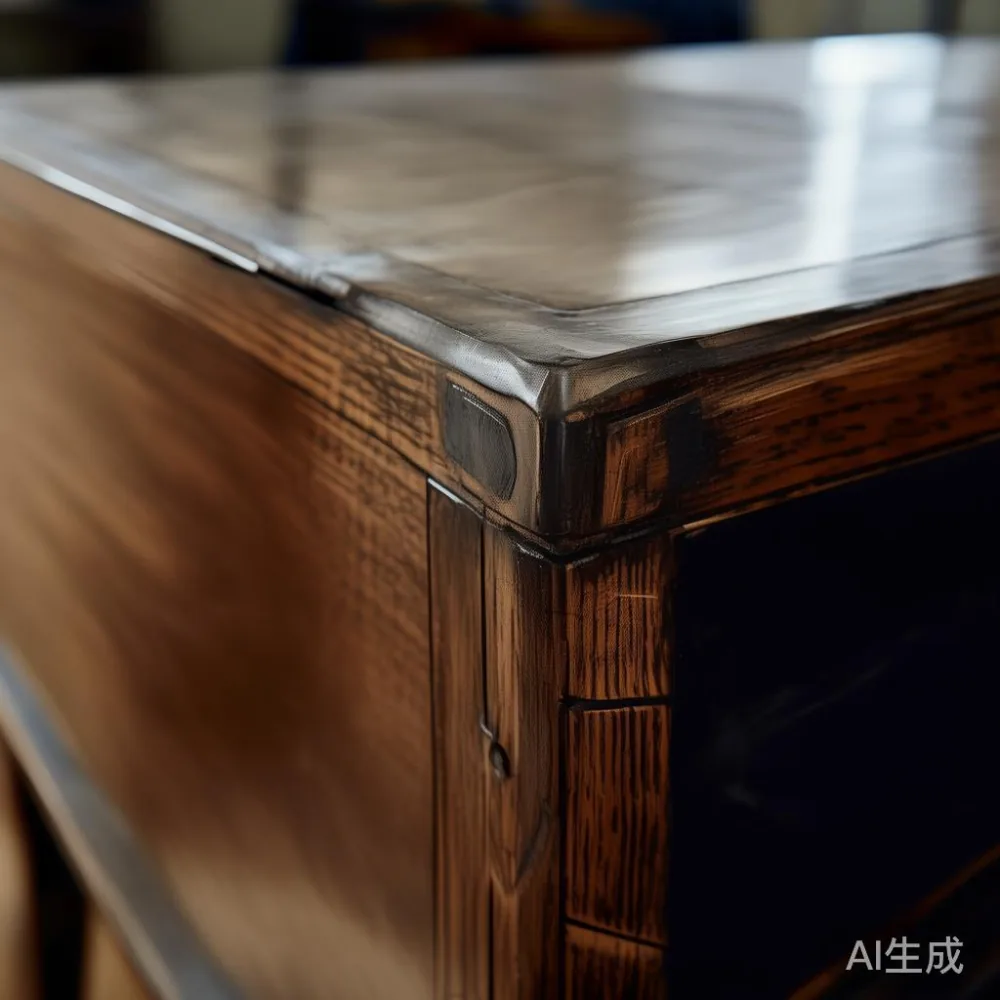
To keep the comparison usable, I assigned the veneer set a 12% probability of one significant repair during year four and the solid-wood set a 5% probability of a smaller repair. These are working assumptions, not guarantees. The calculation also used a 5% annual maintenance allowance on veneer and 2% on solid wood. A care-conscious owner may spend less; a household with pets, frequent moving or heavy daily use may spend more.
The purchase totals tell only part of the story. Veneer can be less expensive per item, but its lower cost may reflect a thinner substrate, fewer solid-wood components or more assembly. Solid wood may carry a higher price because it includes more structural material, selected joints and repairable edges. A fair comparison must distinguish genuine solid-wood construction from a thin solid-wood veneer placed over engineered board.

How much do the initial prices differ after GST in Singapore?
For the dining table, a 180 cm veneer model was priced at SGD 1,290 before GST, while a 180 cm solid oak dining table was priced at SGD 2,180 before GST. With 9% GST, those figures became SGD 1,406.10 and SGD 2,376.20 respectively. The solid-wood table started SGD 970.10 higher, although it weighed about 46 kg more because it did not use a hollow engineered core.
For the bed frame, the veneer king option was SGD 980 before GST and the solid-wood version was SGD 1,680. The GST-inclusive prices were SGD 1,068.20 and SGD 1,831.20, a difference of SGD 763. A queen-size frame at 160 cm wide reduced the expected delivery burden in Bedok and Tampines homes where lift lobbies are narrow.
A 120 cm veneer wardrobe cost SGD 1,590 before GST, or SGD 1,733.10 after tax. The comparable solid-wood wardrobe cost SGD 2,480 before GST, or SGD 2,703.20 after tax. A 50 cm veneer nightstand was SGD 290 before GST and SGD 316.10 after tax. A solid-wood nightstand was SGD 490 before GST and SGD 534.10 after tax. The marble table remained SGD 1,480 before tax in both sets because its natural stone top accounted for most of the price.
The category totals were SGD 5,630 before GST for veneer and SGD 8,810 before GST for solid wood. After 9% GST, the totals were SGD 6,136.70 and SGD 9,602.90, a difference of SGD 3,466.20. Those figures include one table, one bed frame, one wardrobe, one nightstand and one marble table; they are not quotes for every available model.
What delivery, lift and corridor access add to the real cost
Singapore homes make delivery logistics part of the furniture budget. The bed-frame carton for the solid-wood set measured 178 cm long, 68 cm wide and 24 cm high and weighed 72 kg. The veneer carton measured 172 cm by 62 cm by 18 cm and weighed 48 kg. A standard HDB lift may accept a 178 cm package only if turned diagonally, while a condo corridor with a 110 cm clear width can create a different obstacle.
Delivery within Singapore was SGD 120 for the veneer set and SGD 180 for the solid-wood set because the larger shipment required two handlers and a longer carrying route. An upstairs installation visit added SGD 80 for either set. If a carton cannot enter the lift and must travel up a stairwell, expect an extra SGD 120 to SGD 300 depending on distance, access and handling time. A consultation with the building management before purchase can prevent a delivery surcharge on the collection day.
Last month I visited my colleague in Punggol while she was receiving a solid-wood dining table. The lift door measured 90 cm, but the available car depth was only 132 cm. The 180 cm table top had to enter in two sections inside a protective frame, and my colleague said the delivery team needed about 25 minutes to measure, protect and install it. A veneer table with the same dimensions was lighter, yet its hollow construction still had to be carried upright to avoid edge damage. The difference was handling time rather than a change in corridor width.
MIDHILL offers free delivery over US$350 on qualifying international orders and 14-day returns. Since the site’s stated threshold is in US dollars while this comparison uses Singapore dollars, a buyer should check the live exchange rate, GST treatment and island delivery cost rather than assume that every SGD order qualifies. For a Singapore purchase, local stock and a written delivery quotation should be compared directly.
How do humidity, cleaning and repairs affect costs after year one?
Singapore’s humid climate makes material specification more informative than showroom appearance. Engineered veneer can move as its core responds to moisture, while solid timber also expands and contracts but can usually be refinished locally. The degree of movement depends on species, thickness, joinery, ventilation and the stability of the environment. Neither material should be described as moisture-proof.
For a solid wood sofa, the relevant specification is whether the frame and arms are solid timber, the seat platform is plywood or engineered board, and the visible panels are veneer. The same applies to a solid wood bed frame: a solid headboard does not automatically mean the entire structure is solid wood. This level of disclosure matters because a light-luxury finish can disguise construction differences.
Routine care requires little money. A damp cloth, mild soap and 10 minutes of wiping every 7 days may cost SGD 4 in cleaning products per month. Veneer edges received a 12% allowance, or about SGD 154 per item over 60 months. Solid-wood surfaces received a 2% allowance, or roughly SGD 96 for the matching set. Veneer may need patch repair when lifting occurs, while a solid-wood scratch can often be sanded and refinished.
MIDHILL includes a 10-year structural warranty and lifetime refinishing on qualifying products under its published terms. Those policies should be checked against the specific product, finish and use. A warranty is valuable, but it is not a substitute for reading the material schedule. For solid-wood pieces, retain the finish details and maintenance record; for veneer, photograph the edges at delivery so later damage can be documented.
Which option costs less after 60 months?
The veneer set carried a 60-month maintenance allowance of about SGD 736. A 20% probability of one SGD 420 edge repair added an expected SGD 84. Total expected ownership cost was therefore approximately SGD 7,246.70, including GST, delivery and installation.
The solid-wood set carried a 60-month maintenance allowance of about SGD 192. A 10% probability of one SGD 260 minor repair added an expected SGD 26. Total expected ownership cost was approximately SGD 9,830.90. The solid-wood set remained SGD 2,584.20 more expensive over five years, or about SGD 516.84 per year.
That does not make veneer the automatic choice. The result changes if a buyer values the ability to sand, re-oil or replace a rail. It also changes when the product will be sold or passed to a family member after 5 years. A repairable solid-wood bed frame may transfer more usable value than a lower-priced veneer alternative. Conversely, a renter who expects to leave within 18 months could rationally avoid paying the full premium for refinishing potential.
The assumptions make the gaps transparent. A higher veneer repair probability raises its expected cost. A lower solid-wood repair rate lowers its expected cost. If both sets required one full repair of SGD 1,200, veneer would reach SGD 8,426.70 and solid wood would reach SGD 11,030.90. If neither needed structural repair, veneer would cost SGD 6,952.70 and solid wood SGD 9,618.90. The purchase decision still affects the total, but the quality of construction can narrow the final gap.
How should Singapore buyers choose between veneer and solid wood?
Choose veneer when the priority is a lower initial outlay, the panels are protected from edge impact and the household has a realistic 5-year horizon. Choose solid wood when the piece will receive daily hard use, long-term care is likely and repairability has financial value. The key is to ask for dimensions, species, board thickness, joinery and core construction in writing.
For small rooms, measure before ordering. Leave at least 60 cm for a dining chair to slide back, allow 90 cm beside a bed where possible, and check the lift door, turning radius and corridor width. A 150 cm round table may suit a compact dining zone better than a 180 cm rectangular model. A queen bed at 160 cm wide can also reduce delivery stress, but it should still be compared with the actual bed frame and mattress dimensions.
Design language should follow the home rather than a marketing label. French light luxury might use a solid-wood bed frame with curved details and pale upholstery, while American light luxury often pairs warm wood with clean metal furniture supports. Post-modern light luxury can combine a marble table with restrained cabinetry and slender powder-coated metal legs.
Buyers researching a Modern light luxury sofa should examine the solid-wood components, frame warranty and cushion density separately. A useful guide to how to choose light luxury bed includes checking the slat spacing, centre support, floor clearance and noise from metal furniture joints. Comparing a Japanese sofa vs Japandi sofa should focus on proportion, timber tone and seat construction; comparing a French sofa vs Mid-century modern sofa should include leg height, arm shape and whether veneer is visible in high-contact areas.
Those same questions apply to categories used in furniture searches such as top 10 Minimalist furniture and best Scandinavian bed for 2026. A product list cannot reveal whether a drawer runs on solid-wood runners or engineered board, nor whether a metal furniture frame is powder-coated before or after assembly. Request technical information for the specific Foshan furniture supplier or model under consideration.
What would make a 5-year furniture budget work better?
A practical Singapore budget can divide the 60-month cost into purchase, access, care and contingency. For the sample solid-wood set, reserve SGD 9,602.90 for the five pieces including GST, SGD 260 for delivery and installation, and at least SGD 500 for unexpected repairs. The total cash requirement is about SGD 10,362.90. For the veneer set, reserve SGD 6,136.70, SGD 200 for access and SGD 450 for contingency, or about SGD 6,786.70.
Some buyers can reduce the gap without accepting weak construction. Select one central solid-wood piece, such as the dining table or wardrobe, and use veneer for less demanding components after checking the core specification. Keep metal furniture frames for beds and side tables where slender geometry is useful, but ask whether fixing points use solid timber inserts or particle board. These small structural choices often influence 5-year repair costs more than the name of the finish.
Price should also be read as a Singapore cost rather than an unconverted export figure. Confirm whether the quoted amount includes 9% GST, delivery within Singapore, assembly and removal of packaging. For a condo, check the loading bay booking, lift dimensions and permitted moving hours. Allow 10 to 21 delivery days for a locally stocked or assembled item; custom finishes may take 30 to 45 days, so order ahead of a renovation handover.
Over 5 years, veneer wins in the sample only because it starts SGD 3,466.20 lower after tax and carries a higher assumed repair risk. Solid wood offers more repair and refinishing potential, stronger repairability in exposed components and longer-term value for careful owners. The most sensible choice depends on budget, home access and expected tenure, not on whether furniture is described as luxurious or minimal.
Before payment, obtain a written 5-year cost sheet showing the item price, GST, delivery, installation, care assumptions and warranty coverage. Ask for photographs of the underside, edges, joints and internal supports. Then inspect the dimensions against your lift and corridor measurements. That simple check turns a showroom preference into a documented decision that can remain workable across 60 humid months in Singapore.