Metal Sofa Buying Guide: Singapore Insights
In the world of online furniture shopping, the experience of sinking into a plush sofa before purchase is often missed. For those in Singapore, working through the purchase of a large piece like a sofa without a physical trial requires a different approach. Whether you live in a compact HDB flat in Tampines, a modern condo in Punggol, or a spacious unit in Bedok, your new sofa must fit your space, your lifestyle, and your aesthetic. This guide provides a detailed checklist, focusing on practical, measurable criteria to ensure your online sofa purchase is a success. We will explore how to evaluate dimensions, materials, construction, and logistics, all tailored to the unique context of Singaporean homes.
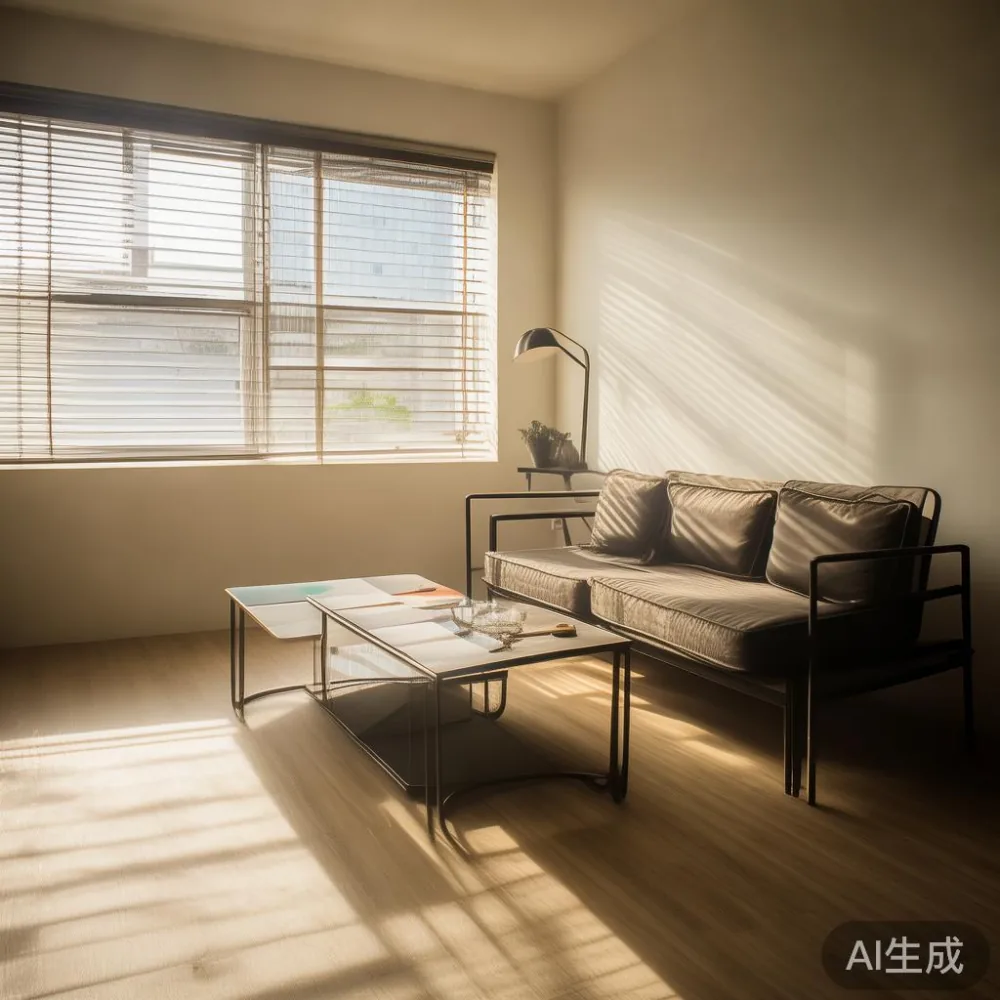
Why Can't You Sit on the Sofa Before Buying?
The primary reason many buyers cannot physically test a sofa is the shift towards e-commerce. Brands like MIDHILL, a Foshan-based manufacturer with a strong export presence, showcase their products online, allowing customers in Singapore to browse from the comfort of their homes. This model offers incredible variety and often better prices, but it removes the tactile experience. The challenge is to replace that sensory check with a rigorous, information-based evaluation process. A sofa is a significant investment, often costing between SGD 1,500 and SGD 5,000 or more, and making the right decision without a test sit requires attention to detail.
What Are the Exact Dimensions You Need to Measure?
This is the most critical step. A beautiful sofa is useless if it doesn't fit through your door or into your living space. Before you even look at a single product page, grab a measuring tape. You need three key measurements for your Singapore home:
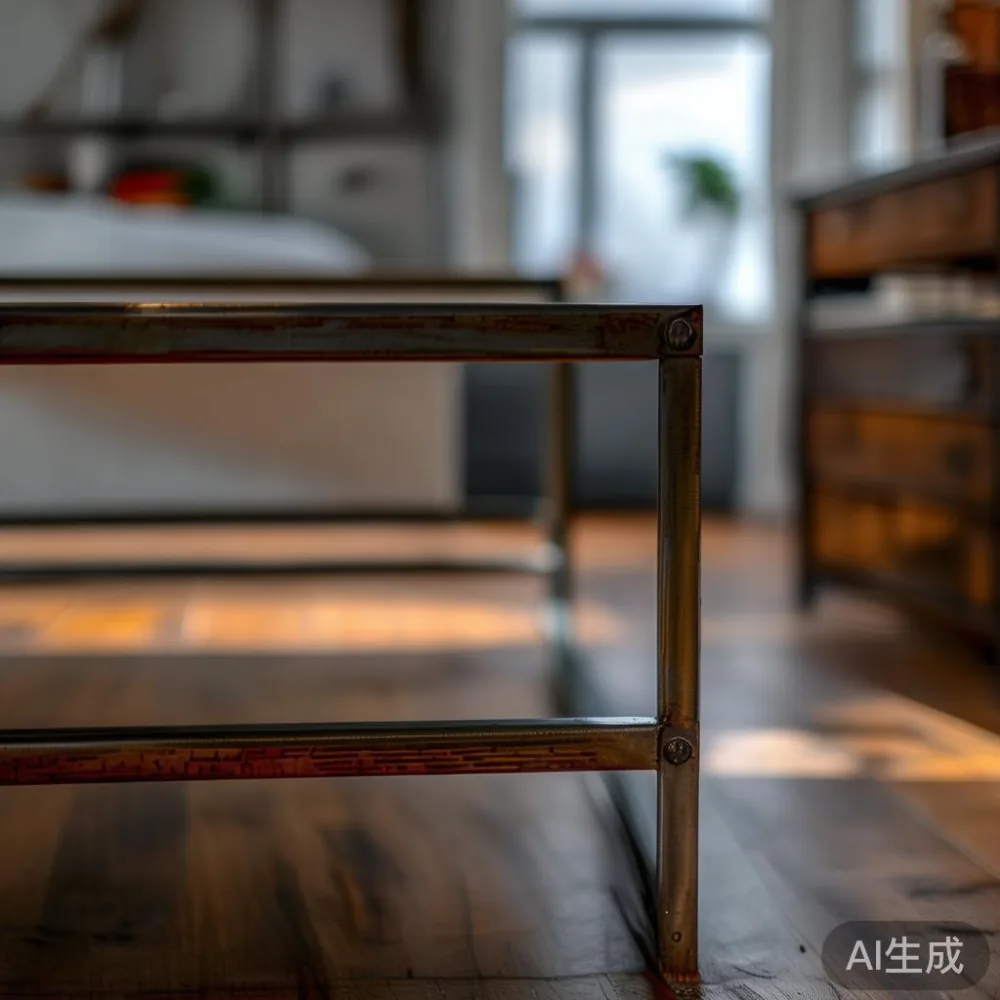
1. **Doorway and Corridor Width:** Standard HDB and condo doorways are typically 80 cm to 90 cm wide. Your sofa must fit through this opening. Measure the narrowest point of your entrance hall, including any turns. For example, if your corridor is 90 cm wide, a sofa with a depth of 95 cm will not make the turn. Remember to account for packaging, which can add 5-10 cm to the sofa's dimensions.
2. **Lift Dimensions (for High-Rise Units):** If you live in a condominium with a lift, this is a major consideration. Standard residential lifts in Singapore have internal dimensions of approximately 110 cm wide by 210 cm deep. A sectional sofa that is 280 cm long will not fit. Always confirm the sofa's maximum dimension against your lift's capacity. For instance, a 3-seater sofa measuring 200 cm in length should fit, but a large L-shaped configuration might require a freight lift.

3. **Room Space:** Measure the length and width of your intended living area. Visualise the sofa's placement. Leave at least 45-60 cm of walking space around the sofa. A common mistake is buying a sofa that looks perfect in the showroom photo but overwhelms the actual room. For a 4.5m by 4m living room, a 220 cm sofa might be ideal, but for a 3.5m by 3m room, it would dominate the space.
How Do You Evaluate the Sofa's Construction and Materials?
Without sitting on it, you must become a detective of quality. The details in the product description and images are your best clues. Focus on the frame, the suspension, and the upholstery.
**Frame:** A high-quality sofa has a solid frame. Look for descriptions mentioning 'solid wood' or 'hardwood'. Metal furniture, while often used for accents, is less common for the main frame of a sofa due to weight and comfort. A solid wood frame, typically made from kiln-dried timber to prevent warping, provides a sturdy base. Ask the seller about the wood type—rubberwood or beech are common and durable. The frame should have corner blocks glued and screwed for reinforcement, not just staples.
**Suspension System:** This is what determines the sofa's comfort and longevity. There are two main types: sinuous springs and eight-way hand-tied springs. Sinuous springs are a continuous S-shaped wire, providing good support. Eight-way hand-tied springs are individually tied in eight directions, offering superior comfort and are a hallmark of higher-end, light luxury furniture. A good sofa will have 6-8 springs per seat. A cheap sofa will have a webbing or mesh base, which will sag quickly.
**Upholstery and Cushions:** The feel of the fabric and the filling of the cushions are key. Look for high-performance fabrics like Crypton or Sunbrella, which are stain-resistant and durable. The description should specify the thread count and material composition (e.g., 100% linen, 85% polyester/15% cotton). For cushions, check the density of the foam. High-resilience foam (HR foam) with a density of 30 kg/m³ or higher will hold its shape better than standard foam. Down-wrapped cushions offer a luxurious feel but require fluffing. A combination of foam and down is often the best of both worlds.
Can You Trust Online Reviews and Photos?
Yes, but with a critical eye. Online reviews are a powerful tool, but you must learn to read between the lines. Look for reviews that mention specific details, not just general praise. A review stating, "The assembly was straightforward, and the solid wood frame feels very solid," is more helpful than "Love my new sofa!" Pay attention to reviews from customers in Singapore, as they will have faced the same logistical challenges.
Photos can be deceiving. They often use professional lighting and styling to make a sofa appear larger or more luxurious than it is. Look for multiple photos, including ones taken from different angles. Ask the seller for photos of the sofa in a neutral room to get a better sense of its true scale. Also, check if they provide detailed close-ups of the stitching, the feet, and the fabric texture. A reputable seller will be happy to provide more information. My colleague last month ordered a dining table online and specifically requested photos of the marble table's veining to ensure it matched the sample, a practice I recommend for any significant purchase.
What About Warranty, Delivery, and Returns in Singapore?
These factors are non-negotiable and provide peace of mind for a significant online purchase. Scrutinise the company's policies before you commit.
**Warranty:** A good warranty reflects the manufacturer's confidence in their product. Look for a structural warranty of at least 5-10 years. A 10-year warranty on the frame is a strong indicator of quality. Some companies also offer a 1-2 year warranty on the cushions and upholstery. Be clear on what is covered; for example, does the warranty cover sagging beyond a certain depth? MIDHILL, for instance, offers a 10-year structural warranty, which is a significant commitment.
**Delivery:** This is where Singapore-specific details matter. Confirm the delivery cost and timeframe. Free shipping is often offered for orders above a certain value, such as SGD 350. Standard delivery might take 7-14 business days from the date of order, but this can vary, especially during peak periods or with GST considerations. Ask if the delivery includes installation and removal of packaging. For a heavy item like a sofa, this service is invaluable. Also, confirm if there are any additional fees for delivery to specific floors or locations in Singapore.
**Returns and GST:** Understand the return policy. A 14-day return window is standard, but check if it's for a full refund and who bears the return shipping cost. The last thing you want is to be stuck with a SGD 3,000 sofa that you cannot use. Also, be aware of the Goods and Services Tax (GST). If the seller is based in Singapore, GST will be applied at the prevailing rate (currently 9%). If the seller is an international company like one from Foshan, they may not charge GST, but you could be liable for it upon import. Clarify this with the seller to avoid unexpected costs.
What is the Difference Between Sofa Styles and Which is Right for You?
The aesthetic of your sofa is a personal choice, but understanding the different styles can help you narrow down your options. Each style has a distinct character and feel.
**French Light Luxury:** This style is characterised by elegant curves, soft fabrics like velvet or linen, and light, airy colours. It often features exposed wooden legs and detailed stitching. A French provincial coffee table would complement this sofa style perfectly, creating a cohesive, romantic look. This style works well in homes with high ceilings and plenty of natural light.
**American Light Luxury / Post-Modern Light Luxury:** These styles are more defined by clean lines, neutral palettes, and a focus on comfort and functionality. American light luxury might favour oversized, deep cushions and plush fabrics, while post-modern light luxury incorporates geometric shapes, mixed materials, and a more minimalist approach. A designer Modern light luxury furniture piece often features metal accents combined with solid wood or leather, creating a sophisticated yet unpretentious vibe.
**Japanese Sofa vs Mid-Century Modern Sofa:** This is a common dilemma for those seeking a minimalist aesthetic. A Japanese sofa typically features low profiles, clean lines, and natural materials like wood and cotton. It promotes a sense of space and tranquility. A mid-century modern sofa, on the other hand, is known for its tapered legs, organic shapes, and bold use of colour. When choosing between them, consider your room decor. The question of Japanese sofa vs Mid-century modern sofa often comes down to whether you prefer a more grounded, zen-like feel or a more iconic, retro-inspired look.
How Can You Ensure the Sofa Matches Your Existing Furniture?
Creating a harmonious living space is about more than just the sofa. It's about how it interacts with your other pieces. If you are looking for a cohesive look, consider how your new sofa will complement your existing items. For instance, how to style Japanese sofa in room successfully involves pairing it with other elements of Japanese design, such as a low-lying teak bed frame or a simple, unadorned wardrobe. This creates a unified, peaceful atmosphere. Alternatively, if you are mixing styles, you can use a neutral-coloured sofa as a canvas. A solid wood sofa in a natural finish can bridge the gap between a vintage for guest room nightstand and a more contemporary marble table in the dining area. The key is to find common elements, whether it's a shared wood tone, a consistent colour palette, or a similar design philosophy.
Where Can You Find Quality Sofas in Singapore?
Once you have your checklist, you can start your search. Many international brands now ship directly to Singapore. Look for companies with a strong track record and positive customer feedback. For those seeking industrial aesthetics, searching online for 'for sale Industrial furniture' can yield results from specialised retailers who focus on metal furniture and reclaimed wood pieces. When you find a potential seller, don't hesitate to contact them directly with your questions. A good company will be transparent about their products and policies. You can often find contact information like +86 188 2788 2512 on their website for direct inquiries. This direct line of communication can help clarify any doubts about dimensions, materials, or delivery, ensuring a smooth purchasing experience for your new sofa.