Humidity in Southeast Asia and Your Wood Furniture: A Practical Guide for Singapore Homes
I keep a small digital hygrometer on my workbench in Tampines, and last month during the second week of the monsoon surge it read 88% at 7 a.m. By mid-afternoon, with the air-con set to 24°C, it had crawled down to 64%. That 24-point swing inside a single HDB flat in a single day is the quiet reason so many Singapore households end up with hairline cracks on a solid wood dining table, sticky drawers on a bed frame, or a wardrobe door that no longer lines up with its frame. If you live in Bedok, Punggol, Clementi, or any of the newer condos rising around the Thomson-East Coast Line, you have probably seen at least one of these symptoms already. The good news: with the right material choices, the right placement, and a 10-minute weekly routine, you can keep solid wood looking handsome for fifteen years and beyond, even in a climate where the air feels like a warm towel for nine months of the year.
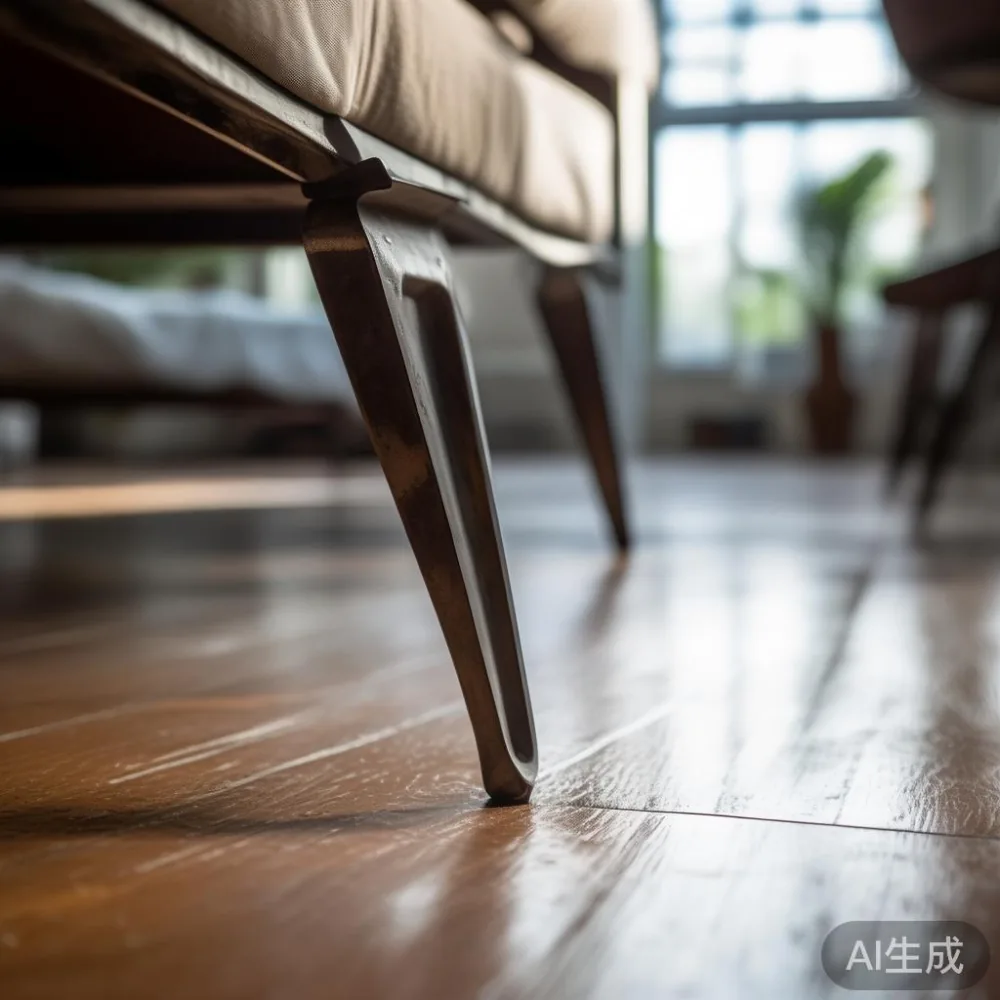
Before the practical steps, it helps to understand what humidity actually does to a piece of furniture made of real wood. Most homeowners think of wood as a static material. It is not. A solid wood sofa frame, a 2.0 m dining table in white oak, or a 1.8 m wardrobe in ash is constantly exchanging moisture with the surrounding air. When relative humidity climbs, the wood swells across the grain. When the air dries out, the wood shrinks. Do that fifty times a year, and joints loosen, panels cup, and finishes craze. The damage is rarely dramatic enough to be called a defect; it is the slow, patient kind that shows up in month nine, when a drawer that used to slide smoothly now needs a two-handed shove.
Why Singapore's Climate Is Harder on Wood Than Most Buyers Realise
Singapore sits roughly one degree north of the equator. The annual mean relative humidity reported by the Meteorological Service Singapore hovers between 78% and 82%, with morning readings often above 90% from November through February. Air-conditioning drops indoor humidity to a comfortable 55-65%, but the moment you open the door to the corridor, the lift lobby, or the service yard, the moisture rushes back in. Most HDB blocks, including the BTO flats in Punggol Northshore and the resale flats in Bedok Reservoir, have corridor widths of about 1.5 m and lift openings of roughly 1.0 m, which is wide enough for a king-size bed frame to be delivered flat-packed but narrow enough that the movers will not be able to leave the packaging open to "air out" for hours on the loading bay.
This is the part where material choice starts to matter. A solid wood bed frame made of kiln-dried oak or ash, with a moisture content brought down to 8-10% before assembly, behaves very differently from a MDF-and-veneer piece at the same price point. The latter can delaminate within two wet seasons if a corner of the laminate film is nicked during delivery. Solid wood, by contrast, moves as one piece, and the better factories cut joinery that allows for that movement. If you are browsing for a dining table in the SGD 1,800 to SGD 3,200 range, a 100% solid top will outlast a veneered MDF top by roughly three to five years in a non-air-conditioned balcony setting, which is where many Singapore families actually eat.
Does humidity damage a marble table or a metal frame the same way?
This is a question I get at almost every Tampines or Punggol showroom visit, and the short answer is no. Marble, like wood, is porous to moisture at the microscopic level, but it responds through surface chemistry rather than through expansion. A marble table can develop a dull patch or a faint ring if a wet glass sits on it for an hour, but it will not warp across a 1.8 m span the way a solid wood top can. The stone industry rates most polished marble for indoor use at relative humidity up to 75%; above that, the surface can oxidise and the polish turns cloudy within twelve to eighteen months. A coasters-only rule, plus a quarterly application of a pH-neutral stone sealer, is usually enough.
Metal furniture, on the other hand, reacts to humidity in its own way. Powder-coated steel and aluminium frames can handle 90% relative humidity indefinitely, but only if the coating is intact. The first place a metal chair or metal-framed nightstand fails in Singapore is almost always a cut edge, a scratch near a foot, or a weld spot where the coating thinned during manufacturing. Once the coating is breached, the underlying steel oxidises and you see a rust stain on your tile floor. Stainless steel 304 is the usual fix; 316 marine-grade is the spec you want for balcony or kitchen use. At a recent MIDHILL sample review I attended, the team pulled a six-month-old metal chair out of a corridor display that had been sprayed twice a week by a forgetful cleaning crew; the 304 frame had a faint tea stain, while the 316 frame on the matching table base had none.
For households mixing materials, a sensible rule of thumb: keep marble and stone tops in air-conditioned rooms between 22°C and 26°C, keep metal furniture for the dining area, balcony, and study where wipe-clean matters, and reserve solid wood for the bedroom, reading nook, and the formal living display. That mix also makes light luxury much easier to achieve, because a single French provincial wardrobe, a post-modern light luxury marble-and-brass coffee table, and a slim metal side chair can share a living room without any one of them looking out of place.
What should I do in the first 30 days after delivery?
The first month is when most of the avoidable damage happens, and almost all of it is caused by impatience. A new solid wood dining table, freshly unpacked in a Punggol condo with floor-to-ceiling windows facing the afternoon sun, will be at one moisture level when it left the Foshan workshop and a very different one by the time it sits in your dining room. The pieces need two to three weeks to acclimatise, which means leaving the table on its felt pads in the room where it will live, opening the cabinet doors of the wardrobe for twenty minutes a day, and resisting the urge to load the drawers of your new nightstand with twelve kilos of books on day one.
A simple thirty-day checklist that I share with every customer in our free 1-on-1 consultation:
- Day 1 to 3: open all packaging inside the room, lift the pieces off the cardboard, set felt pads under every leg, and check that the floor is level. Use a 30 cm spirit level. Anything more than 3 mm off across a 1.8 m span will create a racking stress on the frame within six months.
- Day 4 to 14: run the air-con for at least six hours a day in that room, and keep a cheap hygrometer (SGD 12 to SGD 18 at any HomeTeamNS store) on a middle shelf. Aim for 55-65% relative humidity.
- Day 15 to 30: apply a thin coat of hard wax oil or paste wax to all exposed wood surfaces, including the underside of the dining tabletop. This is a step most owners skip, and it is the single biggest reason a French provincial wardrobe develops a checked finish at the end of year two.
If you are furnishing a new BTO in Tengah or a resale flat in Hougang, block out one full Saturday for this routine. It is roughly the same time as a flat-pack assembly, and it saves you the SGD 180 to SGD 280 a carpenter will charge to repair a cracked drawer bottom later.
How does MIDHILL engineer its solid wood pieces for tropical weather?
I spent a morning in a Foshan workshop last quarter, walking past rows of bed frames, dining tables, and wardrobes at different stages of sanding, and the detail that stayed with me was the moisture meter in the corner of the climate-controlled drying room. Kiln-dried oak for the Singapore and Kuala Lumpur market is brought down to a target of 8% moisture content, with a tolerance of plus or minus 1.5%. The European standard, by contrast, is closer to 12%, because the average humidity in Paris or Frankfurt sits around 65-70% for most of the year. Sending European-spec wood to Southeast Asia is one of the silent reasons cheap imports warp within the first wet season.
For the metal furniture side of the catalogue, the same workshop runs a salt-spray test rig set to 96 hours, which simulates roughly eighteen months of coastal exposure in Singapore. Frames that pass are cleared for balcony and kitchen use, while frames that show a single rust spot at the weld are pulled and re-coated. MIDHILL pairs these specs with a 10-year structural warranty, free shipping on orders over US$350, and a lifetime refinishing service that lets a customer in Tampines send back a 7-year-old nightstand for a fresh coat of oil. The lifetime refinishing is the line item I find most useful for Singapore buyers, because a properly refinished solid wood piece can outlive the first two HDB leases of its owner.
Customers often ask where to buy sofa from MIDHILL once they have read these specs, and the practical answer is the Singapore-flagged storefront on the brand site, which shows landed prices in SGD, GST-inclusive, with delivery slots that respect lift opening hours and corridor widths. A standard 3-seater solid wood sofa frame in white oak, with linen-blend cushions, lands in the SGD 2,400 to SGD 3,100 range after the 9% GST, with a four-to-six-week lead time from order to doorstep. The cushions are removable and washable, which is the right call for households with young children or a cat.
Light luxury looks that actually survive the wet season
French light luxury and American light luxury share a soft palette, low-contrast finishes, and slim metal accents, and both styles work well in Singapore because they do not rely on heavy drapery or thick carpet to set the mood. A practical way to build the look in a 1,000 sqft HDB flat:
- Anchor the living room with a French provincial sofa in oat-coloured linen, around 2.2 m wide, with a solid wood base in white oak and brushed brass feet. Pair it with a 1.2 m marble table in cream or grey for the centre, and a slim metal side chair in matte black for the reading corner.
- In the master bedroom, fit a 1.8 m king-size solid wood bed frame in walnut, with a low headboard, and a matching two-door wardrobe in the same wood. Add a 50 cm nightstand on each side; metal-frame nightstands with a solid wood top are a good compromise between storage and air flow.
- For the dining area, a 1.8 m to 2.2 m solid wood dining table in ash, paired with six metal-and-leather chairs, handles daily meals and weekend gatherings without breaking a sweat.
For shoppers who want a single anchor piece, the best French provincial wardrobe for 2026 in our showroom set is a 2.0 m three-door unit in white oak with hand-carved cornices and a fitted interior of three drawers, two adjustable shelves, and a full-length mirror. It weighs 138 kg unpacked, fits through a standard 0.9 m HDB door with 6 cm to spare on each side, and carries the same 10-year warranty as the rest of the line.
Buyers who lean toward cleaner lines often ask about post-modern light luxury. A simple recipe is a 1.4 m round marble dining table with a brushed brass pedestal, two slim metal dining chairs in sage green, and a low-slung solid wood bench on the back wall. For shoppers browsing the wider category, a useful shortlist of post-modern light luxury pieces includes a 1.6 m credenza in walnut with reeded glass doors, a pair of 55 cm metal-and-marble side tables, and a 1.8 m headboard bed frame in bouclé. If you want a longer view, our design team keeps a running list of the top 10 post-modern furniture releases each season, which we share on request during the showroom visit.
Can I place solid wood furniture in a non-air-conditioned balcony or yard?
Yes, but only if you pick the right material and the right finish. Teak, white oak, and shorea all handle outdoor humidity well when the finishing oil is reapplied twice a year. A solid teak dining table in the SGD 2,800 to SGD 4,200 range, paired with powder-coated aluminium chairs in 316 marine-grade, will sit happily on a covered balcony in Punggol Waterway or a roof terrace in Pinnacle@Duxton for ten years with nothing more than a wipe-down every fortnight. Avoid MDF, plywood with a thin veneer, and any wood that has not been kiln-dried to under 12% moisture content. The same advice applies to second-hand pieces, which often look fine on day one and then start cupping within two wet seasons because the original drying spec was for a drier climate.
For households that want the mid-century look on a balcony, mid-century modern pieces for sale in our outdoor catalogue include a 1.4 m solid teak coffee table with hairpin metal legs, a 2-seater teak-and-rope bench weighing 38 kg, and a slim planter box in the same wood. The teak arrives at 10-12% moisture content, which is the right range for an outdoor setting, and the metal legs are 304 stainless with a powder coat rated for 1,000 hours of salt spray. Owners of older HDB flats without a balcony hook can fit a 1.0 m version of the coffee table on a small service yard without blocking the door swing.
Weekly care routine that takes ten minutes
Once the furniture is in place and acclimatised, the weekly care is short. Wipe all solid wood surfaces with a dry microfiber cloth, then a second cloth lightly dampened with a pH-neutral wood soap. Dry immediately. Skip the silicone polishes sold in Sembawang and Jurong furniture rows; they soften the finish over time and make a future refinishing harder. For metal furniture, a wipe with a damp cloth and a touch of mild dish soap is enough; dry the joints, especially the welds, with a second cloth. For marble, blot spills within five minutes, and re-seal every six to nine months.
Run the air-con for at least four hours a day in any room with a solid wood piece during the wet months. If the room does not have air-con, a small dehumidifier set to 60% relative humidity will do the job at a cost of about SGD 8 to SGD 14 a month in electricity, depending on the model. Keep the unit at least 30 cm away from any solid wood surface so the cold dry air does not create a sharp local moisture gradient, which is the most common cause of a split along the grain of a dining tabletop.
What is the realistic lifespan of a well-cared-for piece?
A solid wood bed frame or dining table that is brought up correctly, kept in a 55-65% humidity range, and refinished every five to seven years can last twenty-five to thirty years in a Singapore home. A metal furniture frame, with the same care, can outlast two owners. A marble top is the wildcard; the stone itself will outlast everything else in the house, but the polish will need to be redone every eight to twelve years, which is a SGD 220 to SGD 400 service depending on the size of the top. The 14-day return window covers the early surprises, and the lifetime refinishing covers the long arc, so the real decision is whether to spend a little more up front for kiln-dried wood and 316 metal, or to spend that same amount twice over the next decade on replacements.
For a household building around light luxury, a balanced shortlist would be a 2.2 m French provincial sofa, a 1.8 m solid wood king bed frame, a 2.0 m three-door wardrobe, a 1.8 m dining table in ash, and a 1.2 m marble coffee table, with metal-and-wood nightstands on each side of the bed. That mix covers the living, dining, and sleeping zones, stays within a 1.5 m lift opening and a 0.9 m HDB door, and reads as a single design language from the corridor to the master suite. Buyers who want help with layout, humidity targets, or delivery slots can book a free 1-on-1 video consultation with the MIDHILL Singapore team, and the team will share the same care routine in a printed PDF for the household file.
Humidity in Southeast Asia is not going away. The trick is to treat the wood, the metal, and the marble as three different materials with three different care paths, and to spend the first thirty days setting each one up the right way. Do that, and the dining table you buy this year will still be the dining table your children carry into their own BTO in 2046.