Understanding Metal Furniture's True Price
When furnishing a new apartment in Singapore, whether it's a compact HDB flat in Tampines or a spacious condo in Punggol, the choices can feel overwhelming. The price tags on solid wood furniture, especially metal furniture, often span a wide range, from a few hundred to several thousand Singapore dollars. A homeowner might see a simple wooden dining table for SGD 800 and a similar-looking one for SGD 2,500 and wonder what justifies the difference. The answer isn't a single factor but a complex interplay of materials, craftsmanship, design, and logistics. Understanding these elements can upgrade your shopping experience from a guessing game into an informed investment for your home.

Why Does a Simple Wooden Table Cost So Much?
The most fundamental driver of price is the raw material itself. Not all 'wood' is created equal. The type of wood used in furniture construction has a direct impact on cost, durability, and appearance. For a solid wood dining table, the choice of wood is paramount. Solid oak, for instance, is a dense, heavy hardwood prized for its strength and distinctive grain patterns. A solid oak dining table might weigh between 45 to 60 kg and cost anywhere from SGD 1,500 to SGD 4,000, depending on size and design. In contrast, a solid rubberwood table, a more affordable hardwood, might weigh 35 to 50 kg and be priced from SGD 800 to SGD 2,200. The difference lies in the wood's density, growth rate, and natural resistance to wear and tear. Heavier woods like oak and walnut are more expensive due to their slower growth and superior durability, making them a long-term investment. This is why a solid wood sofa frame built from premium timber will naturally command a higher price than one made from a less dense wood.
Beyond the type of wood, the construction method is the next major price determinant. Furniture can be constructed in several ways, each affecting its structural integrity and cost. Solid wood construction, where the entire piece is made from a single, solid piece of lumber or carefully joined solid wood components, is the most expensive and durable method. This technique, often seen in high-end metal furniture, requires exceptional craftsmanship to prevent warping and ensure stability. A cheaper alternative is veneer construction, where a thin layer of expensive wood is glued over a less expensive core material like MDF (Medium-Density Fiberboard) or particleboard. While veneer can mimic the look of solid wood at a lower cost, it is more susceptible to damage and cannot be sanded and refinished like solid wood. For a wardrobe or a large bed frame, the difference between a solid wood frame and a veneered one is significant, both in price and lifespan. The former offers a lifetime of refinishing potential, a key promise from makers like midhill, while the latter's lifespan is limited by the integrity of its base material.
Is the Price Just for the Wood, or Does the Design Matter More?
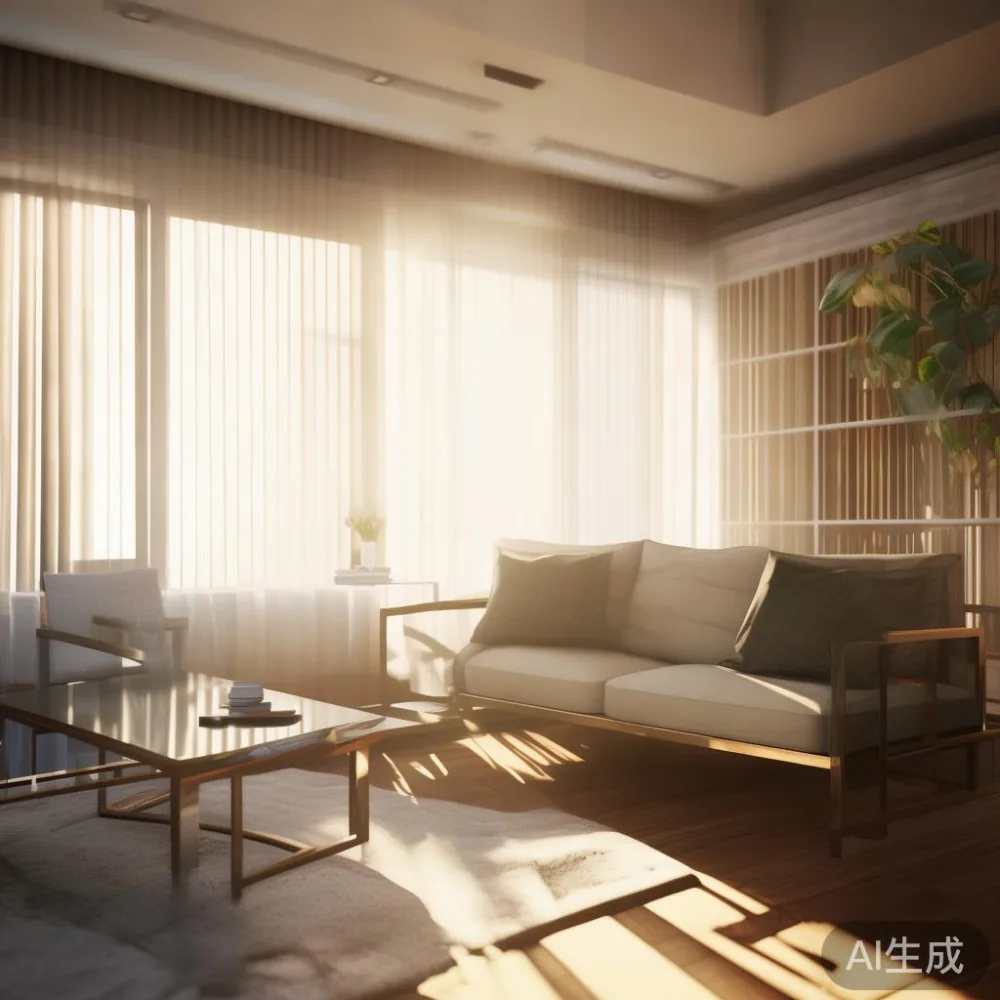
Design and aesthetics play a substantial role in the final price tag, especially when considering light luxury styles. The design process involves more than just how a piece looks; it encompasses ergonomics, functionality, and the brand's design philosophy. A French light luxury sofa, for example, is not just a place to sit. It is a sculptural piece with a specific silhouette, often featuring high-density foam cushions, deep button-tufting, and elegant, tapered legs. The design dictates the complexity of the frame, the type and amount of upholstery required, and the level of hand-finishing involved. A simple, minimalist design with clean lines will be less expensive to produce than a highly ornate, carved design. This is why a post-modern light luxury dining table with a marble top and intricate metal base will cost significantly more than a basic rectangular wooden table. The design adds value through its uniqueness, comfort, and the statement it makes in a space.
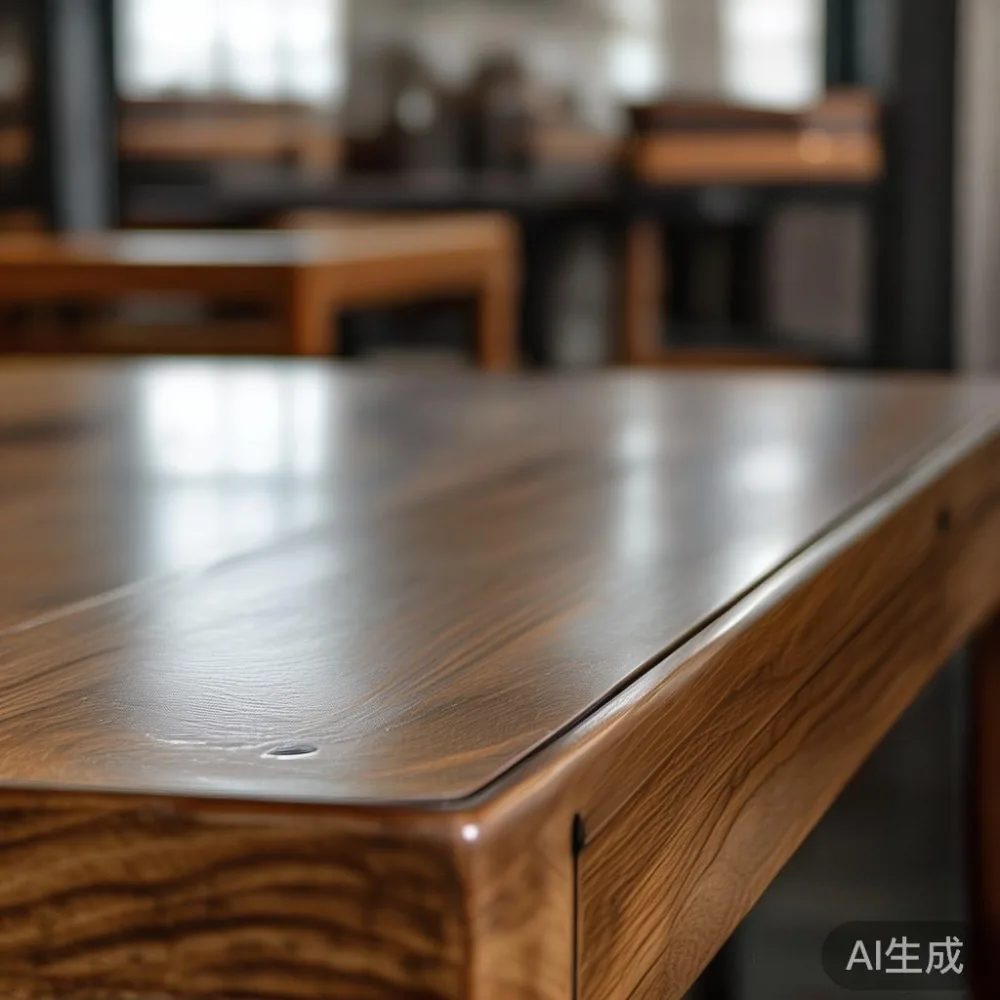
The finish of the furniture is another critical aspect that influences price. A basic, clear lacquer finish protects the wood but shows every scratch and fingerprint. A high-quality finish, like a hand-rubbed oil or a multi-layered catalyzed varnish, creates a deep, lustrous sheen that is far more durable and water-resistant. This finishing process is labour-intensive and requires skilled artisans. For a solid wood bed frame or a nightstand, a premium finish not only enhances the wood's natural beauty but also protects it for decades, reducing the need for costly repairs or replacements. The colour and type of finish can also affect the price. A custom stain or a specific paint colour will cost more than a standard, factory-applied finish. This attention to detail is a hallmark of quality metal furniture, ensuring that every surface is perfect and built to last.
What About the Hands That Build It?
Labour and craftsmanship are perhaps the most intangible, yet most significant, factors in the price of solid wood furniture. A machine can cut wood to size, but it takes a skilled artisan to hand-carve a detail, hand-fit a joint, and hand-apply a finish. The difference between mass-produced furniture and artisan-crafted furniture is stark. A piece of metal furniture that is hand-assembled and hand-finished will have a level of precision and quality that machine-made furniture cannot replicate. This labour is a significant cost, but it is an investment in quality. For instance, the dovetail joints on a drawer of a high-end wardrobe are cut by hand or with precision machinery, ensuring they are incredibly strong and will never loosen. This level of craftsmanship is time-consuming and directly reflected in the price. When you buy a piece of solid wood furniture, you are not just paying for materials; you are paying for the hours of skilled labour that went into creating something beautiful and functional.
The origin of the furniture also plays a role. A piece made in a country with high labour costs and strict environmental regulations will be more expensive than one made in a region with lower overheads. However, this is not always a direct indicator of quality. A brand might choose to manufacture in a specific location to control quality or to be closer to its source of materials. For example, a company that sources its timber sustainably and employs master carpenters will have higher costs, but the result is a superior product. This is a key consideration for homeowners in Singapore who are looking for furniture that aligns with their values of quality and sustainability. The price reflects a commitment to ethical production and superior building practices, ensuring that the furniture is not only beautiful but also responsibly made.
How Do Logistics and Local Factors Affect the Price?
The journey from the workshop to your Singapore home involves several logistical steps that add to the final price. Shipping heavy, bulky items like a solid wood dining table or a wardrobe across continents is expensive. Furniture must be carefully packed to prevent damage during transit, often requiring custom crates and protective materials. Once it arrives in Singapore, there are import duties, taxes, and handling fees to consider. The current Goods and Services Tax (GST) in Singapore is 9%, which is applied to the cost of the goods and the shipping. This means a piece of furniture that costs SGD 1,000 before shipping could have an additional SGD 90 in tax, plus the shipping cost itself. These logistical costs are unavoidable and are factored into the retail price, ensuring the product arrives at your door in perfect condition.
Local delivery and installation are another set of costs that contribute to the final price. Singapore's urban landscape, with its high-rise HDB flats and condominiums, presents unique challenges. A delivery team must work through narrow lift corridors in older buildings or manage the logistics of moving a heavy marble table up to a 20th-floor condo in Punggol. The width of a standard HDB lift is about 110 cm, and a large wardrobe might be 80 cm wide, requiring careful manoeuvring. Professional delivery services include not just transportation but also assembly, ensuring your furniture is set up correctly and safely. For example, assembling a complex solid wood sofa or a large wardrobe requires tools and expertise that the average homeowner may not possess. This service adds convenience and peace of mind, but it also adds to the cost. Brands that offer free shipping over a certain value, like SGD 350, are effectively absorbing a portion of these logistical costs to provide a better customer experience.
What About Guarantees and Long-Term Value?
A warranty is a promise from the manufacturer about the quality and durability of their product. A longer warranty period indicates a higher level of confidence in the construction. A 10-year structural warranty on a bed frame or dining table is a significant commitment. It means the manufacturer stands behind their joinery, frame integrity, and construction for a decade. This peace of mind has value. When you compare a piece of metal furniture with a 1-year warranty to one with a 10-year warranty, you are not just comparing the initial price; you are comparing the long-term value and risk. A product with a longer warranty is likely to be better built and more durable, saving you money on potential repairs or replacements in the future. This long-term perspective is important when making a significant investment in your home.
The ability to refinish a piece of furniture is another factor that contributes to its long-term value. Solid wood can be sanded down and refinished multiple times over its lifetime, allowing you to change its colour or restore its original beauty as it ages. This is a feature that cheaper, veneered furniture does not offer. A lifetime refinishing policy, offered by some manufacturers, means you can in effect keep your furniture looking new for decades. This transforms a piece of furniture from a disposable item into a family heirloom. For a solid wood sofa or a dining table, this ability to refresh and renew is a massive advantage. It means your initial investment continues to pay off for years to come, adapting to changing tastes and interiors without needing to be replaced. This is a key consideration for homeowners who plan to stay in their HDB flat or condo for a long time and want their furniture to grow with them.
What Should a Singaporean Actually Look for When Buying Furniture?
For a homeowner in Singapore, working through the world of solid wood furniture requires a clear set of priorities. The first step is to measure your space accurately. In Singapore, where living spaces can be compact, fitting a large marble table or a bulky wardrobe into a small living room or bedroom can be a challenge. Measure the width, height, and depth of the available space, and consider the corridor and lift widths for delivery. A beautiful solid wood bed frame is useless if it doesn't fit through your front door or into the lift. Always choose a style that is proportionate to your room. A post-modern light luxury sofa might be stunning, but if it overwhelms your living space, it's not the right choice. Consider the scale of the furniture in relation to your apartment's dimensions.
For style, it's important to choose something you genuinely love. Trends come and go, but a well-made piece of furniture will be with you for a long time. If you love the clean lines of mid-century modern for office or home settings, choose a design that reflects that. If you prefer the elegance of a French light luxury sofa, find one that speaks to you. The furniture in your home should be a reflection of your personal style. Don't be swayed by a trend if it doesn't resonate with you. A solid wood nightstand or a dining table should bring you joy every time you see it. Personal taste is the most important factor in choosing furniture, as it is something you will interact with every day. This personal connection ensures that your investment is not just financial but also emotional.
Finally, consider the practical aspects of your lifestyle. If you have young children or pets, a delicate, high-gloss finish might not be the most practical choice. A more durable, matte finish or a wood with a prominent grain that can hide minor scratches might be a better option. If you entertain frequently, a larger dining table with extendable leaves might be necessary. If you work from home, a sturdy and comfortable solid wood desk is important. Think about how you will use the furniture on a daily basis. A metal furniture piece that is both beautiful and functional will be the most satisfying purchase. It should enhance your life, not create more work for you. By balancing aesthetics with practicality, you can find furniture that is perfect for your Singaporean home, whether it's a cosy HDB flat or a modern condo.
Ultimately, the price of solid wood furniture is a reflection of its materials, construction, design, labour, and the value it provides over time. It's not just about the initial cost but about the long-term investment in quality, durability, and style. By understanding what drives the price, you can make a more informed decision and choose furniture that you will love for years to come.